Old Maps of Indigo Point, Charleston for Academic Research
Study the evolution of Indigo Point with 17 high-resolution historic maps. Whether you're teaching, researching, or modeling changes in land use, these maps provide essential visual documentation of urban, environmental, and geographic change.
- Analyze long-term change: Track patterns in development, transportation, and natural features.
- Ideal for environmental or urban studies: Support academic projects with primary historical map data.
- Use in the classroom or lab: Educators and researchers rely on these maps to bring historical context to life.
These maps are a powerful tool for teaching, research, and visualizing how Indigo Point has changed over the decades.
Indigo Point, Charleston maps
(17)- 1919 Map of Johns Island
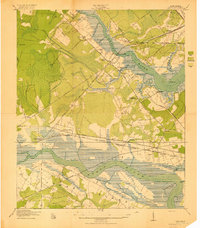 1919 Johns Island1919 Print · USGSCoastal South Carolina at the end of the Great War reveals a landscape of riverfront estates and military remnants. Genealogists and historians can trace family-named stops and rural institutions like Drayton Hall, St Andrews School No 10, and the Bula Mines.2 unique versions available
 - 1920 Map of Ravenels
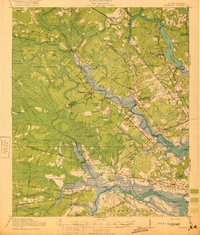 1920 Ravenels1920 Print · USGSThe Ashley River and its surrounding swamps were the heart of this Lowcountry landscape just after the First World War. Researchers can trace the footprints of Old Dorchester, the operations at Bula Mines, and the unique Tyler Tea Farm.3 unique versions available
 - 1944 Map of Ravenels
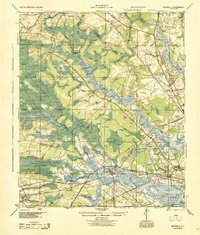 1944 Ravenels1944 Print · USGSCoastal South Carolina just before the war's end reveals a landscape of tidal rivers and deep-rooted settlements. Trace the footprints of the past at Old Dorchester, locate family homesteads near Poppenheim Crossing, or find long-vanished industry at the Bula Mines.
 - 1947 Map of Savannah
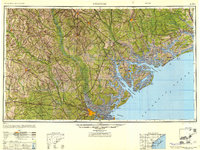 1947 Savannah1947 Print · USGSCoastal Georgia and South Carolina are captured here in the mid-forties, showing the rail-and-river networks of the Lowcountry. Genealogists and researchers can trace old crossroads and river towns from Statesboro to Beaufort, alongside military sites like Camp Stewart and Parris Island.
 - 1948 Map of Johns Island
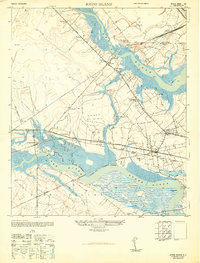 1948 Johns Island1948 Print · USGSThe Ashley and Stono River corridors appear here during the late 1940s, showing a landscape defined by historic estates and heavy rail traffic. Genealogists can trace family landmarks and early communities like Eightmile House, Drayton, and Bull Chapel.3 unique versions available
 - 1948 Map of Savannah
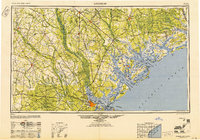 1948 Savannah1948 Print · USGSThe Georgia and South Carolina Lowcountry comes alive in this post-war survey of the coast and its river-fed hinterlands. Genealogists and historians can trace rail lines like the Central of Georgia RR and find established settlements such as Isle of Hope and Sylvania.
 - 1957 Map of Savannah, 1967 Print
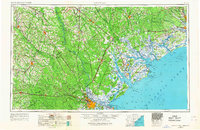 1957 Savannah1967 Print · USGSThe Lowcountry and Georgia coastal plain are shown here in the late fifties, prior to modern expansion. Researchers can trace the rail-and-river economy through the Central of Georgia lines and the Ogeechee River wetlands.4 unique versions available
 - 1958 Map of Johns Island, 1959 Print
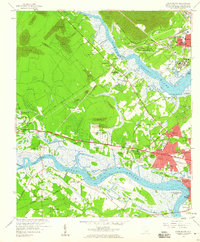 1958 Johns Island1959 Print · USGSThe Lowcountry landscape west of Charleston comes to life in the late fifties, showing a mix of historic river estates and postwar growth. Genealogists and historians can trace local landmarks like Drayton Hall, Fort Bull, and the Stono Sta rail stop.5 unique versions available
 - 1960 Map of Savannah
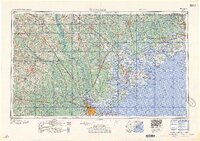 1960 Savannah1960 Print · USGSCoastal Georgia and the South Carolina Lowcountry are captured in the late fifties, showcasing the intricate web of islands and tidal rivers before modern expansion. Researchers can trace the rail lines of the Atlantic Coast Line or locate sites like Parris Island, Beaufort, and the Tybee Lighthouse.
 - 1961 Map of Savannah
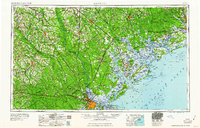 1961 Savannah1961 Print · USGSThe Georgia and South Carolina Lowcountry comes alive in this mid-century survey of coastal marshes, barrier islands, and river networks. Genealogists and historians can trace the paths of the Seaboard Air Line RR, locate family sites near Isle of Hope, or study the grounds of Fort Stewart Military Reservation.2 unique versions available
 - 1986 Map of Walterboro
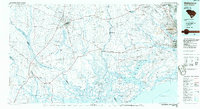 1986 Walterboro1986 Print · USGSThe South Carolina Lowcountry in the mid-eighties remains a world of expansive wetlands and historic river crossings. Genealogists and historians can trace the rural communities and landmarks of Colleton and Charleston counties, from the Baptist Church at Adams Run to the coastal reaches of Edisto Beach State Park.
 - 1990 Map of Walterboro
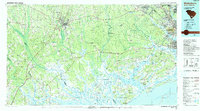 1990 Walterboro1990 Print · USGSCoastal South Carolina and its dense river networks are documented here in the early nineties as the Charleston suburbs expanded westward. Genealogists and historians can trace old community hubs like Clubhouse Crossroads, the site of Givhans Ferry, and several Strip Mines north of the Stono River.
 - 2011 Map of Johns Island, 2011 Print
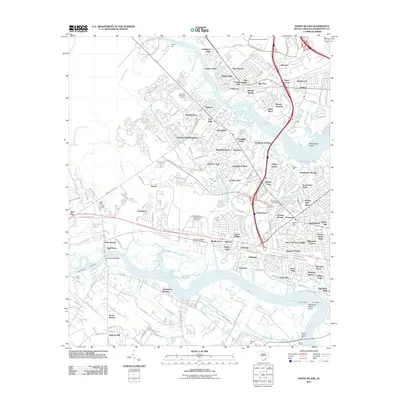 2011 Johns Island2011 Print · USGSCoastal South Carolina comes into focus in this late-career study of the Ashley and Stono riverfronts. Researchers can locate historic sites like Drayton Hall alongside modern local landmarks including Fort Bull and the Buzzards Roost Marina.
 - 2014 Map of Johns Island, 2014 Print
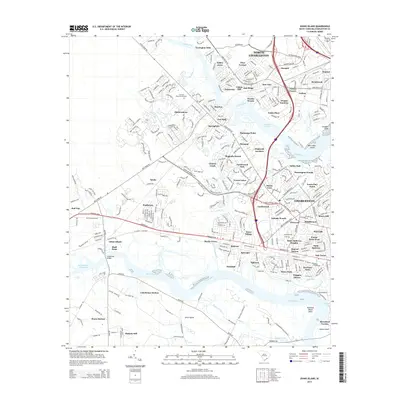 2014 Johns Island2014 Print · USGSIn the South Carolina lowcountry during the early 2010s, modern neighborhoods and tidal marshes define the landscape between the Ashley River and Stono River. Trace local development and genealogy through landmarks like Live Oak Memorial Gardens, Drayton, and Ashley Hall.
 - 2017 Map of Johns Island, 2017 Print
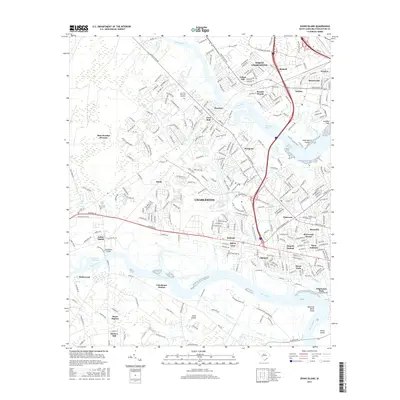 2017 Johns Island2017 Print · USGSCoastal South Carolina comes alive in this contemporary survey of the sea islands and the mainland at the decade's end. Researchers can trace the development of residential neighborhoods like Pinecrest and Oakland or locate historical points of interest such as Fort Bull and Accabee Flats.
 - 2020 Map of Johns Island, 2020 Print
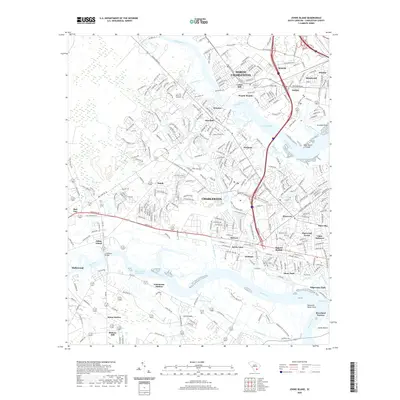 2020 Johns Island2020 Print · USGSThe coastal suburbs of Charleston and the tidal reaches of Johns Island are shown here in the 2020s. Trace local history through landmark sites like Fort Bull, the residential streets of Riverland Terrace, and rail-era locations like Dupont Station.
 - 2024 Map of Johns Island, 2024 Print
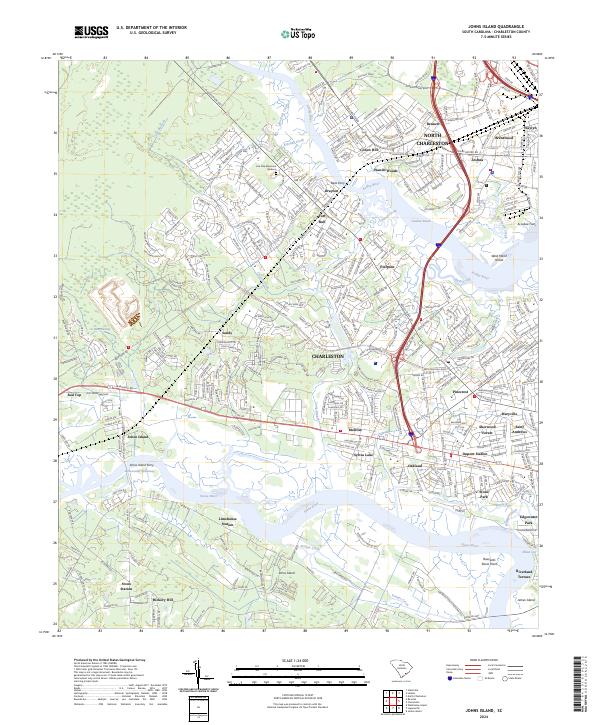 2024 Johns Island2024 Print · USGSThe Charleston coastal region comes to life in this modern survey of the Ashley and Stono riverbanks. Researchers can trace the layout of contemporary neighborhoods like Wando Woods or locate historical points of interest like Fort Bull and Limehouse Station.
End of results
Showing maps 1-17 of 17
Top cities near Indigo Point
- Charleston historical maps
- North Charleston historical maps
- Mount Pleasant historical maps
- Summerville historical maps
- Goose Creek historical maps
- Hanahan historical maps
See more
Frequently asked questions
- What are the different types of historical maps available for Indigo Point?
- What is the oldest map of Indigo Point?
- Where can I purchase historical maps of Indigo Point for my home or office?
- Where can I download high-res historical maps of Indigo Point?
- Are there historical topographic maps available for Indigo Point?
- Is there historical aerial imagery available for Indigo Point?
- Where are historical maps of Indigo Point sourced from?