Old Maps of Greer, South Carolina for Genealogy
Trace your family roots with 42 historic maps of Greer. These high-res maps reveal old neighborhoods, homesites, landmarks, and streets — helping you uncover where your ancestors lived and how the area evolved over time.
- Explore historic neighborhoods: Identify where your relatives may have lived in the 1800s or 1900s.
- Compare maps over time: Trace the changes in streets, buildings, and landmarks for multi-generational research.
- Perfect for genealogy & ancestry research: Used by family historians and researchers to map out lineage and migration.
These maps are an incredible resource for exploring your personal connection to Greer's past.
Greer, SC maps
(42)- 1907 Map of Saluda
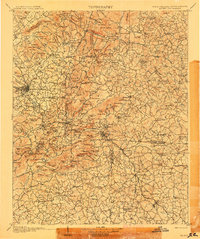 1907 Saluda1907 Print · USGSNorth Carolina's mountain frontier meets the South Carolina foothills in this 1900s survey of the Blue Ridge. Genealogists and researchers can trace the early rail network through Saluda and locate old landmarks like Rockcliff PO and Pleasant Grove Church.3 unique versions available
 - 1935 Map of Greer
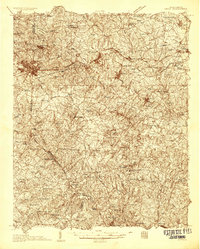 1935 Greer1935 Print · USGSThe industrial textile hubs and rural communities of the South Carolina Piedmont thrive along the rail lines during the mid-thirties. Genealogists and local historians can trace family locations near Victor Mills, Hanson Academy, and numerous country churches like Woods Chapel.
 - 1935 Map of Greenville
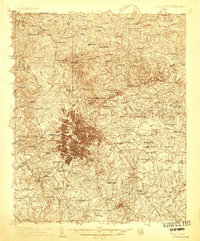 1935 Greenville1935 Print · USGSGreenville and its surrounding Piedmont communities are shown in detail during the mid-1930s as the textile and rail economy expanded. Researchers can find numerous local landmarks like Chick Springs, the Judson Cemetery, and Travelers Rest.
 - 1938 Map of Greenville
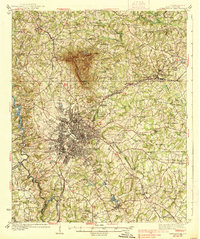 1938 Greenville1938 Print · USGSGreenville and its surrounding textile communities thrive in the mid-1930s as a major Piedmont industrial and rail hub. Researchers can locate numerous rural landmarks like the Rosenwald Sch, trace the Southern RR, or find family sites near Saluda Lake.2 unique versions available
 - 1938 Map of Greer
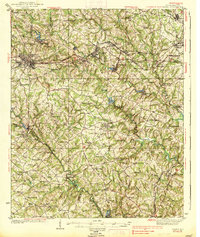 1938 Greer1938 Print · USGSUpstate South Carolina during the mid-1930s was a landscape of bustling textile centers and quiet rural crossroads. Genealogists and historians can trace family roots through numerous local landmarks like Woods Chapel, Jackson Mill, and the CCC Camp near Switzer.3 unique versions available
 - 1954 Map of Greenville, 1965 Print
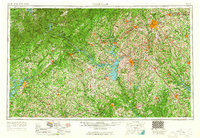 1954 Greenville1965 Print · USGSThe Upstate and Northeast Georgia are captured here during a decade of massive transformation as new reservoirs reshaped the Piedmont. Genealogists and hikers can trace the Appalachian Trail over Brasstown Bald or locate old community centers like Demorest, Westminster, and Royston.3 unique versions available
 - 1955 Map of Knoxville
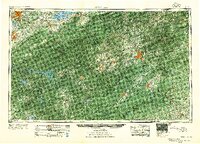 1955 Knoxville1955 Print · USGSThe Southern Appalachians and the Smoky Mountains are shown here at a peak of mid-century development and conservation. Genealogists and historians can trace the early road networks connecting Gatlinburg, Waynesville, and the Cherokee Indian Reservation across the high ridges.
 - 1957 Map of Greer, 1959 Print
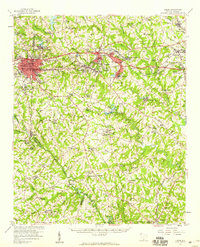 1957 Greer1959 Print · USGSThe Upstate South Carolina textile corridor comes to life in this mid-century survey of the Tyger River valleys. Researchers can trace the industrial footprint of Victor Mills, locate early country churches like Old Pilgrim Ch, and explore the residential growth around Greer and Lyman.2 unique versions available
 - 1957 Map of Greenville, 1959 Print
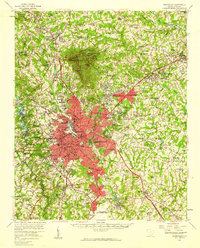 1957 Greenville1959 Print · USGSGreenville and its industrial suburbs are captured during a period of rapid mid-century expansion and military prominence. Genealogists and historians can locate established mill communities like Monaghan, the sprawling Donaldson Air Force Base, and the campuses of Furman University and Bob Jones University.
 - 1957 Map of Knoxville, 1966 Print
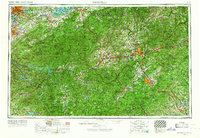 1957 Knoxville1966 Print · USGSThe Southern Appalachians of Tennessee and North Carolina are mapped here during the mid-twentieth century as new highways reached the high country. Genealogists and historians can trace the topography between Knoxville and Asheville, locating family landmarks near Fontana Lake or along the Blue Ridge Parkway.4 unique versions available
 - 1958 Map of Greenville
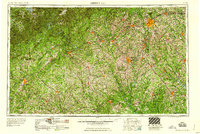 1958 Greenville1958 Print · USGSThe Piedmont and Blue Ridge foothills come alive in this mid-century survey of the Upstate and Northeast Georgia. Trace the regional rail-and-river economy through the Southern Railway corridors and early reservoir developments like Lake Sidney Lanier.
 - 1959 Map of Tigerville, 1963 Print
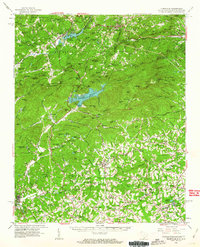 1959 Tigerville1963 Print · USGSThe Carolina borderlands come into focus in the late fifties as the Blue Ridge foothills balance mountain industry and rural education. Researchers can trace the Southern railroad line through Tuxedo or locate local landmarks like North Greenville Junior College and Berrys Millpond.2 unique versions available
 - 1960 Map of Knoxville
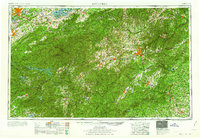 1960 Knoxville1960 Print · USGSThe Southern Appalachians come alive in the 1950s, showing the intersection of new national park tourism and deep-rooted mountain industry. Trace old rail lines like the Clinchfield RR and find high-altitude landmarks from Mt Le Conte to the Cherokee Indian Reservation.2 unique versions available
 - 1964 Map of Knoxville
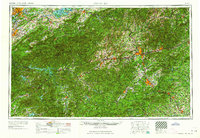 1964 Knoxville1964 Print · USGSThe Southern Appalachians and Great Smokies are captured here during the mid-sixties, showing the rugged borderlands of Tennessee and North Carolina. Researchers can trace historic mountain routes like U S 441, the expanse of Pisgah National Forest, and the growing footprints of Asheville and Knoxville.
 - 1983 Map of Pelham
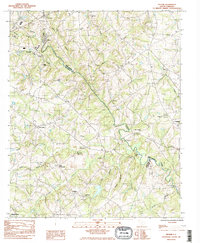 1983 Pelham1983 Print · USGSGreenville and Spartanburg counties met along the Enoree River in the early 1980s, before suburban sprawl significantly altered the landscape. Genealogists can trace early local congregations at Old Pilgrim Ch and family sites like Vaughan Cem.2 unique versions available
 - 1983 Map of Tigerville
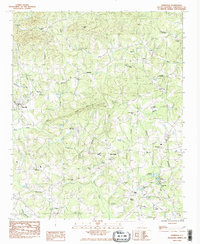 1983 Tigerville1983 Print · USGSTigerville and the upper Tyger River valley are captured in the early 1980s as the rural Greenville County landscape began to modernize. Genealogists and historians can locate the Campbell Covered Bridge, North Greenville Jr College, and numerous family-named landmarks like Berrys Millpond.2 unique versions available
 - 1983 Map of Greer
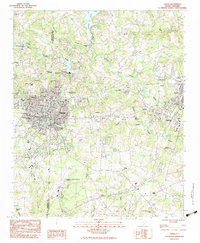 1983 Greer1983 Print · USGSThe industrial and rail corridor of the South Carolina Upstate comes into focus here in the early eighties. Researchers can trace textile heritage and community roots through Victor Mills, Apalache, and old landmarks like Woods Chapel.
 - 1983 Map of Taylors
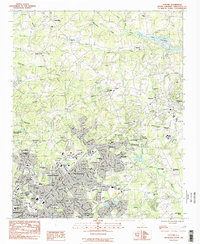 1983 Taylors1983 Print · USGSGreenville County enters a period of rapid suburban transition in the early eighties as residential tracts expand toward the Enoree River. Genealogists and local historians can trace family sites at Jackson Grove Ch Cem, the Southern Bleachery, and Chick Springs.
 - 1984 Map of Greenville
 1984 Greenville1984 Print · USGSThe South Carolina Upstate undergoes rapid suburban growth in the mid-eighties as modern interstates begin to reshape the landscape. Researchers can trace historic rail lines like the Greenville and Northern Railway and locate local landmarks such as Clemson University and Paris Mountain State Park.
 - 1986 Map of Hendersonville
 1986 Hendersonville1986 Print · USGSThe Blue Ridge foothills of North and South Carolina are documented here in the mid-eighties as modern highways began to reshape mountain travel. Local historians can trace the paths of the Southern Railway through Hendersonville or locate landmarks like Looking Glass Rock and Inman Mills.2 unique versions available
 - 1991 Map of Greenville
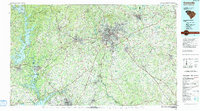 1991 Greenville1991 Print · USGSThe South Carolina Upstate was a landscape of rapid growth and engineering in the early nineties. Researchers can trace the expansion of Greenville and Spartanburg, find Clemson University, or study the massive reservoirs of Hartwell Lake and Lake Keowee.
 - 1994 Map of Greer, 2000 Print
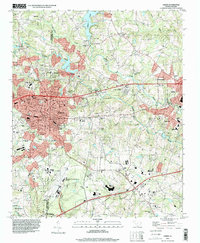 1994 Greer2000 Print · USGSThe industrial corridor between Greenville and Spartanburg comes to life in the mid-1990s as it transitions from its textile roots toward modern regional infrastructure. Genealogists and historians can trace the legacy of local congregations and family landmarks from Victor Mills and Washington Cem to the banks of Lake Lyman.
 - 2011 Map of Tigerville, 2011 Print
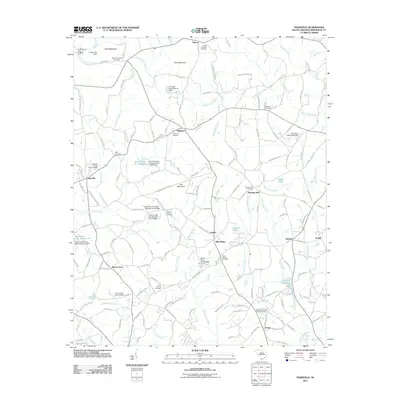 2011 Tigerville2011 Print · USGSUpper Greenville County in the early twenty-first century remains a landscape of traditional upstate settlements and river crossings. Genealogists and local historians can map out dozens of family landmarks, from the Campbell Covered Bridge to the quiet grounds of Ebenezer Cemetery and Berrys Millpond.
 - 2011 Map of Pelham, 2011 Print
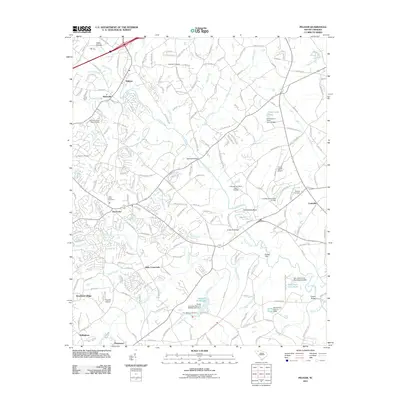 2011 Pelham2011 Print · USGSIn the early twenty-first century, this area near Greer shows the steady expansion of communities like Five Forks and Bells Crossroads. Researchers can locate several regional landmarks including Gibbs Shoals, Mayfield Cemetery, and the Enoree River crossings.
 - 2011 Map of Greer, 2011 Print
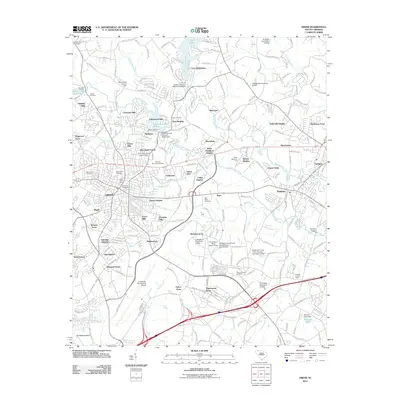 2011 Greer2011 Print · USGSThe industrial corridor between Greer and Lyman is captured here in the early twenty-first century. Researchers can trace textile history at Victor Mills and locate family plots at Zoar Cemetery or New Hope Cemetery.
Showing maps 1-25 of 42
Top cities near Greer
- Greenville historical maps
- Mauldin historical maps
- Simpsonville historical maps
- Wade Hampton historical maps
- Lyman historical maps
- Piedmont historical maps
See more
Top neighborhoods of Greer
- Maplewood historical maps
- Victor Heights historical maps
- Burgiss Hills historical maps
- King Acres historical maps
- Maple historical maps
- The Cottages at Brushy Creek historical maps
See more
Frequently asked questions
- What are the different types of historical maps available for Greer?
- What is the oldest map of Greer?
- Where can I purchase historical maps of Greer for my home or office?
- Where can I download high-res historical maps of Greer?
- Are there historical topographic maps available for Greer?
- Is there historical aerial imagery available for Greer?
- Where are historical maps of Greer sourced from?