Old Maps of Hampton, South Carolina for Metal Detecting
Plan your next treasure hunt with 32 historic maps of Hampton. Find old homesites, ghost towns, trails, and gathering spots that may be lost to time — perfect for identifying promising metal detecting locations.
- Locate forgotten sites: Uncover places like long-lost settlements, abandoned rail lines, or gathering spots.
- Plan better hunts: Use map overlays combined with LiDAR or satellite views to narrow in on historically rich areas.
- Made for detectorists: Thousands of hobbyists use these maps to discover relics, coins, and hidden history.
Use these historic maps to boost your research and find new opportunities beneath the surface of Hampton.
Hampton, SC maps
(32)- 1918 Map of Varnville
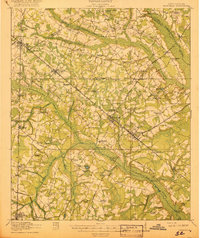 1918 Varnville1918 Print · USGSCoastal South Carolina is depicted just after the Great War, showing a network of rail-dependent towns and timber operations. Genealogists can trace family roots through numerous local landmarks like Prince William Church, Hampton, and Harrison Sawmill.4 unique versions available
 - 1944 Map of Varnville
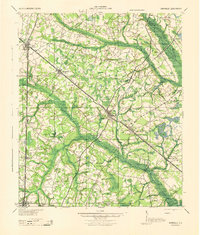 1944 Varnville1944 Print · USGSHampton County was a bustling corridor of rail lines and rural community centers in the mid-1940s. Genealogists can trace family footprints through numerous local landmarks like Rock Hill Ch, Millville Sch, and the junction at Fairfax.
 - 1947 Map of Savannah
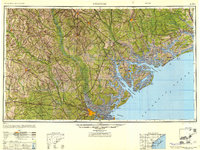 1947 Savannah1947 Print · USGSCoastal Georgia and South Carolina are captured here in the mid-forties, showing the rail-and-river networks of the Lowcountry. Genealogists and researchers can trace old crossroads and river towns from Statesboro to Beaufort, alongside military sites like Camp Stewart and Parris Island.
 - 1948 Map of Savannah
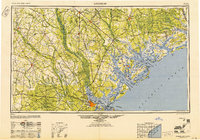 1948 Savannah1948 Print · USGSThe Georgia and South Carolina Lowcountry comes alive in this post-war survey of the coast and its river-fed hinterlands. Genealogists and historians can trace rail lines like the Central of Georgia RR and find established settlements such as Isle of Hope and Sylvania.
 - 1957 Map of Savannah, 1967 Print
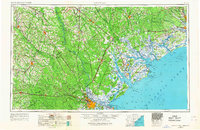 1957 Savannah1967 Print · USGSThe Lowcountry and Georgia coastal plain are shown here in the late fifties, prior to modern expansion. Researchers can trace the rail-and-river economy through the Central of Georgia lines and the Ogeechee River wetlands.4 unique versions available
 - 1960 Map of Savannah
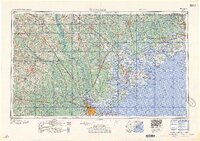 1960 Savannah1960 Print · USGSCoastal Georgia and the South Carolina Lowcountry are captured in the late fifties, showcasing the intricate web of islands and tidal rivers before modern expansion. Researchers can trace the rail lines of the Atlantic Coast Line or locate sites like Parris Island, Beaufort, and the Tybee Lighthouse.
 - 1961 Map of Savannah
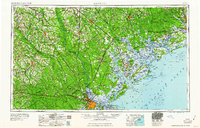 1961 Savannah1961 Print · USGSThe Georgia and South Carolina Lowcountry comes alive in this mid-century survey of coastal marshes, barrier islands, and river networks. Genealogists and historians can trace the paths of the Seaboard Air Line RR, locate family sites near Isle of Hope, or study the grounds of Fort Stewart Military Reservation.2 unique versions available
 - 1981 Map of Sylvania, 1982 Print
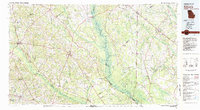 1981 Sylvania1982 Print · USGSThe Georgia and South Carolina borderlands appear in the early 1980s, centered on the river-fed swamps and railroad towns between Sylvania and Estill. Trace family roots and vanished infrastructure along the Central of Georgia line or near Magnolia Springs State Park.
 - 1988 Map of Hampton
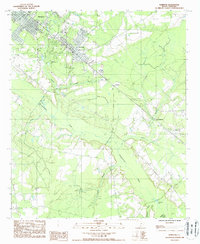 1988 Hampton1988 Print · USGSHampton County in the late 1980s reveals a classic Lowcountry landscape defined by the winding Coosawhatchie River and its many branches. Researchers can trace the development of Hampton and Varnville or locate family landmarks near Lowndes Lake and Almeda.
 - 1988 Map of Fairfax
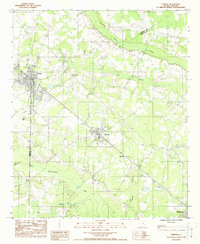 1988 Fairfax1988 Print · USGSThe borderlands of Allendale and Hampton Counties come into focus in the late eighties, centered on the historic rail-and-road junctions of Fairfax and Brunson. Genealogists and local historians can trace family-named water bodies like Jackson Branch or locate rural sites such as Halls Mill and Dukes.
 - 1988 Map of Crocketville
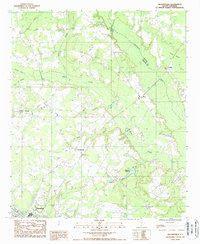 1988 Crocketville1988 Print · USGSHampton County and the Salkehatchie River basin are shown here in the late 1980s as the region maintained its rural character and wetland-dependent economy. Researchers can trace local family landmarks and community centers like Cleland Crossroads, Crocketville, and the historic Maulding Millpond.
 - 1988 Map of Gifford
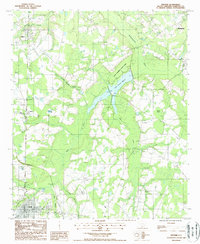 1988 Gifford1988 Print · USGSHampton County's rural landscape is captured here in the late twentieth century as the region balanced its marshy wetlands with established small-town centers. Genealogists and local historians can trace the foundations of Gifford, Luray, and Estill alongside landmarks like Lake Warren State Park and old railroad grades.
 - 2011 Map of Crocketville, 2011 Print
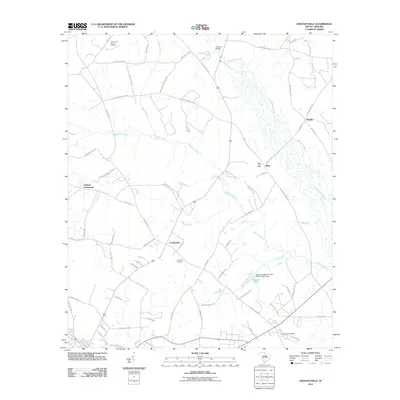 2011 Crocketville2011 Print · USGSHampton County's rural timber and river lands are shown here in the early twenty-first century as they surround the crossroads of Crocketville. Researchers can trace local history through sites like the Miley Post Office, the Gooding Cemetery, and the Jenny and Platts Sawmill.
 - 2011 Map of Fairfax, 2011 Print
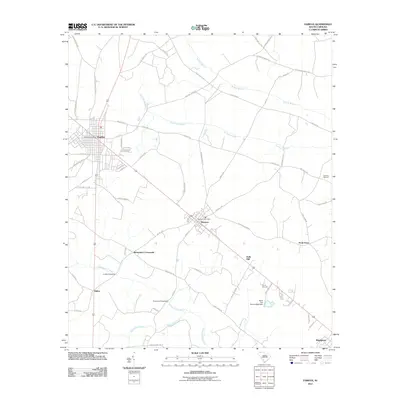 2011 Fairfax2011 Print · USGSThe towns of Fairfax and Brunson appear at a crossroads of modern highways and older rural tracks during the early 2000s. Genealogists and historians can trace family-named sites like Harrison Sawmill, Richardson Crossroads, and the winding Caw Caw Swamp.
 - 2011 Map of Gifford, 2011 Print
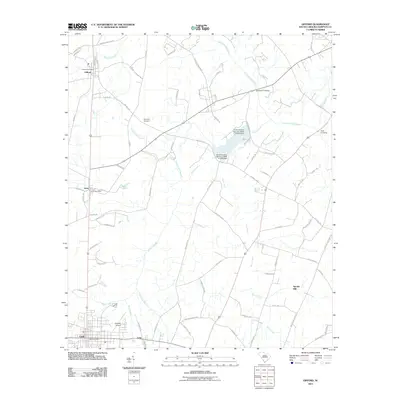 2011 Gifford2011 Print · USGSHampton County in the early twenty-first century maintains its rural character across the drainage basins of the Coosawhatchie River and Brier Creek. Researchers can trace local heritage through sites like Browning Cemetery, the location of Speaks Mill, and the small aviation history of Harpers Airport.
 - 2011 Map of Hampton, 2011 Print
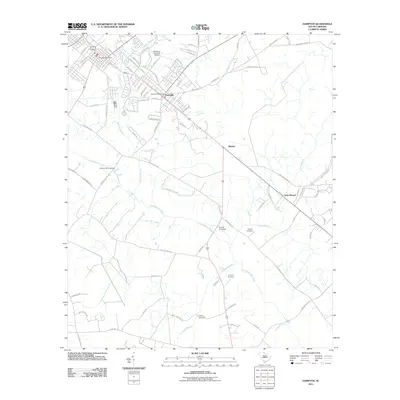 2011 Hampton2011 Print · USGSHampton County at the start of the 2010s reveals a landscape of family-named cemeteries and rural settlements along the Coosawhatchie River. Genealogy researchers can locate the Peeples Cemetery, Thames Cemetery, and the historic Hickory Hill Crossing.
 - 2014 Map of Gifford, 2014 Print
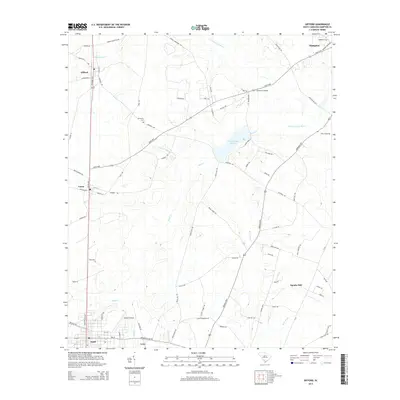 2014 Gifford2014 Print · USGSHampton County in the early twenty-first century remains a landscape of riverine drainages and rural crossroads. Researchers can locate family landmarks like Browning Cem, trace the waters of the Coosawhatchie River, or identify old local centers at Speaks Mill and Johnson Crossing.
 - 2014 Map of Hampton, 2014 Print
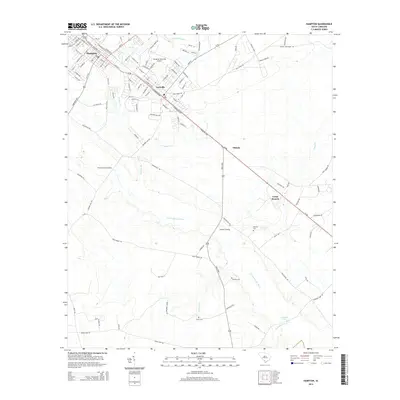 2014 Hampton2014 Print · USGSHampton and Varnville are shown in detail during the early 2010s, highlighting the residential growth and infrastructure of the South Carolina Lowcountry. Researchers can trace family history at Peeples Cem or Thames Cem, and locate crossings such as Tutens Crossing along the Coosawhatchie River.
 - 2014 Map of Crocketville, 2014 Print
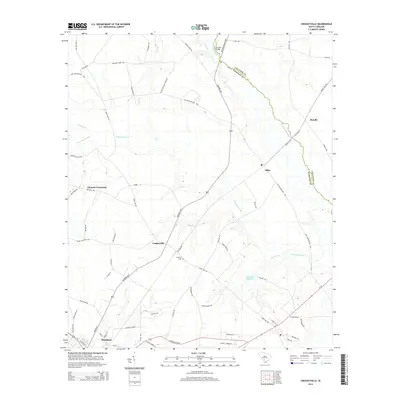 2014 Crocketville2014 Print · USGSHampton County's agricultural and swampy interior is documented here in the early twenty-first century. Researchers can trace family history through the Gooding Cem or locate old community centers like Crocketville, Miley, and the Maulding Millpond.
 - 2014 Map of Fairfax, 2014 Print
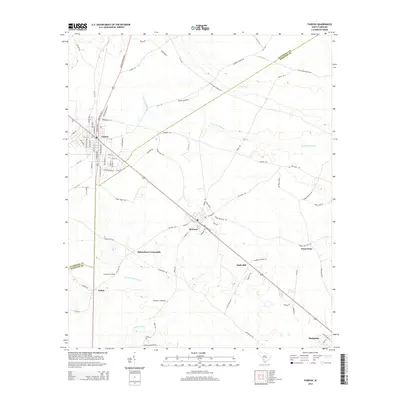 2014 Fairfax2014 Print · USGSThe rural landscape of Allendale and Hampton Counties is revealed here in the early twenty-first century, centered on the towns of Fairfax and Brunson. Genealogists and local historians can trace family-named landmarks and old crossings such as Richardson Crossroads, Halls Mill, and Lovetts Crossing.
 - 2017 Map of Fairfax, 2017 Print
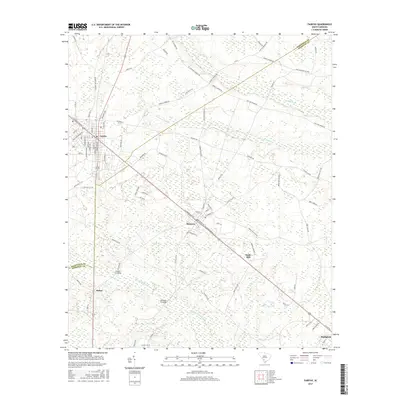 2017 Fairfax2017 Print · USGSAllendale and Hampton counties are shown here as they appeared in the late 2010s, centered on the railroad corridor connecting several small towns. Researchers can trace local history through named crossings and rural landmarks like Lovetts Crossing, Halls Mill, and Brunson.
 - 2017 Map of Crocketville, 2017 Print
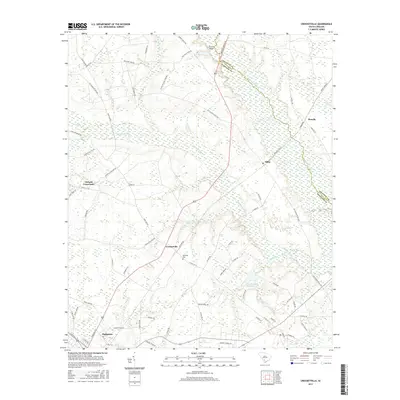 2017 Crocketville2017 Print · USGSHampton County in the late 2010s reveals a landscape where historic crossings and Lowcountry wetlands shape the local geography. Researchers can trace family sites near Crocketville, locate the Gooding Cem, and explore the area around Maulding Millpond.
 - 2017 Map of Gifford, 2017 Print
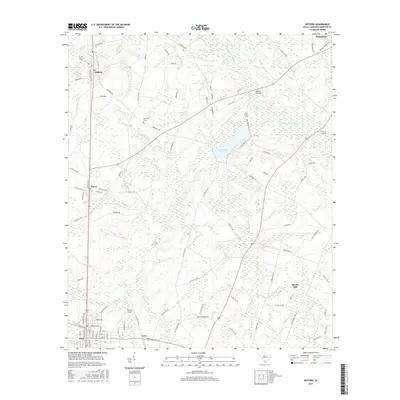 2017 Gifford2017 Print · USGSHampton County settlements and lowcountry river systems are captured in this recent survey. Genealogists and local historians can trace family locations near Gifford, Luray, and Lena, or locate landmarks like Browning Cemetery and Speaks Mill.
 - 2017 Map of Hampton, 2017 Print
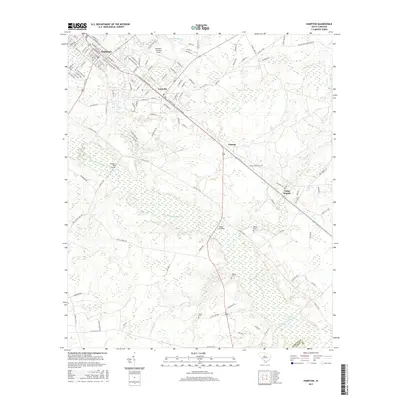 2017 Hampton2017 Print · USGSHampton and Varnville stand as the primary hubs of this South Carolina lowcountry landscape in the late 2010s. Genealogists and local historians can trace family ties at Peeples Cem, Thames Cem, and Smith Cem, or follow the Coosawhatchie River to Tütens Crossing.
 - 2020 Map of Gifford, 2020 Print
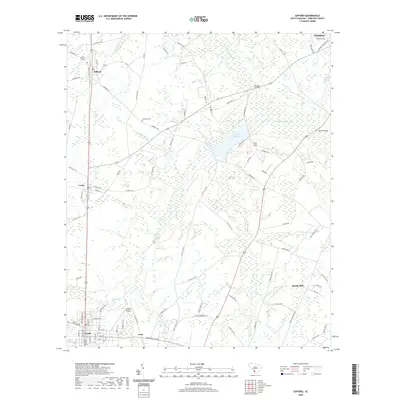 2020 Gifford2020 Print · USGSHampton County is documented here in the early twenty-first century as a landscape of timbered wetlands and rural crossroads. You can trace family roots and local industry at Browning Cem, Speaks Mill, and the small community of Gifford.
Showing maps 1-25 of 32
Top cities near Hampton
- Allendale historical maps
- Fairfax historical maps
- Estill historical maps
- Varnville historical maps
- Brunson historical maps
- Ehrhardt historical maps
See more
Frequently asked questions
- What are the different types of historical maps available for Hampton?
- What is the oldest map of Hampton?
- Where can I purchase historical maps of Hampton for my home or office?
- Where can I download high-res historical maps of Hampton?
- Are there historical topographic maps available for Hampton?
- Is there historical aerial imagery available for Hampton?
- Where are historical maps of Hampton sourced from?