Old Maps of Jassemine Place, South Carolina
Explore 28 old maps of Jassemine Place, spanning from 1904 to today. These high-resolution historic maps reveal how streets, neighborhoods, landmarks, and natural features evolved over time — perfect for genealogy, metal detecting, research, and local history exploration.
What you can do with these maps:
- See how Jassemine Place changed over time: Compare historical maps to modern-day views to trace roads, homesites, rail lines & more.
- View detailed metadata: Each map includes creators, publishers, year, scale, and archive source.
- Overlay maps with satellite & LiDAR: Visualize the past alongside modern tools to explore terrain & human change.
- Trusted historical sources: Maps sourced from the USGS, Library of Congress, and other archives.
- Access maps your way: View online, download high-res files, or order prints for personal or research use.
Start exploring old maps of Jassemine Place to uncover forgotten places, hidden landmarks, and the deep history beneath your feet.
Jassemine Place, SC maps
(28)- 1904 Map of Columbia
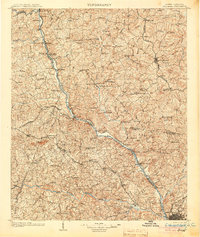 1904 Columbia1904 Print · USGSRichland and Fairfield counties at the turn of the century are defined by their river-and-rail corridors and rural church communities. Genealogists can trace family footprints across Broad River ferries, the Southern R.R., and landmarks like The Old Brick Church or Winnsboro.2 unique versions available
 - 1941 Map of Spartanburg
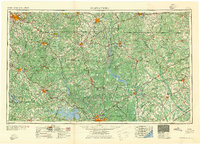 1941 Spartanburg1941 Print · USGSSouth Carolina’s Piedmont and Sandhills regions are shown here during the mid-century peak of the rail era. Researchers can trace the sprawling Fort Jackson Military Reservation and the industrial growth of hubs like Spartanburg and Rock Hill.
 - 1944 Map of Edmund, 1966 Print
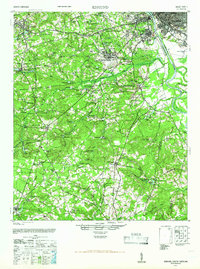 1944 Edmund1966 Print · USGSLexington County and the southern fringes of Columbia are shown in detail during the final years of World War II. Researchers can locate family landmarks like Saxe Gotha Sch, the Columbia Air Base, and Huckabaas Millpond.
 - 1946 Map of Irmo, 1968 Print
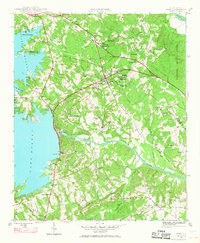 1946 Irmo1968 Print · USGSMid-century Richland and Lexington Counties are caught in transition as the hydroelectric power of the Saluda River reshapes the land. Researchers can trace rural school locations like Rosenwald Sch and historical churches such as St Andrews Ch or Pilgrim Ch.
 - 1948 Map of Irmo
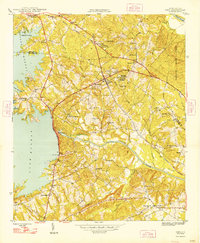 1948 Irmo1948 Print · USGSThe Irmo area of South Carolina thrived as a railway and agricultural hub in the mid-forties, just as the Saluda River's transformation was complete. Genealogists and historians can trace institutional roots at the Harbison Institute or locate family plots at Upper Pine Grove Cem and Lower Pine Grove Cem.2 unique versions available
 - 1953 Map of Spartanburg, 1966 Print
 1953 Spartanburg1966 Print · USGSMid-century South Carolina comes into focus through this survey of the Piedmont and the Sand Hills at a time of significant reservoir expansion. Researchers can trace the legacy of industrial transit and resource extraction from the Haile Gold Mine to the rail hubs of the Seaboard Air Line.4 unique versions available
 - 1954 Map of Augusta
 1954 Augusta1954 Print · USGSThe Savannah River valley and South Carolina Midlands are captured here during a period of post-war growth. Researchers can trace the rail-and-river economy through the Southern RR corridor and locate historic settlements like Aiken, Orangeburg, and Sumter.
 - 1957 Map of Augusta, 1966 Print
 1957 Augusta1966 Print · USGSThe Savannah River and Santee basins are captured here during a period of massive military and industrial expansion in the late fifties. Genealogists can trace family footprints across Four Hole Swamp or near the Savannah River Plant.3 unique versions available
 - 1958 Map of Augusta
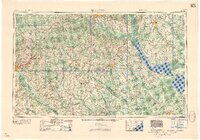 1958 Augusta1958 Print · USGSThe borderlands between Georgia and South Carolina come alive in the 1950s, showing the early footprint of the Savannah River Plant. Genealogists and historians can trace rail-dependent towns and rural landmarks from Orangeburg to the Fort Jackson Military Reservation.
 - 1960 Map of Spartanburg
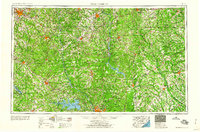 1960 Spartanburg1960 Print · USGSThe South Carolina Piedmont and North Carolina borderlands come alive in this mid-century survey of the region between Spartanburg and Columbia. Researchers can trace the Seaboard Air Line railroad and explore landmarks like Anderson Quarry, Lake Murray, and Mount Croghan.2 unique versions available
 - 1961 Map of Augusta
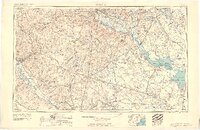 1961 Augusta1961 Print · USGSThe South Carolina lowcountry and CSRA appear here in the early sixties, during a period of massive military and industrial growth. Researchers can trace the development of the Savannah River Plant or locate legacy landmarks like Nelson Ferry and Magnolia Cemetery.2 unique versions available
 - 1962 Map of Augusta
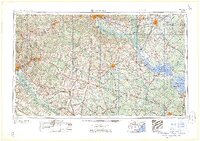 1962 Augusta1962 Print · USGSThe South Carolina and Georgia borderlands are seen here in the early sixties, showing the rise of the Savannah River Plant and the expansion of Fort Jackson. Researchers can trace old rail lines like the Southern Railway and find landmarks such as St. Pauls Church or the Santee Canal.
 - 1963 Map of Spartanburg
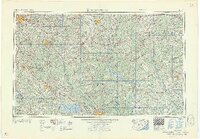 1963 Spartanburg1963 Print · USGSMid-century South Carolina comes alive in this survey, showing the rail-linked corridor between the Upstate and the Midlands. Genealogists can trace family lands near old hubs like Union and Lancaster, or along the banks of the Broad River and Pee Dee River.
 - 1964 Map of Spartanburg
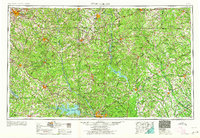 1964 Spartanburg1964 Print · USGSMid-century South Carolina comes alive in this survey of the Piedmont and Upcountry, stretching from the Blue Ridge foothills to the Sandhills. Genealogists and historians can trace the rail-and-river economy through Monarch Mills, Glenn Springs, and the Southern Railway corridor.
 - 1971 Map of Irmo, 1973 Print
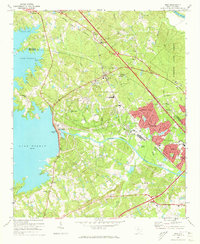 1971 Irmo1973 Print · USGSThe Irmo area was undergoing significant suburban growth in the early seventies as new neighborhoods expanded toward the shores of Lake Murray. Local researchers can trace the historic Columbia Newberry and Laurens rail line through Irmo and locate family landmarks like the Harbison Institute and Pilgrim Ch Cem.4 unique versions available
 - 1972 Map of Lexington, 1974 Print
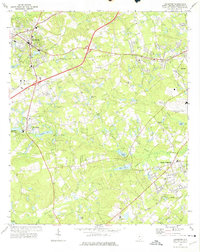 1972 Lexington1974 Print · USGSLexington and its surrounding communities are shown during a time of mid-century growth and industrial change. Genealogists and researchers can trace family-named water bodies like Shealy Pond and historic congregations including Nazareth Ch and Bethany Ch.3 unique versions available
 - 1983 Map of Aiken, 1984 Print
 1983 Aiken1984 Print · USGSThe Savannah River valley and South Carolina sandhills are shown in detail during the early eighties, as industry and education expanded. Researchers can trace the rail corridors of the Southern and Seaboard Coast Line through communities like Graniteville and Leesville.
 - 1986 Map of Newberry
 1986 Newberry1986 Print · USGSSouth Carolina's Piedmont region is shown here in the mid-1980s, revealing a landscape of historic crossroads and industrial mill villages. Researchers can trace family roots through landmarks like Lynch Woods Cem, New Hope Church, and the campus of Presbyterian College.2 unique versions available
 - 2011 Map of Irmo, 2011 Print
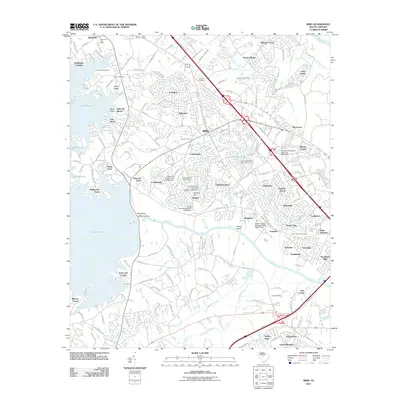 2011 Irmo2011 Print · USGSThe suburbs northwest of Columbia were expanding rapidly during the first decade of the millennium. Local researchers can trace family landmarks like the Bauknight Cemetery and Zion Cemetery or follow the shoreline from Hollywood Point to the massive Saluda Dam.
 - 2011 Map of Lexington, 2011 Print
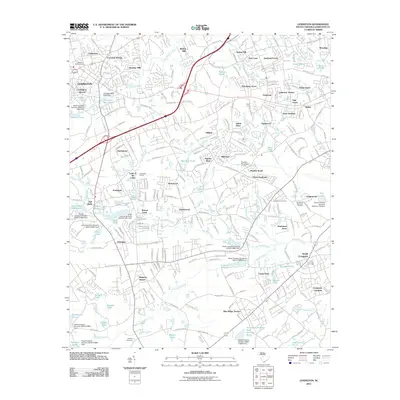 2011 Lexington2011 Print · USGSLexington and its surrounding residential communities are documented here during a period of significant suburban growth. Researchers can locate family landmarks like George Gross Cemetery, historic water sites such as Saxe-Gotha Millpond, and established neighborhoods like Three Fountains.
 - 2014 Map of Lexington, 2014 Print
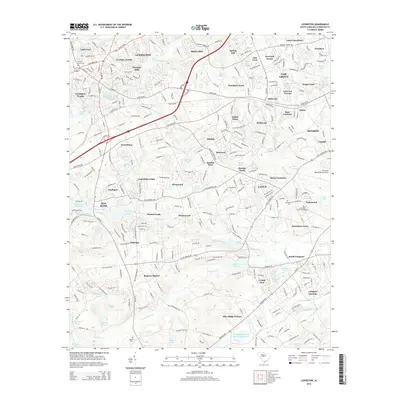 2014 Lexington2014 Print · USGSThe suburbs of Lexington and Red Bank are shown here in the early twenty-first century as modern growth follows historical watercourses. Genealogists can trace family roots at George Gross Cem and Bethany Cem or locate the site of the old Saxe-Gotha Millpond.
 - 2014 Map of Irmo, 2014 Print
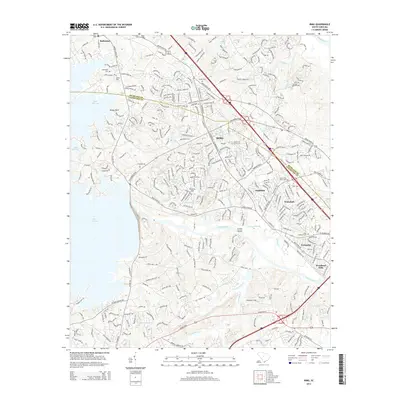 2014 Irmo2014 Print · USGSGreater Irmo and the Lake Murray shoreline are captured in detail during a period of rapid suburban growth in the mid-2010s. Genealogists and local researchers can locate family sites at Bauknight Cem, Golden Cem, and the historic Salem Church.
 - 2017 Map of Lexington, 2017 Print
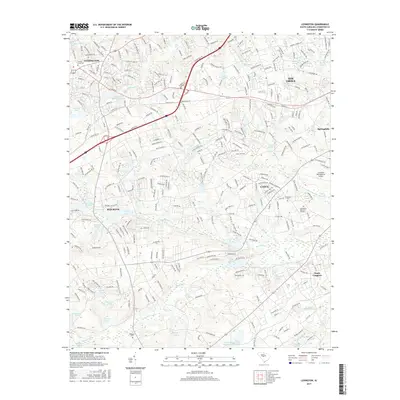 2017 Lexington2017 Print · USGSLexington and the suburban corridor west of the Congaree River are captured here during a period of steady growth. Researchers can locate family burial sites at George Gross Cem and trace the industrial legacy of Saxe-Gotha Millpond or the Lexington Mill Pond.
 - 2017 Map of Irmo, 2017 Print
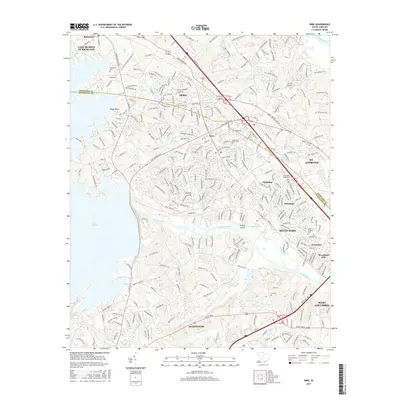 2017 Irmo2017 Print · USGSRichland and Lexington counties come together here at the turn of the millennium, showing the dense growth northwest of Columbia. Local historians can trace family roots through several old burial grounds like Bauknight Cem or follow the shoreline of Lake Murray past Rocky Point.
 - 2020 Map of Lexington, 2020 Print
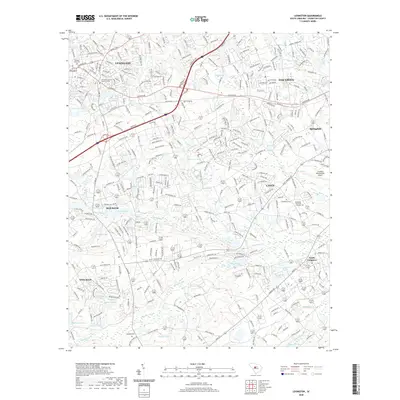 2020 Lexington2020 Print · USGSLexington and its surrounding suburbs are shown here in the early twenty-first century as the area transitioned into a major residential and transportation hub. Researchers can locate ancestral sites like George Gross Cem or trace the drainage of Red Bank Cr and Congaree Creek.
Showing maps 1-25 of 28
Frequently asked questions
- What are the different types of historical maps available for Jassemine Place?
- What is the oldest map of Jassemine Place?
- Where can I purchase historical maps of Jassemine Place for my home or office?
- Where can I download high-res historical maps of Jassemine Place?
- Are there historical topographic maps available for Jassemine Place?
- Is there historical aerial imagery available for Jassemine Place?
- Where are historical maps of Jassemine Place sourced from?