Old Maps of Locust Tree Landing, South Carolina
Explore 11 old maps of Locust Tree Landing, spanning from 1946 to today. These high-resolution historic maps reveal how streets, neighborhoods, landmarks, and natural features evolved over time — perfect for genealogy, metal detecting, research, and local history exploration.
What you can do with these maps:
- See how Locust Tree Landing changed over time: Compare historical maps to modern-day views to trace roads, homesites, rail lines & more.
- View detailed metadata: Each map includes creators, publishers, year, scale, and archive source.
- Overlay maps with satellite & LiDAR: Visualize the past alongside modern tools to explore terrain & human change.
- Trusted historical sources: Maps sourced from the USGS, Library of Congress, and other archives.
- Access maps your way: View online, download high-res files, or order prints for personal or research use.
Start exploring old maps of Locust Tree Landing to uncover forgotten places, hidden landmarks, and the deep history beneath your feet.
Locust Tree Landing, SC maps
(11)- 1946 Map of Johnsonville
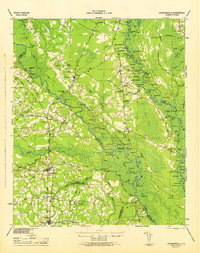 1946 Johnsonville1946 Print · USGSThe Pee Dee River basin and its surrounding swamplands are captured here in the mid-1940s, showing a landscape defined by river landings and rural crossroads. Genealogists and historians can locate dozens of country churches and schools, from Buzzard Skull Ch to the Gunter Island School.
 - 1949 Map of Georgetown, 1953 Print
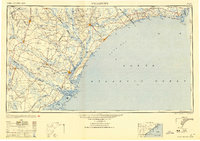 1949 Georgetown1953 Print · USGSThe South Carolina coast and North Carolina borderlands appear here in the mid-century, prior to the major modern development of the Grand Strand. Genealogists and historians can trace the rail networks of the Seaboard Air Line Railroad and locate coastal landmarks from Fort Caswell to McClellanville.
 - 1967 Map of Georgetown
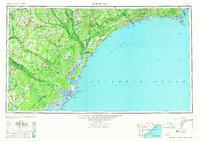 1967 Georgetown1967 Print · USGSThe South Carolina Lowcountry and Grand Strand meet in the late sixties, showcasing a coastal landscape transitioning from river-based industry to seaside tourism. Researchers can trace the Intracoastal Waterway past Georgetown or locate historical sites like Fort Fisher and Murrells Inlet.
 - 1974 Map of Georgetown, 1978 Print
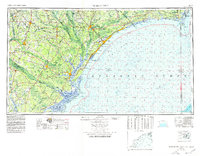 1974 Georgetown1978 Print · USGSThe Carolina coast and Pee Dee region are shown here in the mid-seventies, just as the Grand Strand was maturing into a premier destination. Researchers can trace the inland rail corridors of the Seaboard Coast Line Railroad or explore the coastal reaches of the Cape Romain National Wildlife Refuge and Myrtle Beach State Park.2 unique versions available
 - 1986 Map of Kingstree
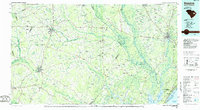 1986 Kingstree1986 Print · USGSThe South Carolina Lowcountry in the mid-eighties shows a landscape defined by the Black River and the growing coastal communities of the Grand Strand. Researchers can trace historic river settlements and rail stops like Salters Depot, Pamplico, and Hemingway.2 unique versions available
 - 1990 Map of Brittons Neck
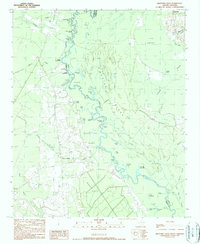 1990 Brittons Neck1990 Print · USGSThe river landings and deep wetlands of the South Carolina Lowcountry are captured here during the late twentieth century. Genealogists and local historians can trace family ties through Brittons Neck and remote river access points like Locust Tree Landing and Hughes Landing.
 - 2011 Map of Brittons Neck, 2011 Print
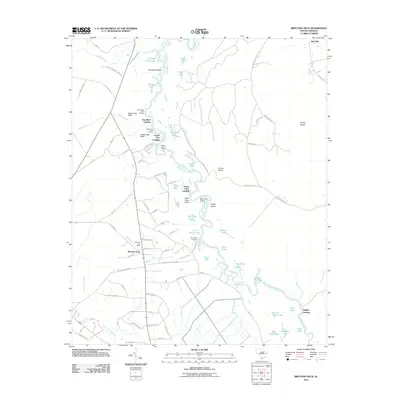 2011 Brittons Neck2011 Print · USGSMarion County's riverine landscape is showcased in the early twenty-first century as the winding channel of the Little Pee Dee River shapes the local geography. Researchers can trace historical river access at Peters Ferry Landing, locate the Gresham Post Office, and explore the wetlands around Brittons Neck.
 - 2014 Map of Brittons Neck, 2014 Print
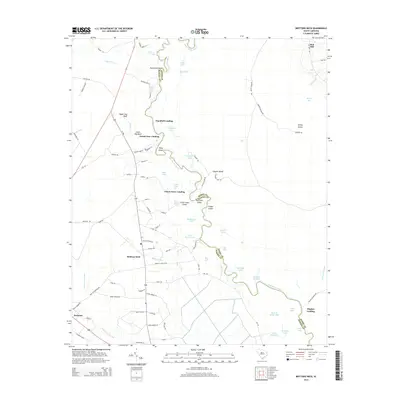 2014 Brittons Neck2014 Print · USGSThe Little Pee Dee River basin in the early 2010s reveals a landscape defined by its historic landings and swampy islands. Genealogists and local researchers can trace family lands near Brittons Neck, Peters Ferry Landing, and Red Hill along this Marion County waterway.
 - 2017 Map of Brittons Neck, 2017 Print
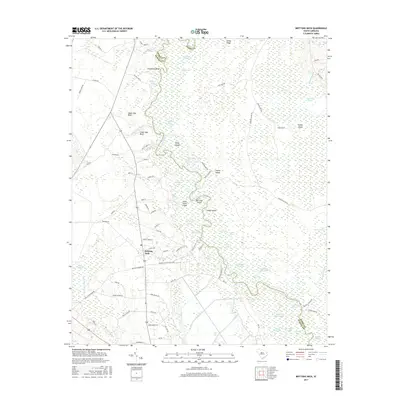 2017 Brittons Neck2017 Print · USGSBrittons Neck and the winding Little Pee Dee River are captured here in the early twenty-first century. Researchers can trace rural family homesteads and natural landmarks like Upper Dog Bluff, Giles Bay, and Jack Lake along the swampy county line.
 - 2020 Map of Brittons Neck, 2020 Print
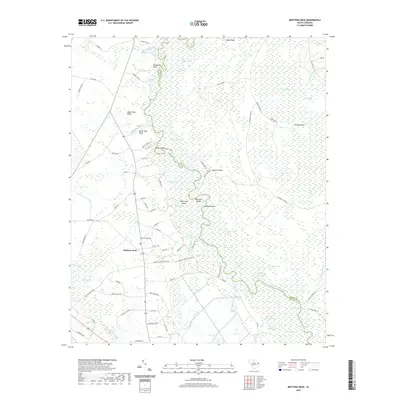 2020 Brittons Neck2020 Print · USGSBrittons Neck and the surrounding Carolina wetlands are captured here in the contemporary era. Researchers can trace the winding Little Pee Dee River past landmarks like Upper Dog Bluff, Indigo Island, and Giles Bay.
 - 2024 Map of Brittons Neck, 2024 Print
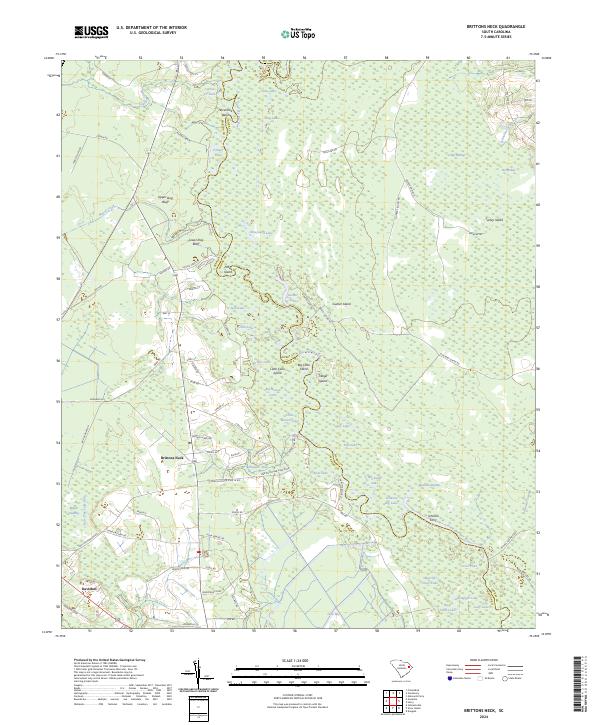 2024 Brittons Neck2024 Print · USGSBrittons Neck and the winding Little Pee Dee River corridor are captured here in the contemporary era. Genealogists and local researchers can trace the river's historic crossings at Johnson Ferry and locate inland settlements like Daviston and Brittons Neck.
End of results
Showing maps 1-11 of 11
Top cities near Locust Tree Landing
- Conway historical maps
- Marion historical maps
- Johnsonville historical maps
- Pamplico historical maps
- Aynor historical maps
- Hemingway historical maps
See more
Frequently asked questions
- What are the different types of historical maps available for Locust Tree Landing?
- What is the oldest map of Locust Tree Landing?
- Where can I purchase historical maps of Locust Tree Landing for my home or office?
- Where can I download high-res historical maps of Locust Tree Landing?
- Are there historical topographic maps available for Locust Tree Landing?
- Is there historical aerial imagery available for Locust Tree Landing?
- Where are historical maps of Locust Tree Landing sourced from?