Old Maps of Richland County, South Carolina for Academic Research
Study the evolution of Richland County with 200 high-resolution historic maps. Whether you're teaching, researching, or modeling changes in land use, these maps provide essential visual documentation of urban, environmental, and geographic change.
- Analyze long-term change: Track patterns in development, transportation, and natural features.
- Ideal for environmental or urban studies: Support academic projects with primary historical map data.
- Use in the classroom or lab: Educators and researchers rely on these maps to bring historical context to life.
These maps are a powerful tool for teaching, research, and visualizing how Richland County has changed over the decades.
Richland County, SC maps
(200)- 1904 Map of Columbia
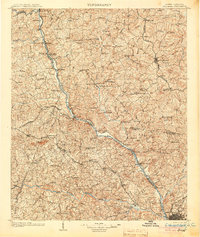 1904 Columbia1904 Print · USGSRichland and Fairfield counties at the turn of the century are defined by their river-and-rail corridors and rural church communities. Genealogists can trace family footprints across Broad River ferries, the Southern R.R., and landmarks like The Old Brick Church or Winnsboro.2 unique versions available
 - 1935 Map of Killian
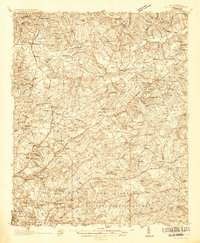 1935 Killian1935 Print · USGSRichland County at the height of the mid-1930s is a landscape of rural schoolhouses and growing military infrastructure. Genealogists can trace family landmarks like Kelley Cem, Bookman Mill, and dozens of local churches including Roundtop Ch.2 unique versions available
 - 1937 Map of Killian
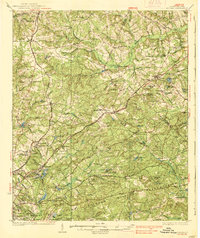 1937 Killian1937 Print · USGSRichland and Kershaw counties in the mid-1930s show a landscape of growing military installations and rural community life. Genealogists can trace family names through dozens of landmarks like Bookmans Mill, Sand Level Sch, and Union Baptist Ch.4 unique versions available
 - 1938 Map of Hagood
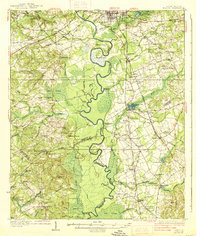 1938 Hagood1938 Print · USGSThe Wateree River basin comes to life in this pre-war study of the Kershaw and Sumter county borderlands. Researchers can trace the river's old crossings and mills at Ancrum Ferry and Boykin Mill Pond, alongside historic schools like Kershaw Industrial Sch.3 unique versions available
 - 1941 Map of Spartanburg
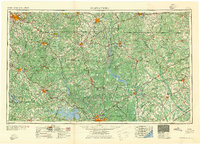 1941 Spartanburg1941 Print · USGSSouth Carolina’s Piedmont and Sandhills regions are shown here during the mid-century peak of the rail era. Researchers can trace the sprawling Fort Jackson Military Reservation and the industrial growth of hubs like Spartanburg and Rock Hill.
 - 1942 Map of Camden
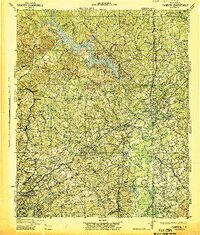 1942 Camden1942 Print · USGSMid-century South Carolina comes into focus along the Wateree River as the region's rail and agricultural networks reached their peak. Genealogists and historians can trace old community hubs like Boykin Mill, Friends Neck Ch, and the grounds of the Sand Hill Experimental Station.
 - 1943 Map of Eastover, 1953 Print
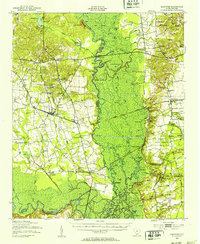 1943 Eastover1953 Print · USGSIn the early 1940s, the rural landscapes of Richland and Sumter counties centered on the river junctions and thriving rail lines. Genealogists can trace family landmarks like Good Hope Ch and Bethel Sch or follow the path of the Kings Highway.
 - 1944 Map of Edmund, 1966 Print
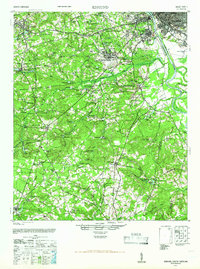 1944 Edmund1966 Print · USGSLexington County and the southern fringes of Columbia are shown in detail during the final years of World War II. Researchers can locate family landmarks like Saxe Gotha Sch, the Columbia Air Base, and Huckabaas Millpond.
 - 1946 Map of Elloree
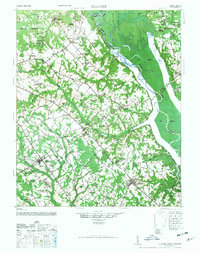 1946 Elloree1946 Print · USGSCoastal plain settlements and rising reservoir waters define this mid-1940s landscape in the Santee River basin. Genealogists and historians can trace the foundations of Langsynt Plantation, locate numerous rural churches like Mizpah Ch, or study the rail corridor through Lone Star.2 unique versions available
 - 1946 Map of Irmo, 1968 Print
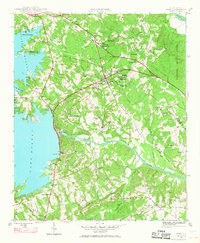 1946 Irmo1968 Print · USGSMid-century Richland and Lexington Counties are caught in transition as the hydroelectric power of the Saluda River reshapes the land. Researchers can trace rural school locations like Rosenwald Sch and historical churches such as St Andrews Ch or Pilgrim Ch.
 - 1947 Map of Columbia North, 1965 Print
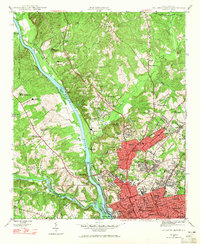 1947 Columbia North1965 Print · USGSColumbia and its northern suburbs are captured in detail just after the war, showing the capital's rapid expansion into Eau Claire and Arden. Local historians can trace institutional history through the State Hospital, Allen Univ, and the State Penitentiary along the Broad River.
 - 1947 Map of Richtex, 1969 Print
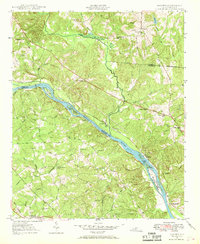 1947 Richtex1969 Print · USGSRichland and Fairfield counties meet along the Broad River in the late 1940s, showing a landscape of river-bend settlements and rural rail stops. Local historians can locate numerous small-community landmarks like Zion Pilgrim Ch, the Leitner Grove Sch & Cem, and the river crossing at Ashley Bridge.
 - 1948 Map of Hopkins
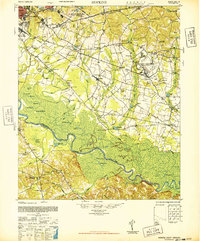 1948 Hopkins1948 Print · USGSRichland and Calhoun counties are captured here just after the war, showing the expansion of federal military sites into the rural South Carolina landscape. Genealogists can locate family-named landmarks like Coughmans Pond and dozens of country schools including Lower Richland High Sch and Hopkins Sch.3 unique versions available
 - 1948 Map of Irmo
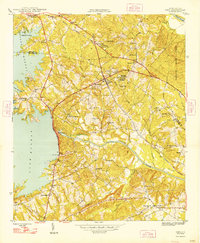 1948 Irmo1948 Print · USGSThe Irmo area of South Carolina thrived as a railway and agricultural hub in the mid-forties, just as the Saluda River's transformation was complete. Genealogists and historians can trace institutional roots at the Harbison Institute or locate family plots at Upper Pine Grove Cem and Lower Pine Grove Cem.2 unique versions available
 - 1948 Map of Columbia North
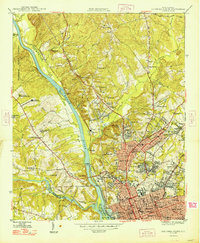 1948 Columbia North1948 Print · USGSColumbia and its northern suburbs are documented in the late 1940s as the city expanded across the Congaree and Broad River forks. Genealogists can trace family landmarks and historical sites including the Soldiers Home, Slatestone Graveyard Hill Cem, and Benedict College.2 unique versions available
 - 1949 Map of Richtex
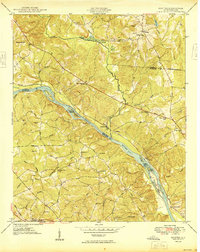 1949 Richtex1949 Print · USGSMid-century Fairfield and Richland counties are captured here along the banks of the Broad River just after the war. Local historians can trace family roots through numerous landmarks like Haltiwanger Cem, Wallaceville Sch, and the riverside stop at Richtex.
 - 1949 Map of Irmo NE
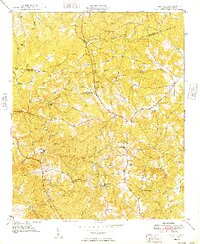 1949 Irmo NE1949 Print · USGSThe border of Richland and Fairfield counties is captured here in the late 1940s, showing a rural landscape of scattered homesteads and community schools. Researchers can locate family landmarks and early congregations including Taylor Chapel Ch, St Andrews Ch, and the Wirick Cem.
 - 1953 Map of Messers Pond, 1957 Print
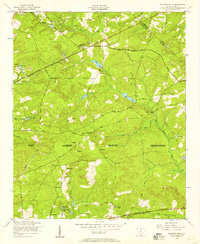 1953 Messers Pond1957 Print · USGSThe Richland and Kershaw county line is captured here in the mid-fifties, primarily within the bounds of the Fort Jackson Military Reservation. Researchers can trace old family sites and rural landmarks like Spears Creek Church and Cemetery and the Richland County Convalescent Home.
 - 1953 Map of Saylors Lake, 1957 Print
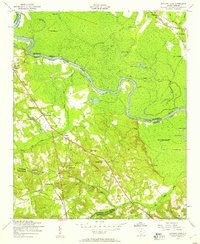 1953 Saylors Lake1957 Print · USGSThe Congaree River bottomlands and Calhoun County hills are captured here in the early fifties, showing a rural landscape of family cemeteries and country churches. Genealogists can trace sites like Kaigler Cemetery, Heyward School, and Sandy Run Church.
 - 1953 Map of Poinsett State Park, 1957 Print
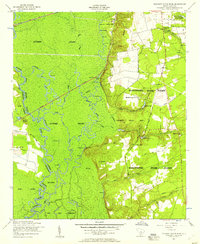 1953 Poinsett State Park1957 Print · USGSSumter County was a landscape of deep river swamps and timbered ridges in the early fifties. Genealogists and historians can locate rural landmarks like Orange Hill School, the Melrose Historical Home, and the Bloom Hill Cemetery.4 unique versions available
 - 1953 Map of Fort Jackson South, 1957 Print
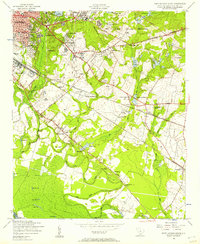 1953 Fort Jackson South1957 Print · USGSMid-century Richland County emerges as a landscape of suburban growth and military activity just outside the state capital. Genealogists and local historians can trace rural communities like Lykesland and Hopkins alongside institutional landmarks like Rock Hill School and Zion Chapel No 2.
 - 1953 Map of Blythewood, 1957 Print
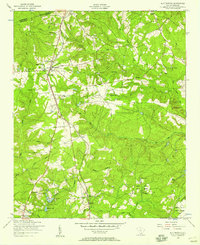 1953 Blythewood1957 Print · USGSMid-century Richland County is captured here at a time when rural schoolhouses and local rail lines still shaped the community north of Columbia. Genealogists can trace family footprints at Browns Cemetery or follow the SOUTHERN railroad through Blythewood and Killian.
 - 1953 Map of Eastover, 1957 Print
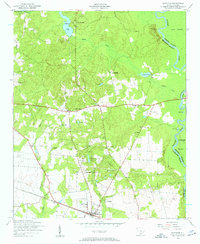 1953 Eastover1957 Print · USGSRichland County at the start of the 1950s reveals a landscape of rural schoolhouses and established country churches near the Wateree basin. Genealogists can trace family roots through landmarks like Goodwill Church, Shiloh School, and the Richland County Chain Gang Camp No. 1.4 unique versions available
 - 1953 Map of Fort Jackson North, 1957 Print
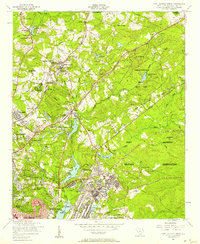 1953 Fort Jackson North1957 Print · USGSMid-century Richland County is caught in transition as the outskirts of Columbia expand toward the Fort Jackson Military Reservation. Researchers can trace the development of early suburbs like Forest Acres alongside older landmarks like the South Carolina Sanatorium and the Alta Vista Drive-In Theater.2 unique versions available
 - 1953 Map of Wedgefield, 1957 Print
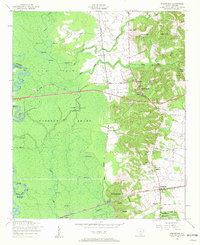 1953 Wedgefield1957 Print · USGSSumter County settlement at mid-century reveals the sharp contrast between the dense Wateree River bottomlands and the historic High Hills of Santee. Genealogists and local historians can trace the foundations of Stateburg, find General Sumters Tomb, and locate rural landmarks like Wayman Chapel and Hiawatha School.3 unique versions available
Showing maps 1-25 of 200
Top cities of Richland County
- Columbia historical maps
- Forest Acres historical maps
- Blythewood historical maps
- Arcadia Lakes historical maps
- Eastover historical maps
Frequently asked questions
- What are the different types of historical maps available for Richland County?
- What is the oldest map of Richland County?
- Where can I purchase historical maps of Richland County for my home or office?
- Where can I download high-res historical maps of Richland County?
- Are there historical topographic maps available for Richland County?
- Is there historical aerial imagery available for Richland County?
- Where are historical maps of Richland County sourced from?