Old Maps of Eastmont, South Carolina for Academic Research
Study the evolution of Eastmont with 15 high-resolution historic maps. Whether you're teaching, researching, or modeling changes in land use, these maps provide essential visual documentation of urban, environmental, and geographic change.
- Analyze long-term change: Track patterns in development, transportation, and natural features.
- Ideal for environmental or urban studies: Support academic projects with primary historical map data.
- Use in the classroom or lab: Educators and researchers rely on these maps to bring historical context to life.
These maps are a powerful tool for teaching, research, and visualizing how Eastmont has changed over the decades.
Eastmont, SC maps
(15)- 1948 Map of Hopkins
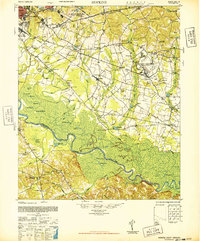 1948 Hopkins1948 Print · USGSRichland and Calhoun counties are captured here just after the war, showing the expansion of federal military sites into the rural South Carolina landscape. Genealogists can locate family-named landmarks like Coughmans Pond and dozens of country schools including Lower Richland High Sch and Hopkins Sch.3 unique versions available
 - 1953 Map of Fort Jackson South, 1957 Print
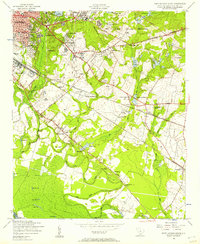 1953 Fort Jackson South1957 Print · USGSMid-century Richland County emerges as a landscape of suburban growth and military activity just outside the state capital. Genealogists and local historians can trace rural communities like Lykesland and Hopkins alongside institutional landmarks like Rock Hill School and Zion Chapel No 2.
 - 1954 Map of Augusta
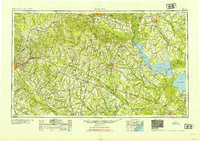 1954 Augusta1954 Print · USGSThe Savannah River valley and South Carolina Midlands are captured here during a period of post-war growth. Researchers can trace the rail-and-river economy through the Southern RR corridor and locate historic settlements like Aiken, Orangeburg, and Sumter.
 - 1957 Map of Augusta, 1966 Print
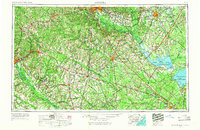 1957 Augusta1966 Print · USGSThe Savannah River and Santee basins are captured here during a period of massive military and industrial expansion in the late fifties. Genealogists can trace family footprints across Four Hole Swamp or near the Savannah River Plant.3 unique versions available
 - 1958 Map of Augusta
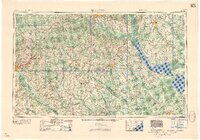 1958 Augusta1958 Print · USGSThe borderlands between Georgia and South Carolina come alive in the 1950s, showing the early footprint of the Savannah River Plant. Genealogists and historians can trace rail-dependent towns and rural landmarks from Orangeburg to the Fort Jackson Military Reservation.
 - 1961 Map of Augusta
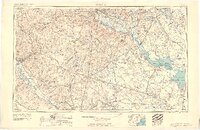 1961 Augusta1961 Print · USGSThe South Carolina lowcountry and CSRA appear here in the early sixties, during a period of massive military and industrial growth. Researchers can trace the development of the Savannah River Plant or locate legacy landmarks like Nelson Ferry and Magnolia Cemetery.2 unique versions available
 - 1962 Map of Augusta
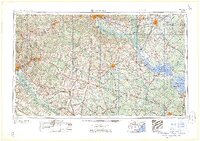 1962 Augusta1962 Print · USGSThe South Carolina and Georgia borderlands are seen here in the early sixties, showing the rise of the Savannah River Plant and the expansion of Fort Jackson. Researchers can trace old rail lines like the Southern Railway and find landmarks such as St. Pauls Church or the Santee Canal.
 - 1972 Map of Fort Jackson South, 1973 Print
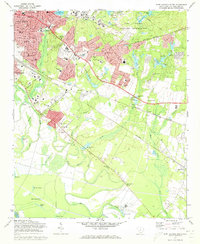 1972 Fort Jackson South1973 Print · USGSRichland County undergoes significant postwar expansion in the early seventies as the capital city grows toward the military boundary. Genealogists and historians can trace local landmarks like Greenlawn Memorial Park, Zion Chapel No 2 Ch, and the rail stops at Lykes and Hopkins.3 unique versions available
 - 1986 Map of Sumter
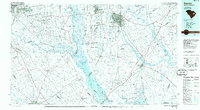 1986 Sumter1986 Print · USGSMid-South Carolina in the mid-eighties reveals a landscape of massive river bottomlands and significant military installations. Genealogists and historians can trace the rural networks around Fort Motte, Lone Star, and Sardinia alongside Lake Marion.
 - 1990 Map of Sumter
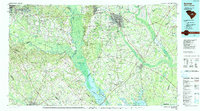 1990 Sumter1990 Print · USGSCentral South Carolina's river systems and military landscapes are captured here during the late twentieth century. Genealogists and historians can trace the growth of Sumter or locate rural communities such as Wedgefield and Kingville near the Congaree River.
 - 2011 Map of Fort Jackson South, 2011 Print
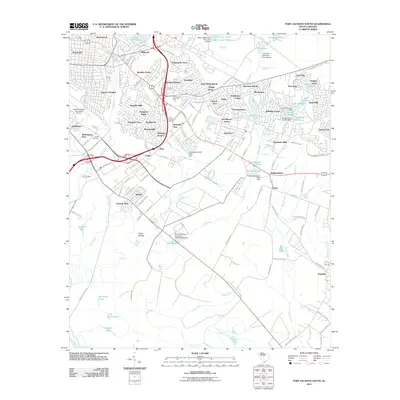 2011 Fort Jackson South2011 Print · USGSCovers Eastmont, including Columbia, Burnside East, and other nearby areas
 - 2014 Map of Fort Jackson South, 2014 Print
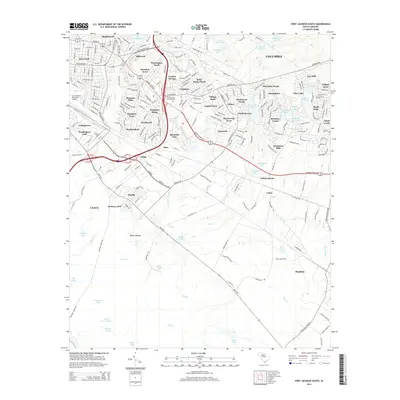 2014 Fort Jackson South2014 Print · USGSCovers Eastmont, including Columbia, Burnside East, and other nearby areas
 - 2017 Map of Fort Jackson South, 2017 Print
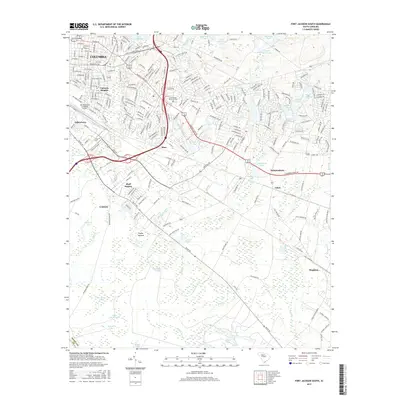 2017 Fort Jackson South2017 Print · USGSCovers Eastmont, including Columbia, Burnside East, and other nearby areas
 - 2020 Map of Fort Jackson South, 2020 Print
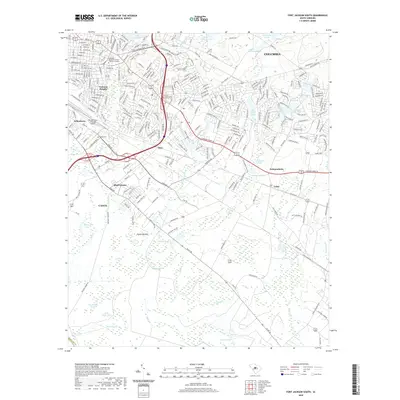 2020 Fort Jackson South2020 Print · USGSCovers Eastmont, including Columbia, Burnside East, and other nearby areas
 - 2024 Map of Fort Jackson South, 2024 Print
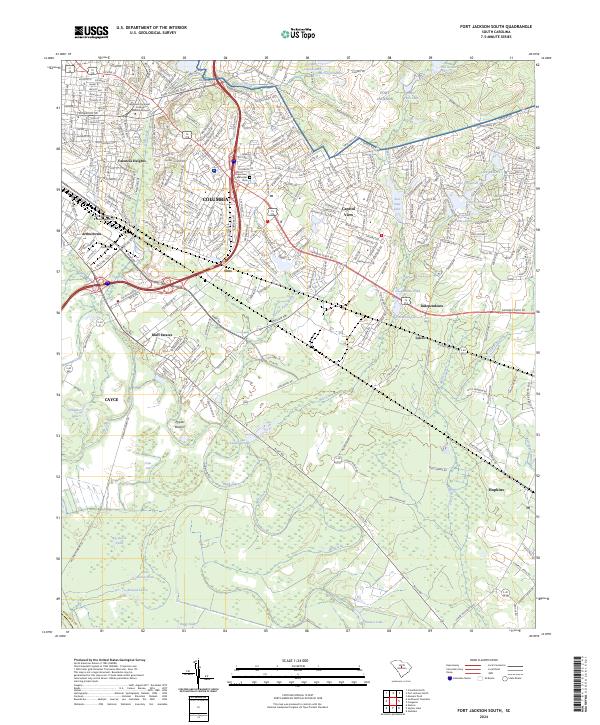 2024 Fort Jackson South2024 Print · USGSSoutheast of the state capital, this area shows the sprawl of contemporary Richland County alongside historic military grounds and rural crossroads. Local researchers can trace the footprint of Fort Jackson, find Childs Cem, or locate the community of Hopkins.
End of results
Showing maps 1-15 of 15
Top cities near Eastmont
- Columbia historical maps
- Lexington historical maps
- West Columbia historical maps
- Cayce historical maps
- Forest Acres historical maps
- Blythewood historical maps
See more
Frequently asked questions
- What are the different types of historical maps available for Eastmont?
- What is the oldest map of Eastmont?
- Where can I purchase historical maps of Eastmont for my home or office?
- Where can I download high-res historical maps of Eastmont?
- Are there historical topographic maps available for Eastmont?
- Is there historical aerial imagery available for Eastmont?
- Where are historical maps of Eastmont sourced from?