Old Maps of Sumter County, South Carolina
Explore 188 old maps of Sumter County, spanning from 1920 to today. These high-resolution historic maps reveal how streets, neighborhoods, landmarks, and natural features evolved over time — perfect for genealogy, metal detecting, research, and local history exploration.
What you can do with these maps:
- See how Sumter County changed over time: Compare historical maps to modern-day views to trace roads, homesites, rail lines & more.
- View detailed metadata: Each map includes creators, publishers, year, scale, and archive source.
- Overlay maps with satellite & LiDAR: Visualize the past alongside modern tools to explore terrain & human change.
- Trusted historical sources: Maps sourced from the USGS, Library of Congress, and other archives.
- Access maps your way: View online, download high-res files, or order prints for personal or research use.
Start exploring old maps of Sumter County to uncover forgotten places, hidden landmarks, and the deep history beneath your feet.
Sumter County, SC maps
(188)- 1920 Map of Mayesville
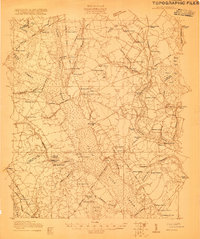 1920 Mayesville1920 Print · USGSThe rural lowcountry of Sumter and Clarendon counties is captured here in the years following World War I, when the Black River and its dense swamps dictated the pace of local life. Researchers can trace early twentieth-century community life through numerous rural landmarks like Brick Church, Tomlinson School, and the path of the Alcolu RR.
 - 1921 Map of Mayesville
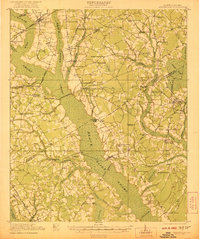 1921 Mayesville1921 Print · USGSThe rural lowcountry of Sumter and Clarendon counties comes into focus during the early 1920s as the railroad era reached its peak. Researchers can trace historic family-named landmarks like Frierson's Store, numerous rural houses of worship such as Beulah Church, and old river crossings like Midway Crossing.3 unique versions available
 - 1938 Map of Hagood
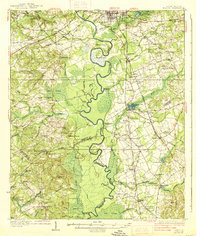 1938 Hagood1938 Print · USGSThe Wateree River basin comes to life in this pre-war study of the Kershaw and Sumter county borderlands. Researchers can trace the river's old crossings and mills at Ancrum Ferry and Boykin Mill Pond, alongside historic schools like Kershaw Industrial Sch.3 unique versions available
 - 1940 Map of Florence West
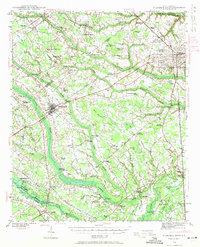 1940 Florence West1940 Print · USGSThe rural landscapes and rail towns west of Florence appear here just before the mid-century, as the local economy revolved around the river and the tracks. Genealogists can trace family roots through numerous country churches like Snow Hill Ch and old settlements like Timmonsville and Ebenezer.2 unique versions available
 - 1941 Map of Spartanburg
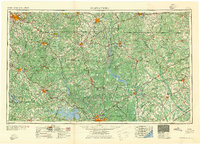 1941 Spartanburg1941 Print · USGSSouth Carolina’s Piedmont and Sandhills regions are shown here during the mid-century peak of the rail era. Researchers can trace the sprawling Fort Jackson Military Reservation and the industrial growth of hubs like Spartanburg and Rock Hill.
 - 1942 Map of Camden
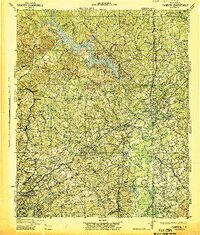 1942 Camden1942 Print · USGSMid-century South Carolina comes into focus along the Wateree River as the region's rail and agricultural networks reached their peak. Genealogists and historians can trace old community hubs like Boykin Mill, Friends Neck Ch, and the grounds of the Sand Hill Experimental Station.
 - 1943 Map of Mayesville
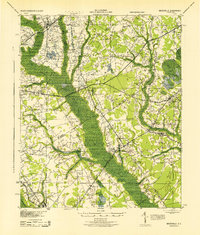 1943 Mayesville1943 Print · USGSThe rural landscape of Sumter and Clarendon counties is captured here in the 1940s, highlighting a region defined by the Black River swamp. Genealogists can trace early family landmarks and community centers like Mayesville, Gamble Chapel, and the Malina Sch.
 - 1943 Map of Eastover, 1953 Print
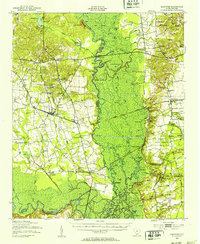 1943 Eastover1953 Print · USGSIn the early 1940s, the rural landscapes of Richland and Sumter counties centered on the river junctions and thriving rail lines. Genealogists can trace family landmarks like Good Hope Ch and Bethel Sch or follow the path of the Kings Highway.
 - 1945 Map of Florence West
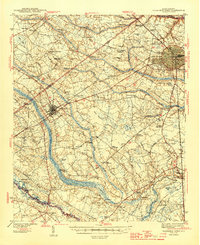 1945 Florence West1945 Print · USGSInland South Carolina during the mid-1940s is defined here by the converging rails of the Atlantic Coast Line and a network of rural crossroads. Researchers can trace ancestral locations through dozens of landmarks like Anderson Cem, Muldrow Mill, and Syracuse.2 unique versions available
 - 1946 Map of Elloree
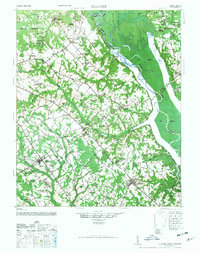 1946 Elloree1946 Print · USGSCoastal plain settlements and rising reservoir waters define this mid-1940s landscape in the Santee River basin. Genealogists and historians can trace the foundations of Langsynt Plantation, locate numerous rural churches like Mizpah Ch, or study the rail corridor through Lone Star.2 unique versions available
 - 1946 Map of Lake City
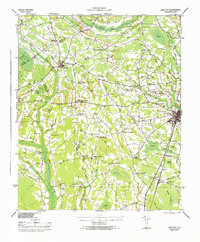 1946 Lake City1946 Print · USGSMid-century Florence and Williamsburg counties are seen here through a network of rural crossroads and river bottomlands just after the war. Researchers can trace family roots at Holly Tree Plantation, Bethany Cem, and dozens of local schools from Olanta to Lake City.
 - 1946 Map of Sumter
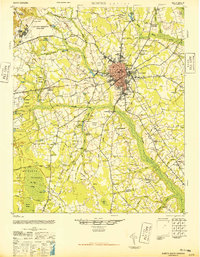 1946 Sumter1946 Print · USGSSumter and its surrounding lowlands were at a peak of rail and aviation development just after the war. Researchers can trace dozens of rural landmarks, from Pocalla Springs and Swan Lake to the sprawling Shaw Field.
 - 1949 Map of Georgetown, 1953 Print
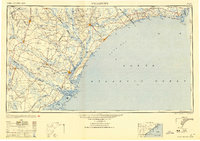 1949 Georgetown1953 Print · USGSThe South Carolina coast and North Carolina borderlands appear here in the mid-century, prior to the major modern development of the Grand Strand. Genealogists and historians can trace the rail networks of the Seaboard Air Line Railroad and locate coastal landmarks from Fort Caswell to McClellanville.
 - 1953 Map of Camden South, 1957 Print
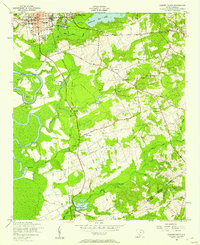 1953 Camden South1957 Print · USGSThe Wateree River lowlands south of Camden come alive in this mid-century survey of Kershaw and Sumter counties. Researchers can trace historic family and community landmarks like Mulberry Plantation, the Boykin Cemetery, and Hermitage Mill.
 - 1953 Map of Poinsett State Park, 1957 Print
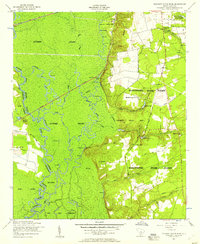 1953 Poinsett State Park1957 Print · USGSSumter County was a landscape of deep river swamps and timbered ridges in the early fifties. Genealogists and historians can locate rural landmarks like Orange Hill School, the Melrose Historical Home, and the Bloom Hill Cemetery.4 unique versions available
 - 1953 Map of Eastover, 1957 Print
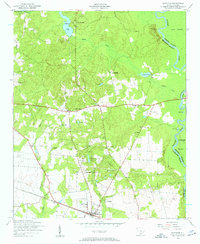 1953 Eastover1957 Print · USGSRichland County at the start of the 1950s reveals a landscape of rural schoolhouses and established country churches near the Wateree basin. Genealogists can trace family roots through landmarks like Goodwill Church, Shiloh School, and the Richland County Chain Gang Camp No. 1.4 unique versions available
 - 1953 Map of Wedgefield, 1957 Print
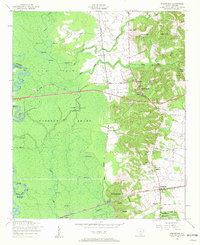 1953 Wedgefield1957 Print · USGSSumter County settlement at mid-century reveals the sharp contrast between the dense Wateree River bottomlands and the historic High Hills of Santee. Genealogists and local historians can trace the foundations of Stateburg, find General Sumters Tomb, and locate rural landmarks like Wayman Chapel and Hiawatha School.3 unique versions available
 - 1953 Map of Wateree, 1957 Print
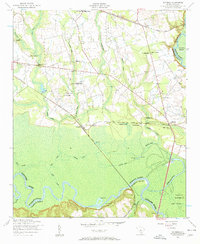 1953 Wateree1957 Print · USGSRichland and Calhoun counties meet here in the early fifties at the confluence of the Congaree and Wateree rivers. Trace the old rail junctions at Kingville and find local history at Joyner Cemetery, Stoney Hill School, and Mount Olive Church.4 unique versions available
 - 1953 Map of Rembert, 1957 Print
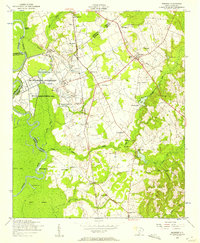 1953 Rembert1957 Print · USGSSumter and Kershaw counties in the early fifties show a landscape of river-bottom plantations, institutional farms, and rural crossroads. Researchers can trace the Southern rail line through Boykin and Hagood or locate family landmarks like Ellerbees Mill and Wateree Plantation.2 unique versions available
 - 1953 Map of Leesburg, 1957 Print
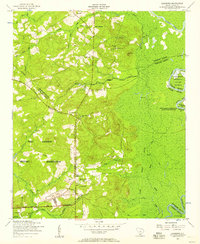 1953 Leesburg1957 Print · USGSMid-century Richland County is defined here by the meeting of rural life and military expansion. Genealogists and local historians can trace family-named sites like McCaskill and Dunns Mount alongside Concord School and Pine Grove Church.
 - 1953 Map of Florence, 1964 Print
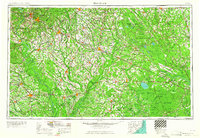 1953 Florence1964 Print · USGSThe Carolina borderlands in the mid-fifties were a landscape of vast river swamps and rising rail towns. Trace the legacy of the Seaboard Air Line through Florence or explore the wetlands surrounding Lake Waccamaw and the Green Swamp.3 unique versions available
 - 1953 Map of Spartanburg, 1966 Print
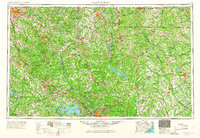 1953 Spartanburg1966 Print · USGSMid-century South Carolina comes into focus through this survey of the Piedmont and the Sand Hills at a time of significant reservoir expansion. Researchers can trace the legacy of industrial transit and resource extraction from the Haile Gold Mine to the rail hubs of the Seaboard Air Line.4 unique versions available
 - 1954 Map of Augusta
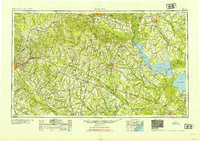 1954 Augusta1954 Print · USGSThe Savannah River valley and South Carolina Midlands are captured here during a period of post-war growth. Researchers can trace the rail-and-river economy through the Southern RR corridor and locate historic settlements like Aiken, Orangeburg, and Sumter.
 - 1954 Map of Florence
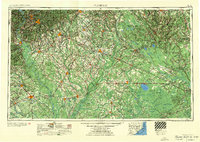 1954 Florence1954 Print · USGSThe Carolinas borderlands come alive in the early fifties, showing the vital rail-and-river networks of the coastal plain. Genealogists can trace family footprints across the Green Swamp or through settlements like Red Springs, Chadbourn, and McColl.
 - 1957 Map of Sumter East, 1958 Print
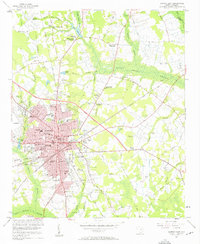 1957 Sumter East1958 Print · USGSSumter was entering a phase of suburban expansion and infrastructure modernization in the late fifties. Genealogists and local historians can trace family names across Rocky Bluff Crossroads, numerous small cemeteries like White-Dick Cem, and landmarks such as MORRIS COLLEGE.3 unique versions available
Showing maps 1-25 of 188
Top cities of Sumter County
Frequently asked questions
- What are the different types of historical maps available for Sumter County?
- What is the oldest map of Sumter County?
- Where can I purchase historical maps of Sumter County for my home or office?
- Where can I download high-res historical maps of Sumter County?
- Are there historical topographic maps available for Sumter County?
- Is there historical aerial imagery available for Sumter County?
- Where are historical maps of Sumter County sourced from?