1980s Maps of Dewey County, South Dakota
Explore 22 historic maps of Dewey County from the 1980s. These maps offer a rare glimpse into what life looked like during the 1980s — showing old roads, neighborhoods, homes, and landmarks that have changed or disappeared over time.
Whether you're researching your family's past, planning a metal detecting trip, or studying how Dewey County's landscape evolved across the 1980s, these high-resolution maps are a powerful tool for exploring the history of this region.
- Focus on a specific era: All maps on this page are from the 1980s, giving you a focused view of this time period.
- See what’s changed: Compare century-old streets, trails, and buildings to today's modern landscape using overlays and satellite layers.
- Research with precision: Use these maps for genealogy, historical research, land use analysis, or educational projects.
- View, download, or print: Maps are fully viewable online in high resolution, and can be downloaded or printed for your own records.
Start exploring Dewey County's history through authentic maps from the 1980s. This is your window into the past.
Dewey County, SD maps
(22)- 1981 Map of Herbert Creek
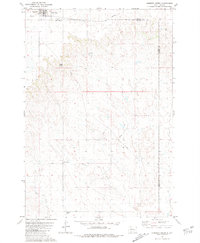 1981 Herbert Creek1981 Print · USGSThe ranch lands of Ziebach County are captured here in the early eighties, showing a sparse landscape of family operations and vital water infrastructure. Genealogists and local historians can trace legacy holdings like the Webb Ranch and Skates Ranch or locate Shupic Park in Eagle Butte.
 - 1981 Map of Charlie Creek
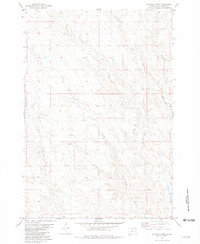 1981 Charlie Creek1981 Print · USGSThe ranching country of Dewey County is shown here during the late twentieth century, when the landscape was defined by family holdings and remote creek beds. Genealogists and local historians can trace the locations of the Sogge Ranch, Dog Eagle Ranch, and Tall Prairie Chicken Cr.
 - 1981 Map of No Heart Creek NE
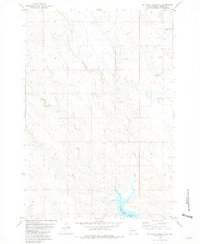 1981 No Heart Creek NE1981 Print · USGSRanching life on the Cheyenne River Indian Reservation is captured here in the early eighties. Genealogists and historians can locate specific family homesteads such as the Wayne Ducheneaux Ranch and Opp Ranch near the waters of Willow Creek Bay.
 - 1981 Map of Rousseau Creek NW
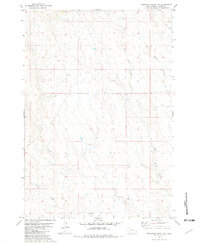 1981 Rousseau Creek NW1981 Print · USGSDewey County ranching life is captured in the early 1980s as it appeared within the Cheyenne River Indian Reservation. Researchers can trace the lineage of local operations like Ducheneaux and Keckler along the banks of Rousseau Creek.
 - 1981 Map of Stove Creek
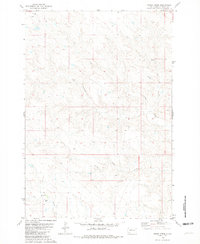 1981 Stove Creek1981 Print · USGSDewey County ranching life is documented here in the early 1980s, showcasing the isolated homesteads of the Cheyenne River Indian Reservation. Researchers can locate family operations like the Delaine Gray Ranch and landmarks like Scatter Butte.
 - 1981 Map of Herbert Creek NE
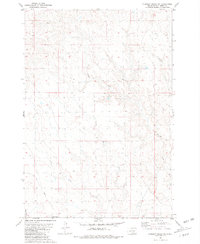 1981 Herbert Creek NE1981 Print · USGSThe Cheyenne River Indian Reservation in the late seventies is shown here as a landscape of managed water and prairie drainages. Researchers can trace the paths of Hosupa Creek, Paradis Creek, and an Aqueduct that reveal the era's land use patterns.
 - 1981 Map of No Heart Creek
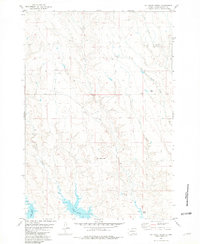 1981 No Heart Creek1981 Print · USGSThe Cheyenne River Indian Reservation and the backwaters of the Missouri River define this Dewey County landscape in the early eighties. Trace ranching family history at the Fast Horse Ranch or Clark Ranch, and locate the landforms of No Heart Butte and Lake Oahe.
 - 1981 Map of Parade SW
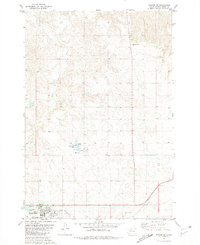 1981 Parade SW1981 Print · USGSDewey County enters the 1980s with the expanding settlements of Eagle Butte and North Eagle Butte taking center stage. Genealogists and historians can locate community landmarks like the Civic Center and Hosp, or trace local recreation at the Rodeo Grounds and Brueschke Dam.
 - 1981 Map of Herbert Creek SW
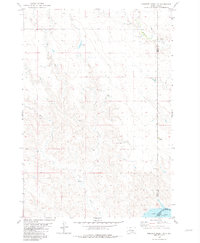 1981 Herbert Creek SW1981 Print · USGSThe high plains of Ziebach and Dewey counties are shown here in the early eighties as the waters of the Cheyenne River met the Oahe reservoir. Genealogists can trace family-named homesteads such as the Kessler Ranch, Pearman Ranch, and Zorc Ranch across the prairie.
 - 1981 Map of La Plant SW
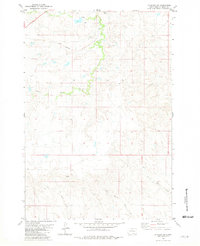 1981 La Plant SW1981 Print · USGSThe Cheyenne River Indian Reservation in the early eighties is captured here in a period of quiet ranching and remote settlement. Researchers can locate established homesteads and landmarks like No Heart, Agnew Ranch, and the headwaters of No Heart Creek.
 - 1981 Map of Parade
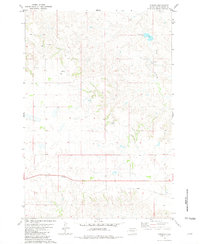 1981 Parade1981 Print · USGSDewey County ranching and transit are documented here in the early 1980s as the rail lines were being phased out. Researchers can trace the ABANDONED railroad grade near Parade or locate family sites like Strong Ranch and Ridgeview Ranch.
 - 1981 Map of Ridgeview
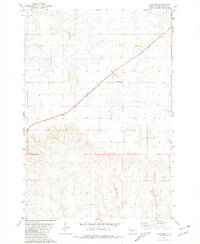 1981 Ridgeview1981 Print · USGSRidgeview and the high plains of Dewey County are captured here in the early eighties, showing a landscape of remote ranching and prairie drainages. Researchers can locate St Josephs Ch, trace the abandoned rail bed, and follow the paths of Virgin Creek and Charlie Creek.
 - 1981 Map of Ridgeview SW
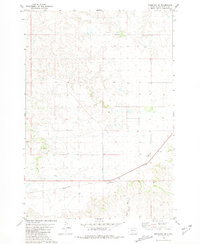 1981 Ridgeview SW1981 Print · USGSThe Cheyenne River Indian Reservation was a landscape of remote ranching outposts and small prairie settlements in the early 1980s. Local history researchers can trace the locations of St Basils Ch, Gesinger Ranch, and the settlement of Mossman.
 - 1981 Map of Lantry, 1982 Print
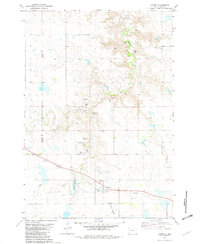 1981 Lantry1982 Print · USGSThe rural landscape of Dewey County is captured here in the early 1980s, centered on the settlement of Lantry. Researchers can trace the path of the Abandoned railroad or locate family roots at St James Cem and Lantry Cem near Bear Creek.
 - 1981 Map of High Elk Hill NW, 1982 Print
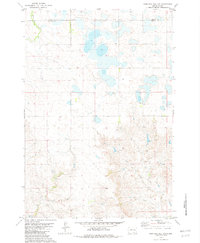 1981 High Elk Hill NW1982 Print · USGSThe Cheyenne River Indian Reservation of the early 1980s is documented in this survey of the South Dakota prairie. Historians and researchers can trace the winding drainage of Little Bear Creek and Rudy Creek across the Dewey Co Ziebach Co line.
 - 1981 Map of High Elk Hill, 1982 Print
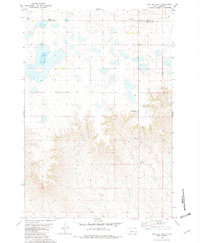 1981 High Elk Hill1982 Print · USGSZiebach and Dewey counties are shown in the early eighties as they cross the high plains of the Cheyenne River Indian Reservation. Genealogists and local historians can locate St Marks Cem and trace the paths of East Fork Rudy Creek and High Elk Hill.
 - 1981 Map of Lantry SE, 1982 Print
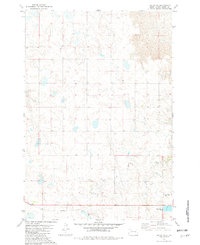 1981 Lantry SE1982 Print · USGSDewey County’s rolling plains come into focus in the early eighties as part of the Cheyenne River Indian Reservation. Local researchers can locate Eagle Butte Cem and trace the winding course of Green Grass Creek through the prairie.
 - 1982 Map of Miller Dam, 1983 Print
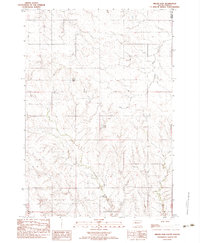 1982 Miller Dam1983 Print · USGSZiebach County and the Cheyenne River Indian Reservation are captured in the early eighties when ranching trails dominated the plains. Researchers can trace the drainage of Cottonwood Creek, locate Miller Dam, and orient themselves by the elevation of Marple Butte.
 - 1985 Map of La Plant, 1986 Print
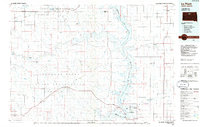 1985 La Plant1986 Print · USGSThe Cheyenne River and Standing Rock Indian Reservations meet here in the mid-eighties as Lake Oahe reshapes the Missouri River valley. Genealogists and local historians can trace the Old RR Gr and locate community landmarks like La Plant, Whitehorse, and Rabenberg Cemetery.2 unique versions available
 - 1986 Map of Timber Lake
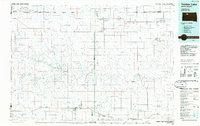 1986 Timber Lake1986 Print · USGSNorth-central South Dakota in the mid-eighties reveals a landscape of ranching hubs and indigenous lands shaped by the Moreau River and Grand River. Researchers can trace old rail routes near Red Elm and locate remote prairie landmarks like St Patrick Butte or Glad Valley.2 unique versions available
 - 1986 Map of Cherry Creek
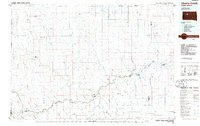 1986 Cherry Creek1986 Print · USGSWest-central South Dakota comes to life in the mid-1980s, centered on the Cheyenne River Indian Reservation and the river's winding path. Genealogists and historians can trace the remote settlements of Red Scaffold and Milesville or locate family landmarks like Staple M Cliffs and Robbs Flat.2 unique versions available
 - 1986 Map of Onida
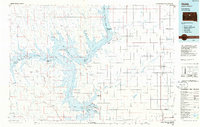 1986 Onida1986 Print · USGSThe high plains of Sully County meet the vast waters of the Missouri River in the mid-1980s. Local researchers can trace the Chicago and North Western rail line through Onida and Agar or locate the Blunt Cemetery on the southern horizon.2 unique versions available
End of results
Showing maps 1-22 of 22
Frequently asked questions
- What are the different types of historical maps available for Dewey County?
- What is the oldest map of Dewey County?
- Where can I purchase historical maps of Dewey County for my home or office?
- Where can I download high-res historical maps of Dewey County?
- Are there historical topographic maps available for Dewey County?
- Is there historical aerial imagery available for Dewey County?
- Where are historical maps of Dewey County sourced from?