Old Maps of Papaw, Tennessee for Metal Detecting
Plan your next treasure hunt with 17 historic maps of Papaw. Find old homesites, ghost towns, trails, and gathering spots that may be lost to time — perfect for identifying promising metal detecting locations.
- Locate forgotten sites: Uncover places like long-lost settlements, abandoned rail lines, or gathering spots.
- Plan better hunts: Use map overlays combined with LiDAR or satellite views to narrow in on historically rich areas.
- Made for detectorists: Thousands of hobbyists use these maps to discover relics, coins, and hidden history.
Use these historic maps to boost your research and find new opportunities beneath the surface of Papaw.
Papaw, TN maps
(17)- 1883 Map of Morristown
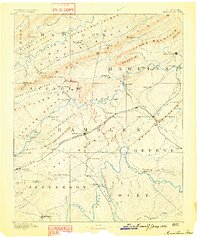 1883 Morristown1883 Print · USGSEast Tennessee in the 1880s is defined by the convergence of mountain ridges and the vital rail corridor through Morristown. Researchers can trace the early industrial landscape of the region through landmarks like Witt's Foundry, Tate's Springs, and the historic Bean's Station.
 - 1893 Map of Morristown
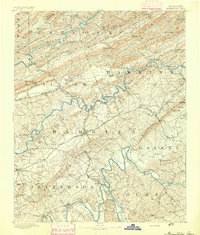 1893 Morristown1893 Print · USGSEast Tennessee in the 1890s was a landscape of deep mountain ridges and vital rail junctions centered around Morristown. Researchers can trace the nineteenth-century river economy through numerous crossings like Cloud Ferry and find early industry at Lotspeachy Mill.
 - 1895 Map of Morristown
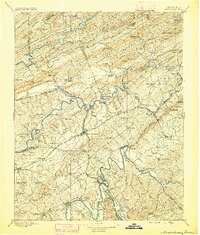 1895 Morristown1895 Print · USGSThe East Tennessee ridge-and-valley country comes alive in the late nineteenth century as a hub of rail and river transit. Trace the routes of old Evans Ferry or locate vanished stops along the Southern R.R. near Morristown and Bull Gap.5 unique versions available
 - 1935 Map of Tate Springs
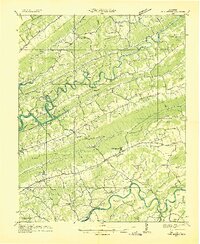 1935 Tate Springs1935 Print · USGSThe river valleys of Grainger County are captured here in the mid-1930s as the Tennessee Valley Authority began planning the reservoir. Trace family history through local landmarks like Lawson Mill, Swan Island Ferry, and the community at Tate Springs.
 - 1935 Map of Swan Island
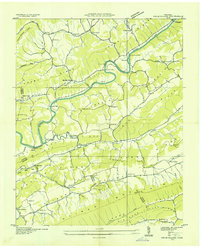 1935 Swan Island1935 Print · USGSHancock County life in the mid-1930s was defined by the ridges and the river, showing a landscape of small farms and vital ferry crossings. Researchers can trace ancestral footprints at Leffew Store, Ida Chapel, and the river landings at Swan Island Ferry.
 - 1941 Map of Swan Island, 1965 Print
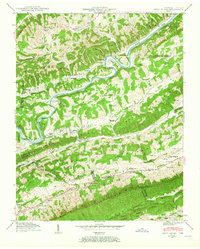 1941 Swan Island1965 Print · USGSHancock County in the early 1940s is captured in this survey of the river-carved ridges along the Clinch River. Researchers can locate dozens of family landmarks, from Lawson Mill and Manning Ferry to the Barnard Cem and Williams Cem.2 unique versions available
 - 1942 Map of Swan Island
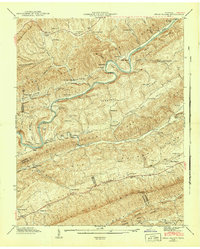 1942 Swan Island1942 Print · USGSThe ridges of East Tennessee meet the winding Clinch River during the early 1940s, a time when ferries and mills still served rural Hancock and Grainger counties. Genealogists can trace family roots through numerous sites like Barnard Cem, Lawson Mill, and Manning Ferry.
 - 1955 Map of Johnson City
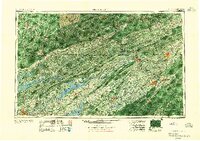 1955 Johnson City1955 Print · USGSEast Tennessee and the bordering highlands of Virginia and Kentucky appear here during the post-war industrial boom. You can trace the complex network of mountain ridges and new TVA lakes, from Johnson City to the coalfields near Middlesboro and Lynch.
 - 1957 Map of Johnson City, 1966 Print
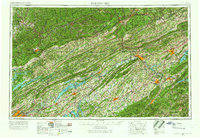 1957 Johnson City1966 Print · USGSUpper East Tennessee and Southwest Virginia are shown here during the mid-sixties transition of the Appalachians. Researchers can trace the industrial rail hubs of Kingsport, the sprawling waters of Cherokee Lake, and the historic Cumberland Gap.
 - 1960 Map of Johnson City
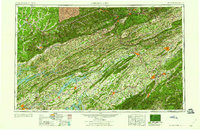 1960 Johnson City1960 Print · USGSUpper East Tennessee and the surrounding tri-state area are shown in the mid-fifties during the height of the TVA reservoir era. Trace the industrial rail lines of the Southern and Louisville and Nashville between Kingsport and Johnson City.
 - 1963 Map of Johnson City
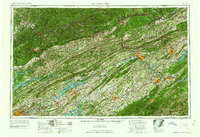 1963 Johnson City1963 Print · USGSThe Tri-Cities and the surrounding Appalachian ridges are shown in detail during the early sixties, highlighting the era's vital rail and river networks. Genealogists and historians can trace the routes of the Clinchfield RR and locate settlements from Rogersville to Elizabethton.
 - 1981 Map of Morristown
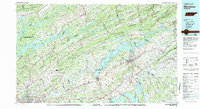 1981 Morristown1981 Print · USGSEast Tennessee's ridge-and-valley corridor is captured here in the early eighties, showing the region's transformation by TVA reservoirs. Genealogists and historians can trace family locations near Alpha Ch, follow the Southern Railway, or locate the Young Mine.
 - 2010 Map of Swan Island, 2010 Print
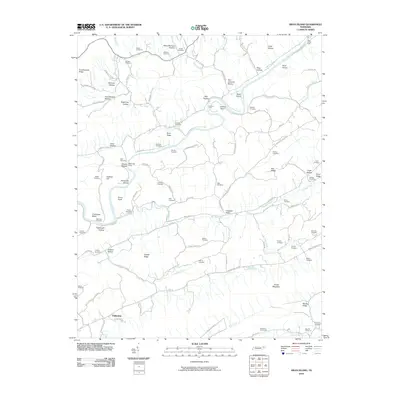 2010 Swan Island2010 Print · USGSHancock County's river valleys and ridgelines are captured here in the early 21st century, showing a landscape defined by the Clinch River. Genealogists can locate dozens of family burial grounds such as Bray Cemetery, Hensley Cemetery, and the river crossing at Manning Ferry.
 - 2013 Map of Swan Island, 2013 Print
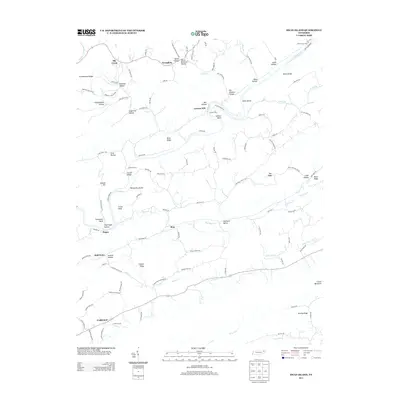 2013 Swan Island2013 Print · USGSHancock County in the early 21st century remains defined by the winding Clinch River and its steep Tennessee ridges. Trace the legacy of river crossings and mountain life through Manning Ferry, Lawson Mill, and the small community of Xenophon.
 - 2016 Map of Swan Island, 2016 Print
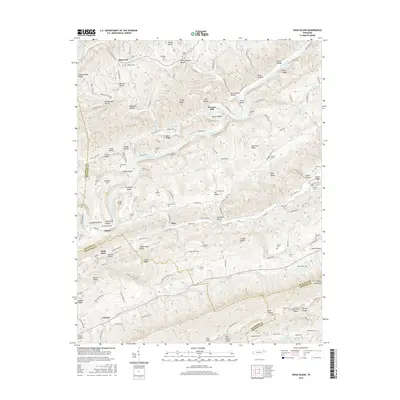 2016 Swan Island2016 Print · USGSThe Clinch River Valley in the mid-2010s reveals a landscape deeply etched by its ridges and family histories. Researchers can trace numerous family-named landmarks and burial sites, from Lawson Mill to the Hensley and Bray cemeteries.
 - 2019 Map of Swan Island, 2019 Print
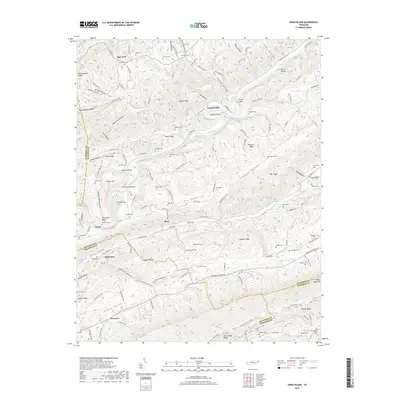 2019 Swan Island2019 Print · USGSThe Clinch River corridor near Hancock County is captured here in the early 21st century, revealing a landscape of ridge-and-valley settlements and river landmarks. Genealogists and local historians can locate family landmarks like Lawson Mill, Barnard Cem, and Thirty-mile Shoals.
 - 2022 Map of Swan Island, 2022 Print
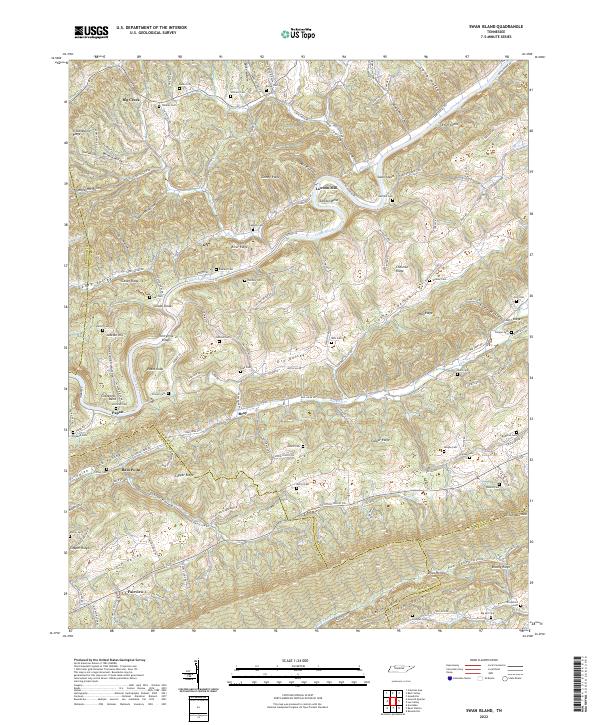 2022 Swan Island2022 Print · USGSThe Clinch River valley in East Tennessee remains a patchwork of ridge-top farms and river bends. Genealogists and historians can trace family burial grounds like Hensley Cem and Bowlin Cem near old settlements at Lawson Mill and Fairview.
End of results
Showing maps 1-17 of 17
Top cities near Papaw
- Morristown historical maps
- Bean Station historical maps
- New Tazewell historical maps
- Tazewell historical maps
- Sneedville historical maps
- Rutledge historical maps
See more
Frequently asked questions
- What are the different types of historical maps available for Papaw?
- What is the oldest map of Papaw?
- Where can I purchase historical maps of Papaw for my home or office?
- Where can I download high-res historical maps of Papaw?
- Are there historical topographic maps available for Papaw?
- Is there historical aerial imagery available for Papaw?
- Where are historical maps of Papaw sourced from?