Old Maps of Fuller, Tennessee for Academic Research
Study the evolution of Fuller with 16 high-resolution historic maps. Whether you're teaching, researching, or modeling changes in land use, these maps provide essential visual documentation of urban, environmental, and geographic change.
- Analyze long-term change: Track patterns in development, transportation, and natural features.
- Ideal for environmental or urban studies: Support academic projects with primary historical map data.
- Use in the classroom or lab: Educators and researchers rely on these maps to bring historical context to life.
These maps are a powerful tool for teaching, research, and visualizing how Fuller has changed over the decades.
Fuller, TN maps
(16)- 1891 Map of Abingdon
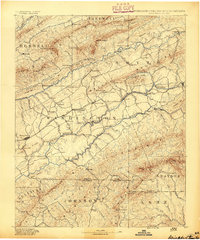 1891 Abingdon1891 Print · USGSSouthwest Virginia in the 1890s reveals a landscape of mountain ridges and thriving valley settlements along the Norfolk and Western R. R. Lineages can be traced through sites like Emory and Henry College, Saltville, and numerous family-named landmarks like Vance's Mill.
 - 1894 Map of Abingdon, 1896 Print
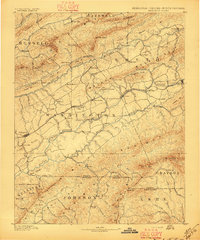 1894 Abingdon1896 Print · USGSSouthwest Virginia's valley and ridge country is captured here during the peak of the rail era, centered on the Abingdon and Marion corridors. Local historians can trace the foundations of Emory and Henry College and numerous rural mill sites like Belfast Mills or Vance's Mill.5 unique versions available
 - 1909 Map of Abingdon
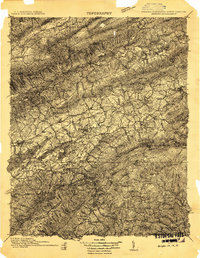 1909 Abingdon1909 Print · USGSSouthwest Virginia at the first decade's end shows a valley landscape defined by the iron rail and steep ridges. Genealogists and historians can trace the early layouts of Abingdon and Glade Spring, or locate landmarks like Dove Mills and the County Farm.2 unique versions available
 - 1911 Map of Abingdon
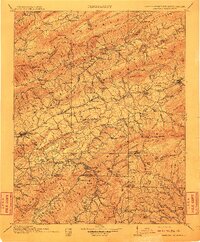 1911 Abingdon1911 Print · USGSSouthwest Virginia's rugged corridors are captured here during the height of the mountain rail era. Genealogists and historians can trace old homesteads and local landmarks such as Whites Mill, Valley Church, and the County Farm near Abingdon.5 unique versions available
 - 1935 Map of Laurel Bloomery
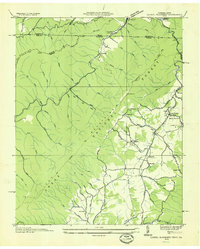 1935 Laurel Bloomery1935 Print · USGSThe Tennessee and Virginia borderlands are shown here in the mid-1930s as federal conservation efforts were taking hold in the mountains. Researchers can locate old CCC camps like Camp McArthur CCC, rural churches such as Wesley Chapel, and the original path of the Appalachian Trail.
 - 1935 Map of River Knobs
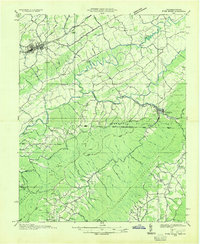 1935 River Knobs1935 Print · USGSThe Virginia and Tennessee borderlands come alive in the mid-1930s, showing a landscape of river forks and mountain ridges. Trace the early Appalachian Trail, locate Great Depression-era sites like CCC Camp Shelby, and find family history at Knotts Cem.
 - 1938 Map of Laurel Bloomery
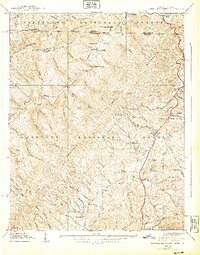 1938 Laurel Bloomery1938 Print · USGSThe Tennessee-Virginia borderlands near Johnson County come alive in this late 1930s survey of the mountain gaps and forest camps. Genealogists can trace family lines through Gentry Cem and Cornett Cem or locate old community hubs like Laurel Bloomery and CCC Camp Mc Arthur.5 unique versions available
 - 1953 Map of Winston-Salem, 1974 Print
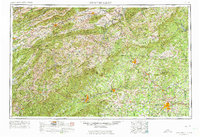 1953 Winston-Salem1974 Print · USGSThe North Carolina Piedmont and Virginia highlands meet in the mid-1950s, a landscape defined by the tobacco and textile hubs of the Blue Ridge foothills. Researchers can trace the rail-and-river geography connecting Winston-Salem to mountain towns like Mount Airy and Galax.2 unique versions available
 - 1955 Map of Winston-Salem
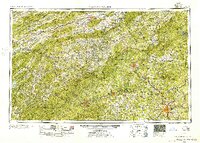 1955 Winston-Salem1955 Print · USGSThe Central Blue Ridge and Piedmont transition are captured here in the mid-fifties, from the industrial hub of Winston-Salem to the high peaks of Southwest Virginia. Genealogists can trace family landmarks like Richmond Hill Ch, Siloam Ch, and the old rail stops along the Southern Railway.
 - 1962 Map of Winston-Salem
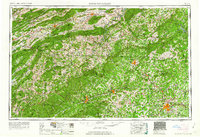 1962 Winston-Salem1962 Print · USGSThe North Carolina Piedmont meets the Virginia highlands in the early sixties, showing the rail corridors and mountain gaps of the southern Appalachians. Researchers can trace the Blue Ridge Parkway or locate family sites near Winston-Salem, Mount Airy, and Hanging Rock Mountain.
 - 1982 Map of Wytheville, 1983 Print
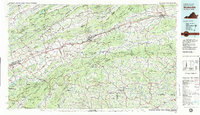 1982 Wytheville1983 Print · USGSSouthwest Virginia's ridge-and-valley landscape is shown here in the early 1980s as the Interstate era fully connected the region. Genealogists and historians can trace family locations near Emory and Henry College, the historic Austinville Mine, and settlements like Saltville or Lansing.3 unique versions available
 - 2011 Map of Laurel Bloomery, 2011 Print
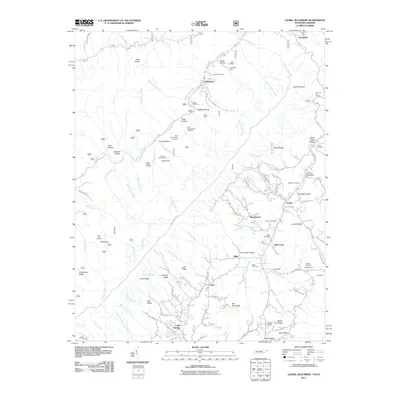 2011 Laurel Bloomery2011 Print · USGSLaurel Bloomery and the surrounding mountain ridges are shown here in the early twenty-first century. Genealogists and historians can trace family land near Gentry Cemetery or locate old industrial sites like State Line Mine and Wills Mine along the valley creeks.
 - 2013 Map of Laurel Bloomery, 2013 Print
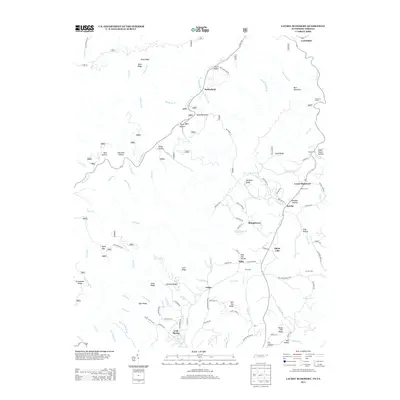 2013 Laurel Bloomery2013 Print · USGSThe Tennessee-Virginia border region at the start of the 2010s reveals a landscape of isolated hollows and high ridges. Genealogists and local historians can trace family locations through Matron Cem, Eureka, and the uniquely named Negro Grave Hollow.
 - 2016 Map of Laurel Bloomery, 2016 Print
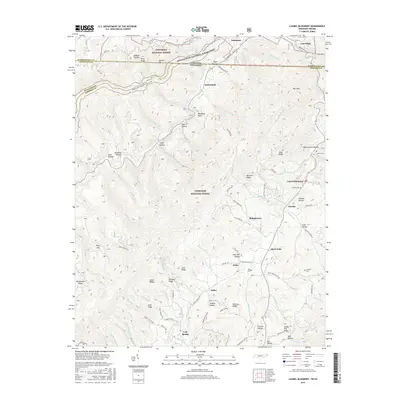 2016 Laurel Bloomery2016 Print · USGSCrossing the Virginia-Tennessee border, this mountain survey reveals the high-ridge landscape and hollow-bound settlements of the mid-2010s. Genealogists and hikers can trace family sites like Gentry Cem or follow the Appalachian National Scenic Trail past Backbone Rock.
 - 2019 Map of Laurel Bloomery, 2019 Print
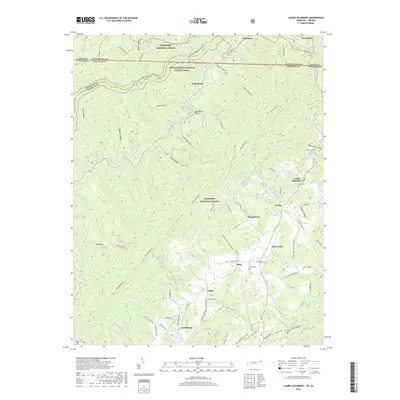 2019 Laurel Bloomery2019 Print · USGSThe high ridges of Iron Mountain straddle the Virginia and Tennessee border in this modern survey. Researchers can locate several family cemeteries, including Gentry Cem and Wills Cem, alongside the Appalachian National Scenic Trail and Backbone Rock.
 - 2022 Map of Laurel Bloomery, 2022 Print
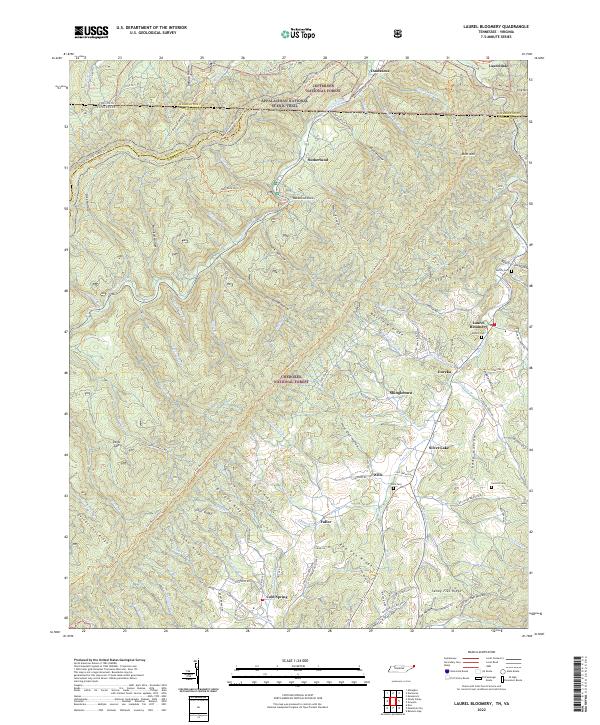 2022 Laurel Bloomery2022 Print · USGSNortheast Tennessee and the Virginia borderlands are shown here in the late twenty-teens, featuring a landscape of high ridges and forest-bound valleys. Family researchers and hikers can trace the Appalachian National Scenic Trl or locate rural landmarks like Backbone Rock and Wills Cem.
End of results
Showing maps 1-16 of 16
Top cities near Fuller
Frequently asked questions
- What are the different types of historical maps available for Fuller?
- What is the oldest map of Fuller?
- Where can I purchase historical maps of Fuller for my home or office?
- Where can I download high-res historical maps of Fuller?
- Are there historical topographic maps available for Fuller?
- Is there historical aerial imagery available for Fuller?
- Where are historical maps of Fuller sourced from?