1900s (20th Century) Maps of Lewis County, Tennessee
Explore 27 historic maps of Lewis County from the 1900s (20th Century). These maps offer a rare glimpse into what life looked like during the 1900s — showing old roads, neighborhoods, homes, and landmarks that have changed or disappeared over time.
Whether you're researching your family's past, planning a metal detecting trip, or studying how Lewis County's landscape evolved across the 1900s, these high-resolution maps are a powerful tool for exploring the history of this region.
- Focus on a specific era: All maps on this page are from the 1900s, giving you a focused view of this time period.
- See what’s changed: Compare century-old streets, trails, and buildings to today's modern landscape using overlays and satellite layers.
- Research with precision: Use these maps for genealogy, historical research, land use analysis, or educational projects.
- View, download, or print: Maps are fully viewable online in high resolution, and can be downloaded or printed for your own records.
Start exploring Lewis County's history through authentic maps from the 1900s. This is your window into the past.
Lewis County, TN maps
(27)- 1901 Map of Colombia
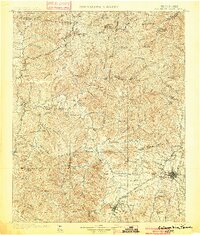 1901 Colombia1901 Print · USGSMiddle Tennessee at the close of the century reveals a landscape shaped by river bends and a dense network of turnpikes. Genealogists can trace family roots through settlements like Santa Fe and Warner or locate landmarks such as the U.S. Arsenal and Zion Ch.3 unique versions available
 - 1905 Map of Waynesboro
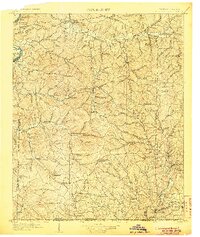 1905 Waynesboro1905 Print · USGSWayne County and the Tennessee-Alabama borderlands are captured here at the start of the century, showing a network of river landings and old stage stands. Researchers can trace the Nathez Trace and locate historic community hubs like Martins Mills, Whittens Stand, and Clifton.2 unique versions available
 - 1936 Map of Riverside
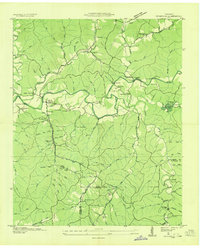 1936 Riverside1936 Print · USGSThe Buffalo River valley in the mid-1930s shows a landscape of small settlements and river crossings like Metal Ford. Trace family history at CCC Camp No 1472 or local landmarks like Ruppertown and Riverside Sch.
 - 1936 Map of Graves Spring
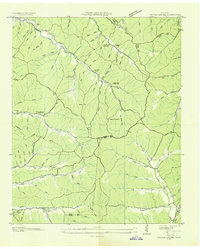 1936 Graves Spring1936 Print · USGSMid-depression Tennessee highlands are captured here at the intersection of Perry, Lewis, and Hickman Counties. Researchers can locate remote family burial sites like Poplin Hollow Cem and early educational landmarks including Upper Coon Creek Sch.
 - 1936 Map of Mt Joy
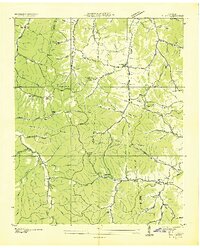 1936 Mt Joy1936 Print · USGSThe rural borderlands of Lewis and Maury counties are captured here in the mid-1930s as a landscape of small crossroads and family farms. Researchers can trace ancestral roots through numerous local landmarks like Willis Chapel, Dixon Spring Cem, and Macedonia Sch.
 - 1936 Map of Beaverdam Springs
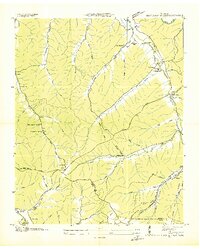 1936 Beaverdam Springs1936 Print · USGSHickman and Lewis Counties were characterized by small crossroads settlements and ridge-line roads in the mid-1930s. Genealogists can trace family footprints through sites like Wade Cem, Byers Chapel, and the vanished Beaverdam Springs Sch.
 - 1936 Map of Henryville
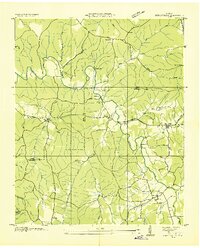 1936 Henryville1936 Print · USGSThe Tennessee hills between Lewis and Lawrence counties come into focus in the mid-1930s, showing a landscape defined by the winding Buffalo River. Researchers can trace old family roots at Henryville Cem or locate community centers like Garrotts Sch and Napier.
 - 1936 Map of Sunrise
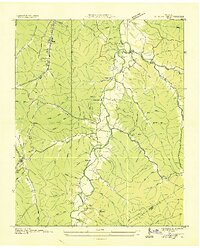 1936 Sunrise1936 Print · USGSThe rural landscape of Hickman County is captured here in the mid-1930s, showing a transition toward electrification and modern transit. Researchers can locate early schools and churches like Brushy Sch and Raleigh Chapel or trace the Nashville Chattanooga and St Louis Ry through Deans.
 - 1936 Map of Crestview
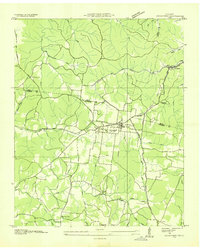 1936 Crestview1936 Print · USGSThe Lawrence County highlands in the mid-1930s reveal a landscape shaped by the Louisville and Nashville Railroad and early rural electrification. Local historians can trace family roots through landmarks like Porter Chapel Sch, Pleasant Garden Ch, and the settlement of Rockdale.
 - 1936 Map of Greenfield Bend
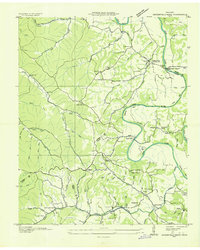 1936 Greenfield Bend1936 Print · USGSThe Duck River valley comes to life in the mid-1930s, showing a network of rural schoolhouses and family cemeteries along the Hickman and Maury county lines. Researchers can trace the local landscape through landmarks like Kettle Mills, the Gordon Ferry Bridge, and Sheboss Cem.
 - 1936 Map of Kimmins
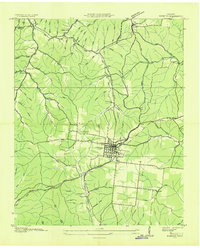 1936 Kimmins1936 Print · USGSLewis County life in the mid-1930s revolves around the rail town of Hohenwald. Genealogists can trace family landmarks like Skelton Sch and the Swiss Cem, while historians can follow the Nashville Chattanooga and St Louis railway.
 - 1936 Map of Topsy
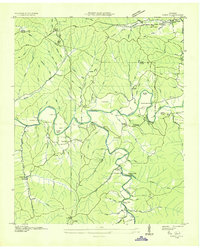 1936 Topsy1936 Print · USGSWayne County was a network of river crossings and hollow-side farms in the mid-1930s before modern infrastructure altered the landscape. Researchers can trace ancestral roots at Topsy, locate rural hubs like Ashland, and find remote burial sites such as Zion Cem.
 - 1936 Map of Gordonsburg
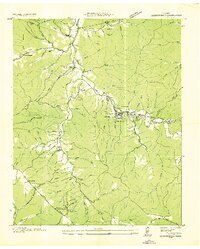 1936 Gordonsburg1936 Print · USGSGordonsburg and the surrounding Lewis County hollows are captured here during the peak of local phosphate extraction in the mid-1930s. Researchers can trace family sites near Mt Sinai Ch or locate industrial landmarks like the Phosphate Mines and the Louisville and Nashville RR.
 - 1951 Map of Summertown, 1956 Print
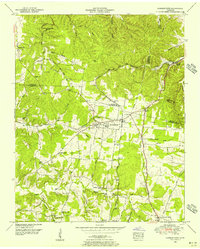 1951 Summertown1956 Print · USGSSummertown and the surrounding Lawrence County uplands are shown here in the early fifties, caught between old agrarian roots and mid-century transit growth. Trace family history at Hinestown Ch, Porter Chapel, or the old Brace Sch near the Buffalo River.3 unique versions available
 - 1951 Map of Riverside, 1956 Print
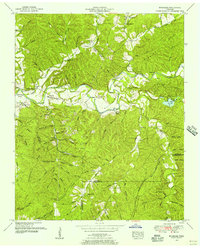 1951 Riverside1956 Print · USGSThe Buffalo River corridor in middle Tennessee is captured here in the early fifties, showing a landscape defined by deep hollows and ridge-top settlements. Researchers can trace family sites like Dabbs Cem and Turkey Track or locate the strip mines near Riverside.3 unique versions available
 - 1951 Map of Topsy, 1956 Print
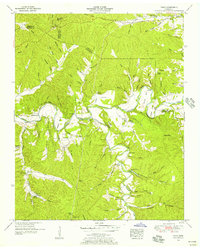 1951 Topsy1956 Print · USGSWayne County and Lewis County meet along the winding Buffalo River in the early fifties, where rural life centered on isolated valley settlements. Genealogists can trace family names through several historic sites, including Whitehead Cem, Salem Church, and Topsy Sch.2 unique versions available
 - 1951 Map of Kimmins, 1956 Print
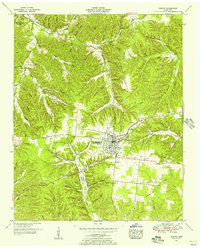 1951 Kimmins1956 Print · USGSLewis County in the early fifties is shown here at the intersection of traditional hill-country life and new postwar infrastructure. Researchers can trace family sites like Skelton Sch, find the Swiss Cem near Hohenwald, or locate the dismantled railroad bed.3 unique versions available
 - 1951 Map of Henryville, 1956 Print
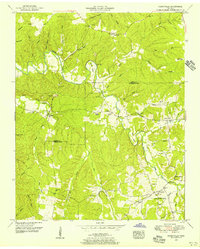 1951 Henryville1956 Print · USGSThe Buffalo River valley in the early fifties shows a landscape of small Tennessee settlements and active mining. You can trace family history at Old Salem Ch or locate old homesteads near Henryville and the Nathez Trace.3 unique versions available
 - 1951 Map of Greenfield Bend, 1957 Print
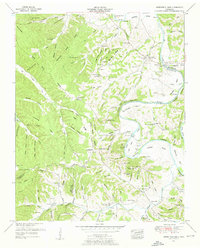 1951 Greenfield Bend1957 Print · USGSThe Duck River valley on the border of Hickman and Maury Counties is shown here in the early fifties, a landscape of deep hollows and river bends. Researchers can trace family sites like Kettle Mills, the Forty Thicket School, and Bingham Cem.3 unique versions available
 - 1951 Map of Mt. Joy, 1957 Print
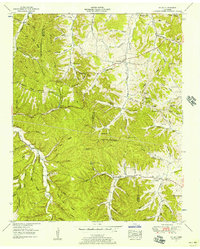 1951 Mt. Joy1957 Print · USGSMid-century Lewis and Maury Counties are captured here as a network of ridge-top schools and valley-bottom farmsteads. Genealogists can trace family footprints through sites like the Kittrell Cem, Wills Chapel, and the Ridge Top Sch.2 unique versions available
 - 1951 Map of Gordonsburg, 1957 Print
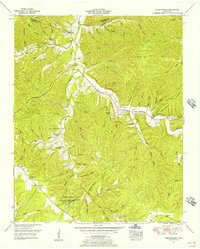 1951 Gordonsburg1957 Print · USGSLewis County in the early fifties is defined by the legacy of the wilderness road and the activity of the local mineral industry. Local historians can locate the Meriwether Lewis National Monument and trace family roots at Little Swan Church or Stoney Lonesome Cem.2 unique versions available
 - 1951 Map of Graves Spring, 1957 Print
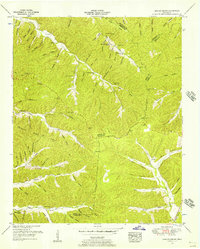 1951 Graves Spring1957 Print · USGSThe rural borderlands of Perry, Hickman, and Lewis Counties are captured here in the early fifties, showing a landscape of deep hollows and family homesteads. Genealogists can trace local roots through landmarks like Sinking Creek Church, Upper Brush Creek School, and Graves Cem.3 unique versions available
 - 1952 Map of Sunrise, 1957 Print
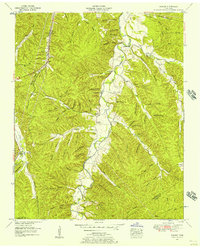 1952 Sunrise1957 Print · USGSHickman County in the early fifties is captured here as a landscape of isolated hollows and creek-side settlements. Researchers can trace the path of the Nashville Chattanooga & St Louis rail line or locate ancestral sites at Whiteside Cem and Rawleigh Chapel.2 unique versions available
 - 1952 Map of Beaverdam Springs, 1957 Print
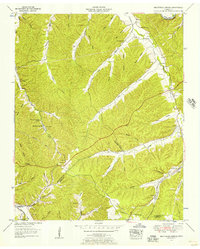 1952 Beaverdam Springs1957 Print · USGSHickman and Lewis counties come alive in this mid-century survey of the Tennessee hills and hollows along the Duck River. Researchers can trace family roots at Bates Cem or Goforth Cem, and locate landmarks like the Hornertown Lookout Tower and Nacome Camp.2 unique versions available
 - 1956 Map of Columbia, 1960 Print
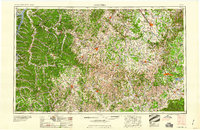 1956 Columbia1960 Print · USGSMiddle Tennessee in the mid-fifties presents a landscape of established river towns and critical rail hubs before the arrival of the modern interstate system. Researchers can trace the routes of the Louisville and Nashville railroad or locate historic landmarks like Stones River National Military Park and the Tennessee National Wildlife Refuge.6 unique versions available
Showing maps 1-25 of 27
Top cities of Lewis County
Frequently asked questions
- What are the different types of historical maps available for Lewis County?
- What is the oldest map of Lewis County?
- Where can I purchase historical maps of Lewis County for my home or office?
- Where can I download high-res historical maps of Lewis County?
- Are there historical topographic maps available for Lewis County?
- Is there historical aerial imagery available for Lewis County?
- Where are historical maps of Lewis County sourced from?