Old Maps of La Porte, Texas for Genealogy
Trace your family roots with 50 historic maps of La Porte. These high-res maps reveal old neighborhoods, homesites, landmarks, and streets — helping you uncover where your ancestors lived and how the area evolved over time.
- Explore historic neighborhoods: Identify where your relatives may have lived in the 1800s or 1900s.
- Compare maps over time: Trace the changes in streets, buildings, and landmarks for multi-generational research.
- Perfect for genealogy & ancestry research: Used by family historians and researchers to map out lineage and migration.
These maps are an incredible resource for exploring your personal connection to La Porte's past.
La Porte, TX maps
(50)- 1916 Map of Morgan Point
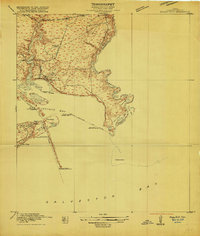 1916 Morgan Point1916 Print · USGSCoastal Harris and Chambers counties are shown in the years following the opening of the ship channel, when ferries and family landmarks still defined the shoreline. Genealogists and researchers can trace early settlements and navigation aids, from the Goose Creek School and Goose Creek Ferry to the landing at Morgan Point.
 - 1916 Map of Seabrook
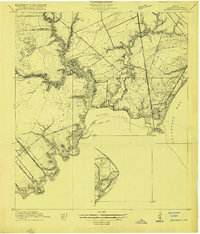 1916 Seabrook1916 Print · USGSThe Galveston Bay shoreline comes to life in the years before heavy industrialization, showing the early coastal developments of Seabrook and Bayview. Genealogists can trace the Old Middle Bayou School and early rail lines like the Galveston Houston Electric Ry.2 unique versions available
 - 1916 Map of La Porte
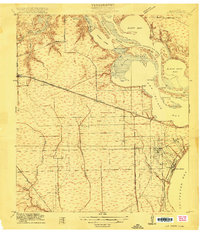 1916 La Porte1916 Print · USGSCoastal Harris County is captured here during a period of rapid maritime and rail expansion just before the end of the Great War. Genealogists and historians can trace early property divisions and rail stops from Deer Park to the waters of Sylvan Beach and the San Jacinto Battlefield.2 unique versions available
 - 1919 Map of Morgan Point
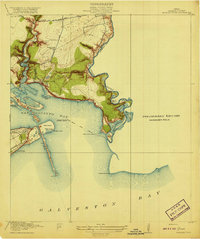 1919 Morgan Point1919 Print · USGSTexas's coastal industrial frontier comes to life just before the region's massive growth, showing the vital waterways of the bay. Trace the early footprints of Goose Creek, the railroad terminus at Bay Ridge, and the original Goose Creek School.2 unique versions available
 - 1920 Map of Seabrook
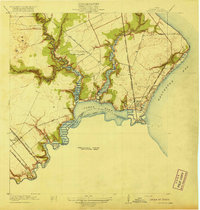 1920 Seabrook1920 Print · USGSCoastal Harris County near the end of the Great War was a network of bayous and new rail lines. Genealogists and local historians can locate early landmarks like the Old Middle Bayou School, the Clear Lake Inn, and the transit hub at Webster.
 - 1920 Map of La Porte
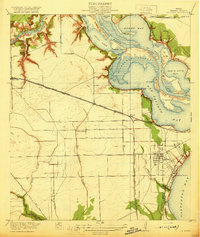 1920 La Porte1920 Print · USGSCoastal Harris County is documented here during a period of industrial growth along the Houston Ship Channel. Researchers can trace the early rail networks of the Galveston Harrisburg and San Antonio RR and locate community landmarks like Lomax School and Sylvan Beach.3 unique versions available
 - 1932 Map of Clifton By The Sea
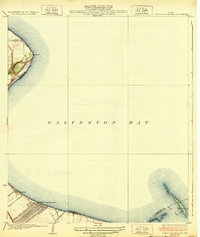 1932 Clifton By The Sea1932 Print · USGSThe Texas coastline along Galveston Bay appears in the early 1930s as a landscape of maritime navigation and rail-side settlements. Genealogists and historians can trace the streets of Clifton by the Sea and locate the Red Fish Bar L H lighthouse.2 unique versions available
 - 1932 Map of Seabrook
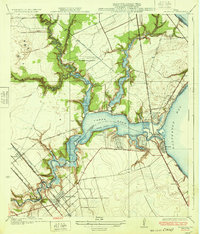 1932 Seabrook1932 Print · USGSThe Texas coastline between Houston and Galveston appears here in the early thirties, showcasing the growth of bayside communities. Genealogists and local historians can trace the early footprints of Seabrook, Kemah, and League City, or locate the Old Middle Bayou School and the Clear Lake Inn.3 unique versions available
 - 1943 Map of Morgan Point
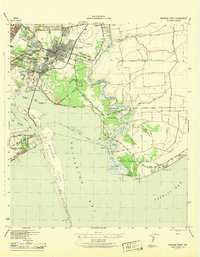 1943 Morgan Point1943 Print · USGSThe coastal communities of Goose Creek, Baytown, and Pelly are shown in detail during the early 1940s as the regional maritime economy expanded. Researchers can trace the dual rail lines of the Southern Pacific and Missouri Pacific or locate local landmarks like the Hill of Rest Cem.
 - 1943 Map of Clifton By The Sea, 1952 Print
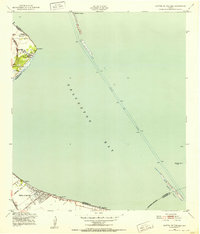 1943 Clifton By The Sea1952 Print · USGSThe western shores of Galveston Bay come alive in the 1940s, showcasing early coastal developments and maritime industry. Trace old waterfront family sites at Clifton by the Sea and San Leon, or locate historic burials at Harris Cem and Seabrook Cem.
 - 1944 Map of La Porte
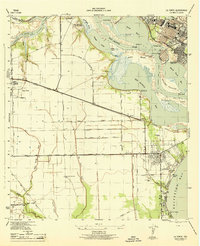 1944 La Porte1944 Print · USGSCoastal Harris County is captured during the mid-forties, showing the vital maritime and rail corridors near the San Jacinto River. Genealogists and researchers can trace local landmarks like the La Porte Cem, the whistle-stop at Strang, and the recreational grounds of Sylvan Beach.
 - 1950 Map of Houston, 1953 Print
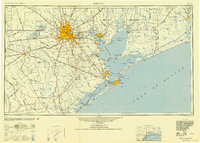 1950 Houston1953 Print · USGSCoastal Texas in the early fifties reveals a landscape of massive civil engineering and industrial transit. Genealogists and researchers can trace the growth of the Houston suburbs and the maritime infrastructure of Galveston Bay, including the Gulf Freeway and the Texas City Dike.
 - 1955 Map of League City, 1957 Print
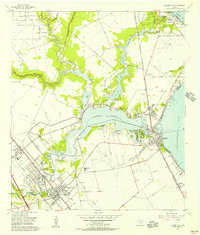 1955 League City1957 Print · USGSCoastal Texas near the mid-fifties reveals a landscape of tidal bayous and emerging industry. Trace the early layouts of League City and Seabrook, and locate features like the Fairview Cem, Clear Lake Oil Field, and the Harris County Boys Sch.3 unique versions available
 - 1955 Map of La Porte, 1957 Print
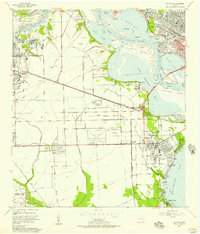 1955 La Porte1957 Print · USGSThe Harris County coastline was undergoing rapid industrial change in the mid-fifties as the Houston Ship Channel expanded. Trace early settlement patterns at Morgan Point, local schools like De Walt Sch, and the historic Sylvan Beach waterfront.
 - 1956 Map of Bacliff, 1957 Print
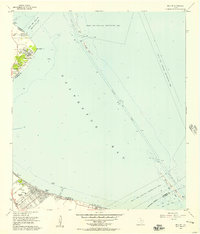 1956 Bacliff1957 Print · USGSCoastal life along the western edge of the bay comes to focus in the mid-fifties, showing a network of shorebound communities and maritime routes. Genealogists can trace early neighborhood layouts in Bacliff and El Jardin Del Mar or locate landmarks like Seabrook Cem and Red Fish Island.3 unique versions available
 - 1956 Map of Morgan Point, 1957 Print
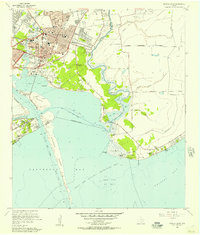 1956 Morgan Point1957 Print · USGSCoastal Chambers and Harris Counties are shown here during a mid-century period of industrial and suburban development. Genealogists and local historians can locate the Morgan Point Cem, trace the Southern Pacific rail lines, and explore the sprawling Goose Creek Oil Field.3 unique versions available
 - 1956 Map of Houston, 1963 Print
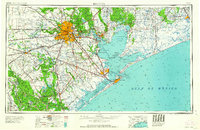 1956 Houston1963 Print · USGSSoutheast Texas in the mid-fifties is captured here as a powerhouse of oil and maritime trade. Genealogists and historians can trace the foundations of Houston and its ports, alongside landmarks like the Rice Institute and the Spindletop Oil Field.2 unique versions available
 - 1967 Map of La Porte, 1970 Print
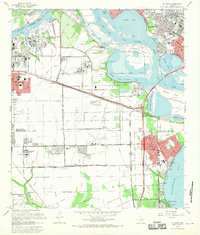 1967 La Porte1970 Print · USGSCoastal Harris County in the late sixties shows a landscape where industrial shipping channels meet growing bayfront communities. Genealogists and local historians can trace residential patterns in Lomax, locate Betheny Cem, and see the early footprint of San Jacinto College.
 - 1975 Map of Houston, 1977 Print
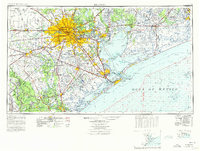 1975 Houston1977 Print · USGSThe Texas Gulf Coast in the mid-seventies shows a sprawling Houston metropolis linked to the sea by the massive Houston Ship Channel. Researchers can trace the mid-century industrial landscape from the Astrodome to the Lyndon B. Johnson Space Center.2 unique versions available
 - 1982 Map of Morgans Point
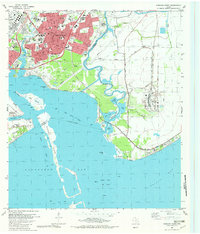 1982 Morgans Point1982 Print · USGSBaytown and its surrounding coastal communities are shown here at the start of the 1980s, balancing industrial expansion with residential life. Genealogists and historians can trace neighborhood developments around Lee High Sch, the Hill of Rest Cem, and the specialized maritime docks at Barbours Cut.
 - 1982 Map of League City
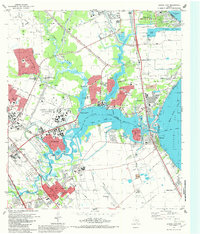 1982 League City1982 Print · USGSThe coastal corridor south of Houston was a hub of aerospace innovation and maritime industry in the early eighties. Researchers can locate the NASA Space Center, the Houston Gulf Airport, and local landmarks like Fairview Cem or the Southern Pacific tracks.3 unique versions available
 - 1982 Map of Bacliff
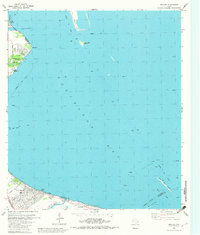 1982 Bacliff1982 Print · USGSUpper Galveston Bay and the Texas coast come alive in this early eighties survey of the bustling Houston maritime corridor. Genealogists and local historians can trace the development of Bacliff, San Leon, and Seabrook alongside the heavy industrial footprint of the Oil Field.
 - 1982 Map of La Porte, 1983 Print
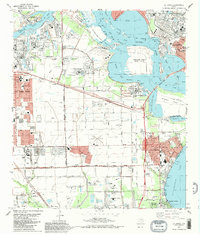 1982 La Porte1983 Print · USGSThe industrial and maritime heart of the Texas coast comes into focus in the early eighties as the ship channel drives the local economy. Trace family history and regional growth at La Porte, San Jacinto State Park, and the Wooster Cem.
 - 1983 Map of Anahuac
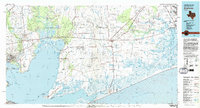 1983 Anahuac1983 Print · USGSThe Upper Texas Coast and its energy-driven landscape are detailed here in the early eighties. Genealogists and historians can trace coastal settlements like Anahuac and Winnie alongside the storied Spindletop Oil Field and the Anahuac National Wildlife Refuge.2 unique versions available
 - 1992 Map of Houston
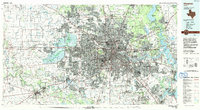 1992 Houston1992 Print · USGSThe Houston metropolitan area reached its modern sprawl in the early nineties, centered on the Buffalo Bayou and a massive regional rail network. Genealogists and historians can trace the development of satellite cities like Sugar Land and Pasadena, or locate legacy sites like the Humble Oil Field and the NASA Lyndon B Johnson Space Center.
Showing maps 1-25 of 50
Top cities near La Porte
- Houston historical maps
- Pasadena historical maps
- Pearland historical maps
- League City historical maps
- Baytown historical maps
- Channelview historical maps
See more
Top neighborhoods of La Porte
- Sylvan Beach historical maps
- Bay Oaks historical maps
- Bay Shore Park historical maps
- Bayside Terrace historical maps
- Lomax historical maps
- Spenwick Place historical maps
See more
Frequently asked questions
- What are the different types of historical maps available for La Porte?
- What is the oldest map of La Porte?
- Where can I purchase historical maps of La Porte for my home or office?
- Where can I download high-res historical maps of La Porte?
- Are there historical topographic maps available for La Porte?
- Is there historical aerial imagery available for La Porte?
- Where are historical maps of La Porte sourced from?