Old Maps of Greenville, Texas
Explore 27 old maps of Greenville, spanning from 1954 to today. These high-resolution historic maps reveal how streets, neighborhoods, landmarks, and natural features evolved over time — perfect for genealogy, metal detecting, research, and local history exploration.
What you can do with these maps:
- See how Greenville changed over time: Compare historical maps to modern-day views to trace roads, homesites, rail lines & more.
- View detailed metadata: Each map includes creators, publishers, year, scale, and archive source.
- Overlay maps with satellite & LiDAR: Visualize the past alongside modern tools to explore terrain & human change.
- Trusted historical sources: Maps sourced from the USGS, Library of Congress, and other archives.
- Access maps your way: View online, download high-res files, or order prints for personal or research use.
Start exploring old maps of Greenville to uncover forgotten places, hidden landmarks, and the deep history beneath your feet.
Greenville, TX maps
(27)- 1954 Map of Sherman, 1964 Print
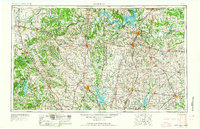 1954 Sherman1964 Print · USGSThe Red River valley and North Texas plains are captured here in the mid-fifties, showing the region as new reservoirs like Lake Texoma and Lavon Reservoir reshaped the land. Genealogists can trace family roots through specific local landmarks like Courtney P O, Pilot Grove Sch, and New Hope Ch.2 unique versions available
 - 1958 Map of Sherman, 1959 Print
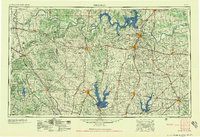 1958 Sherman1959 Print · USGSNorth Texas and Southern Oklahoma were undergoing significant development in the late fifties as the Red River Valley transit networks matured. Researchers can trace historic family-named locations such as Saddler Bend, the grounds of Perrin AFB, and early shoreline developments at Lake Texoma.
 - 1962 Map of Greenville NW, 1964 Print
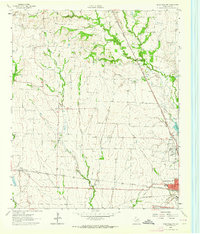 1962 Greenville NW1964 Print · USGSHunt County, Texas, was a crossroads of the rail industry in the early sixties, defined by three major intersecting lines. Genealogists can trace family roots through the Barnett Boles Cem, McWright Cem, and rural centers like Floyd and Kingston.2 unique versions available
 - 1962 Map of Greenville SW, 1964 Print
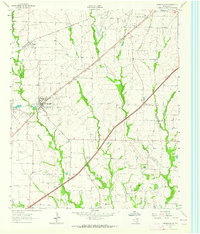 1962 Greenville SW1964 Print · USGSHunt County, Texas, was a landscape of rail-driven towns and small agricultural communities in the early sixties. Genealogists can trace family footprints at the IOOF Cem, Paradise Ch, and the rural crossroads of Clinton or Hendrix.
 - 1962 Map of Greenville SE, 1964 Print
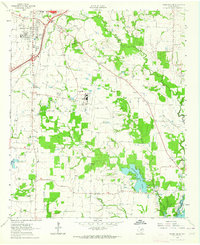 1962 Greenville SE1964 Print · USGSIn the early sixties, the area southeast of Greenville was a landscape of aviation, oil exploration, and rural family settlements. Researchers can trace landownership through landmarks like Majors Field, Weiland Oil Field, and several country churches including Rattle Ax Ch.
 - 1963 Map of Greenville NE, 1964 Print
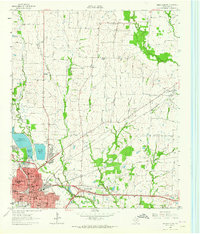 1963 Greenville NE1964 Print · USGSHunt County in the early sixties is captured here as a critical rail hub where three major lines meet. Researchers can trace family history through sites like Old Concord Ch, Hopkins No 1 Cem, and the community of Neylandville.3 unique versions available
 - 1985 Map of McKinney
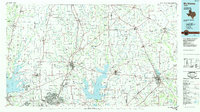 1985 McKinney1985 Print · USGSNorth Texas in the mid-1980s was a landscape of rural communities connected by a complex web of railroads and creek systems. Researchers can trace family roots through settlements like Westminster, find local landmarks like Henslee Chapel, or map the industrial activity at various Gravel Pits.2 unique versions available
 - 2010 Map of Greenville NE, 2010 Print
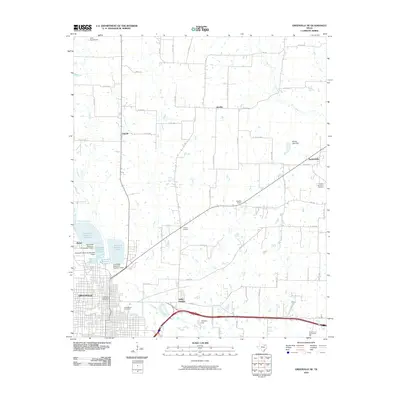 2010 Greenville NE2010 Print · USGSGreenville and its northeastern rural surroundings are captured here at the start of the decade, showing the city's growth alongside established family homesteads. Genealogists can trace local roots at East Mount Cemetery or locate the historic school and church sites in Peniel and Neylandville.
 - 2010 Map of Greenville SE, 2010 Print
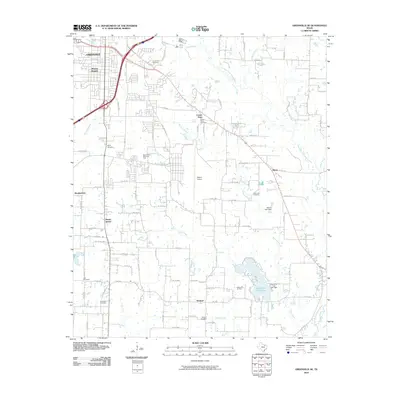 2010 Greenville SE2010 Print · USGSSoutheast of Greenville in the early twenty-first century, this landscape shows a blend of city expansion and deep-rooted rural Texas settlements. Researchers can trace family history through several burial sites like Boyle Cemetery or explore the geography of Etter Lake and the Weiland Oil Field.
 - 2010 Map of Greenville SW, 2010 Print
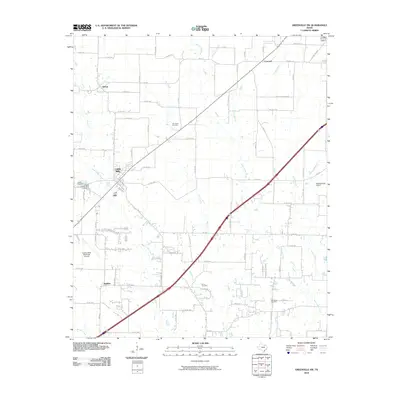 2010 Greenville SW2010 Print · USGSCaddo Mills and its surrounding rural communities are captured here in the first decade of the 2000s. Genealogists and local researchers can locate family sites at Elm Creek Cemetery or Van Sickle Cemetery and trace the paths of West Caddo Creek through Clinton.
 - 2010 Map of Greenville NW, 2010 Print
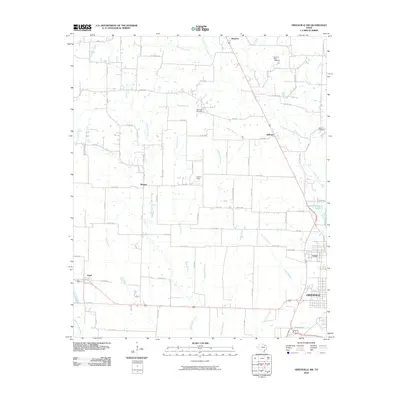 2010 Greenville NW2010 Print · USGSHunt County at the turn of the decade reveals a landscape transitioning from rural farmsteads to suburban expansion north of the county seat. Genealogists and local historians can trace family roots at McWright Cemetery, find the settlement at Kingston, or locate the historic water works at Greenville-Reservoir Number 6.
 - 2013 Map of Greenville NE, 2013 Print
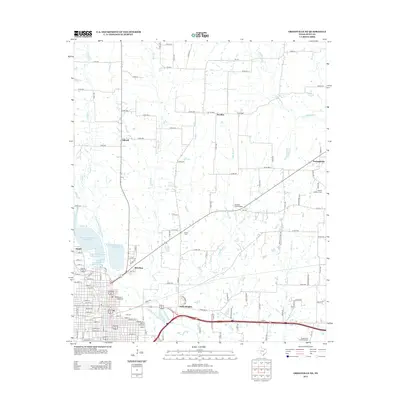 2013 Greenville NE2013 Print · USGSHunt County's rural landscape comes into focus in this early 21st-century survey of the headwaters of the Sabine River. Genealogists and local historians can trace small communities like Neylandville and Tidwell, or locate family sites at Liberty Cem and E Mt Cem.
 - 2013 Map of Greenville SE, 2013 Print
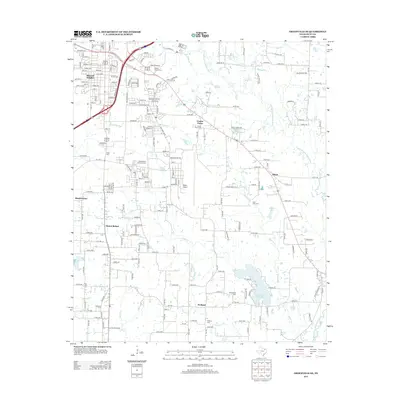 2013 Greenville SE2013 Print · USGSHunt County at the start of the 2010s shows a transition from the suburban edge of Mineral Heights to the active Weiland Oil Field. Genealogists and local historians can locate several family-named burial sites like Boyle Cem and Simmons Cem alongside landmarks like Majors Airport.
 - 2013 Map of Greenville NW, 2013 Print
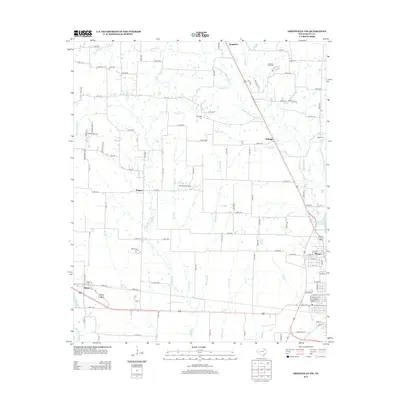 2013 Greenville NW2013 Print · USGSHunt County in the early twenty-first century reveals a landscape shaped by the headwaters of the Sabine River and rural communities. Genealogists and historians can locate family burial sites like Barnhart Boles Cem and trace settlements at Peniel and Floyd.
 - 2013 Map of Greenville SW, 2013 Print
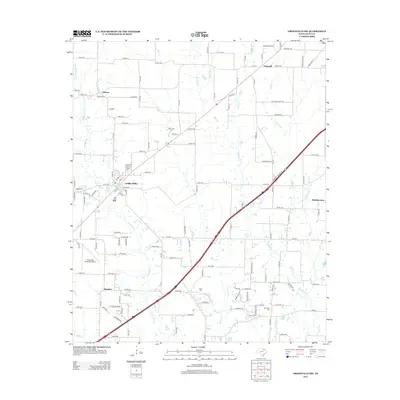 2013 Greenville SW2013 Print · USGSHunt County at the start of the 2010s shows a landscape of established rural communities and winding creek systems. Genealogists can locate family landmarks like Stone Cem or trace the early foundations of Caddo Mills and the community of Hendrix.
 - 2016 Map of Greenville NW, 2016 Print
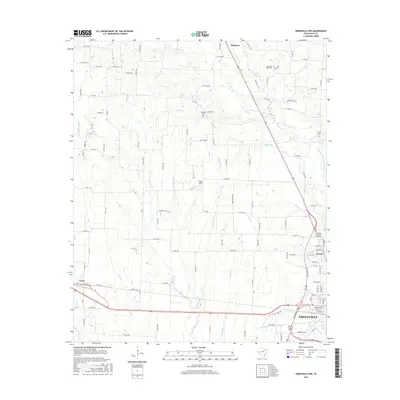 2016 Greenville NW2016 Print · USGSHunt County in the mid-2010s reveals a landscape where the growing city of Greenville meets the rural roots of the Sabine River headwaters. Researchers can trace family history through sites like Boles Cem, Kingston, and the historic Peniel community.
 - 2016 Map of Greenville NE, 2016 Print
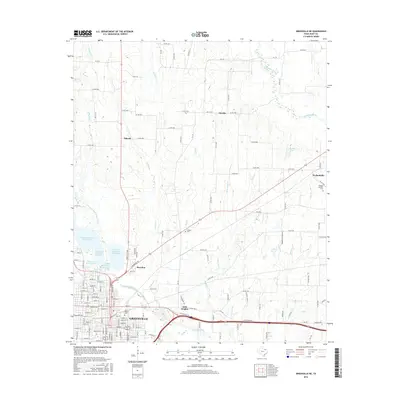 2016 Greenville NE2016 Print · USGSThe outskirts of Greenville and the winding tributaries of the Sabine River come into focus in the mid-2010s. Genealogists and local historians can trace family plots at East Mount Cem or locate the quiet crossroads of Jacobia and Neylandville.
 - 2016 Map of Greenville SW, 2016 Print
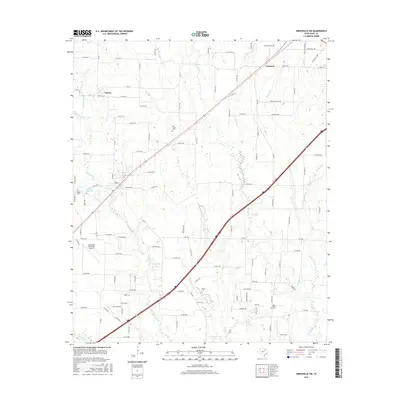 2016 Greenville SW2016 Print · USGSHunt County's rural prairies southwest of Greenville appear in the mid-2010s, showing a landscape defined by creeks and family landmarks. Genealogists can locate Elm Creek Cem and Stone Cem or trace old routes through Clinton and Concord.
 - 2016 Map of Greenville SE, 2016 Print
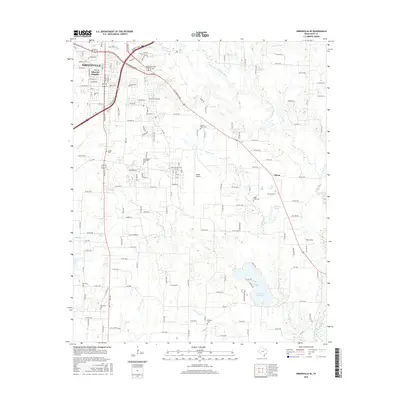 2016 Greenville SE2016 Print · USGSGreenville and its southeastern outskirts are captured in this mid-2010s survey as the city transitions into the Hunt County countryside. Genealogists can trace family heritage at Boyle Cem, Simmons Cem, and Hart Cem among the many rural burial sites.
 - 2019 Map of Greenville NW, 2019 Print
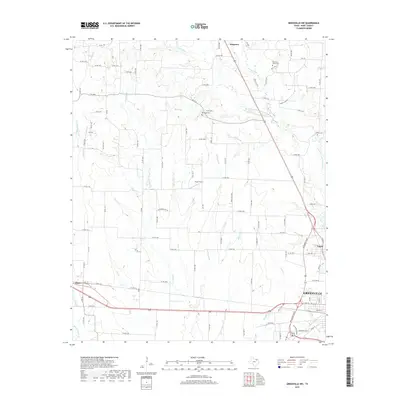 2019 Greenville NW2019 Print · USGSThe northern edge of Hunt County is shown here in the late twenty-tens, capturing the rural landscape between Greenville and Kingston. Local historians can trace family roots at Barnhart Boles Cemetery or follow the waters of the Cowleech Fork Sabine River.
 - 2019 Map of Greenville NE, 2019 Print
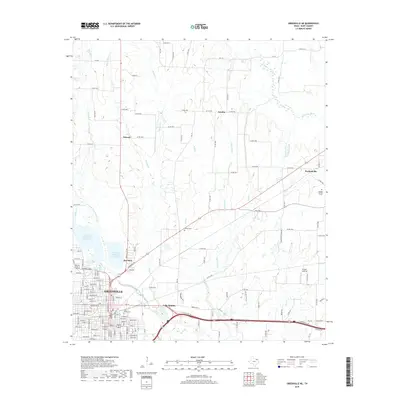 2019 Greenville NE2019 Print · USGSHunt County at the close of the 2010s shows a landscape where the growing city of Greenville meets the Blackland Prairie. Genealogists and historians can trace the rural communities of Neylandville and Tidwell or locate family plots at East Mount Cem.
 - 2019 Map of Greenville SE, 2019 Print
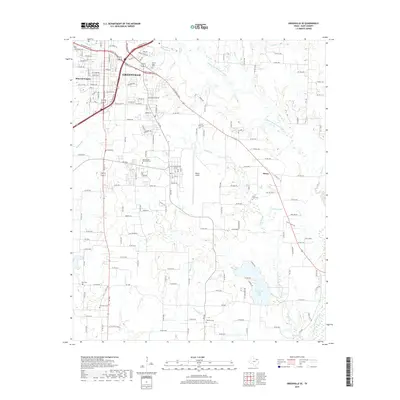 2019 Greenville SE2019 Print · USGSSoutheastern Hunt County in the late 2010s shows a landscape of modern aviation and rural heritage just outside the Greenville city limits. Researchers can trace numerous local burial grounds like Center Point Cem and Etter Lake Cem alongside the runways of Majors Airport.
 - 2019 Map of Greenville SW, 2019 Print
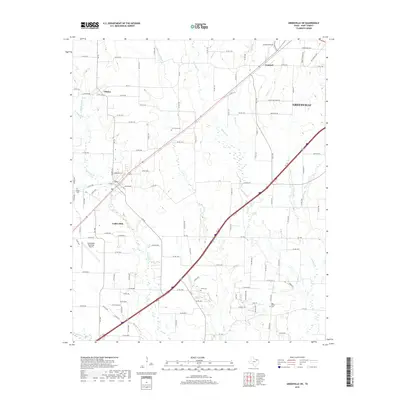 2019 Greenville SW2019 Print · USGSHunt County, Texas, is shown in the late twenty-teens as a blend of expanding suburban corridors and long-standing rural communities. Researchers can trace family sites at Elm Creek Cemetery or locate the early centers of Clinton, Concord, and Caddo Mills.
 - 2022 Map of Greenville NE, 2022 Print
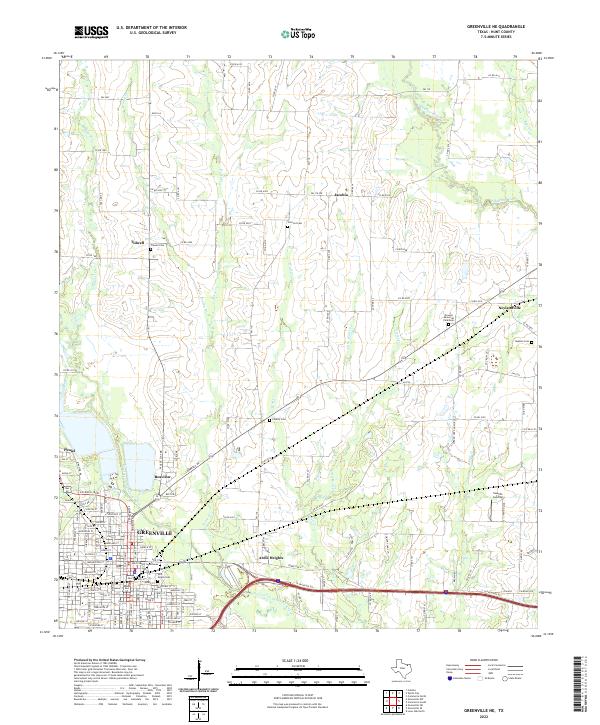 2022 Greenville NE2022 Print · USGSHunt County at the dawn of the 2020s shows the continued growth of Greenville alongside its enduring rural roots. Researchers can trace family history through sites like Hunt County Courthouse, East Mount Cem, and the outlying settlement of Neylandville.
 - 2022 Map of Greenville SW, 2022 Print
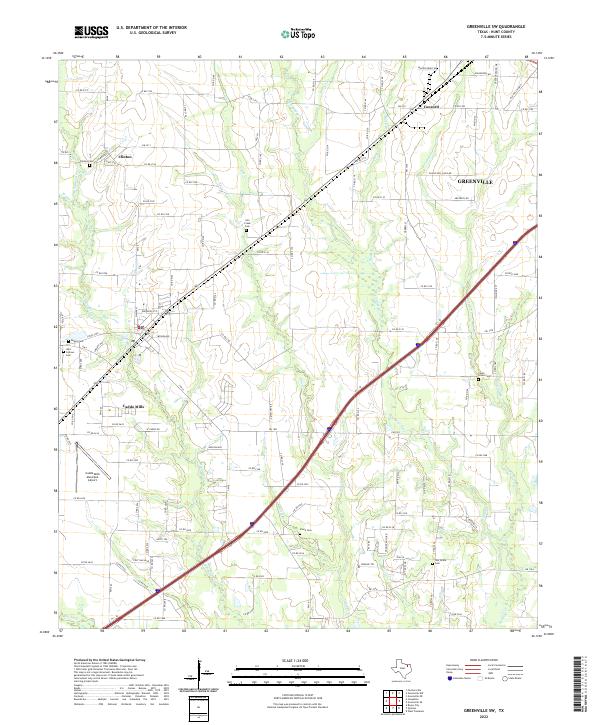 2022 Greenville SW2022 Print · USGSHunt County at the start of the 2020s reveals the continued growth of Greenville and Caddo Mills along the Caddo Creek watershed. Researchers can trace family history across several legacy sites, including Stone Cem, Dugan Cem, and Clinton Cem.
Showing maps 1-25 of 27
Top cities near Greenville
- Royse City historical maps
- Commerce historical maps
- Josephine historical maps
- Caddo Mills historical maps
- West Tawakoni historical maps
- West Tawakoni historical maps
See more
Top neighborhoods of Greenville
- Ardis Heights historical maps
- Mineral Heights historical maps
- Peniel historical maps
- Reavilon historical maps
Frequently asked questions
- What are the different types of historical maps available for Greenville?
- What is the oldest map of Greenville?
- Where can I purchase historical maps of Greenville for my home or office?
- Where can I download high-res historical maps of Greenville?
- Are there historical topographic maps available for Greenville?
- Is there historical aerial imagery available for Greenville?
- Where are historical maps of Greenville sourced from?