Old Maps of Salt Gap, Texas for Academic Research
Study the evolution of Salt Gap with 11 high-resolution historic maps. Whether you're teaching, researching, or modeling changes in land use, these maps provide essential visual documentation of urban, environmental, and geographic change.
- Analyze long-term change: Track patterns in development, transportation, and natural features.
- Ideal for environmental or urban studies: Support academic projects with primary historical map data.
- Use in the classroom or lab: Educators and researchers rely on these maps to bring historical context to life.
These maps are a powerful tool for teaching, research, and visualizing how Salt Gap has changed over the decades.
Salt Gap, TX maps
(11)- 1892 Map of Eden
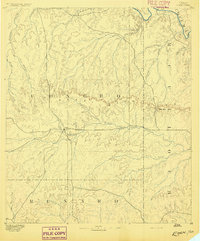 1892 Eden1892 Print · USGSCentral Texas ranching country in the late eighteen-hundreds is defined by the early development of Eden and the surrounding rangeland. Researchers can trace historic drainage and terrain features like Salt Gap, the Brady Mountains, and Kickapoo Creek.
 - 1896 Map of Eden
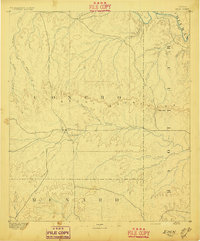 1896 Eden1896 Print · USGSWest Texas ranching country was still largely open range in the late nineteenth century. Genealogists and historians can trace early land use around Eden and follow the rugged escarpment of the Brady Mountains toward Salt Gap.4 unique versions available
 - 1931 Map of Stacy
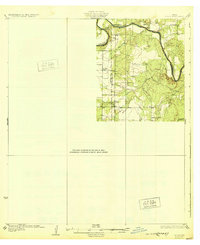 1931 Stacy1931 Print · USGSCentral Texas ranching country comes into focus during the 1920s as the river defines three county lines. Genealogists can locate rural schoolhouses like Hardin Sch and Williams Sch or trace old river fords at Crane Crossing.2 unique versions available
 - 1954 Map of Brownwood, 1955 Print
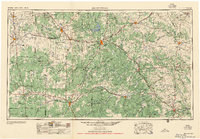 1954 Brownwood1955 Print · USGSCentral Texas in the early fifties shows a landscape of rail-linked cattle towns and winding river valleys before modern highway expansion. Genealogists and historians can trace family-named peaks and vanished rail stops like Trickham, Santa Anna, and the Brady Mountains.3 unique versions available
 - 1967 Map of Salt Gap, 1969 Print
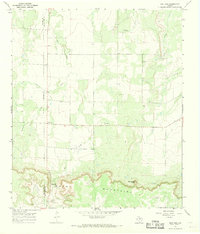 1967 Salt Gap1969 Print · USGSThe border of Concho and McCulloch counties comes alive in the late sixties as the ranching country meets the Brady Mountains. Genealogists and researchers can trace the roads around Salt Gap and locate family landmarks like Rattlesnake Point or Little Saddle Creek.2 unique versions available
 - 1985 Map of Brady
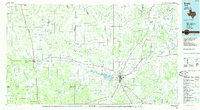 1985 Brady1985 Print · USGSMcCulloch and Concho counties during the mid-1980s show a landscape of small ranching communities tied together by the Atchison Topeka and Santa Fe rail line. Researchers can trace rural developments like West Sweden, Pear Valley, and the waters of the Brady Reservoir.2 unique versions available
 - 2010 Map of Salt Gap, 2010 Print
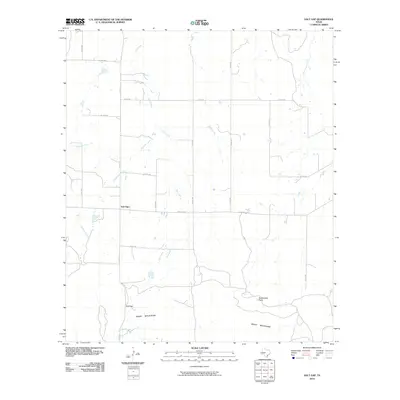 2010 Salt Gap2010 Print · USGSSalt Gap and the northern slopes of the Brady Mountains are captured here in the early twenty-first century. Researchers can trace the rural landscape via Salt Creek, Rattlesnake Point, and the network of roads serving the settlement of Salt Gap.
 - 2013 Map of Salt Gap, 2013 Print
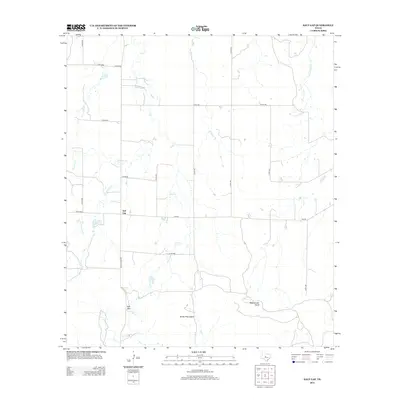 2013 Salt Gap2013 Print · USGSSalt Gap and the surrounding McCulloch County landscape are captured here in the early twenty-first century, showing a region defined by ranching and high-desert terrain. Researchers can trace the drainage of Salt Cr and Little Saddle Cr or locate specific property access points along Ranch Road 503 and FM-504.
 - 2016 Map of Salt Gap, 2016 Print
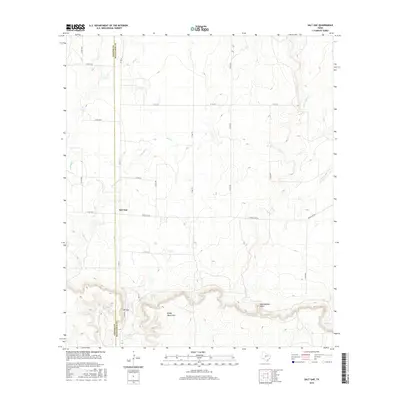 2016 Salt Gap2016 Print · USGSCentral Texas ranch country is documented here in the mid-2010s as it straddles the Concho and McCulloch county line. Researchers can trace rural property access and high-ground landmarks like Rattlesnake Point, the Brady Mountains, and the Salt Gap settlement.
 - 2019 Map of Salt Gap, 2019 Print
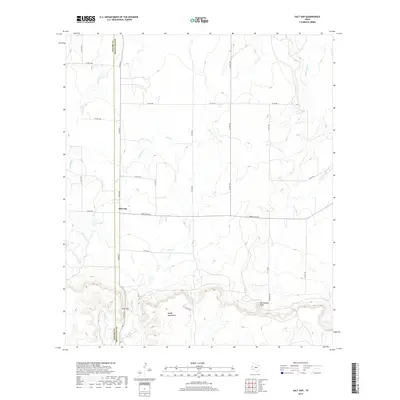 2019 Salt Gap2019 Print · USGSThe ranching country of the Texas Edwards Plateau meets the Brady Mountains in this modern survey of the Concho Co and McCulloch Co line. Researchers can trace rural road networks around Salt Gap and locate landmarks like Rattlesnake Point.
 - 2022 Map of Salt Gap, 2022 Print
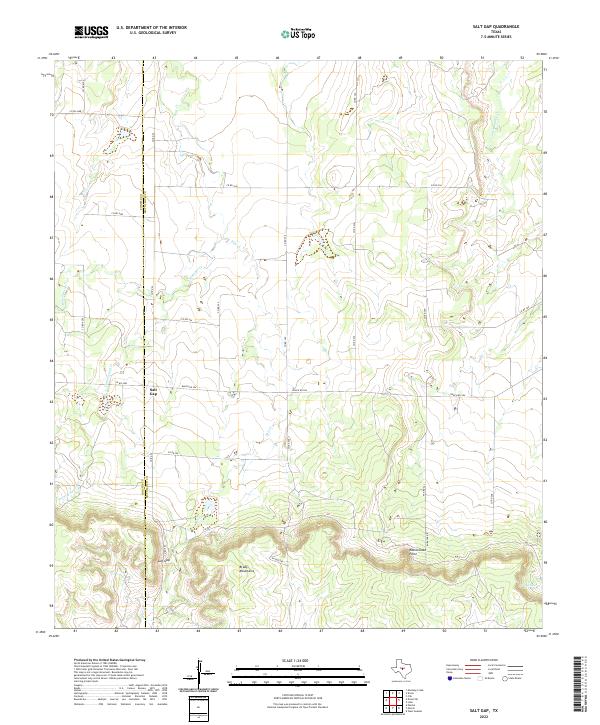 2022 Salt Gap2022 Print · USGSMcCulloch County ranching country is mapped here in the early twenty-first century, centered on the historic crossroads at the base of the mountains. Genealogists and locals can trace the roads and drainages surrounding Salt Gap, Rattlesnake Point, and the Brady Mountains.
End of results
Showing maps 1-11 of 11
Top cities near Salt Gap
Frequently asked questions
- What are the different types of historical maps available for Salt Gap?
- What is the oldest map of Salt Gap?
- Where can I purchase historical maps of Salt Gap for my home or office?
- Where can I download high-res historical maps of Salt Gap?
- Are there historical topographic maps available for Salt Gap?
- Is there historical aerial imagery available for Salt Gap?
- Where are historical maps of Salt Gap sourced from?