Old Maps of Dye, Texas for Metal Detecting
Plan your next treasure hunt with 11 historic maps of Dye. Find old homesites, ghost towns, trails, and gathering spots that may be lost to time — perfect for identifying promising metal detecting locations.
- Locate forgotten sites: Uncover places like long-lost settlements, abandoned rail lines, or gathering spots.
- Plan better hunts: Use map overlays combined with LiDAR or satellite views to narrow in on historically rich areas.
- Made for detectorists: Thousands of hobbyists use these maps to discover relics, coins, and hidden history.
Use these historic maps to boost your research and find new opportunities beneath the surface of Dye.
Dye, TX maps
(11)- 1905 Map of Montague
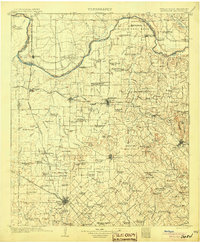 1905 Montague1905 Print · USGSMontague County and the bordering Chickasaw Nation are captured here in the early twentieth century as the frontier transitioned into a settled rail corridor. Genealogists and local researchers can locate numerous rural schools like Eagle Pt. School and trace river crossings such as Owings Ferry.3 unique versions available
 - 1954 Map of Sherman, 1964 Print
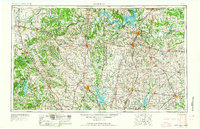 1954 Sherman1964 Print · USGSThe Red River valley and North Texas plains are captured here in the mid-fifties, showing the region as new reservoirs like Lake Texoma and Lavon Reservoir reshaped the land. Genealogists can trace family roots through specific local landmarks like Courtney P O, Pilot Grove Sch, and New Hope Ch.2 unique versions available
 - 1958 Map of Sherman, 1959 Print
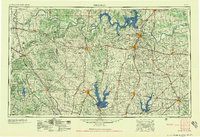 1958 Sherman1959 Print · USGSNorth Texas and Southern Oklahoma were undergoing significant development in the late fifties as the Red River Valley transit networks matured. Researchers can trace historic family-named locations such as Saddler Bend, the grounds of Perrin AFB, and early shoreline developments at Lake Texoma.
 - 1961 Map of Forestburg, 1963 Print
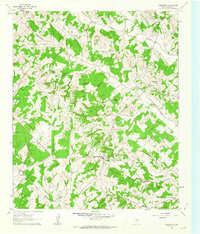 1961 Forestburg1963 Print · USGSMontague County’s rural character is well-preserved in this early 1960s survey of the country surrounding Forestburg. Local historians can trace the foundations of the regional oil and gravel industries or locate family landmarks like Hardy Cem, Tadlock Hill, and the Mallard Oil Field.2 unique versions available
 - 1985 Map of Gainesville
 1985 Gainesville1985 Print · USGSThe Red River valley in the mid-1980s reveals a landscape defined by the petroleum industry and a complex rail network. Researchers can trace the legacy of regional energy at the Bowers Field or locate community roots near Spanish Fort and Lakeview Cemetery.
 - 1991 Map of Gainesville
 1991 Gainesville1991 Print · USGSThe Red River borderlands of Texas and Oklahoma are captured here in the early nineties, showing a region defined by cattle history and oil production. Researchers can trace the layout of historic settlements like Spanish Fort and Belcherville or locate family landmarks near Queens Peak and Moss Lake.
 - 2010 Map of Forestburg, 2010 Print
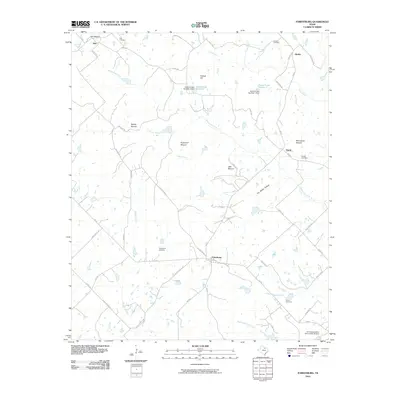 2010 Forestburg2010 Print · USGSForestburg and the surrounding Montague County countryside are captured here in the early twenty-first century. Researchers can locate family roots at Antioch and Traylor Cemetery, or trace old property lines near Dye Mound and Jim White Hollow.
 - 2013 Map of Forestburg, 2013 Print
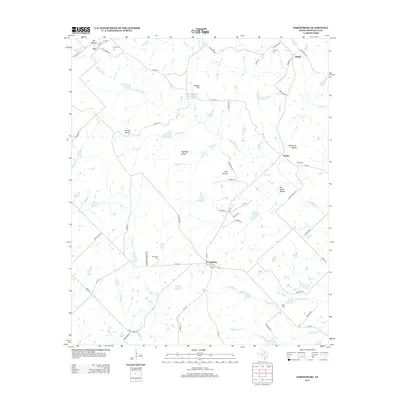 2013 Forestburg2013 Print · USGSMontague County ranching country is documented here in the early twenty-first century, showing the small communities and high mounds that define the landscape. Researchers can trace family history through sites like Dye Cem, Antioch Cem, and the old settlement at Hardy.
 - 2016 Map of Forestburg, 2016 Print
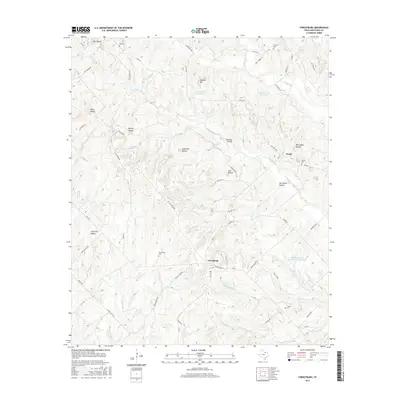 2016 Forestburg2016 Print · USGSMontague County at the mid-2010s reveals a rural landscape deeply connected to its community roots and topography. Genealogists and local historians can trace family locations near Forestburg, Dye Mound, and numerous sites like Antioch Cemetery and Hardy Cemetery.
 - 2019 Map of Forestburg, 2019 Print
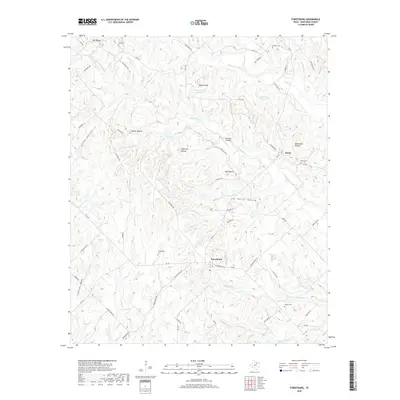 2019 Forestburg2019 Print · USGSForestburg and the surrounding Montague County countryside are captured here in the late twenty-teens, showing a landscape defined by prominent ridges and rural road networks. Genealogists can locate family landmarks like Dye Cem, Traylor Cem, and Jack Mound among the many named hollows and creek branches.
 - 2022 Map of Forestburg, 2022 Print
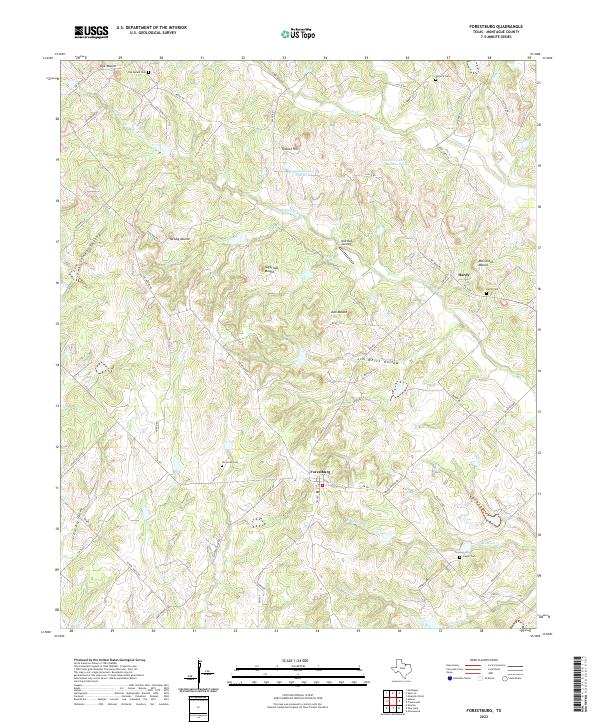 2022 Forestburg2022 Print · USGSMontague County at the start of the 2020s remains a landscape of rural crossroads and high prairie mounds. Genealogists and local historians can trace legacy land markers like Perryman Cem, Dye Mound, and the family-named McCracken Mound.
End of results
Showing maps 1-11 of 11
Top cities near Dye
Frequently asked questions
- What are the different types of historical maps available for Dye?
- What is the oldest map of Dye?
- Where can I purchase historical maps of Dye for my home or office?
- Where can I download high-res historical maps of Dye?
- Are there historical topographic maps available for Dye?
- Is there historical aerial imagery available for Dye?
- Where are historical maps of Dye sourced from?