Old Maps of Heath, Texas
Explore 29 old maps of Heath, spanning from 1891 to today. These high-resolution historic maps reveal how streets, neighborhoods, landmarks, and natural features evolved over time — perfect for genealogy, metal detecting, research, and local history exploration.
What you can do with these maps:
- See how Heath changed over time: Compare historical maps to modern-day views to trace roads, homesites, rail lines & more.
- View detailed metadata: Each map includes creators, publishers, year, scale, and archive source.
- Overlay maps with satellite & LiDAR: Visualize the past alongside modern tools to explore terrain & human change.
- Trusted historical sources: Maps sourced from the USGS, Library of Congress, and other archives.
- Access maps your way: View online, download high-res files, or order prints for personal or research use.
Start exploring old maps of Heath to uncover forgotten places, hidden landmarks, and the deep history beneath your feet.
Heath, TX maps
(29)- 1891 Map of Dallas
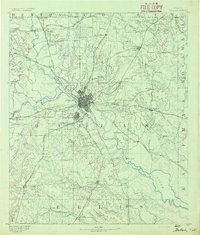 1891 Dallas1891 Print · USGSThe Dallas area during the late nineteenth century was a rapidly growing rail hub still defined by its river crossings and rural outposts. Genealogists and historians can trace the foundations of the metroplex through early landmarks like Oak Cliff, Doddy's Ferry, and Haughts Store.
 - 1893 Map of Dallas
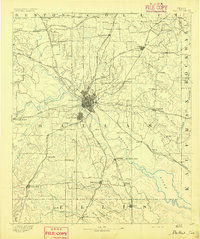 1893 Dallas1893 Print · USGSDallas was a rising railroad power in the 1890s, when iron rails and river crossings dictated the growth of North Texas. Genealogists can locate vanished landmarks and rural hubs like Oak Cliff, Doddy's Ferry, and Haught's Store before the city's modern sprawl.5 unique versions available
 - 1912 Map of Rockwall
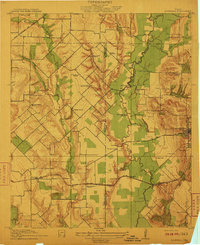 1912 Rockwall1912 Print · USGSTexas blackland prairie and river bottoms are captured here in the years before the landscape was transformed by suburban expansion. Genealogists can locate family homesites near rural landmarks like Lewis Store, Wards Chapel, and the Elm Grove School.2 unique versions available
 - 1919 Map of Royse City
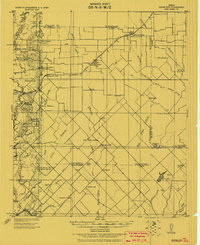 1919 Royse City1919 Print · USGSThe agricultural heart of Northeast Texas is captured here just after the Great War, as the Blackland Prairie was crisscrossed by essential rail lines. Trace the locations of early rural landmarks like Locust Grove School, the Randle Ranch, and the vanished stop at Rockwall Station.
 - 1954 Map of Dallas, 1963 Print
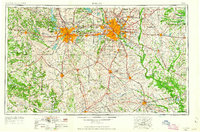 1954 Dallas1963 Print · USGSNorth Texas in the mid-fifties and early sixties reveals a landscape of rapid urban growth and water management. Genealogists and historians can trace the evolution of the metroplex through landmarks like Hensley Field, Boles Orphan Home, and the Texas & Pacific RR.4 unique versions available
 - 1958 Map of Dallas
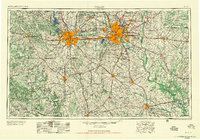 1958 Dallas1958 Print · USGSNorth Texas in the late fifties shows the dramatic expansion of the Metroplex as it absorbs surrounding farm towns. Genealogists and historians can trace old rail lines like the Missouri-Kansas-Texas and locate early lakefront developments at Eagle Mountain Lake and Lake Worth Village.
 - 1959 Map of Mesquite, 1960 Print
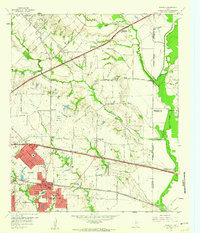 1959 Mesquite1960 Print · USGSMesquite and Sunnyvale are documented during a period of rapid suburbanization as residential grids began to meet rural bottomlands. Genealogists can trace family footprints at Macedonia Ch, Tripp, and the Florence Black Sch.4 unique versions available
 - 1959 Map of Garland, 1963 Print
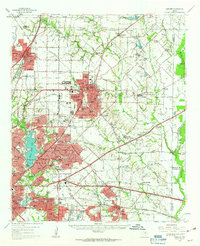 1959 Garland1963 Print · USGSEastern Dallas County is captured in the late fifties as small towns begin to merge into a growing suburban landscape. Genealogists and historians can trace local family roots at Blewett Cem and see the early footprints of Richardson, Sunnyvale, and the White Rock Airport.
 - 1963 Map of Forney North, 1966 Print
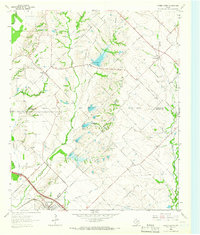 1963 Forney North1966 Print · USGSKaufman and Rockwall Counties are captured here in the early sixties as rural farm life met new infrastructure. You can trace family roots at Chisholm Cem, locate the Mt Rose Ch, or follow the Texas and Pacific rail line through Forney.3 unique versions available
 - 1963 Map of Rockwall, 1966 Print
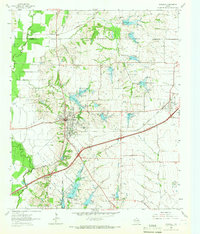 1963 Rockwall1966 Print · USGSRockwall and the surrounding Blackland Prairie terrain are captured here in the early sixties as the region transitioned toward modern development. Researchers can trace family sites near Mt Zion Cem, the old Fate depot area, and the tracks of the Texas and Pacific Railroad.4 unique versions available
 - 1986 Map of Dallas
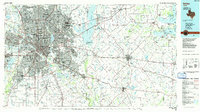 1986 Dallas1986 Print · USGSThe North Texas metropolitan landscape comes into focus during the mid-eighties as urban growth expands toward the eastern reservoirs. Researchers can trace historic cemeteries like Oak Cliff Cem, rail corridors of the Texas & Pacific RR, and landmarks such as Southern Methodist University.3 unique versions available
 - 1995 Map of Mesquite, 2002 Print
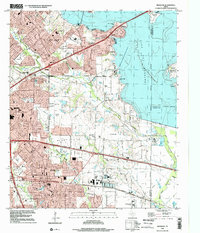 1995 Mesquite2002 Print · USGSMesquite and Garland expand toward the shores of Lake Ray Hubbard during the mid-nineties as suburban development meets older rural settlements. Researchers can trace the evolution of local landmarks from Rose Hill Church to the Long Creek Cemetery and Town East Mall.
 - 1995 Map of Rockwall, 2002 Print
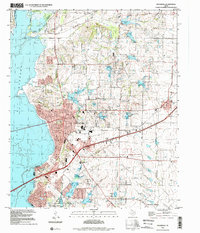 1995 Rockwall2002 Print · USGSRockwall County witnessed significant suburban expansion toward the end of the century as it oriented itself around the reservoir. Researchers can trace land development and historic family sites like Mt Zion Cem, Zollner Ranch, and the Old Railroad Grade.
 - 1995 Map of Forney North, 2002 Print
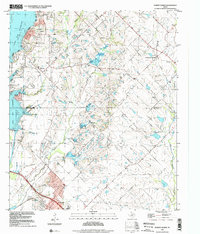 1995 Forney North2002 Print · USGSThe outskirts of Dallas saw rapid transformation in the mid-nineties as suburban growth pushed into Kaufman and Rockwall Counties. Researchers can trace the heritage of early settlers at Peek Cem, Chisholm Cem, and the historic Mt Rose Ch.
 - 2010 Map of Rockwall, 2010 Print
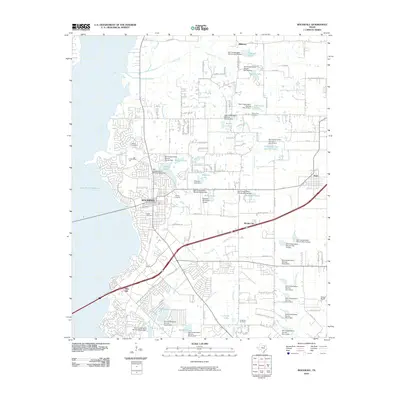 2010 Rockwall2010 Print · USGSRockwall and its surrounding lakesides are shown during a period of rapid development and water management in the early twenty-first century. Researchers can locate family landmarks like Parker Cemetery or trace the early boundaries of Fate and Mobile City.
 - 2011 Map of Mesquite, 2011 Print
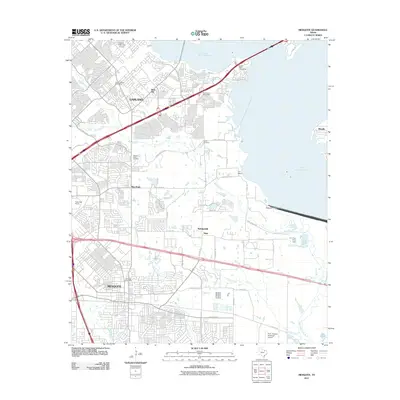 2011 Mesquite2011 Print · USGSThe rapid suburbanization of East Dallas is on display in the early 2000s as Mesquite and Garland expand. Genealogists and local historians can trace the footprint of older communities like Rose Hill and Tripp, or locate family sites at Lyons Cemetery.
 - 2011 Map of Forney North, 2011 Print
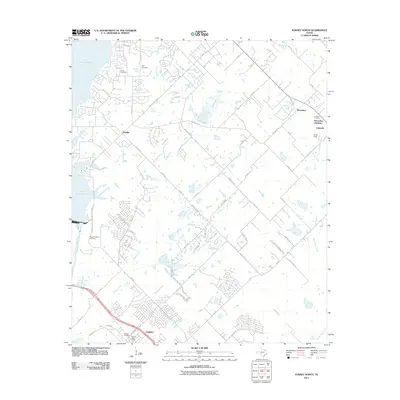 2011 Forney North2011 Print · USGSThe growing outskirts of Dallas meet the eastern shores of Lake Ray Hubbard in the early 2000s. Genealogists can trace family roots through several local burial sites, including Pleasant Spring Cemetery, Peck Cemetery, and Chisholm Cemetery.
 - 2012 Map of Forney North, 2012 Print
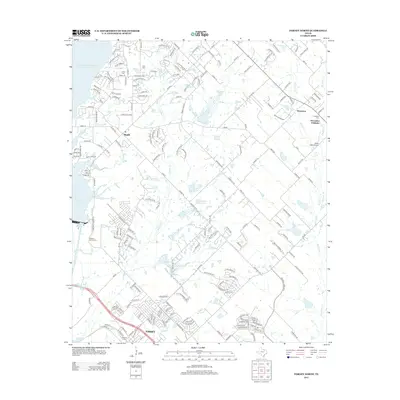 2012 Forney North2012 Print · USGSNortheast of Dallas in the early 2010s, this area shows the suburban transformation of communities like Forney and Heath. Researchers can trace old family burial grounds including Peck Cem and Pleasant Spring Cem amidst the changing terrain near Lake Ray Hubbard.
 - 2012 Map of Rockwall, 2012 Print
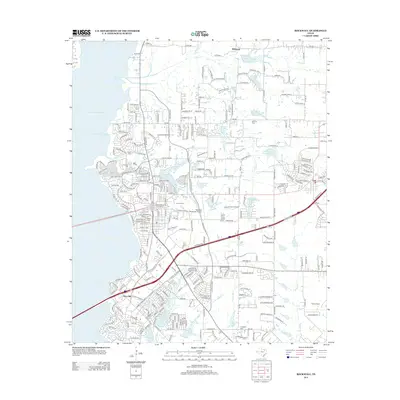 2012 Rockwall2012 Print · USGSThe eastern shores of Lake Ray Hubbard and the growing town of Fate are shown in the early 2000s. Researchers can trace local history at Mt Zion Cem or explore the landscape around Rockwall Municipal Airport and Fredonia Hill.
 - 2012 Map of Mesquite, 2012 Print
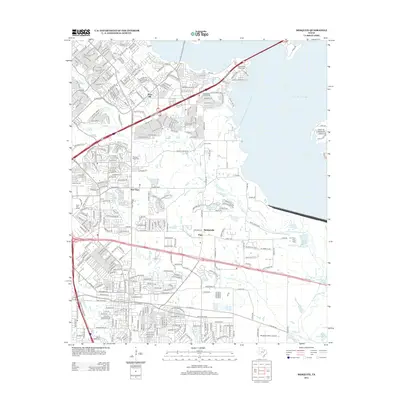 2012 Mesquite2012 Print · USGSEastern Dallas County during the early 21st century displays a blend of rapid suburban expansion and preserved local history. Trace the growth of communities like Sunnyvale and Rose Hill alongside older sites such as Lyons Cem and the Mesquite Metro Airport.
 - 2016 Map of Mesquite, 2016 Print
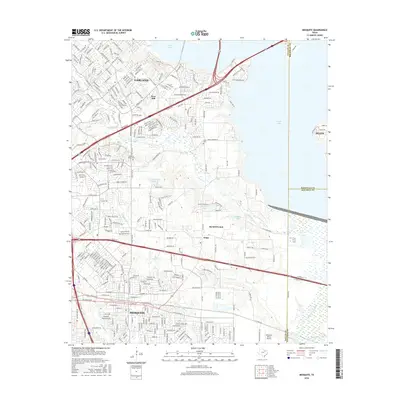 2016 Mesquite2016 Print · USGSThe eastern Dallas County suburbs are shown in detail during a period of significant modern expansion. Genealogists and local historians can trace legacy sites like Lyons Cem and the settlement of Tripp alongside the developed blocks of Mesquite and Sunnyvale.
 - 2016 Map of Rockwall, 2016 Print
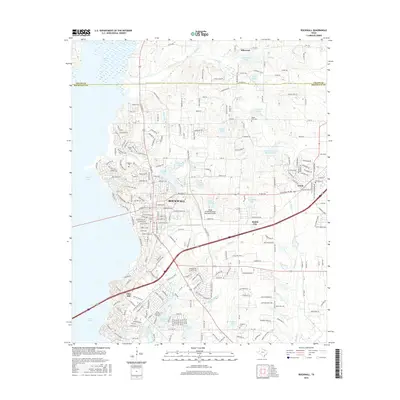 2016 Rockwall2016 Print · USGSRockwall and the eastern shores of Corder Lake are captured here during a period of significant suburban growth. Genealogists and local historians can trace family plots at Rockwall Cem and Mount Zion Cem or locate the site of the Rockwall Municipal Airport.
 - 2016 Map of Forney North, 2016 Print
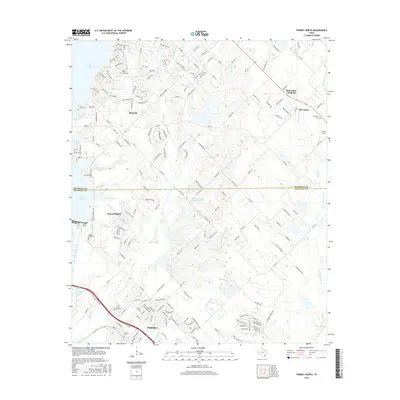 2016 Forney North2016 Print · USGSEast of the Trinity River in the mid-2010s, this area shows the rapid suburban transition across the Rockwall and Kaufman county lines. Researchers can locate several historical burial sites including Kyser Family Graveyard, Peck Cem, and Hillcrest Cem near the growing hub of Forney.
 - 2019 Map of Rockwall, 2019 Print
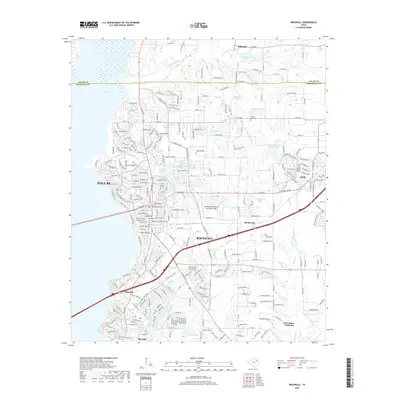 2019 Rockwall2019 Print · USGSRockwall and the eastern shores of Lake Ray Hubbard are captured in this recent survey during a period of rapid suburban growth. Researchers can locate family burial plots at Mount Zion Cem and Parker Cem, or trace the development around Fate and Heath.
 - 2019 Map of Mesquite, 2019 Print
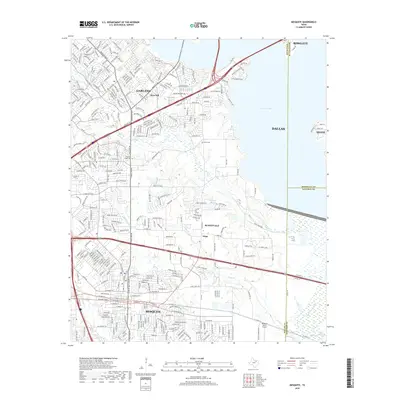 2019 Mesquite2019 Print · USGSThe eastern Dallas suburbs of Mesquite and Garland show extensive residential growth in the late 2010s. Genealogists and local historians can trace family markers at Lyons Cem or locate the historic community of Tripp and the Mesquite Metro Airport.
Showing maps 1-25 of 29
Top cities near Heath
- Dallas historical maps
- Plano historical maps
- Garland historical maps
- Mesquite historical maps
- Richardson historical maps
- Rowlett historical maps
See more
Top neighborhoods of Heath
- Ellis Addition historical maps
- Heath Crossing historical maps
- Ridge Lakes historical maps
- Willow Springs historical maps
- Crestridge Meadows historical maps
- Heath Golf & Yacht Club historical maps
See more
Frequently asked questions
- What are the different types of historical maps available for Heath?
- What is the oldest map of Heath?
- Where can I purchase historical maps of Heath for my home or office?
- Where can I download high-res historical maps of Heath?
- Are there historical topographic maps available for Heath?
- Is there historical aerial imagery available for Heath?
- Where are historical maps of Heath sourced from?