Old Maps of Woodland Hills, Utah for Academic Research
Study the evolution of Woodland Hills with 29 high-resolution historic maps. Whether you're teaching, researching, or modeling changes in land use, these maps provide essential visual documentation of urban, environmental, and geographic change.
- Analyze long-term change: Track patterns in development, transportation, and natural features.
- Ideal for environmental or urban studies: Support academic projects with primary historical map data.
- Use in the classroom or lab: Educators and researchers rely on these maps to bring historical context to life.
These maps are a powerful tool for teaching, research, and visualizing how Woodland Hills has changed over the decades.
Woodland Hills, UT maps
(29)- 1885 Map of Salt Lake
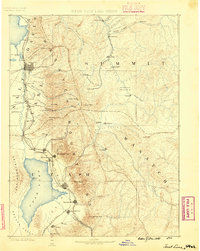 1885 Salt Lake1885 Print · USGSThe Wasatch Front and surrounding high valleys appear here in the mid-1880s during a period of rapid mining and rail expansion. Genealogists and historians can trace early town sites and mining camps including Alta, Silver City, and the military grounds of Fort Douglass.7 unique versions available
 - 1885 Map of Manti
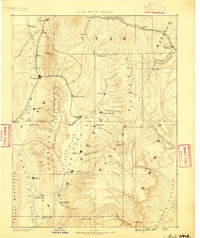 1885 Manti1885 Print · USGSCentral Utah during the mid-1880s reveals a growing network of agricultural towns and vital rail lines through the high desert. Researchers can trace early family settlements along the San Pete River and locate historic depots like Pleasant Valley Junction or the early township of Nephi.4 unique versions available
 - 1895 Map of Manti, 1921 Print
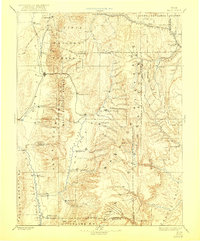 1895 Manti1921 Print · USGSSanpete County and the high plateaus of central Utah are captured in the late nineteenth century as irrigation and railroads transformed the valley floor. Genealogists and historians can trace the early layout of Manti, Ephraim, and Nephi, alongside smaller outposts like Fountain Green and Mayfield.
 - 1948 Map of Spanish Fork, 1956 Print
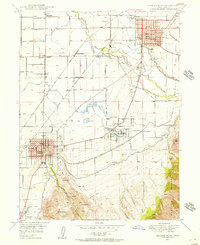 1948 Spanish Fork1956 Print · USGSUtah County at the end of the 1940s shows a thriving network of agricultural towns and mountain mines as the valley modernized. Researchers can trace family roots at Benjamin Cem or locate industrial sites like the Sugar Refinery and the Dream Mine.3 unique versions available
 - 1949 Map of Provo, 1959 Print
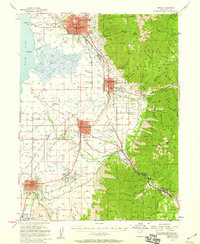 1949 Provo1959 Print · USGSThe Utah Valley thrived in the late post-war years as industrial growth and educational institutions expanded along the eastern shore of Utah Lake. Researchers can locate family roots in settlements like Palmyra and Leland or trace the industrial sites at Ironton and the Sugar Refinery.
 - 1950 Map of Spanish Fork
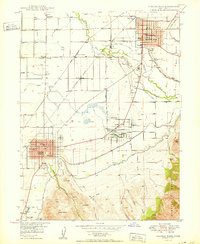 1950 Spanish Fork1950 Print · USGSThe Utah Valley at mid-century shows a thriving agricultural and industrial corridor shaped by irrigation and rail. Researchers can trace family roots through the Benjamin Cem, locate old schoolhouses like Rees Sch, or find the historic Sugar Refinery.
 - 1952 Map of Santaquin Peak, 1954 Print
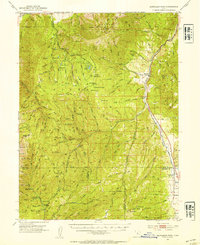 1952 Santaquin Peak1954 Print · USGSThe high peaks and forest canyons of central Utah are mapped here in the early fifties, showing the mountain corridor before modern development. Researchers can find old rail routes along Thistle Creek, the Wimmer Ranch homestead, and the remote Payson Guard Station.3 unique versions available
 - 1954 Map of Salt Lake City, 1964 Print
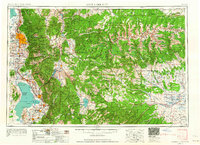 1954 Salt Lake City1964 Print · USGSThe Wasatch Front and Uinta Mountains are captured here in the mid-fifties, showing the industrial heart of Utah and its high mountain wilderness. Researchers can locate vanished infrastructure and landmarks like the Geneva Steel Plant, Bingham Canyon Mine, and the Utah State Prison.4 unique versions available
 - 1956 Map of Price, 1968 Print
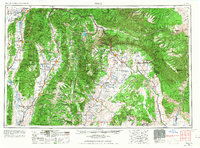 1956 Price1968 Print · USGSCentral Utah in the mid-fifties showcases a landscape shaped by coal mining and mountain-fed irrigation. Trace the rail-and-river economy through the Geneva Coal Mine, the Union Pacific line, and settlements like Price and Ephraim.3 unique versions available
 - 1958 Map of Salt Lake City
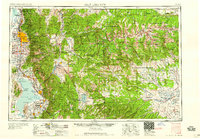 1958 Salt Lake City1958 Print · USGSThe Wasatch Front and Uinta Basin are captured during a period of significant post-war growth and industrial development. Researchers can trace the mid-century rail lines of the Bamberger RR and locate sites like the Kiegley Limestone Quarry and Camp Williams Military Reservation.
 - 1960 Map of Salt Lake City
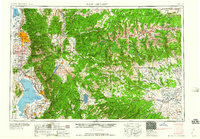 1960 Salt Lake City1960 Print · USGSThe Wasatch Front and High Uintas are captured mid-century as the Salt Lake Valley underwent significant postwar expansion. Genealogists and historians can trace rail lines like the Union Pacific and locate established landmarks such as Fort Douglas, Camp Williams, and the Bingham Canyon Mine.
 - 1960 Map of Price
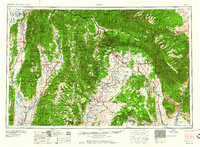 1960 Price1960 Print · USGSCentral Utah in the late fifties was a landscape of coal-hauling railroads and high plateau settlements. Genealogists and local historians can trace the rail-to-river economy from Price to the mountain mining camps of Hiawatha, Dragerton, and Sunnyside.2 unique versions available
 - 1962 Map of Price
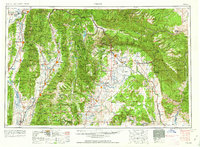 1962 Price1962 Print · USGSCentral Utah during the early sixties shows a landscape balancing high-mountain forestry with valley agriculture and coal mining. Genealogists and historians can trace the Denver and Rio Grande Western rail lines through industrial hubs like Price or locate formerly active sites like Coal City (abandoned).
 - 1979 Map of Payson Lakes
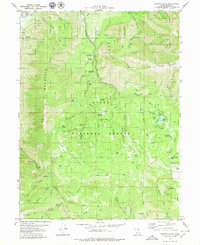 1979 Payson Lakes1979 Print · USGSHigh mountain ridges south of Provo are captured here in the late seventies as a landscape of mining and recreation. Researchers can trace historic family holdings like Wimmer Ranch alongside the Golden Relief Mine and Payson Lake Guard Sta.
 - 1981 Map of Nephi
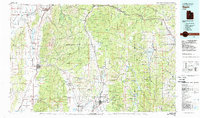 1981 Nephi1981 Print · USGSThe Juab and Sanpete valleys of central Utah are captured here in the early 1980s, during a period of established mountain settlement and rail-based commerce. Researchers can trace the routes of the Union Pacific and visit traditional communities like Nephi, Mount Pleasant, and Scofield.3 unique versions available
 - 1986 Map of Provo
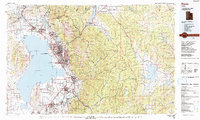 1986 Provo1986 Print · USGSThe Utah Valley during the mid-eighties shows a bustling corridor of growth between the mountains and Utah Lake. Genealogists and historians can trace the rail lines of the Union Pacific RR through settlements like Springville, Spanish Fork, and Payson.
 - 1994 Map of Spanish Fork
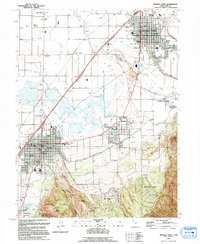 1994 Spanish Fork1994 Print · USGSUtah Valley in the mid-nineties shows a landscape where irrigation canals meet expanding foothill towns. Researchers can trace historic family plots at Benjamin Cem, find the old Sugar Refinery, and locate civic centers in Payson or Salem.
 - 1998 Map of Spanish Fork, 2002 Print
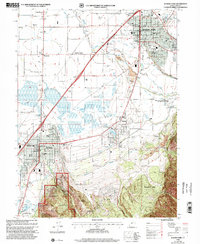 1998 Spanish Fork2002 Print · USGSThe Utah Valley transitions from high forest peaks to a bustling agricultural corridor in the late nineties. Genealogists and historians can trace the growth of Payson and Salem alongside irrigation works like the Salem Canal and the Sugar Refinery.
 - 1998 Map of Payson Lakes, 2002 Print
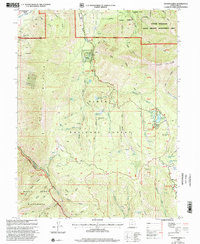 1998 Payson Lakes2002 Print · USGSThe high country of the Wasatch Range comes into focus during the late nineties, showcasing a landscape of mountain lakes and forest camps. Trace mining history at the Golden Relief Mine or explore the alpine waters of McClellan Lake and Winward Reservoir.
 - 2011 Map of Payson Lakes, 2011 Print
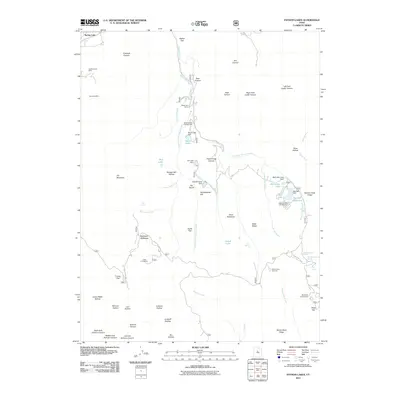 2011 Payson Lakes2011 Print · USGSHigh in the canyons south of Payson, this early twenty-first-century survey shows a landscape of mountain reservoirs and mining history. Researchers can locate the Golden Relief Mine, trace the waters of Big East Reservoir, and identify sites like Camp Koholowo.
 - 2011 Map of Spanish Fork, 2011 Print
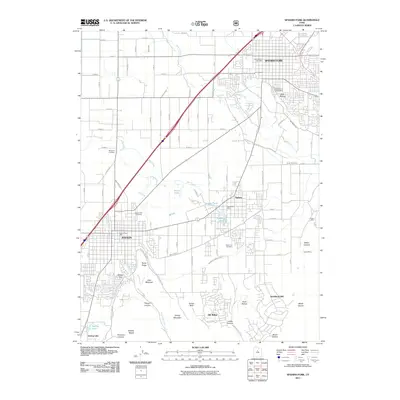 2011 Spanish Fork2011 Print · USGSThe growing communities of the Utah Valley are captured here just over a decade ago, showing the residential spread of Spanish Fork and Payson. Researchers can locate several municipal burial grounds and trace unique mining history at the Dream Mine or Leader Mine.
 - 2014 Map of Payson Lakes, 2014 Print
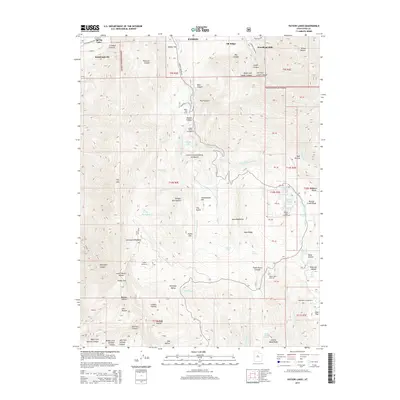 2014 Payson Lakes2014 Print · USGSThe northern Wasatch Range and Utah County valley floor appear here in 2014, showing the meeting of mountain wilderness and town life. Researchers can find high-altitude landmarks like Payson Lakes, the grounds of Camp Koholowo, and the drainage of Peteetneet Creek.
 - 2014 Map of Spanish Fork, 2014 Print
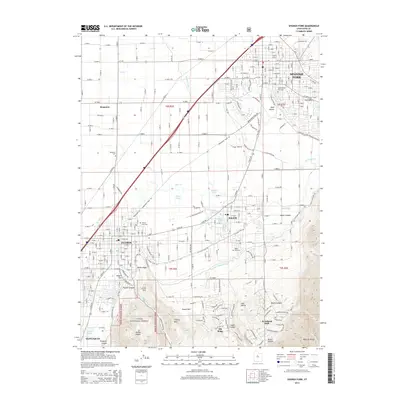 2014 Spanish Fork2014 Print · USGSUtah County's southern valley and mountain front are captured here as the growth of the Wasatch Front meets the historic orchards and farms. Researchers can trace family roots through the Spanish Fork City Cem or map the rail corridor of the Union Pacific.
 - 2017 Map of Payson Lakes, 2017 Print
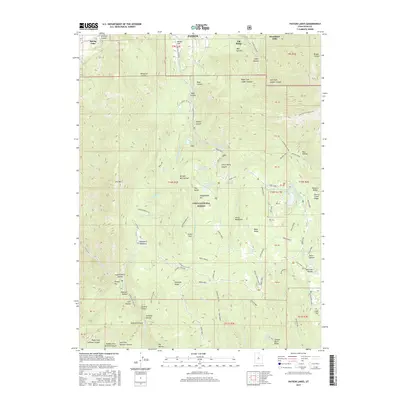 2017 Payson Lakes2017 Print · USGSThe northern slopes of the Wasatch Range south of Provo are captured here during a period of expanding mountain-side residential growth. Researchers can trace the water systems and forest roads serving Woodland Hills, Payson Lakes, and Maple Lake.
 - 2017 Map of Spanish Fork, 2017 Print
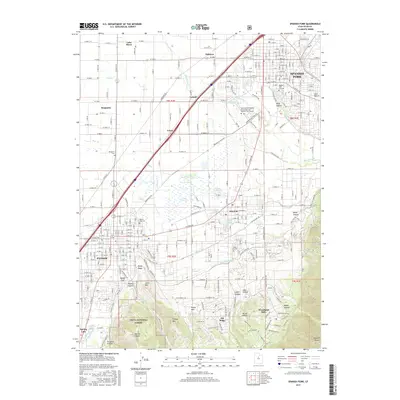 2017 Spanish Fork2017 Print · USGSThe growing communities of the Utah Valley are captured here as they transition from agricultural roots to modern suburban centers. Genealogists can locate family plots in the Spanish Fork City Cem or Salem City Cem, while historians can trace the vital path of the Strawberry Highline Canal.
Showing maps 1-25 of 29
Top cities near Woodland Hills
- Provo historical maps
- Spanish Fork historical maps
- Springville historical maps
- Payson historical maps
- Mapleton historical maps
- Salem historical maps
See more
Frequently asked questions
- What are the different types of historical maps available for Woodland Hills?
- What is the oldest map of Woodland Hills?
- Where can I purchase historical maps of Woodland Hills for my home or office?
- Where can I download high-res historical maps of Woodland Hills?
- Are there historical topographic maps available for Woodland Hills?
- Is there historical aerial imagery available for Woodland Hills?
- Where are historical maps of Woodland Hills sourced from?