Old Maps of Pownal, Vermont for Metal Detecting
Plan your next treasure hunt with 60 historic maps of Pownal. Find old homesites, ghost towns, trails, and gathering spots that may be lost to time — perfect for identifying promising metal detecting locations.
- Locate forgotten sites: Uncover places like long-lost settlements, abandoned rail lines, or gathering spots.
- Plan better hunts: Use map overlays combined with LiDAR or satellite views to narrow in on historically rich areas.
- Made for detectorists: Thousands of hobbyists use these maps to discover relics, coins, and hidden history.
Use these historic maps to boost your research and find new opportunities beneath the surface of Pownal.
Pownal, VT maps
(60)- 1886 Map of Greylock
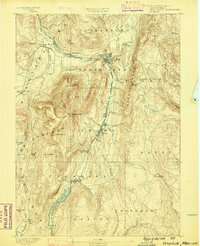 1886 Greylock1886 Print · USGSThe northern Berkshires are captured here in the mid-1880s, dominated by the massif of Mt Greylock and the industrial valleys below. Genealogists and researchers can trace the vital rail links through the Hoosac Tunnel Line and find old neighborhood names like Blackington, Cheshire Harbor, and Savoy Hollow.
 - 1888 Map of Berlin
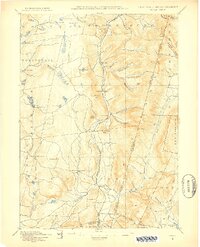 1888 Berlin1888 Print · USGSRensselaer County at the close of the nineteenth century was a region of high ridges and narrow rail-linked valleys. Researchers can trace the path of the Lebanon Springs Railroad and locate vanished farmsteads in Barber Hollow or Mc Master Hollow.2 unique versions available
 - 1890 Map of Berlin
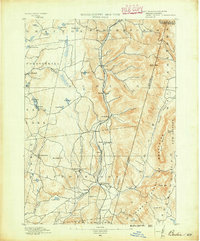 1890 Berlin1890 Print · USGSThe New York and Massachusetts borderlands in the 1880s were a landscape of steep ridges and rail-connected valley towns. Genealogists and historians can trace the old corridors of the Lebanon Springs Railroad and locate vanished family landmarks near Berlin Center, Garfield, and East Poestenkill.
 - 1891 Map of Greylock
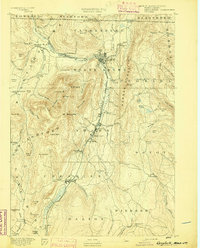 1891 Greylock1891 Print · USGSThe northern Berkshires are captured here in the late nineteenth century as rail lines and textile centers transformed the rugged valley floor. Genealogists and hikers can trace old homesteads and landmarks like Mt Greylock, the Hoosac Tunnel Line, and the vanished site of Arnoldsville.
 - 1893 Map of Greylock
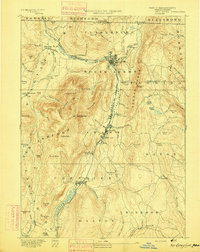 1893 Greylock1893 Print · USGSThe Northern Berkshires were at an industrial peak in the late 1800s, centered on the vital rail and water corridors of the Hoosic Valley. Researchers can trace the engineering of the Hoosac Tunnel Line and find historic mill settlements like Maple Grove and Cheshire Harbor.
 - 1894 Map of Berlin
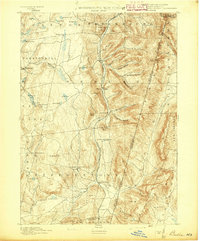 1894 Berlin1894 Print · USGSThe Rensselaer and Berkshire borderlands come alive in the late nineteenth century, showing a landscape of valley settlements and upland hollows. Trace the path of the Lebanon Springs Railroad as it connects Berlin Center, North Stephentown, and Garfield.
 - 1897 Map of Hoosick
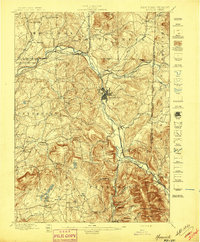 1897 Hoosick1897 Print · USGSThe Hoosic River valley and Taconic foothills thrive at the peak of the rail era in the late nineteenth century. Genealogists and historians can trace the specific layouts of Hoosick Falls, Boyntonville, and the remote hamlets of Sodom and Factory Hollow.10 unique versions available
 - 1898 Map of Berlin
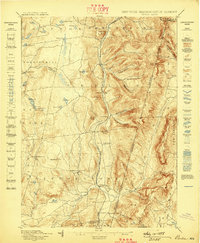 1898 Berlin1898 Print · USGSRensselaer County valley towns and the Taconic highlands are captured in the late nineteenth century as the Lebanon Springs Railroad linked the region. Genealogists can trace family locations in Berlin, Stephentown, and Hancock, or find landmarks like Buckwheat Hill and Barber Hollow.10 unique versions available
 - 1898 Map of Bennington
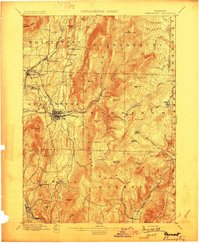 1898 Bennington1898 Print · USGSVermont's southwestern valleys and industrial corridors are documented here in the late nineteenth century. Genealogists and historians can trace rail lines like the Rutland R R through early settlements including Papermill Village and Shaftsbury Center.10 unique versions available
 - 1898 Map of Greylock
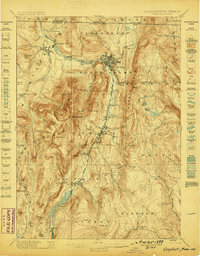 1898 Greylock1898 Print · USGSThe Berkshire highlands at the close of the nineteenth century reveal a landscape of deep valleys and engineering feats. Trace the path of the Hoosac Tunnel or locate historic mill sites and rail stops in North Adams, Zylonite, and Cheshire.10 unique versions available
 - 1900 Map of Taconic
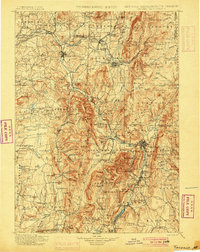 1900 Taconic1900 Print · USGSThe tri-state border region of the Taconic Mountains thrived at the turn of the century as a hub of rail travel and valley industry. Genealogists and historians can trace the early footprints of Hoosick Falls, Bennington, and the winding path of the Rutland R.R.4 unique versions available
 - 1944 Map of Williamstown, 1957 Print
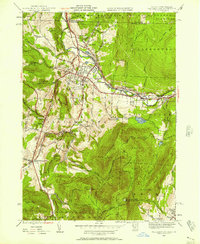 1944 Williamstown1957 Print · USGSBerkshire County at the end of the war years reveals a valley shaped by the prestigious Williams College and the manufacturing centers along the Hoosic River. Genealogists and historians can locate family plots at East Lawn Cem or trace the early industrial layout of Blackinton and Braytonville.
 - 1944 Map of Berlin, 1958 Print
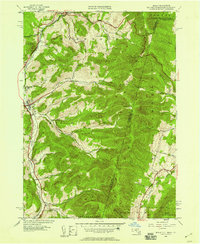 1944 Berlin1958 Print · USGSRensselaer County at the close of World War II shows a high-country landscape where the Rutland railroad and the Little Hoosic River defined local life. Genealogists and hikers can trace old valley settlements like Center Berlin and Cherryplain, or find historic trails leading toward Berlin Mtn.
 - 1946 Map of North Pownal
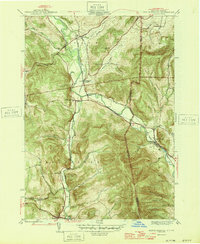 1946 North Pownal1946 Print · USGSThe Hoosic River valley at the New York and Vermont border reveals a landscape shaped by mountain railroading and upland farming in the 1940s. Researchers can trace the intersection of the Rutland and Boston and Maine railroads near Petersburg Junction or locate rural landmarks like Gardner Cem and School No 11.2 unique versions available
 - 1946 Map of Williamstown
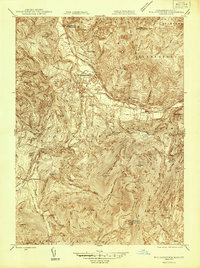 1946 Williamstown1946 Print · USGSThe northern Berkshires come alive in the mid-1940s, showing the intersection of academic life and the industrial rail corridor. Genealogists and hikers can trace the original paths of the Appalachian Trail and find family-named landmarks like Theil Farm or the historic Sand Spring.
 - 1947 Map of Williamstown
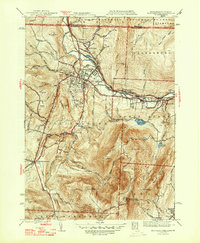 1947 Williamstown1947 Print · USGSThe Berkshires of the late 1940s are captured here during a period of academic and industrial stability. Trace the grounds of Williams College, the early route of the Appalachian Trail, and family landmarks like Thiel Farm or the high slopes of Mt Greylock.2 unique versions available
 - 1948 Map of Berlin
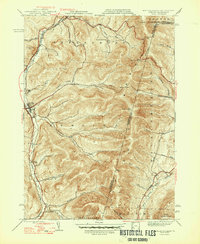 1948 Berlin1948 Print · USGSThe Taconic Mountains meet the New York and Massachusetts border in this post-war landscape of ridges and deep hollows. Researchers can trace the Rutland rail line through the valley or locate early landmarks like East Hollow Sch and Cherryplain.2 unique versions available
 - 1948 Map of Albany, 1951 Print
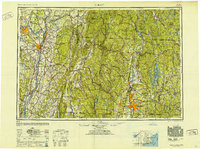 1948 Albany1951 Print · USGSThe Hudson and Connecticut River valleys are captured here in the late 1940s, showing the vital rail and water corridors of the Northeast. You can trace the Boston and Maine tracks past Mt Greylock or locate early settlements like Great Barrington and Bennington.
 - 1954 Map of North Pownal, 1956 Print
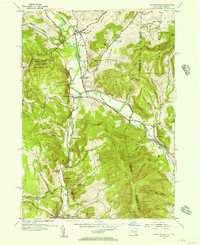 1954 North Pownal1956 Print · USGSThe Vermont and New York border comes alive in the mid-fifties, showing the rail-linked communities of the Hoosic River valley. Genealogists and historians can trace the foundations of North Pownal, locate School No 31, and follow the Boston and Maine line through Petersburg Junction.3 unique versions available
 - 1954 Map of Pownal, 1957 Print
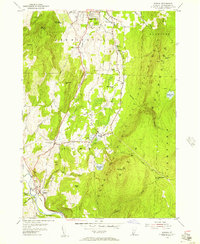 1954 Pownal1957 Print · USGSSouthern Vermont's landscape is captured here in the mid-1950s, showing the intersection of mountain wilderness and valley settlements. Researchers can trace historic family burial sites like Towsley Cem or locate rural landmarks including the Barber Sch and Thendara Camp.4 unique versions available
 - 1954 Map of Bennington, 1960 Print
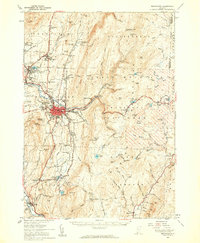 1954 Bennington1960 Print · USGSBennington and its surrounding uplands appear here in the mid-fifties, showing a landscape defined by manufacturing and mountain heritage. Researchers can locate family names at Waite Cem, trace the Long Trail, or explore the rail era at Paper Mill Village.4 unique versions available
 - 1956 Map of Albany, 1968 Print
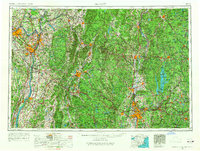 1956 Albany1968 Print · USGSThe industrial heart of the Northeast is revealed in the mid-1950s, from the Hudson Valley to the Connecticut River. Researchers can trace the legacy of the Quabbin Reservoir, locate Westover Air Force Base, or follow the Rutland RR through the Green Mountains.2 unique versions available
 - 1957 Map of Albany
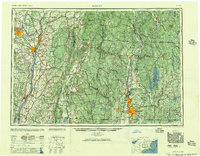 1957 Albany1957 Print · USGSThe Tri-State region and Connecticut River Valley are captured here during a period of significant postwar growth and infrastructure expansion. Genealogists and historians can trace the rail-and-river economy through landmarks like the Boston and Maine railroad, Quabbin Reservoir, and Westover Air Force Base.
 - 1959 Map of Albany
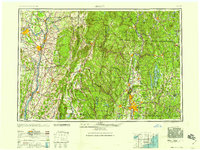 1959 Albany1959 Print · USGSThe Hudson and Connecticut River valleys are captured here during the late fifties, showing the region's dense rail networks and massive water projects. Researchers can trace the New York State Thruway or locate local landmarks like Mt Greylock and the Quabbin Reservoir.
 - 1960 Map of Williamstown, 1961 Print
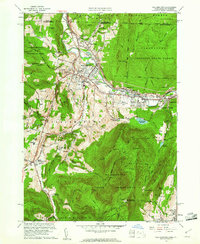 1960 Williamstown1961 Print · USGSThe Berkshires of western Massachusetts are shown in detail during the early sixties, centered on the college town and the state's highest peak. Researchers can trace the Appalachian Trail over Mt Greylock or locate ancestral sites at Westlawn Cem and Southlawn Cem.2 unique versions available
Showing maps 1-25 of 60
Top cities near Pownal
- North Adams historical maps
- Bennington historical maps
- Adams historical maps
- Williamstown historical maps
- Hoosick historical maps
- Pittstown historical maps
See more
Top neighborhoods of Pownal
Frequently asked questions
- What are the different types of historical maps available for Pownal?
- What is the oldest map of Pownal?
- Where can I purchase historical maps of Pownal for my home or office?
- Where can I download high-res historical maps of Pownal?
- Are there historical topographic maps available for Pownal?
- Is there historical aerial imagery available for Pownal?
- Where are historical maps of Pownal sourced from?