Old Maps of Trinity, Virginia for Academic Research
Study the evolution of Trinity with 16 high-resolution historic maps. Whether you're teaching, researching, or modeling changes in land use, these maps provide essential visual documentation of urban, environmental, and geographic change.
- Analyze long-term change: Track patterns in development, transportation, and natural features.
- Ideal for environmental or urban studies: Support academic projects with primary historical map data.
- Use in the classroom or lab: Educators and researchers rely on these maps to bring historical context to life.
These maps are a powerful tool for teaching, research, and visualizing how Trinity has changed over the decades.
Trinity, VA maps
(16)- 1890 Map of Roanoke
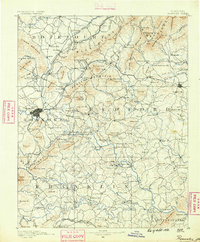 1890 Roanoke1890 Print · USGSThe Roanoke Valley in the late nineteenth century was a growing rail and mining hub shaped by the Blue Ridge. Researchers can trace the early industrial footprint of the Rorer Mines or locate old community anchors like Dillons Mill and Hales Bridge.
 - 1891 Map of Roanoke
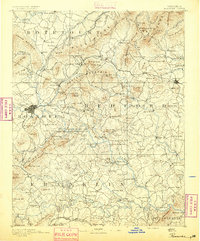 1891 Roanoke1891 Print · USGSVirginia's Blue Ridge and Roanoke Valley come alive in the late nineteenth century, showing a landscape defined by new rail lines and old river crossings. Genealogists and local researchers can trace family landmarks and forgotten transport nodes like Rorer Mines, Hollins Inst., and Blackwater Ford.8 unique versions available
 - 1929 Map of Roanoke
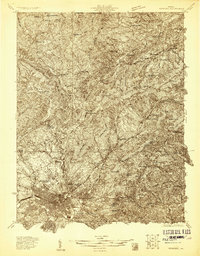 1929 Roanoke1929 Print · USGSThe Roanoke Valley is shown just before the Great Depression, documenting the area's transition from rural townships to a developing urban center. Genealogists can locate family landmarks such as Forest Chapel Sch, Coyner Springs, and the early neighborhoods of Riverdale.3 unique versions available
 - 1933 Map of Roanoke
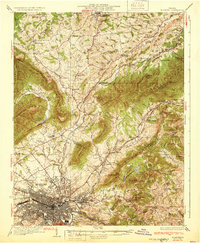 1933 Roanoke1933 Print · USGSThe Roanoke Valley in the early thirties shows a thriving rail-and-river hub surrounded by a landscape of small crossroads schools and churches. Genealogists can trace family names through landmarks like Hollins College, Gravel Hill Sch, and Trinity church.3 unique versions available
 - 1947 Map of Roanoke, 1948 Print
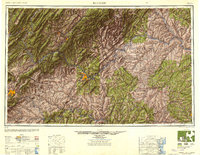 1947 Roanoke1948 Print · USGSCentral Virginia in the late 1940s reveals a region defined by its great mountain ridges and the powerful river-and-rail economy connecting Roanoke to Lynchburg. Researchers can trace the path of the Virginian RR and locate historic county seats like Charlotte Court House.2 unique versions available
 - 1959 Map of Roanoke
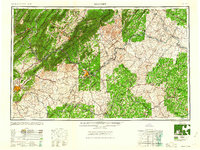 1959 Roanoke1959 Print · USGSCentral Virginia and the Blue Ridge appear in great detail during the late fifties, showcasing the transition from mountain industry to Piedmont farmland. Trace the path of the Norfolk and Western railroad or find old river towns like Appomattox and Amelia Court House.
 - 1963 Map of Roanoke
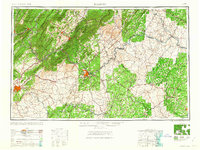 1963 Roanoke1963 Print · USGSCentral Virginia and the Blue Ridge front appear here in the early sixties, caught between their deep railroad roots and new postwar developments. Genealogists and historians can trace the rail lines of the Norfolk and Western through towns like Bedford and Altavista, or locate family landmarks near Smith Mountain Lake.
 - 1963 Map of Daleville, 1965 Print
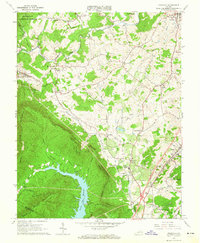 1963 Daleville1965 Print · USGSBotetourt County in the early sixties shows a rural landscape of mountain ridges and valley settlements before major suburban expansion. Genealogists and historians can trace old homesteads and family sites near Fincastle, Glebe Mills, and Greenfield Cem.4 unique versions available
 - 1971 Map of Roanoke, 1977 Print
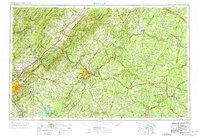 1971 Roanoke1977 Print · USGSThe Virginia Piedmont and Blue Ridge mountains meet in this early 1970s landscape of river valleys and rail hubs. Researchers can trace historic transportation routes and landmarks like the Appomattox Court House Nat Hist Pk, the Peaks of Otter, and Amelia Court House.2 unique versions available
 - 1977 Map of Daleville, 1983 Print
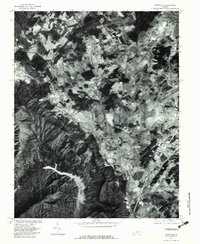 1977 Daleville1983 Print · USGSBotetourt County in the late seventies is shown here through high-resolution aerial imagery, capturing the valley floor between two major mountain ridges. Genealogists and historians can pinpoint homes and landmarks near Fincastle, Glebe Mills, and Troutville.
 - 1985 Map of Roanoke, 1986 Print
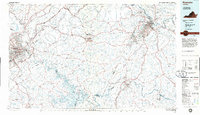 1985 Roanoke1986 Print · USGSMid-eighties Virginia comes into focus across the Blue Ridge and the upper Roanoke River valley during a period of steady regional growth. Genealogists and historians can trace family-named landmarks like Mt Moriah Ch, local hubs such as Cave Spring, and sites like the New London Airport (Drag Strip).2 unique versions available
 - 2011 Map of Daleville, 2011 Print
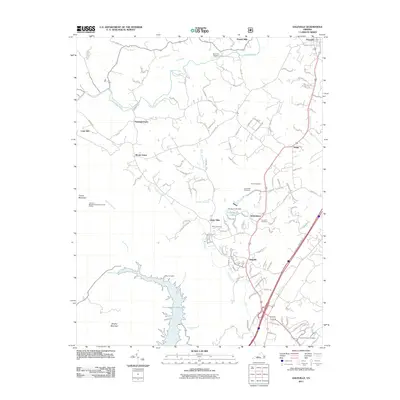 2011 Daleville2011 Print · USGSBotetourt County at the start of the 2010s shows a landscape of growing valley settlements alongside historic family landmarks. Researchers can trace ancestral sites at Peery Cemetery and Boyer Cemetery or locate old community hubs like Glebe Mills and Lone Star.
 - 2013 Map of Daleville, 2013 Print
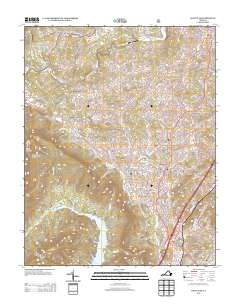 2013 Daleville2013 Print · USGSBotetourt County settlements and ridges are shown in detail during the early 2000s as the area's modern footprint takes shape. Researchers can trace historic locations like Glebe Mills, Amsterdam, and the high ground of Tinker Mountain.
 - 2016 Map of Daleville, 2016 Print
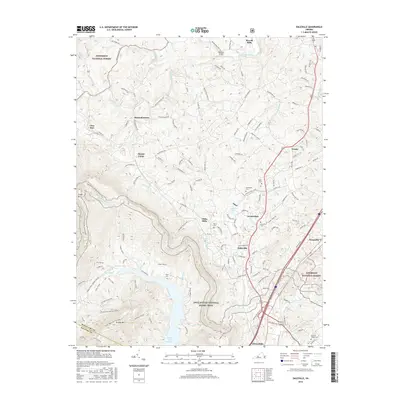 2016 Daleville2016 Print · USGSBotetourt County at the edge of the Blue Ridge shows a landscape of deep forests and growing valley communities in the mid-2010s. Genealogists and hikers can trace the Appalachian National Scenic Trail as it passes near Daleville and old sites like Glebe Mills.
 - 2019 Map of Daleville, 2019 Print
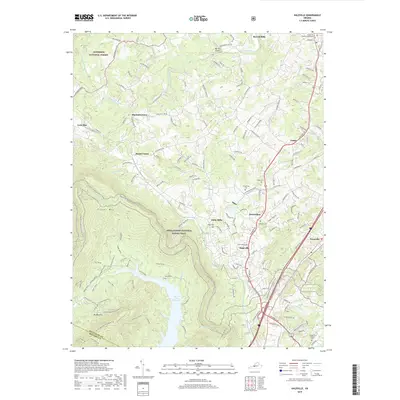 2019 Daleville2019 Print · USGSBotetourt County at the close of the 2010s shows a landscape where mountain wilderness and valley settlements converge. Genealogists can trace family lines through numerous sites like Boyer Cem and Riley Cem or locate the old milling sites at Glebe Mills.
 - 2022 Map of Daleville, 2022 Print
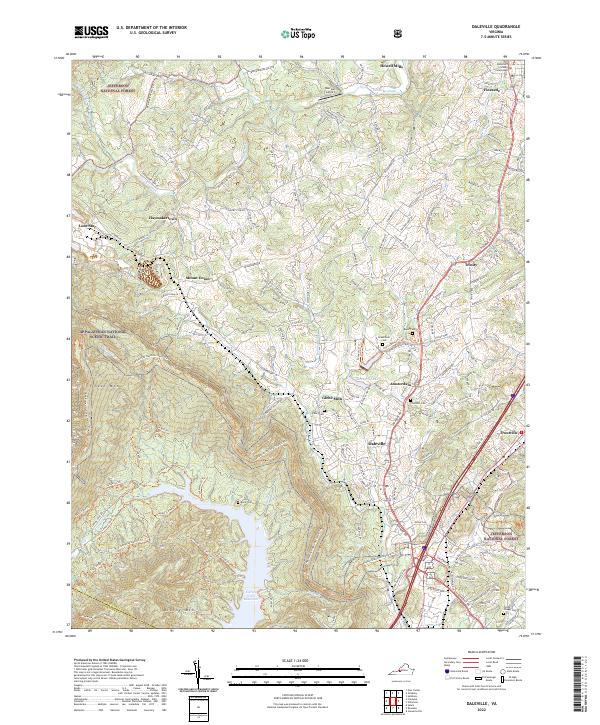 2022 Daleville2022 Print · USGSBotetourt County settlements and the Appalachian ridges are captured here in the early 2020s. Researchers can locate family sites like Riley Cem and Churchill Cem or trace the historic footprints of Glebe Mills and Fincastle.
End of results
Showing maps 1-16 of 16
Top cities near Trinity
- Roanoke historical maps
- Salem historical maps
- Hollins historical maps
- Vinton historical maps
- Cloverdale historical maps
- Daleville historical maps
See more
Frequently asked questions
- What are the different types of historical maps available for Trinity?
- What is the oldest map of Trinity?
- Where can I purchase historical maps of Trinity for my home or office?
- Where can I download high-res historical maps of Trinity?
- Are there historical topographic maps available for Trinity?
- Is there historical aerial imagery available for Trinity?
- Where are historical maps of Trinity sourced from?