Old Maps of Caroline County, Virginia
Explore 190 old maps of Caroline County, spanning from 1887 to today. These high-resolution historic maps reveal how streets, neighborhoods, landmarks, and natural features evolved over time — perfect for genealogy, metal detecting, research, and local history exploration.
What you can do with these maps:
- See how Caroline County changed over time: Compare historical maps to modern-day views to trace roads, homesites, rail lines & more.
- View detailed metadata: Each map includes creators, publishers, year, scale, and archive source.
- Overlay maps with satellite & LiDAR: Visualize the past alongside modern tools to explore terrain & human change.
- Trusted historical sources: Maps sourced from the USGS, Library of Congress, and other archives.
- Access maps your way: View online, download high-res files, or order prints for personal or research use.
Start exploring old maps of Caroline County to uncover forgotten places, hidden landmarks, and the deep history beneath your feet.
Caroline County, VA maps
(190)- 1887 Map of Spottsylvania
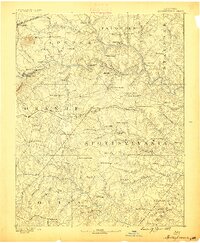 1887 Spottsylvania1887 Print · USGSCentral Virginia in the late 1880s remains a landscape of river fords and crossroads shops before modern development. Genealogists and historians can trace the locations of the Vaucluse Gold Mine, Wilderness Tavern, and the path of the Narrow Gauge Railroad.
 - 1889 Map of Fredericksburg
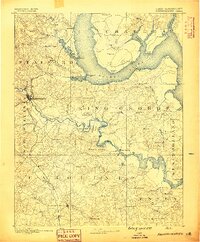 1889 Fredericksburg1889 Print · USGSThe Tidewater region of Virginia and Maryland comes into focus in the late 1880s, centered on the river-and-rail hub of Fredericksburg. Genealogists can trace early landmarks like Rappahannock Academy, Bull Church, and Saunders Wharf.
 - 1890 Map of Goochland
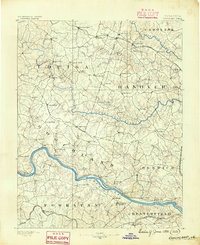 1890 Goochland1890 Print · USGSGoochland and the surrounding Virginia Piedmont are captured here in the late nineteenth century as the river-and-rail economy thrived. Researchers can trace the paths of the Chesapeake and Ohio Railroad and find landmarks like Hopeful Church or the Coal Pits.
 - 1892 Map of Fredericksburg
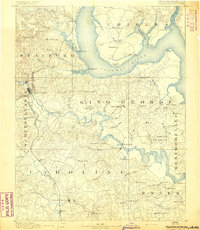 1892 Fredericksburg1892 Print · USGSCoastal Virginia and Maryland are captured here in the late nineteenth century, showing a landscape of river-port towns and historic crossroads. Researchers can locate vanished landmarks and family sites like Rappahannock Academy, Whites Mill, and the riverside Port Royal.
 - 1892 Map of Spottsylvania
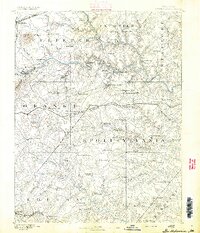 1892 Spottsylvania1892 Print · USGSCentral Virginia’s post-war landscape is captured here in the late nineteenth century, showing a rural economy defined by gold mining and river crossings. Genealogists can trace family footprints at Todds Tavern, the Vaucluse Gold Mine, and along the Narrow Gauge Railroad.6 unique versions available
 - 1892 Map of Goochland
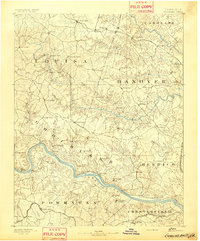 1892 Goochland1892 Print · USGSThe rural heart of central Virginia is captured here in the decade before the turn of the century, showing a landscape shaped by major rivers and early rail lines. Genealogists can trace family names and early settlements like Negro Foot, Mabelton, and the historic Hanover Academy.8 unique versions available
 - 1894 Map of Fredericksburg
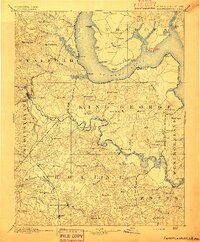 1894 Fredericksburg1894 Print · USGSThe Tidewater and Piedmont regions of Virginia meet in the late nineteenth century at the head of the Rappahannock River. Local historians can trace early inland commerce through rural centers like Nindes Store, the Rappahannock Academy, and Stafford.10 unique versions available
 - 1918 Map of Doswell
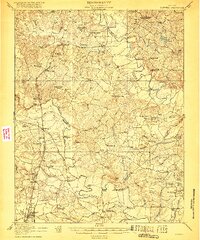 1918 Doswell1918 Print · USGSCentral Virginia during the first World War features a landscape of river-fed mills and vital rail junctions. Genealogists can locate family names at Hanover Courthouse or trace the early paths of segregated schools like Ruther Glen School (Colored) and Penola School (Colored).4 unique versions available
 - 1918 Map of Aylett
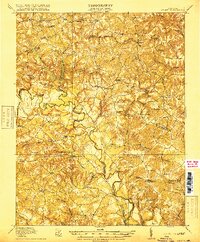 1918 Aylett1918 Print · USGSThe rural landscapes of King and Queen and King William counties are captured here at the end of the Great War. Researchers can trace ancestral connections through old mill sites and churches like Aylett Mill, St Stephens Church, and Shiloh Church.
 - 1926 Map of Stafford, 1956 Print
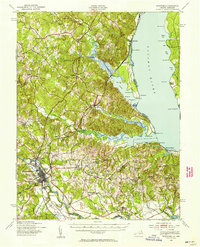 1926 Stafford1956 Print · USGSStafford County and the Rappahannock River valley appear here in the mid-twenties, balancing colonial-era heritage with early twentieth-century growth. Genealogists can locate family landmarks like Bridges Store, Passapatanzy, and the historic Aquia Ch along the rail lines.
 - 1931 Map of Stafford
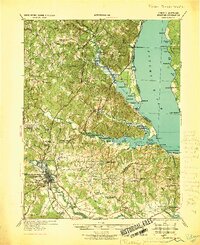 1931 Stafford1931 Print · USGSStafford County and the city of Fredericksburg are shown here in the early 1930s, documenting a landscape still deeply shaped by nineteenth-century transit and conflict. Genealogists and historians can locate family landmarks like Mountain View PO, Enon Sch, and the grounds of the Battle of Fredericksburg 1862.
 - 1933 Map of Aylett
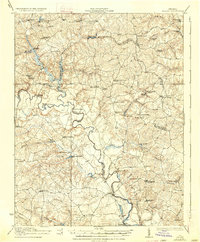 1933 Aylett1933 Print · USGSCoastal Plain Virginia during the 1930s shows a landscape of river-based commerce and tight-knit farming communities. Genealogists and historians can trace family locations near Aylett, locate the Millfork School, or find old mills like Dublin Mill.2 unique versions available
 - 1942 Map of Bowling Green
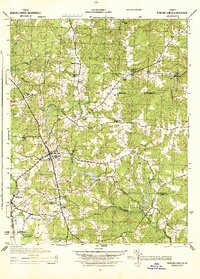 1942 Bowling Green1942 Print · USGSCaroline County is shown during its wartime expansion in the 1940s as military boundaries reshaped traditional rural life. Researchers can trace the intersection of new defense infrastructure like the C A A Emergency Landing Field with historic locales such as Broaddus Mill and Poorhouse Corner.
 - 1942 Map of Upper Zion
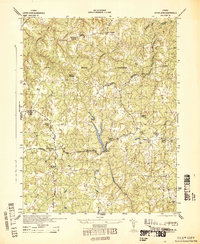 1942 Upper Zion1942 Print · USGSCaroline and Essex counties appear here during the early forties as the military footprint expanded. Genealogists can trace family landmarks and rural crossroads like Naulakla, Upper Zion, and the quiet Enon Church.
 - 1942 Map of Woodford
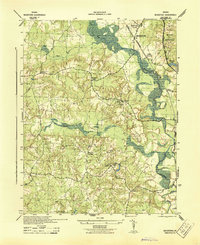 1942 Woodford1942 Print · USGSCaroline County's rural crossroads and river systems are meticulously detailed in this early wartime survey. Genealogists and historians can trace family locations near Woodford, Burkes Shop, and Bethel Church, or follow the Mattaponi River valley.3 unique versions available
 - 1942 Map of Occupacia
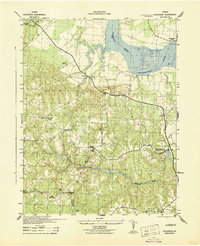 1942 Occupacia1942 Print · USGSEssex County's riverfront and rural interior are documented here during the early 1940s, showing a landscape of crossroads settlements and timber resources. Genealogists and historians can trace family locations near Vauters Church, Bethlehem Fork, and the Lumber Mill near Iraville.
 - 1942 Map of Rollins Fork
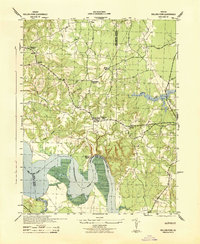 1942 Rollins Fork1942 Print · USGSThe Northern Neck region during the early 1940s reveals a landscape defined by the river economy and established rural crossroads. Genealogists and local historians can trace family land and community hubs from Wilmont Wharf on the river to inland points like Rollins Fork and Kings Mill.
 - 1942 Map of Guinea
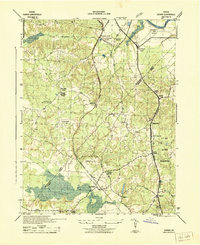 1942 Guinea1942 Print · USGSSpotsylvania and Caroline counties are seen here in the early 1940s as the rail-driven economy of the Rappahannock valley meets the expansion of federal military lands. Genealogists can locate family-named hubs like Flippos Corner, rural schools such as New Hope School, and the crossroads at Guinea.
 - 1942 Map of Ladysmith
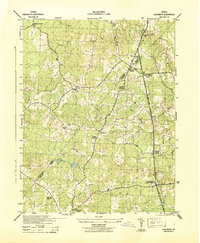 1942 Ladysmith1942 Print · USGSCaroline County and its borders during the early war years reveal a rural landscape of crossroads hamlets and family-run mills. Researchers can trace historic family landmarks and community centers like Colemans Mill, Ann Wrights Corner, and Beulah Church.2 unique versions available
 - 1942 Map of Partlow
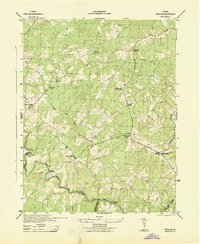 1942 Partlow1942 Print · USGSSpotsylvania County during the early years of the war remained a landscape of rural general stores and winding river crossings. Genealogists and local historians can trace family locations near Duerson Store, Wallers Church, and Partlow.2 unique versions available
 - 1942 Map of Port Royal
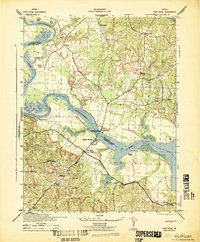 1942 Port Royal1942 Print · USGSThe Rappahannock River valley was undergoing a major transition during the early 1940s as military footprints expanded. Genealogists and historians can trace the early borders of the A P Hill Military Reservation and find local hubs like Port Royal, Office Hall, and Port Conway.
 - 1942 Map of Rappahannock Academy, 1944 Print
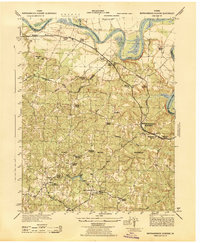 1942 Rappahannock Academy1944 Print · USGSThe Rappahannock River valley in the early 1940s reveals a rural landscape undergoing a massive military transformation. You can trace the early layout of the A P Hill Military Reservation and locate historic community centers like Rappahannock Academy and Travis Mill.
 - 1942 Map of Beaverdam, 1961 Print
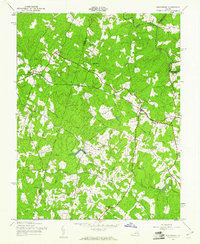 1942 Beaverdam1961 Print · USGSHanover and Louisa counties were largely defined by the rail and river network of the early 1940s. Researchers can trace the layout of small crossroads communities and family-named landmarks such as Greenes Corner, Lazarus Chapel, and the Beaverdam Sch.
 - 1943 Map of Hewlett
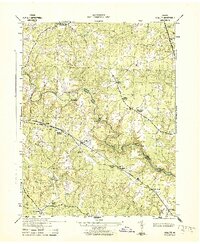 1943 Hewlett1943 Print · USGSCaroline and Hanover counties are captured here in the early 1940s, showing a rural landscape organized around the Chesapeake and Ohio rail line. Researchers can trace the heritage of local crossroads like Chilesburg or find specific landmarks such as Ottley Mill and the Mt Hewlett School.2 unique versions available
 - 1943 Map of Beaverdam
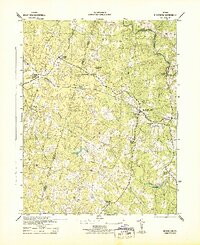 1943 Beaverdam1943 Print · USGSMid-century Hanover and Louisa counties revolve around the railroad and timber trades during the early years of the war. Genealogists and historians can trace the local hubs of Beaverdam and Bumpass, alongside rural anchors like Lazarus Chapel and Harris Store.
Showing maps 1-25 of 190
Top cities of Caroline County
- Lake Land'Or historical maps
- Lake Caroline historical maps
- Bowling Green historical maps
- Port Royal historical maps
Frequently asked questions
- What are the different types of historical maps available for Caroline County?
- What is the oldest map of Caroline County?
- Where can I purchase historical maps of Caroline County for my home or office?
- Where can I download high-res historical maps of Caroline County?
- Are there historical topographic maps available for Caroline County?
- Is there historical aerial imagery available for Caroline County?
- Where are historical maps of Caroline County sourced from?