1940s Maps of Caroline County, Virginia
Explore 25 historic maps of Caroline County from the 1940s. These maps offer a rare glimpse into what life looked like during the 1940s — showing old roads, neighborhoods, homes, and landmarks that have changed or disappeared over time.
Whether you're researching your family's past, planning a metal detecting trip, or studying how Caroline County's landscape evolved across the 1940s, these high-resolution maps are a powerful tool for exploring the history of this region.
- Focus on a specific era: All maps on this page are from the 1940s, giving you a focused view of this time period.
- See what’s changed: Compare century-old streets, trails, and buildings to today's modern landscape using overlays and satellite layers.
- Research with precision: Use these maps for genealogy, historical research, land use analysis, or educational projects.
- View, download, or print: Maps are fully viewable online in high resolution, and can be downloaded or printed for your own records.
Start exploring Caroline County's history through authentic maps from the 1940s. This is your window into the past.
Caroline County, VA maps
(25)- 1942 Map of Bowling Green
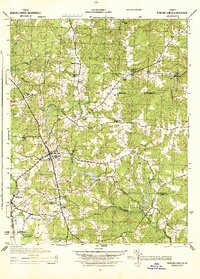 1942 Bowling Green1942 Print · USGSCaroline County is shown during its wartime expansion in the 1940s as military boundaries reshaped traditional rural life. Researchers can trace the intersection of new defense infrastructure like the C A A Emergency Landing Field with historic locales such as Broaddus Mill and Poorhouse Corner.
 - 1942 Map of Upper Zion
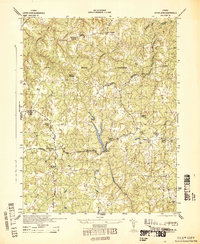 1942 Upper Zion1942 Print · USGSCaroline and Essex counties appear here during the early forties as the military footprint expanded. Genealogists can trace family landmarks and rural crossroads like Naulakla, Upper Zion, and the quiet Enon Church.
 - 1942 Map of Woodford
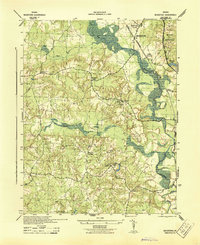 1942 Woodford1942 Print · USGSCaroline County's rural crossroads and river systems are meticulously detailed in this early wartime survey. Genealogists and historians can trace family locations near Woodford, Burkes Shop, and Bethel Church, or follow the Mattaponi River valley.3 unique versions available
 - 1942 Map of Occupacia
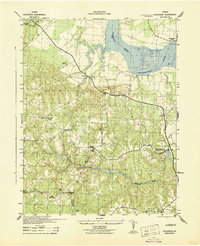 1942 Occupacia1942 Print · USGSEssex County's riverfront and rural interior are documented here during the early 1940s, showing a landscape of crossroads settlements and timber resources. Genealogists and historians can trace family locations near Vauters Church, Bethlehem Fork, and the Lumber Mill near Iraville.
 - 1942 Map of Rollins Fork
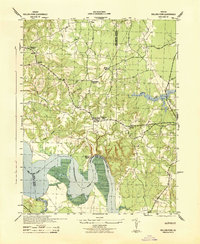 1942 Rollins Fork1942 Print · USGSThe Northern Neck region during the early 1940s reveals a landscape defined by the river economy and established rural crossroads. Genealogists and local historians can trace family land and community hubs from Wilmont Wharf on the river to inland points like Rollins Fork and Kings Mill.
 - 1942 Map of Guinea
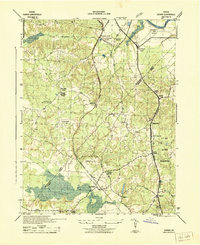 1942 Guinea1942 Print · USGSSpotsylvania and Caroline counties are seen here in the early 1940s as the rail-driven economy of the Rappahannock valley meets the expansion of federal military lands. Genealogists can locate family-named hubs like Flippos Corner, rural schools such as New Hope School, and the crossroads at Guinea.
 - 1942 Map of Ladysmith
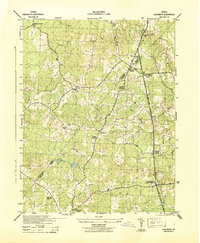 1942 Ladysmith1942 Print · USGSCaroline County and its borders during the early war years reveal a rural landscape of crossroads hamlets and family-run mills. Researchers can trace historic family landmarks and community centers like Colemans Mill, Ann Wrights Corner, and Beulah Church.2 unique versions available
 - 1942 Map of Partlow
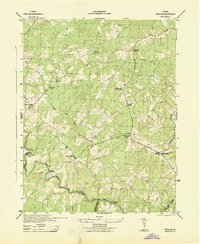 1942 Partlow1942 Print · USGSSpotsylvania County during the early years of the war remained a landscape of rural general stores and winding river crossings. Genealogists and local historians can trace family locations near Duerson Store, Wallers Church, and Partlow.2 unique versions available
 - 1942 Map of Port Royal
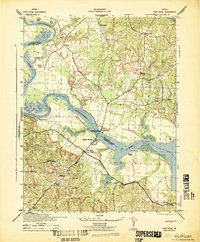 1942 Port Royal1942 Print · USGSThe Rappahannock River valley was undergoing a major transition during the early 1940s as military footprints expanded. Genealogists and historians can trace the early borders of the A P Hill Military Reservation and find local hubs like Port Royal, Office Hall, and Port Conway.
 - 1942 Map of Rappahannock Academy, 1944 Print
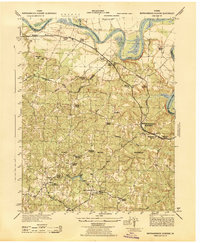 1942 Rappahannock Academy1944 Print · USGSThe Rappahannock River valley in the early 1940s reveals a rural landscape undergoing a massive military transformation. You can trace the early layout of the A P Hill Military Reservation and locate historic community centers like Rappahannock Academy and Travis Mill.
 - 1942 Map of Beaverdam, 1961 Print
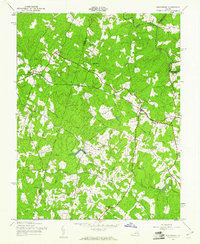 1942 Beaverdam1961 Print · USGSHanover and Louisa counties were largely defined by the rail and river network of the early 1940s. Researchers can trace the layout of small crossroads communities and family-named landmarks such as Greenes Corner, Lazarus Chapel, and the Beaverdam Sch.
 - 1943 Map of Hewlett
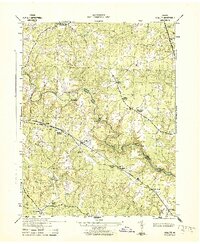 1943 Hewlett1943 Print · USGSCaroline and Hanover counties are captured here in the early 1940s, showing a rural landscape organized around the Chesapeake and Ohio rail line. Researchers can trace the heritage of local crossroads like Chilesburg or find specific landmarks such as Ottley Mill and the Mt Hewlett School.2 unique versions available
 - 1943 Map of Beaverdam
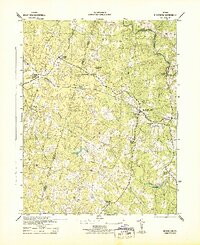 1943 Beaverdam1943 Print · USGSMid-century Hanover and Louisa counties revolve around the railroad and timber trades during the early years of the war. Genealogists and historians can trace the local hubs of Beaverdam and Bumpass, alongside rural anchors like Lazarus Chapel and Harris Store.
 - 1943 Map of Richmond, 1972 Print
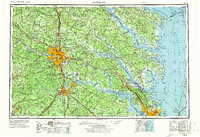 1943 Richmond1972 Print · USGSCoastal Virginia and the state capital are shown in detail during the mid-century era of infrastructure expansion. Genealogists and historians can trace the grounds of Richmond Nat Battlefield Park, locate the Yorktown Nat Cem, or follow the many rural routes through Amelia Court House and Tappahannock.
 - 1944 Map of Passapatanzy
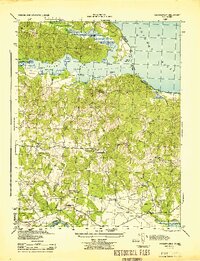 1944 Passapatanzy1944 Print · USGSThe Virginia riverfront along the Potomac and Rappahannock appears here during the height of the Second World War. Genealogists and historians can trace family-named landmarks and rural hubs like Passapatanzy, Sealston PO, and the U. S. Government Railroad.
 - 1944 Map of Nanjemoy
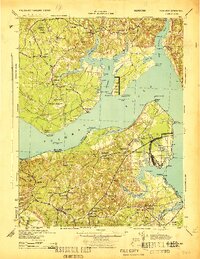 1944 Nanjemoy1944 Print · USGSMaryland and Virginia meet across the Potomac River during the 1940s, showing a region defined by naval operations and rural tidewater life. Researchers can trace military footprints at Dahlgren and Blossom Point Proving Ground or find old community centers like Nindes Store and Oak Grove Sch.
 - 1948 Map of Washington
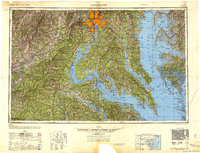 1948 Washington1948 Print · USGSThe Potomac and Chesapeake regions in the late 1940s reveal a landscape of expanding military reach and deep-rooted Tidewater settlements. Trace old rail corridors like the Richmond Fredericksburg & Potomac RR or locate landmarks like the Wakefield Washington Monument and St. Marys College.2 unique versions available
 - 1948 Map of Nanjemoy
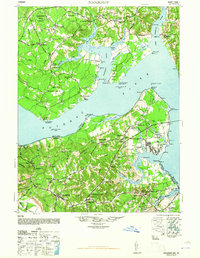 1948 Nanjemoy1948 Print · USGSThe Potomac River tidewater region is captured here in the years following World War II, showing the rural communities of Charles County and King George County. Trace old family locales and infrastructure from Nindes Store and Grayton PO to the NAVAL PROVING GROUND.2 unique versions available
 - 1949 Map of Richmond, 1951 Print
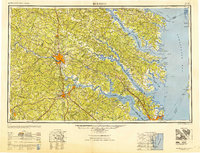 1949 Richmond1951 Print · USGSCoastal Virginia in the years following World War II remained a landscape of historic river towns and expanding military bases. Genealogists and historians can trace the rail lines of the Southern Ry and locate established landmarks from Camp Lee to the remote reaches of Dragon Swamp.
 - 1949 Map of Rollins Fork, 1961 Print
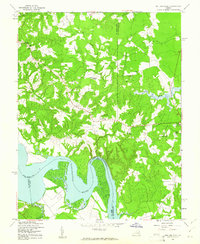 1949 Rollins Fork1961 Print · USGSCoastal Virginia just after the war reveals a landscape of tidal reaches and quiet rural junctions where three counties meet. Genealogists can trace family names and community centers like Rollins Fork, Nash Town, and Macedonia Ch along the Rappahannock River.
 - 1949 Map of Guinea, 1961 Print
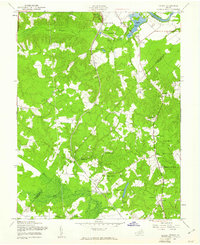 1949 Guinea1961 Print · USGSSpotsylvania and Caroline Counties appear here just after the war, showing a landscape of family-named crossroads and established rail corridors. Genealogists can trace rural communities like Flippos Corner and Villboro, or locate the historic Stonewall Jackson Shrine.
 - 1949 Map of Occupacia, 1961 Print
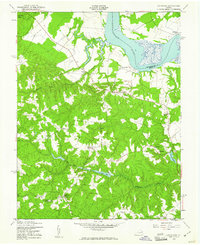 1949 Occupacia1961 Print · USGSCoastal Virginia near the Rappahannock River is captured here in the late 1940s, showing a traditional landscape of millponds and rural parishes. Researchers can locate historic landmarks such as Vauters Ch and Hunters Millpond alongside crossroads like Hustle.
 - 1949 Map of Bowling Green, 1961 Print
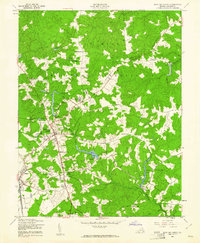 1949 Bowling Green1961 Print · USGSCaroline County in the late 1940s displays a mix of traditional milling and the growing footprint of the A P Hill Military Reservation. Researchers can trace family-named corners and local industry at Hicks Mill, Elliots Pond, and the Milford rail stop.2 unique versions available
 - 1949 Map of Ruther Glen, 1964 Print
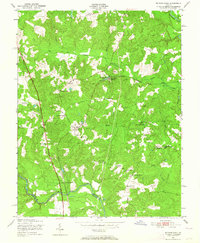 1949 Ruther Glen1964 Print · USGSCaroline County's rural crossroads and rail corridors are captured here just after the war. Local historians can trace the foundations of Ruther Glen and find family-named sites like Moncure Corner or Colemans Mill Crossing.
 - 1949 Map of Hanover, 1967 Print
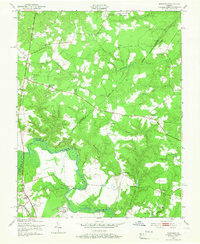 1949 Hanover1967 Print · USGSCentral Virginia’s river borders and rural communities are captured here just after the war, showing the intersection of three counties. Genealogists and historians can locate family landmarks like Burrows Chapel, Etna Mills, and the Virginia Industrial School for Boys.
End of results
Showing maps 1-25 of 25
Top cities of Caroline County
- Lake Land'Or historical maps
- Lake Caroline historical maps
- Bowling Green historical maps
- Port Royal historical maps
Frequently asked questions
- What are the different types of historical maps available for Caroline County?
- What is the oldest map of Caroline County?
- Where can I purchase historical maps of Caroline County for my home or office?
- Where can I download high-res historical maps of Caroline County?
- Are there historical topographic maps available for Caroline County?
- Is there historical aerial imagery available for Caroline County?
- Where are historical maps of Caroline County sourced from?