Old Maps of Greensville County, Virginia for Genealogy
Trace your family roots with 102 historic maps of Greensville County. These high-res maps reveal old neighborhoods, homesites, landmarks, and streets — helping you uncover where your ancestors lived and how the area evolved over time.
- Explore historic neighborhoods: Identify where your relatives may have lived in the 1800s or 1900s.
- Compare maps over time: Trace the changes in streets, buildings, and landmarks for multi-generational research.
- Perfect for genealogy & ancestry research: Used by family historians and researchers to map out lineage and migration.
These maps are an incredible resource for exploring your personal connection to Greensville County's past.
Greensville County, VA maps
(102)- 1919 Map of Jarratt
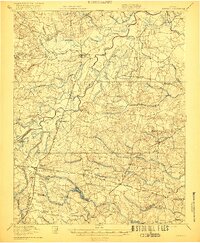 1919 Jarratt1919 Print · USGSSoutheastern Virginia at the close of the Great War was a busy crossroads of the Atlantic Coast Line and Virginian railroads. Genealogists and local historians can trace family locations near the Russian Church, identify the site of Harrells Mill, or locate old post offices like Comans Well.3 unique versions available
 - 1919 Map of Mc Kenney
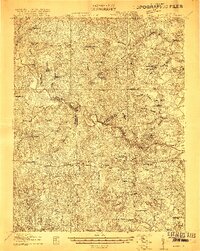 1919 Mc Kenney1919 Print · USGSSouthside Virginia at the close of the Great War was a region defined by its river crossings and small-town commerce. Genealogists can trace family roots through numerous local landmarks like Smoky Ordinary, Big Bethel Church, and the Drumgoole School.
 - 1919 Map of White Plains
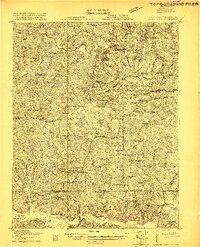 1919 White Plains1919 Print · USGSSouthern Virginia and the North Carolina borderlands are captured here at the close of the Great War. Genealogists can trace early twentieth-century communities through family-named landmarks like Vincents Store, Hicks Mill, and Holly Springs Church.
 - 1919 Map of Emporia
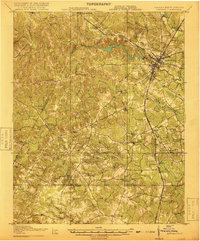 1919 Emporia1919 Print · USGSSouthern Virginia and the North Carolina borderlands are captured here at the height of the railroad era. Researchers can trace family roots through rural landmarks like Hopeville (Post Store), Squire School, and the Hitchcock Quarry.3 unique versions available
 - 1919 Map of Arringdale
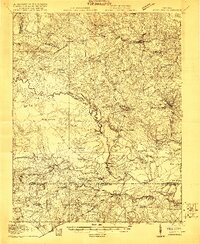 1919 Arringdale1919 Print · USGSSouthampton and Greensville Counties appear at the end of the Great War, showing a landscape defined by the winding Meherrin River. Researchers can trace the legacy of family farms and rural industry through sites like Jordan Crocker Mill, Haleys Bridge, and White Meadow Store.
 - 1920 Map of White Plains
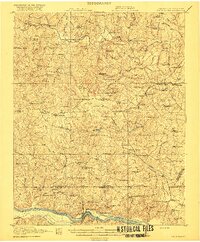 1920 White Plains1920 Print · USGSThe Virginia and North Carolina borderlands come to life in this 1920 survey of the Meherrin and Roanoke river basins. Genealogists can trace family names at Drumgoole Store and Phipps Store, or locate old schoolhouse sites like Meherrin School and Webb School.4 unique versions available
 - 1920 Map of Arringdale
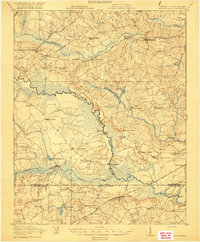 1920 Arringdale1920 Print · USGSCoastal plain life at the state line centered on the river and rail just after the Great War. Genealogists can locate family-named landmarks like Pearsons Millpond and several rural centers including Rising Star School, Hebron Church, and Arringdale.3 unique versions available
 - 1921 Map of Mc Kenney
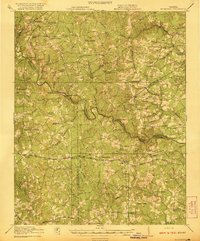 1921 Mc Kenney1921 Print · USGSSouthern Virginia at the turn of the decade reveals a landscape of tobacco-country schools, churches, and river crossings. Trace the old rail lines of the Virginian and find local landmarks like Smoky Ordinary, Barnes and Parsons Store, and Laxottes Ford.2 unique versions available
 - 1942 Map of Arringdale
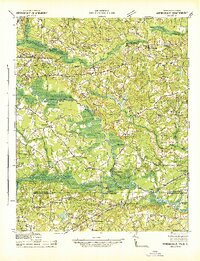 1942 Arringdale1942 Print · USGSCrossing the Virginia and North Carolina line in the early 1940s, this area reveals a landscape of river-bottom swamps and busy rail corridors. Genealogists can trace family locations near Little Texas or find historical rural institutions like the Morris Hill Church and Faison School.
 - 1942 Map of Emporia
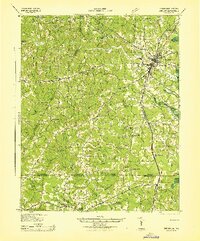 1942 Emporia1942 Print · USGSThe Virginia-North Carolina borderlands are captured here during the early years of the war, centered on the rail crossroads of Emporia. Genealogists can trace family footprints through several rural landmarks, including Hobbs Chapel, Pairs Store, and Brewers Crossroads.
 - 1943 Map of Mc Kenney
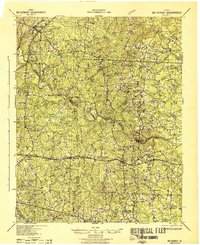 1943 Mc Kenney1943 Print · USGSSouthside Virginia's rural landscape is captured here during the mid-forties, showing the vital rail-and-river network of Dinwiddie and Brunswick counties. Genealogists can trace family footprints at dozens of sites like Big Bethel Church, Drumgoole School, and the Barnes and Parsons Store.
 - 1951 Map of Jarratt, 1952 Print
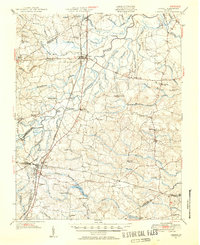 1951 Jarratt1952 Print · USGSThe rural Virginia landscape of Sussex and Greensville counties is shown here in the early 1950s, centered on the railroad crossing at Jarratt. Genealogists and historians can trace family locations near landmarks like Winfields Mill, Peagram Cem, and the old Fort Nottoway.2 unique versions available
 - 1953 Map of Norfolk, 1954 Print
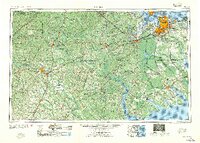 1953 Norfolk1954 Print · USGSCoastal Virginia and northeastern North Carolina appear here during the post-war industrial boom, showing the critical rail-and-sea connections of Hampton Roads. Genealogists can trace family roots through rural landmarks like Gethsemane Ch, the Caledonia State Prison Farm, and the vast interior of the Dismal Swamp.4 unique versions available
 - 1963 Map of Skippers, 1964 Print
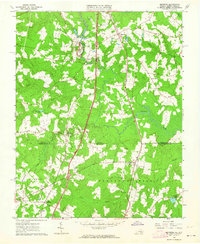 1963 Skippers1964 Print · USGSGreensville County, Virginia, and Northampton County, North Carolina, appear here in the early sixties as the interstate era began to reach the border. Researchers can find numerous family-named landmarks and rural hubs, from Wyche Cem and Robinson Cem to the local centers at Skippers and Dahlia.3 unique versions available
 - 1963 Map of Barley, 1964 Print
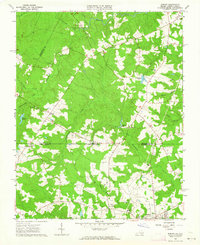 1963 Barley1964 Print · USGSCross the state line between Virginia and North Carolina in the early sixties, where rural life centered on small crossroads like Barley. Genealogists can locate family-named sites like Garners Mill, Royland Sch, and Oak Grove Ch.3 unique versions available
 - 1963 Map of Mc Kenney, 1964 Print
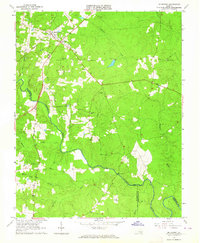 1963 Mc Kenney1964 Print · USGSDinwiddie County's rural landscape is centered on the railroad town of McKenney in the early 1960s, a time when family-named cemeteries and country churches defined the community. Local history researchers can trace family roots at Asbury Cem, Abernathy Cem, or near the Nottoway River and Cutbank Bridge.2 unique versions available
 - 1963 Map of Cherry Hill, 1964 Print
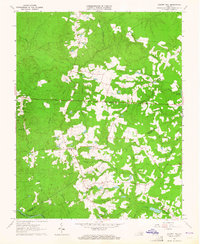 1963 Cherry Hill1964 Print · USGSDinwiddie and Sussex counties come alive in the early 1960s, showing a traditional landscape of crossroads stores and family holdings. Genealogists can locate numerous family burial sites like Boisseau Cem and Bain Cem or centers of community life at Wharf's Store and Masontown Sch.3 unique versions available
 - 1963 Map of Purdy, 1964 Print
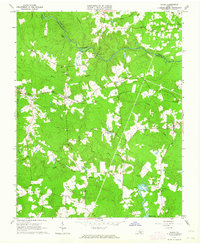 1963 Purdy1964 Print · USGSGreensville and Sussex counties are captured here in the early sixties, showing a landscape of river-bottom swamps and rural railroad hamlets. Genealogists can trace family landmarks like Cowie Cem, Coyie Corner, and several country churches including St Johns Ch.3 unique versions available
 - 1963 Map of Smoky Ordinary, 1964 Print
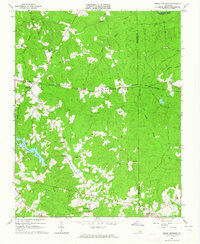 1963 Smoky Ordinary1964 Print · USGSSouthern Brunswick County appears in the early sixties as a region of small rail stops and country parishes. Genealogists and historians can trace family locations near Smoky Ordinary, Mallory Sch, or the several churches like Emmanuel Ch along the NORFOLK AND WESTERN line.3 unique versions available
 - 1963 Map of Emporia, 1964 Print
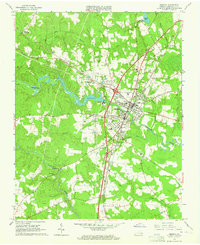 1963 Emporia1964 Print · USGSGreensville County at the dawn of the 1960s reveals a bustling rail crossroads centered on Emporia. Researchers can trace the development of local institutions like the Greensville Memorial Hospital and locate family landmarks such as Jones Cemetery and Round Hill Cemetery.5 unique versions available
 - 1963 Map of Ante, 1964 Print
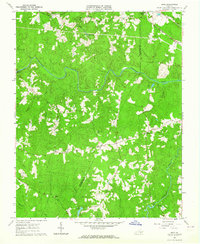 1963 Ante1964 Print · USGSBrunswick and Greensville counties in the early sixties remained a landscape of rural crossroads and river bottomlands. Genealogists can locate family landmarks like Hobbs Chapel, the Scott Lewis Sch, and small hamlets such as Totaro and Cordie.3 unique versions available
 - 1963 Map of Valentines, 1964 Print
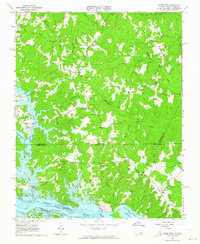 1963 Valentines1964 Print · USGSThe Virginia and North Carolina borderlands are captured in the early sixties as the reservoirs of Lake Gaston and Roanoke Rapids Lake shape the landscape. Researchers can trace rural community life through sites like Little Bethel Ch, Vultare, and the Old Railroad Grade.4 unique versions available
 - 1966 Map of Drewryville, 1968 Print
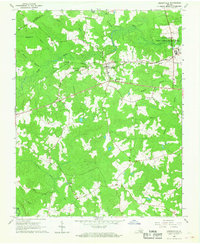 1966 Drewryville1968 Print · USGSSouthampton County during the mid-sixties reveals a landscape of rural crossroads and timbered wetlands tied together by the Norfolk and Western railway. Researchers can trace local heritage through landmarks like Persons Ch, Hebron Ch, and the brick Kilns near the eastern border.2 unique versions available
 - 1966 Map of Margarettsville, 1968 Print
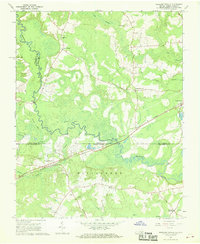 1966 Margarettsville1968 Print · USGSThe Virginia and North Carolina borderlands come alive in the 1960s, showing a landscape defined by the winding Meherrin River and the Seaboard Coast Line railroad. Researchers can trace rural life through landmarks like Margarettsville, Rising Star Ch, and the Southampton Speedway.4 unique versions available
 - 1966 Map of Adams Grove, 1968 Print
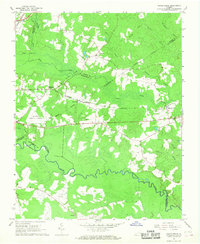 1966 Adams Grove1968 Print · USGSSouthampton and Greensville Counties are captured here in the mid-sixties, showing a landscape defined by meandering river bends and timber-linked rail lines. Genealogists and historians can trace rural landmarks from Grizzard to Adams Grove, including Pleasant Grove Cem and the Meherrin River.3 unique versions available
Showing maps 1-25 of 102
Frequently asked questions
- What are the different types of historical maps available for Greensville County?
- What is the oldest map of Greensville County?
- Where can I purchase historical maps of Greensville County for my home or office?
- Where can I download high-res historical maps of Greensville County?
- Are there historical topographic maps available for Greensville County?
- Is there historical aerial imagery available for Greensville County?
- Where are historical maps of Greensville County sourced from?