Old Maps of Woodland, Washington
Explore 26 old maps of Woodland, spanning from 1922 to today. These high-resolution historic maps reveal how streets, neighborhoods, landmarks, and natural features evolved over time — perfect for genealogy, metal detecting, research, and local history exploration.
What you can do with these maps:
- See how Woodland changed over time: Compare historical maps to modern-day views to trace roads, homesites, rail lines & more.
- View detailed metadata: Each map includes creators, publishers, year, scale, and archive source.
- Overlay maps with satellite & LiDAR: Visualize the past alongside modern tools to explore terrain & human change.
- Trusted historical sources: Maps sourced from the USGS, Library of Congress, and other archives.
- Access maps your way: View online, download high-res files, or order prints for personal or research use.
Start exploring old maps of Woodland to uncover forgotten places, hidden landmarks, and the deep history beneath your feet.
Woodland, WA maps
(26)- 1922 Map of St. Helens
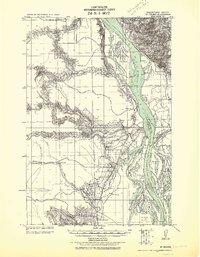 1922 St. Helens1922 Print · USGSThe Columbia River valley in the early twenties was a hub of logging and river commerce. Genealogists can trace family roots through old post offices like Yankton P.O. and Warren P.O. or locate historic industry at the Dupont Powder Co. site.
 - 1940 Map of La Center
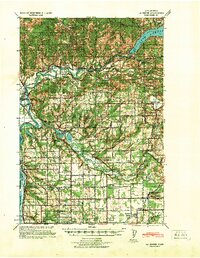 1940 La Center1940 Print · USGSClark County, Washington, is shown just before the war as a landscape of river-valley farms and timber outposts. Researchers can trace family roots through named intersections like Dollar Corner and Scotton Corner or locate vanished sites like the Ariel School.
 - 1941 Map of St Helens
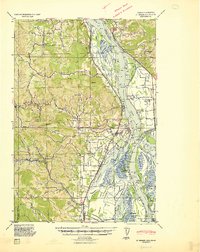 1941 St Helens1941 Print · USGSThe Columbia River waterfront near St. Helens was a thriving industrial and agricultural corridor just before the war. Trace old rail stops at Honeymoon Sta, rural schoolhouses like Shilo Basin Sch, and the shifting river islands from Deer Island to Bachelor Island.
 - 1943 Map of St Helens
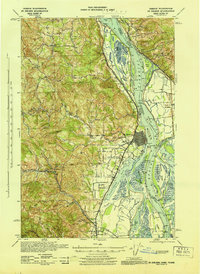 1943 St Helens1943 Print · USGSThe Columbia River corridor during the mid-forties shows a bustling network of riverfront towns and upland settlements. Researchers can trace historic river landings like Caples Landing alongside rural landmarks such as Yankton, Trenholm, and Shilo Basin Sch.
 - 1948 Map of Vancouver, 1957 Print
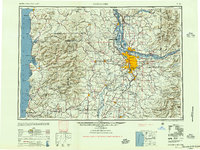 1948 Vancouver1957 Print · USGSPost-war growth transforms the river valleys of the Pacific Northwest as the timber and rail economy thrives. Trace family roots in Tillamook or Oregon City, and locate vanished landmarks like the spit at Bayocean or the Skamania Mine.
 - 1950 Map of Vancouver
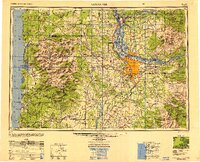 1950 Vancouver1950 Print · USGSCoastal Oregon and the lower Columbia River valley are captured in detail just after the war. Researchers can trace historic rail routes like the Southern Pacific or locate early settlements such as Vernonia, Gaston, and the Grand Ronde Indian Reservation.
 - 1950 Map of Vancouver, 1951 Print
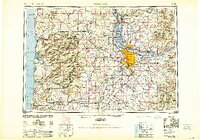 1950 Vancouver1951 Print · USGSThe Pacific Northwest urban corridor meets the rugged coast in the years following the war, showing the expansion of Portland and Vancouver. Genealogists and historians can trace the reach of the Southern Pacific RR and locate coastal communities like Tillamook, Seaside, and Tolovana Park.
 - 1954 Map of Deer Island, 1956 Print
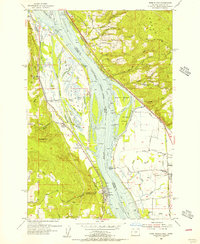 1954 Deer Island1956 Print · USGSThe Columbia River shoreline near Columbia City and Woodland is captured here in the mid-fifties. Genealogists and historians can trace family-named roads like McBride Road and locate sites like Caples Landing (Site) or the Ferndale Sch (Abandoned).3 unique versions available
 - 1954 Map of La Center, 1957 Print
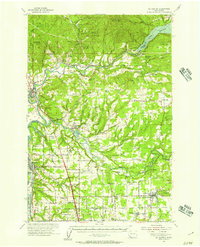 1954 La Center1957 Print · USGSThe Clark and Cowlitz county borderlands in the mid-1950s show a mix of river-valley agriculture and rugged uplands. Researchers can trace rural school consolidation at Enterprise Sch or locate ancestors at Highland Cem and Dublin Cem.2 unique versions available
 - 1954 Map of St Helens, 1962 Print
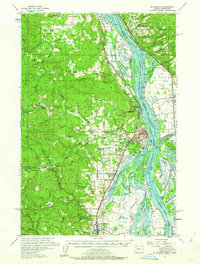 1954 St Helens1962 Print · USGSThe Columbia River waterfront and its surrounding timberlands are captured here in the mid-1950s. Genealogists and researchers can trace the locations of rural schools and landmarks like the Wilark Guard Station, Shiloh Basin Cemetery, and Bachelor Flat.2 unique versions available
 - 1958 Map of Vancouver, 1968 Print
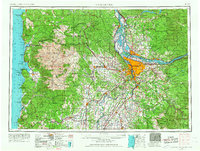 1958 Vancouver1968 Print · USGSThe Lower Columbia and Willamette valleys thrive in the late sixties as major rail and river hubs. Genealogists and historians can trace the development of Portland, identify the grounds of Camp Withycombe, and locate coastal landmarks from Tillamook Head to Garibaldi.3 unique versions available
 - 1964 Map of Vancouver
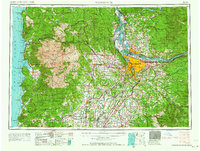 1964 Vancouver1964 Print · USGSThe Pacific Northwest interior and coast are shown here in the 1960s, from the Portland metropolitan hub to the rugged Pacific shoreline. Researchers can trace the legacy of the Grand Ronde Indian Reservation, the early layout of McMinnville, and the maritime approaches near Tillamook Head.
 - 1971 Map of Woodland, 1973 Print
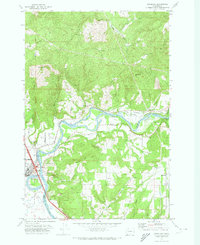 1971 Woodland1973 Print · USGSWoodland and the Lewis River valley are shown in the early seventies as the area balanced river-based industry with growing rural settlements. Genealogists can locate family names and sites like Highland Cem, Abel Cem, and the Finn Hall community.
 - 1979 Map of Vancouver, 1980 Print
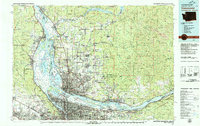 1979 Vancouver1980 Print · USGSThe Portland and Vancouver metropolitan area is captured here in the late seventies, showing the dense nexus of river, rail, and air transit. Genealogists and local historians can trace the footprints of Vancouver Barracks, Lincoln Memorial Park Cem, and the old rail lines of the Burlington Northern.2 unique versions available
 - 1990 Map of Deer Island, 1995 Print
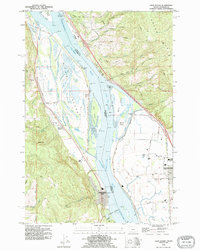 1990 Deer Island1995 Print · USGSThe Columbia River islands and Washington-Oregon borderlands are captured here in the 1990s. Genealogists and local historians can trace family-named sites like Maple Hill and McBride Creek or locate the old Cem near Woodland.
 - 1990 Map of Woodland, 1995 Print
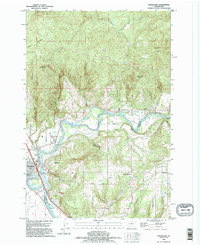 1990 Woodland1995 Print · USGSWoodland and the Lewis River valley are captured in the early nineties, showing a landscape of riverfront commerce and rising timberlands. Researchers can locate family landmarks such as Highland Cem, Abel Cem, and the community gathering point at Finn Hall.
 - 2011 Map of Woodland, 2011 Print
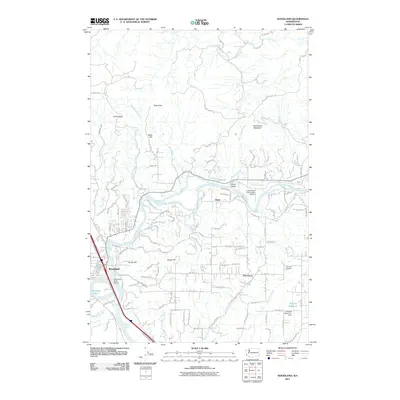 2011 Woodland2011 Print · USGSNear the Columbia River confluence during the early 2010s, this area shows the development of the river valley from Woodland to Hayes. Researchers can trace the floodplains of Horseshoe Lake, find the Highland Cemetery, and locate the Binford Reservoir Dam.
 - 2011 Map of Deer Island, 2011 Print
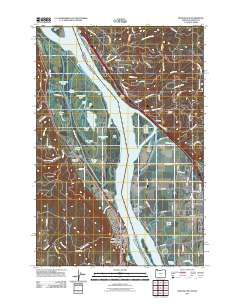 2011 Deer Island2011 Print · USGSThe Columbia River dominates this 2011 landscape as it winds past Columbia City and the vast marshes of Deer Island. Researchers can trace local history through sites like the Kinder Cemetery, Ferndale School, and the old Caples Landing.
 - 2013 Map of Woodland, 2013 Print
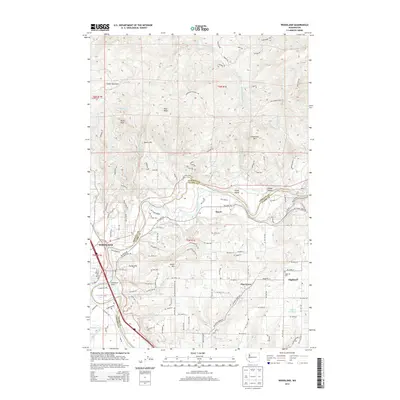 2013 Woodland2013 Print · USGSThe riverfront town of Woodland and its surrounding foothills are captured here in the early 2010s at the junction of the Lewis River and the Clark County line. Researchers can trace the layout of upland communities like Hayes and Pine Grove or locate family sites near Highland Cem.
 - 2014 Map of Deer Island, 2014 Print
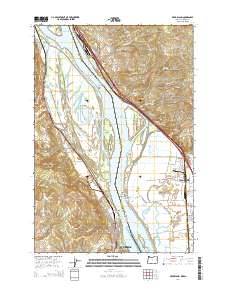 2014 Deer Island2014 Print · USGSThe riverfront communities of St. Helens and Columbia City are shown here at the start of the twenty-first century. Researchers can trace family history at Kinder Cem, explore the shoreline at Caples Landing, and locate islands like Goat Island.
 - 2017 Map of Woodland, 2017 Print
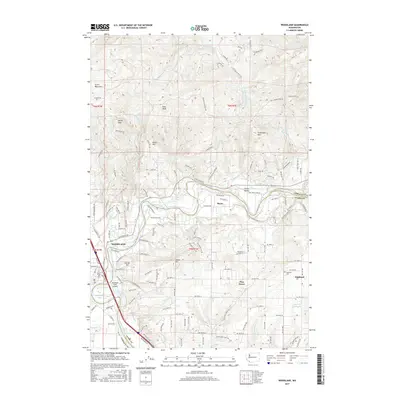 2017 Woodland2017 Print · USGSThe Lewis River valley comes into focus in this recent survey of the Washington borderlands. Local researchers can trace the roads winding toward Highland Cemetery, locate the Woodland State Airport, or study the shorelines of Horseshoe Lake and Binford Reservoir.
 - 2017 Map of Deer Island, 2017 Print
 2017 Deer Island2017 Print · USGSThe Columbia River corridor between Columbia City and Kalama is detailed here as it appeared in the late 2010s. Researchers can trace riverside history through Kinder Cem, the BNSF Railway, and local landmarks like Maple Hill.
 - 2020 Map of Woodland, 2020 Print
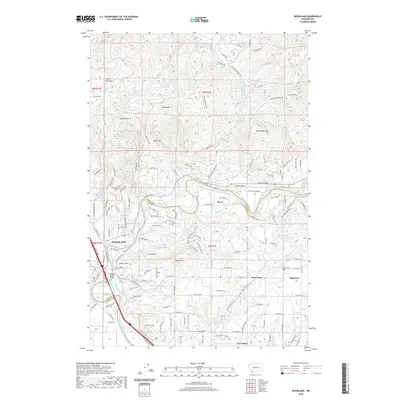 2020 Woodland2020 Print · USGSWoodland and the Lewis River valley are captured here at the start of the 2020s, showing a mix of growing river towns and upland homesteads. Genealogists and local researchers can trace old family sites near Cowlitz Cem, Hayes, and the rural crossroads of Pine Grove.
 - 2020 Map of Deer Island, 2020 Print
 2020 Deer Island2020 Print · USGSThe Lower Columbia River shoreline comes alive in this modern survey of the Oregon-Washington border. Genealogists can trace family names at Kinder Cem and Masonic Cem, or explore the rail-and-river hub of Kalama and the island-dotted Multnomah Channel.
 - 2023 Map of Woodland, 2023 Print
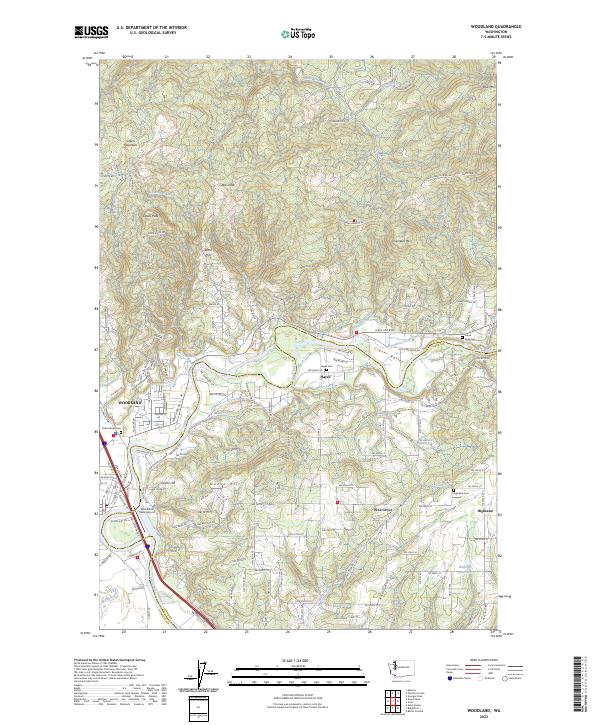 2023 Woodland2023 Print · USGSWoodland and the Lewis River valley are shown here in the 2020s, where the river serves as the boundary between Cowlitz and Clark counties. Researchers can locate family burial sites at Odd Fellows Cem and Abel Cem or trace the rural reach of Hayes and Highland.
Showing maps 1-25 of 26
Top cities near Woodland
- Vancouver historical maps
- Longview historical maps
- Battle Ground historical maps
- Saint Helens historical maps
- Kelso historical maps
- Ridgefield historical maps
See more
Frequently asked questions
- What are the different types of historical maps available for Woodland?
- What is the oldest map of Woodland?
- Where can I purchase historical maps of Woodland for my home or office?
- Where can I download high-res historical maps of Woodland?
- Are there historical topographic maps available for Woodland?
- Is there historical aerial imagery available for Woodland?
- Where are historical maps of Woodland sourced from?