Old Maps of Kalaloch, Washington for Hiking & Exploration
Hike through history with 12 historic maps of Kalaloch. Explore old trails, ghost towns, and forgotten backroads — perfect for outdoor adventurers and local explorers.
- Rediscover forgotten places: Map out old mining camps, roads, and footpaths that no longer exist on modern maps.
- Layer with modern tools: Combine with LiDAR or satellite views to plan hikes through historical terrain.
- Made for exploration: Popular among hikers, overlanders, and local history lovers.
Use these maps to find adventure and explore the hidden past of Kalaloch.
Kalaloch, WA maps
(12)- 1943 Map of Copalis Beach
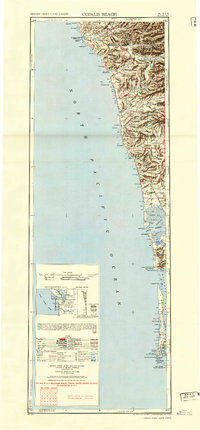 1943 Copalis Beach1943 Print · USGSThe Washington coast in the 1940s is detailed here from the Olympic Peninsula to the Columbia River. Trace old beach settlements like Moclips and Copalis Beach alongside landmarks like the Willapa Bay Lighthouse.
 - 1951 Map of Copalis Beach
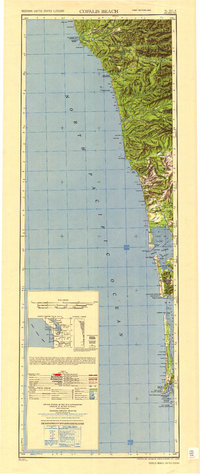 1951 Copalis Beach1951 Print · USGSThe Olympic Peninsula's rugged coast and tribal lands are meticulously detailed in the early 1950s. Genealogists and historians can trace the foundations of coastal communities from Taholah to La Push or locate early markers like the James Island Lighthouse.
 - 1956 Map of Destruction Island, 1959 Print
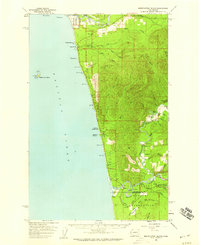 1956 Destruction Island1959 Print · USGSThe Washington coast during the mid-fifties reveals a landscape of tribal lands and newly protected park territory. Trace maritime and river history through the Destruction Island Lighthouse and rapids like Barker Rapids.2 unique versions available
 - 1957 Map of Copalis Beach, 1968 Print
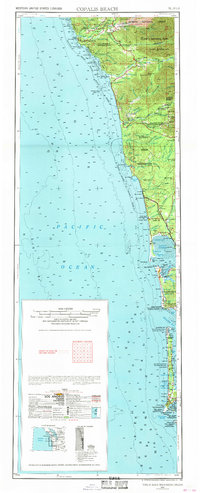 1957 Copalis Beach1968 Print · USGSThe Washington coast during the late fifties reveals a landscape of tribal reservations and timber towns linked by the Northern Pacific RR. Trace family history and land patterns near Forks Cemetery, the shingle mill, or coastal landings like Taholah and Oysterville.2 unique versions available
 - 1963 Map of Copalis Beach
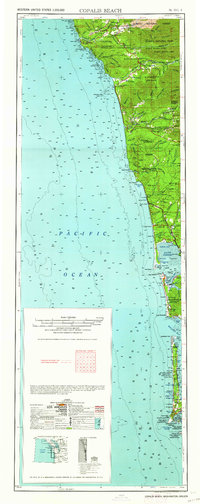 1963 Copalis Beach1963 Print · USGSThe Washington coast in the early sixties reveals a landscape of massive timber reserves, indigenous lands, and quiet seaside villages. Genealogists and historians can trace the foundations of coastal life through sites like Lone Fir Cemetery, the Dismantled RR, and the historic oyster beds of Oysterville.
 - 1982 Map of Queets
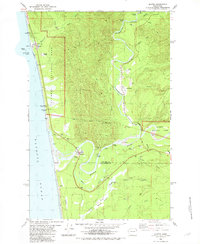 1982 Queets1982 Print · USGSThe Olympic Peninsula coastline and its deep river valleys come into focus in the early eighties as the modern recreational and tribal landscape takes shape. Genealogists and historians can trace the foundations of Queets and Clearwater, locating the Queets-Clearwater Sch and early campgrounds like Kalaloch.
 - 1988 Map of Forks
 1988 Forks1988 Print · USGSThe Olympic Peninsula's western coastline and timber heartland are documented here in the late eighties, from the high ridges to the Pacific shelf. Local researchers can trace the coastal settlements of La Push and Mora or locate remote sites like Destruction Island.
 - 2011 Map of Queets, 2011 Print
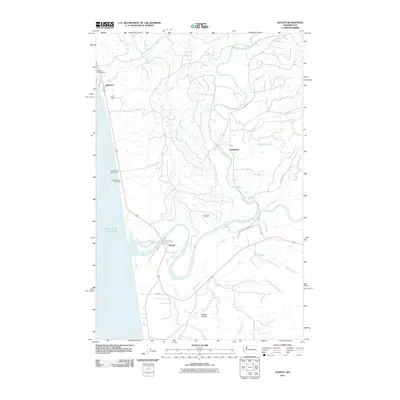 2011 Queets2011 Print · USGSThe Olympic Peninsula coastline and river valleys are captured here in 2011. Trace the waterways of the Queets River and find landmarks like Elk Creek Lookout and the Kalaloch campgrounds.
 - 2014 Map of Queets, 2014 Print
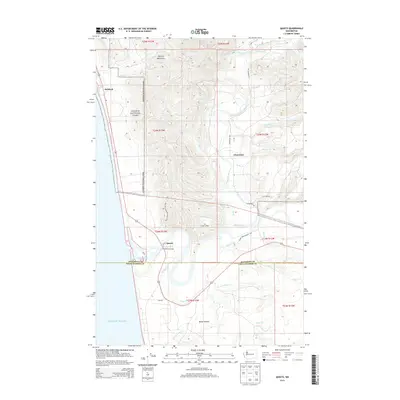 2014 Queets2014 Print · USGSThe Olympic Peninsula coast and the mouth of the Queets River are shown here in the early twenty-first century. Researchers can trace the river's path through Olympic National Park past Preacher Rapids to the settlement of Queets.
 - 2017 Map of Queets, 2017 Print
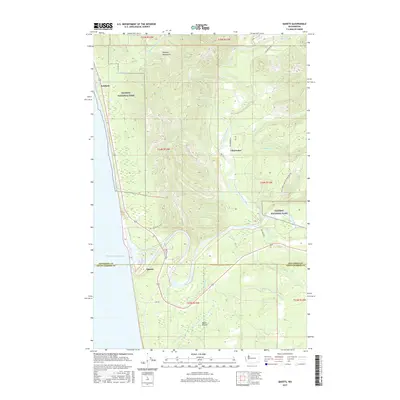 2017 Queets2017 Print · USGSThe Pacific coast of the Olympic Peninsula is captured here in the years before the recent decade, showing the meeting of forest and sea. Researchers can trace the winding paths of the Queets River and Clearwater River or locate landmarks like Moses Prairie and Kalaloch.
 - 2020 Map of Queets, 2020 Print
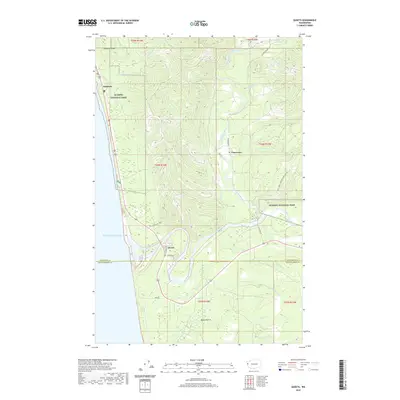 2020 Queets2020 Print · USGSCovers Kalaloch, including Queets, Clearwater, and other nearby areas
 - 2023 Map of Queets, 2023 Print
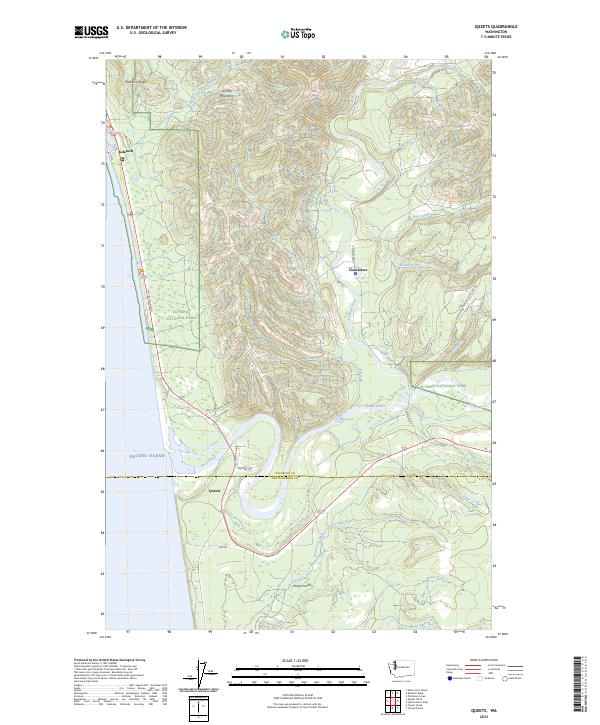 2023 Queets2023 Print · USGSThe Olympic Peninsula coast comes into focus in this recent survey, showing where the rainforest meets the sea. Researchers can trace the winding Queets River and Clearwater River, locating the coastal communities of Queets and Kalaloch along the winding corridor of Hwy 101.
End of results
Showing maps 1-12 of 12
Frequently asked questions
- What are the different types of historical maps available for Kalaloch?
- What is the oldest map of Kalaloch?
- Where can I purchase historical maps of Kalaloch for my home or office?
- Where can I download high-res historical maps of Kalaloch?
- Are there historical topographic maps available for Kalaloch?
- Is there historical aerial imagery available for Kalaloch?
- Where are historical maps of Kalaloch sourced from?