Old Maps of Riverdale, Raymond for Academic Research
Study the evolution of Riverdale with 12 high-resolution historic maps. Whether you're teaching, researching, or modeling changes in land use, these maps provide essential visual documentation of urban, environmental, and geographic change.
- Analyze long-term change: Track patterns in development, transportation, and natural features.
- Ideal for environmental or urban studies: Support academic projects with primary historical map data.
- Use in the classroom or lab: Educators and researchers rely on these maps to bring historical context to life.
These maps are a powerful tool for teaching, research, and visualizing how Riverdale has changed over the decades.
Riverdale, Raymond maps
(12)- 1953 Map of Hoquiam
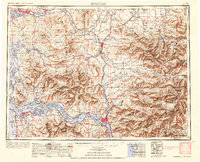 1953 Hoquiam1953 Print · USGSSouthwest Washington in the early fifties shows a landscape shaped by timber, rail, and river commerce from the coast to the Cascades. Genealogists and historians can trace the development of timber towns like Ryderwood and the industrial hubs of Hoquiam and Kelso.2 unique versions available
 - 1955 Map of Raymond, 1957 Print
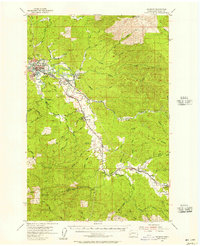 1955 Raymond1957 Print · USGSPacific County during the mid-fifties reveals a landscape defined by timber, rail, and the winding Willapa River. Genealogists and historians can trace riverside settlements from Raymond to Lebam, finding long-standing landmarks like Fern Hill Cem and the State Fish Hatchery.3 unique versions available
 - 1957 Map of Hoquiam
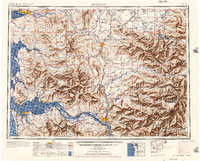 1957 Hoquiam1957 Print · USGSCoastal timber ports and inland rail hubs define Southwest Washington during the late fifties. Genealogists can trace early twentieth-century settlements like Bordeaux, Tono, and Cosmopolis alongside the expanding tracks of the Northern Pacific.
 - 1958 Map of Hoquiam, 1969 Print
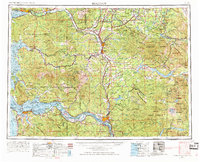 1958 Hoquiam1969 Print · USGSSouthwest Washington and the Columbia River estuary appear here in the mid-century, before major landscape shifts. Researchers can trace the rail lines of the Northern Pacific, locate the Fort Henness Site, or explore the Naselle Air Force Station.2 unique versions available
 - 1962 Map of Hoquiam
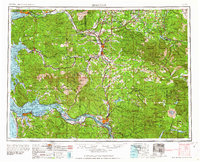 1962 Hoquiam1962 Print · USGSSouthwest Washington in the late fifties is defined by the bustling timber ports of Hoquiam and the rail-linked commerce of the interior valleys. Genealogists and historians can trace the early footprints of settlements like Raymond and Pe Ell, or locate family sites at Grand Mound Cem and Odd Fellows Cem.
 - 1986 Map of Raymond
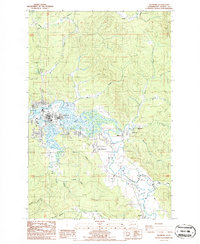 1986 Raymond1986 Print · USGSThe Willapa River basin in the mid-1980s reveals a transition from the industrial and residential hubs of Raymond to the surrounding timber and river lands. Researchers can trace the layout of riverside settlements like Willapa and Menlo, or locate landmarks such as the Historical Marker and local Cem sites.2 unique versions available
 - 1992 Map of Chehalis River, 1993 Print
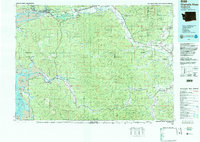 1992 Chehalis River1993 Print · USGSThe Chehalis River valley and the timberlands of the Black Hills are captured here in the early nineties. Researchers can trace rail-and-river history through Montesano and Raymond, or locate the unique Mima Mounds and Bordeaux.2 unique versions available
 - 2011 Map of Raymond, 2011 Print
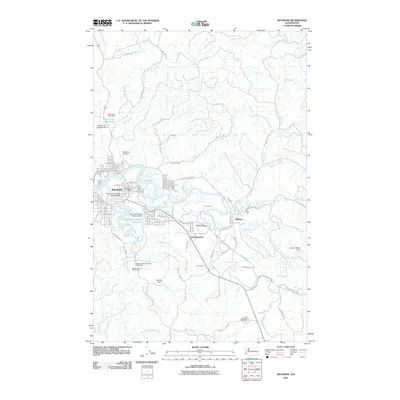 2011 Raymond2011 Print · USGSRaymond and the lower reaches of the Willapa River are documented here in the early twenty-first century. Genealogists and local historians can trace family ties at Washington Cemetery and locate points of interest like the Raymond Post Office and Camp One.
 - 2014 Map of Raymond, 2014 Print
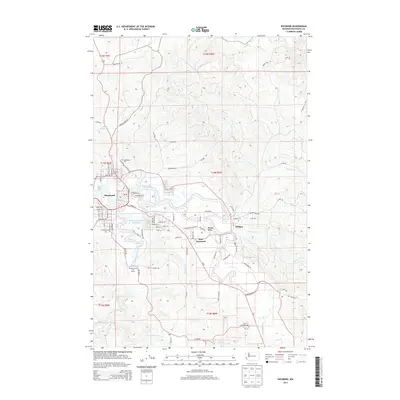 2014 Raymond2014 Print · USGSRaymond and the lower Willapa River valley are shown here in the early 2010s, capturing the area's timber and river-based character. Researchers can trace family roots at Washington Cem and Fern Hill Cem or locate settlements like Willapa and Camp One.
 - 2017 Map of Raymond, 2017 Print
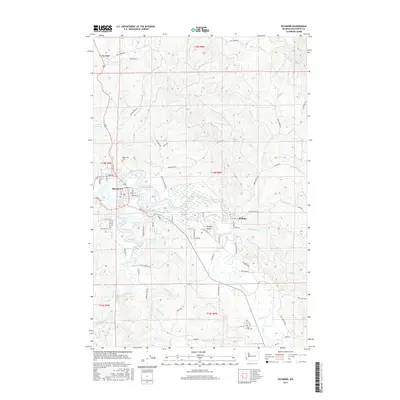 2017 Raymond2017 Print · USGSCoastal Pacific County at the end of the 2010s shows a landscape of timber-harvesting ridges and low-lying river valleys. Genealogists and local researchers can trace family landmarks and burial sites like Washington Cem, Fern Hill Cem, and Willapa Valley.
 - 2020 Map of Raymond, 2020 Print
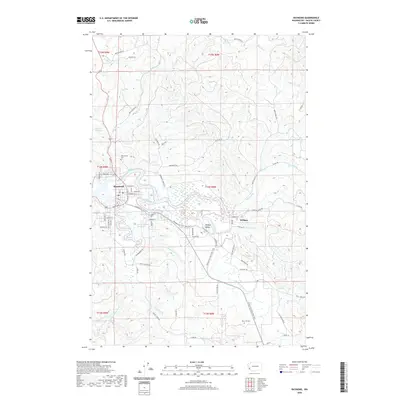 2020 Raymond2020 Print · USGSThe riverfront town of Raymond and the surrounding valley are shown here in the early twenty-first century, at the meeting of the Willapa River and its south fork. Researchers can trace the Willapa Hills State Park Trail or locate family sites at Washington Cem and Fern Hill Cem.
 - 2023 Map of Raymond, 2023 Print
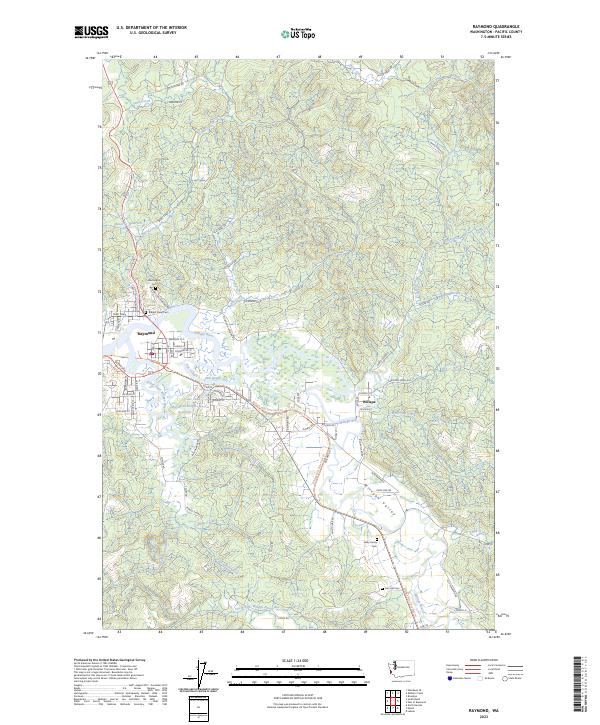 2023 Raymond2023 Print · USGSThe riverfront town of Raymond and the community of Willapa are shown here as they appear today, centered on their historic river junctions. Local historians can trace family burial sites at Fern Hill Cem or follow the path of the Willapa Hills State Park Trl.
End of results
Showing maps 1-12 of 12
Frequently asked questions
- What are the different types of historical maps available for Riverdale?
- What is the oldest map of Riverdale?
- Where can I purchase historical maps of Riverdale for my home or office?
- Where can I download high-res historical maps of Riverdale?
- Are there historical topographic maps available for Riverdale?
- Is there historical aerial imagery available for Riverdale?
- Where are historical maps of Riverdale sourced from?