Old Maps of Union Gap, Washington for Academic Research
Study the evolution of Union Gap with 20 high-resolution historic maps. Whether you're teaching, researching, or modeling changes in land use, these maps provide essential visual documentation of urban, environmental, and geographic change.
- Analyze long-term change: Track patterns in development, transportation, and natural features.
- Ideal for environmental or urban studies: Support academic projects with primary historical map data.
- Use in the classroom or lab: Educators and researchers rely on these maps to bring historical context to life.
These maps are a powerful tool for teaching, research, and visualizing how Union Gap has changed over the decades.
Union Gap, WA maps
(20)- 1899 Map of Ellensburg, 1957 Print
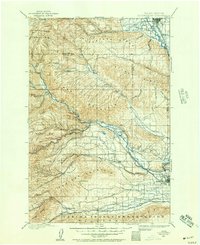 1899 Ellensburg1957 Print · USGSCentral Washington at the turn of the century shows a landscape of growing river towns and high ridges. Researchers can trace early railroad expansion along the Northern Pacific RR or locate rural outposts like Tampico, Ahtanum, and Nile.
 - 1901 Map of Ellensburg
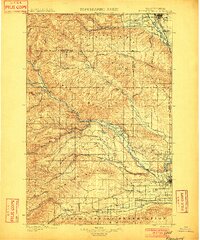 1901 Ellensburg1901 Print · USGSCentral Washington at the turn of the century shows a landscape shaped by river valleys and high ridges. Trace the early Northern Pacific Railway line through Ellensburg and the remote outposts of Nile and Tampico.6 unique versions available
 - 1936 Map of Yakima East
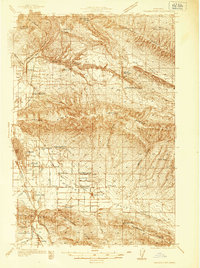 1936 Yakima East1936 Print · USGSYakima and the Moxee Valley are shown here in the mid-1930s as the regional irrigation and rail networks were fully established. Genealogists and local historians can trace family locations near Pease Ranch, Moxee City, and schools like Central Sch.
 - 1941 Map of Yakima East
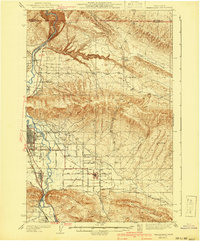 1941 Yakima East1941 Print · USGSThe Yakima Valley was a hub of irrigation and rail transport in the early 1940s, as intensive canal networks reshaped the landscape. Local historians can trace family homesteads along Beaudry Road and Charon Rd, or locate the First Reformed Ch and the State Fairgrounds.2 unique versions available
 - 1950 Map of Yakima, 1951 Print
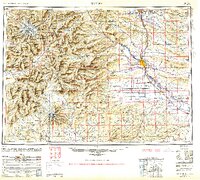 1950 Yakima1951 Print · USGSThe Yakima Valley and the towering Cascades meet in this mid-century survey of South Central Washington. Genealogists and local historians can trace the irrigation-era growth of Yakima, the historic Fort Simcoe outpost, and the White Swan Mission on the Yakima Indian Reservation.
 - 1953 Map of Yakima East, 1957 Print
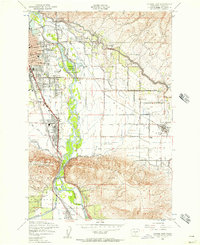 1953 Yakima East1957 Print · USGSThe mid-century growth of the Yakima Valley is on full display here, showing the era's bustling rail corridors and expanding irrigation. Genealogists and local historians can locate the Pioneer Cemetery, St Michaels Church, and old school sites like Adams School.3 unique versions available
 - 1953 Map of Yakima East, 1958 Print
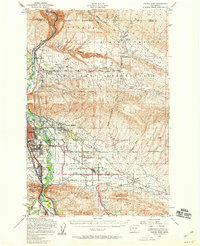 1953 Yakima East1958 Print · USGSThe Yakima Valley in the early fifties shows a landscape of military reservations and expanding irrigation. Trace the growth of Moxee City and Union Gap or locate family roots at Holland Cem and Central School.3 unique versions available
 - 1958 Map of Yakima West, 1960 Print
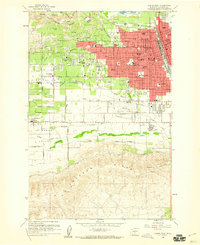 1958 Yakima West1960 Print · USGSYakima entered a period of robust post-war growth during the late fifties, expanding its residential and educational footprint westward. Researchers can trace family-named schools and early landmarks like Yakima Valley Jr College, Tahoma Cem, and the State Fish Hatchery.5 unique versions available
 - 1958 Map of Yakima, 1964 Print
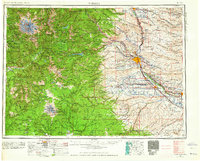 1958 Yakima1964 Print · USGSThe Yakima Valley in the late fifties shows a landscape of mountain peaks and irrigated plains at the height of its rail-era development. Researchers can trace the lineage of early settlements through sites like Fort Simcoe, the Wenas Cemetery, and the Yakima Indian Agency School.3 unique versions available
 - 1961 Map of Yakima
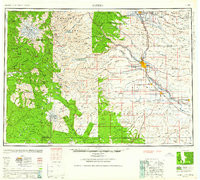 1961 Yakima1961 Print · USGSCentral Washington thrived in the mid-century as an agricultural powerhouse defined by the Yakima River. Trace local roots through Medicine Valley School, Fort Simcoe, and the rail lines of the Northern Pacific RR.
 - 2011 Map of Yakima West, 2011 Print
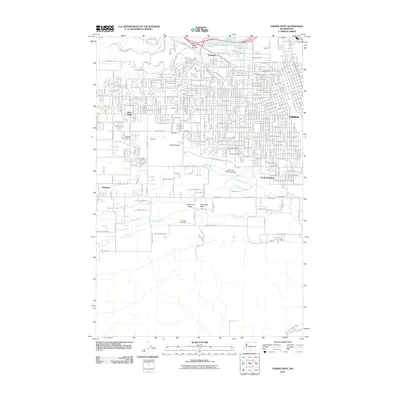 2011 Yakima West2011 Print · USGSYakima and its western neighborhoods are shown in detail during a period of modern expansion and continued reliance on its canal system. Researchers can locate burial sites at Tahoma Cemetery or Yemowat Cemetery and trace water routes like the Union Canal and Hatton Creek.
 - 2011 Map of Yakima East, 2011 Print
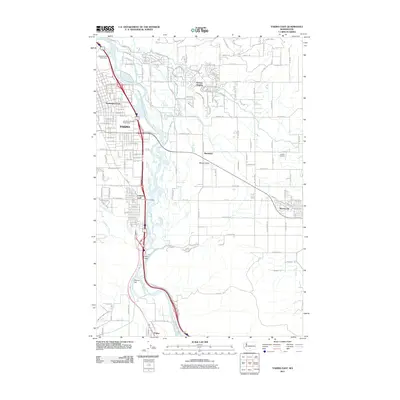 2011 Yakima East2011 Print · USGSYakima and the surrounding valley are shown here in the early 2000s, where the river meets a complex grid of irrigation canals. Genealogists and local historians can locate Pioneer Cemetery, the BNSF Railway corridor, and Moxee City.
 - 2013 Map of Yakima West, 2013 Print
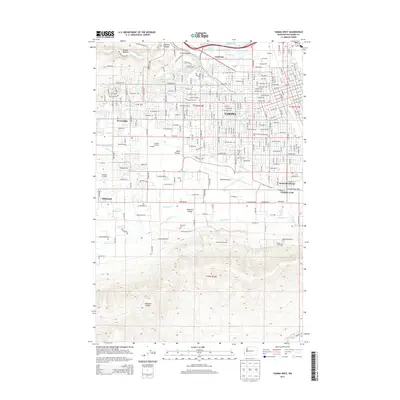 2013 Yakima West2013 Print · USGSYakima and its western orchard lands are captured here in the early twenty-first century, showing the town's expansion toward the surrounding ridges. Genealogists and local historians can trace burial sites at Calvary Cem or Yemowat Cem and locate schools like the Yakima Valley Community College.
 - 2013 Map of Yakima East, 2013 Print
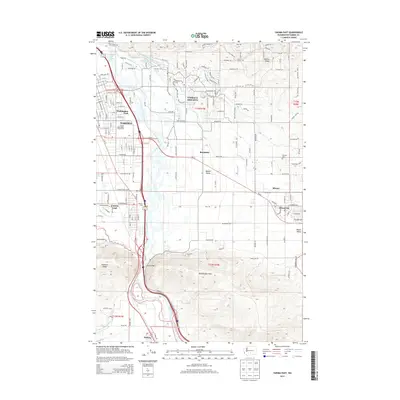 2013 Yakima East2013 Print · USGSThe Yakima Valley at the start of the 2010s shows a landscape defined by the Yakima River and its intricate irrigation canals. Researchers can trace historic burial sites at Pioneer Cem or explore the geography of Moxee City and Union Gap.
 - 2017 Map of Yakima West, 2017 Print
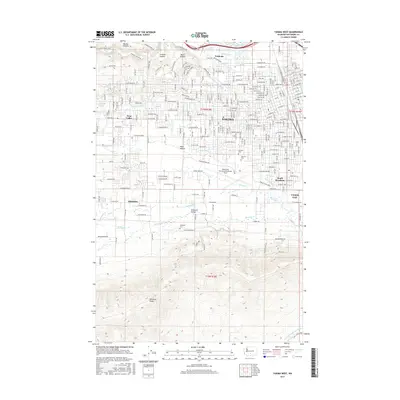 2017 Yakima West2017 Print · USGSIn the fertile Yakima Valley during the late 2010s, this survey highlights the complex relationship between urban expansion and the region's vital irrigation canals. Researchers can trace local genealogy and land use across sites like Yemowat Cem, the Ahtanum Valley, and the Cowiche Canyon Trail.
 - 2017 Map of Yakima East, 2017 Print
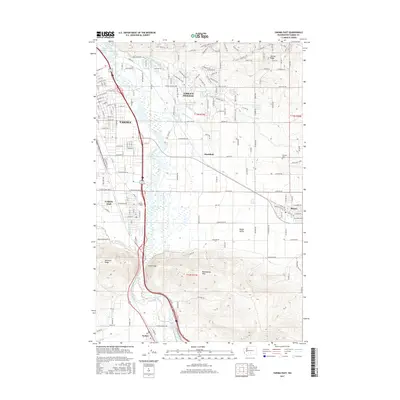 2017 Yakima East2017 Print · USGSThe Yakima River valley during the late 2010s shows a complex web of irrigation and industry connecting Yakima to the Moxee Valley. Genealogists and researchers can trace local family landmarks like Pioneer Cem, the rural roads of Birchfield, and the historic Selah Moxee Irrigation Canal.
 - 2020 Map of Yakima East, 2020 Print
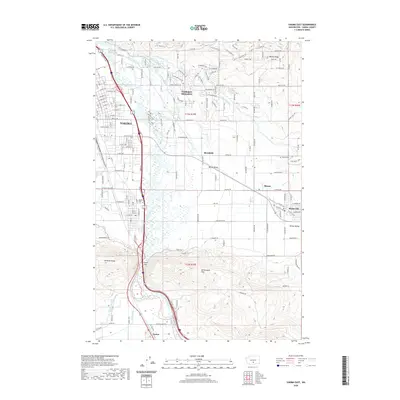 2020 Yakima East2020 Print · USGSThe eastern reaches of Yakima and the Moxee Valley are documented here in the early twenty-first century as urban growth meets managed farmland. Researchers can trace irrigation networks like the Roza Canal and find local landmarks such as Pioneer Cem and Moxee City.
 - 2020 Map of Yakima West, 2020 Print
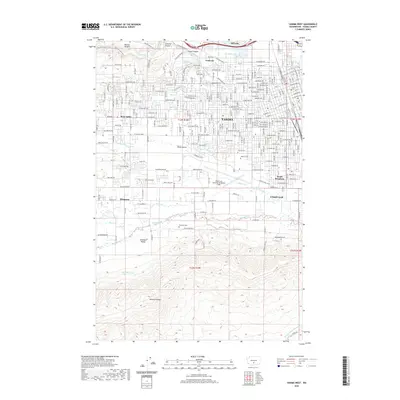 2020 Yakima West2020 Print · USGSYakima and the surrounding Ahtanum Valley are captured here in the contemporary era, showing the intersection of urban growth and historic irrigation systems. Researchers can trace family sites near Tahoma Cemetery or locate landmarks like Fruitvale and the Yakima Air Terminal/McAllister Field.
 - 2023 Map of Yakima West, 2023 Print
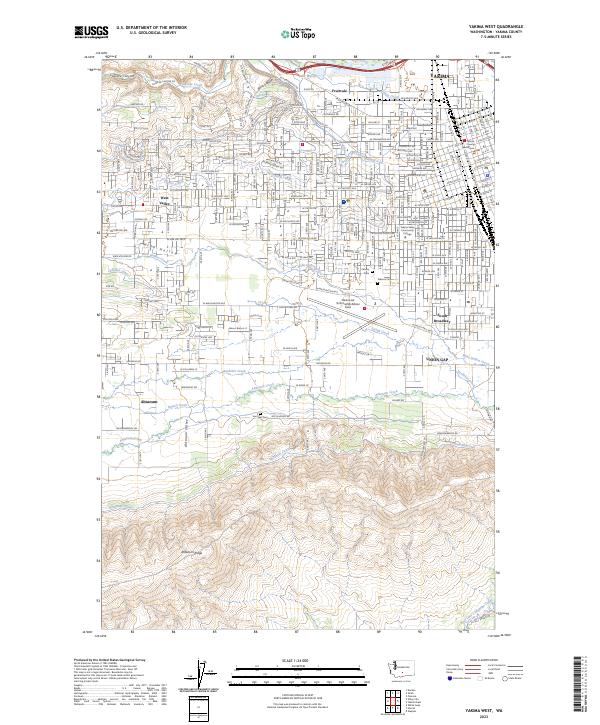 2023 Yakima West2023 Print · USGSThe western reaches of Yakima and the Ahtanum Valley are mapped here in the early twenty-first century, showing the intersection of urban growth and irrigation history. Researchers can trace the paths of the Ahtanum Canal and find local landmarks like Tahoma Cem and the Yakima County Courthouse.
 - 2023 Map of Yakima East, 2023 Print
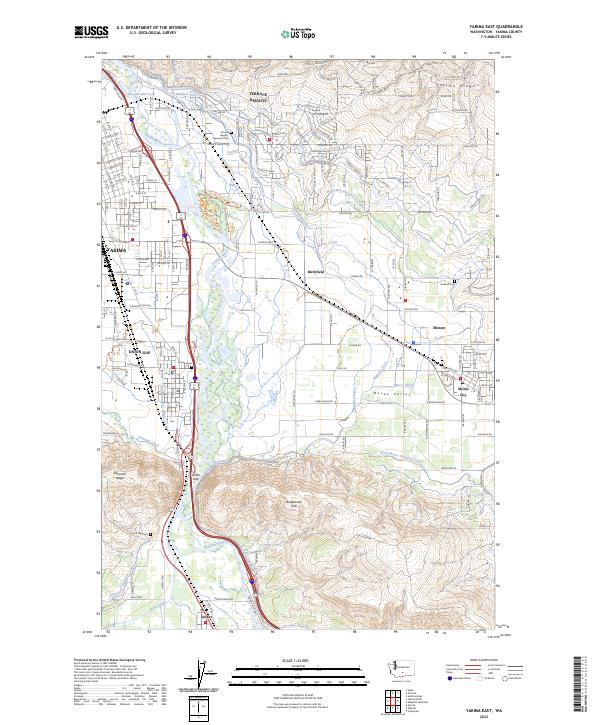 2023 Yakima East2023 Print · USGSThe Yakima area is shown here in the contemporary era as a complex hub of irrigation and riverfront industry. Researchers can trace historical burial sites at Pioneer Cem or follow the path of the Union Gap Canal and Hubbard Ditch.
End of results
Showing maps 1-20 of 20
Top cities near Union Gap
- Yakima historical maps
- Toppenish historical maps
- Selah historical maps
- Wapato historical maps
- Moxee historical maps
- Ahtanum historical maps
See more
Top neighborhoods of Union Gap
Frequently asked questions
- What are the different types of historical maps available for Union Gap?
- What is the oldest map of Union Gap?
- Where can I purchase historical maps of Union Gap for my home or office?
- Where can I download high-res historical maps of Union Gap?
- Are there historical topographic maps available for Union Gap?
- Is there historical aerial imagery available for Union Gap?
- Where are historical maps of Union Gap sourced from?