Old Maps of Bunker Hill, West Virginia for Hiking & Exploration
Hike through history with 18 historic maps of Bunker Hill. Explore old trails, ghost towns, and forgotten backroads — perfect for outdoor adventurers and local explorers.
- Rediscover forgotten places: Map out old mining camps, roads, and footpaths that no longer exist on modern maps.
- Layer with modern tools: Combine with LiDAR or satellite views to plan hikes through historical terrain.
- Made for exploration: Popular among hikers, overlanders, and local history lovers.
Use these maps to find adventure and explore the hidden past of Bunker Hill.
Bunker Hill, WV maps
(18)- 1894 Map of Winchester, 1899 Print
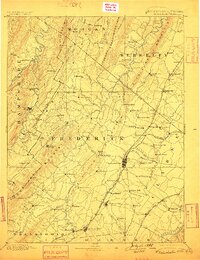 1894 Winchester1899 Print · USGSThe Virginia and West Virginia borderlands appear here in the late nineteenth century, showing a landscape defined by mountain ridges and bustling rail junctions. Researchers can trace early rural life through family-named sites like Unger Store and Fawcetts Gap or the resort history of Capon Springs.6 unique versions available
 - 1914 Map of Gerrardstown
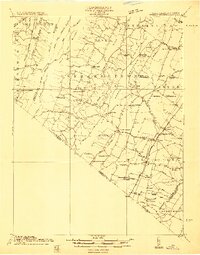 1914 Gerrardstown1914 Print · USGSBerkeley County was a landscape of mountain ridges and orchard valleys just before the Great War. Researchers can locate vanished landmarks like the Toll Gate at Darkesville or early rural institutions such as the Gerrardstown Colored School.
 - 1916 Map of Gerrardstown
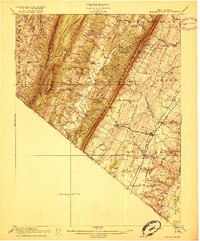 1916 Gerrardstown1916 Print · USGSThe West Virginia and Virginia borderlands come alive in this mid-1910s study of the ridgelines and valley roads. Genealogists can trace family roots at Salem Church and Tuscarora Church or locate vanished landmarks like the Tollgate and County Home.
 - 1937 Map of Gerrardstown
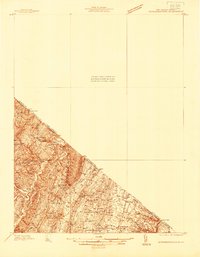 1937 Gerrardstown1937 Print · USGSSettlements and old wagon roads thread through the Shenandoah Valley in the late 1930s. Genealogists can trace family names and social hubs like Howards Chapel, the Hopewell Meeting House, and the historic Braddock Road.3 unique versions available
 - 1943 Map of Gerrardstown
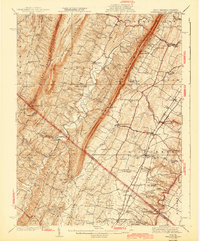 1943 Gerrardstown1943 Print · USGSBerkeley County and the West Virginia-Virginia borderlands are captured here during the mid-1940s as a thriving network of valley settlements and mountain gaps. Researchers can locate family landmarks like the Old Stone Ch, the County Home, and the old Tollgate at Inwood.
 - 1948 Map of Cumberland
 1948 Cumberland1948 Print · USGSMid-century Appalachia and the Shenandoah Valley are shown in detail, documenting the industrial and transportation hubs of the tri-state area. Genealogists can trace family roots through settlements like Double Tollgate and Bunker Hill or along the Baltimore & Ohio RR.3 unique versions available
 - 1952 Map of Cumberland
 1952 Cumberland1952 Print · USGSThe Potomac Highlands and the Shenandoah Valley are revealed in this early 1950s survey of the Appalachian interior. Researchers can trace the river-and-rail corridors connecting Cumberland, Winchester, and the recreational waters of Deep Creek Lake.
 - 1956 Map of Cumberland, 1966 Print
 1956 Cumberland1966 Print · USGSThe tri-state Highlands in the mid-1950s show a landscape shaped by coal, timber, and the massive presence of the Baltimore & Ohio RR. Researchers can trace the industrial corridor from Cumberland through the Allegheny Mountains to mountain retreats like Deep Creek Lake.6 unique versions available
 - 1957 Map of Cumberland
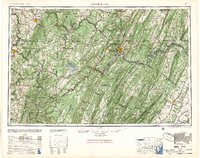 1957 Cumberland1957 Print · USGSThe Potomac River valley and the ridges of the Allegheny Front define this mid-century landscape at the intersection of Maryland, West Virginia, and Pennsylvania. Trace the steam-era rail lines of the Baltimore and Ohio RR or locate rural landmarks like St Stephens Church and Stony River Dam.
 - 1961 Map of Cumberland
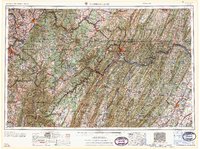 1961 Cumberland1961 Print · USGSThe tri-state highlands of Maryland, West Virginia, and Pennsylvania are shown in the mid-twentieth century as a complex landscape of ridges and river valleys. Researchers can trace the winding Potomac River and find old rail-and-river towns like Cumberland, Keyser, and Morgantown.
 - 1962 Map of Cumberland
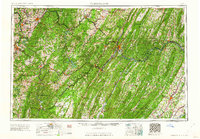 1962 Cumberland1962 Print · USGSThe central Appalachians meet at the height of the mid-century industrial era, showing the rugged topography between Morgantown and Winchester. Genealogists can trace family lands near Fort Necessity or along the vital Baltimore & Ohio RR corridors.
 - 1966 Map of Inwood, 1967 Print
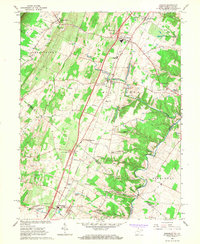 1966 Inwood1967 Print · USGSThe West Virginia and Virginia borderlands come alive in the mid-sixties, capturing a landscape of historic river crossings and crossroads. Trace early family landmarks and rural institutions like the Hopewell Meetinghouse, Carters Ford, and the school at Bunker Hill.4 unique versions available
 - 1983 Map of Winchester, 1985 Print
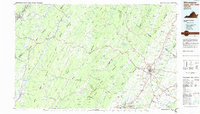 1983 Winchester1985 Print · USGSThe northern Shenandoah Valley and the rugged West Virginia borderlands are captured here in the early eighties. Researchers can trace the rail networks of the B & O RR and find local landmarks like Potomac State College, Three Churches, and the Old Iron Furnace.3 unique versions available
 - 2011 Map of Inwood, 2011 Print
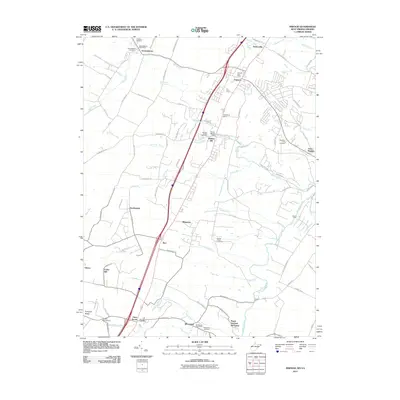 2011 Inwood2011 Print · USGSBerkeley County and the West Virginia-Virginia borderlands are captured here in the early twenty-first century as suburban growth meets rural heritage. Genealogists can trace family names and local sites from Gerrardstown to Brucetown, including the Hopewell Meetinghouse and Mountain View Cemetery.
 - 2014 Map of Inwood, 2014 Print
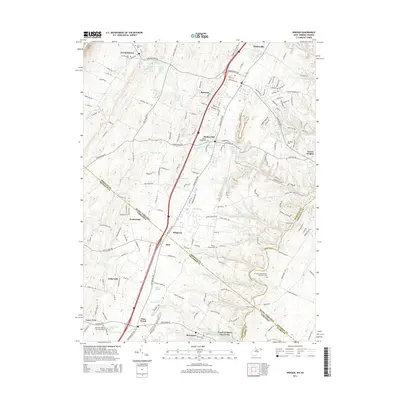 2014 Inwood2014 Print · USGSThe West Virginia and Virginia borderlands come alive in this mid-2010s survey of the Opequon Creek watershed. Researchers can trace ancestral sites like Morgan Chapel Cem, the Hopewell Meeting House Graveyard, and the historic streets of Gerrardstown.
 - 2016 Map of Inwood, 2016 Print
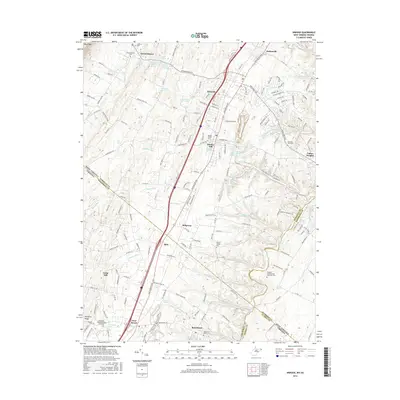 2016 Inwood2016 Print · USGSThe orchards and spring-fed valleys of the West Virginia-Virginia borderlands are captured here in the mid-2010s. Genealogists and historians can trace family roots through numerous sites like Gerrardstown Cemetery, Morgan Chapel Cem, and the Hopewell Meeting House Graveyard.
 - 2019 Map of Inwood, 2019 Print
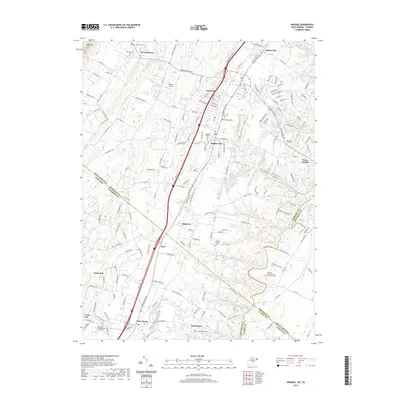 2019 Inwood2019 Print · USGSThe Shenandoah Valley borderlands come alive in this recent survey of the corridor between Martinsburg and Winchester. Researchers can trace historic cemeteries and local springs, including the Hopewell Meeting House Graveyard, Darkesville, and Opequon Creek.
 - 2023 Map of Inwood, 2023 Print
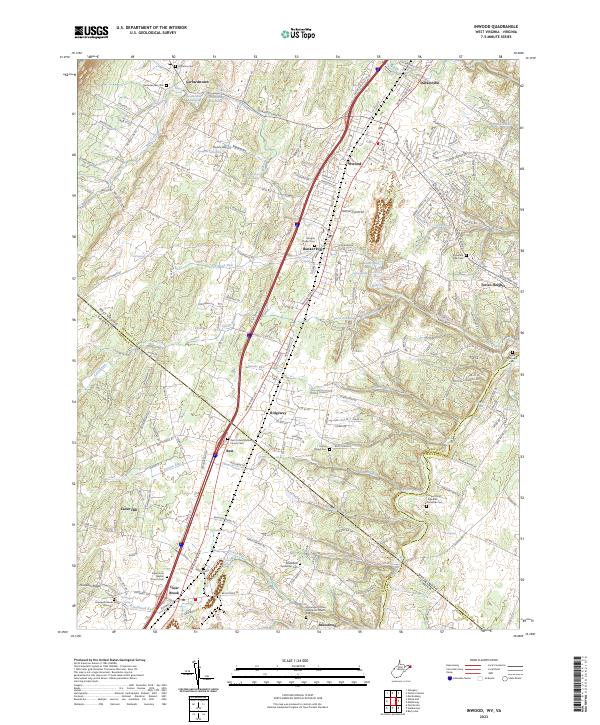 2023 Inwood2023 Print · USGSThe West Virginia and Virginia borderlands come into focus here, showing the evolved settlement patterns of Berkeley and Frederick counties. Researchers can trace family history through numerous specific sites like Gerrardstown Cem, Morgan Chapel Cem, and Hopewell Friends Burial Ground.
End of results
Showing maps 1-18 of 18
Top cities near Bunker Hill
- Winchester historical maps
- Martinsburg historical maps
- Charles Town historical maps
- Ranson historical maps
- Berryville historical maps
- Inwood historical maps
See more
Frequently asked questions
- What are the different types of historical maps available for Bunker Hill?
- What is the oldest map of Bunker Hill?
- Where can I purchase historical maps of Bunker Hill for my home or office?
- Where can I download high-res historical maps of Bunker Hill?
- Are there historical topographic maps available for Bunker Hill?
- Is there historical aerial imagery available for Bunker Hill?
- Where are historical maps of Bunker Hill sourced from?