Old Maps of Jackson, West Virginia for Academic Research
Study the evolution of Jackson with 18 high-resolution historic maps. Whether you're teaching, researching, or modeling changes in land use, these maps provide essential visual documentation of urban, environmental, and geographic change.
- Analyze long-term change: Track patterns in development, transportation, and natural features.
- Ideal for environmental or urban studies: Support academic projects with primary historical map data.
- Use in the classroom or lab: Educators and researchers rely on these maps to bring historical context to life.
These maps are a powerful tool for teaching, research, and visualizing how Jackson has changed over the decades.
Jackson, WV maps
(18)- 1891 Map of Oceana
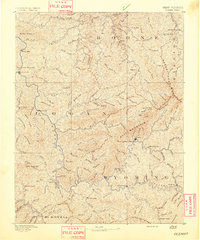 1891 Oceana1891 Print · USGSSouthern West Virginia in the late nineteenth century was a world of deep valleys and isolated mountain settlements. Genealogists and historians can trace early family sites along the Guyandotte River near Oceana, Logan C.H., and Whites Mills.
 - 1893 Map of Oceana
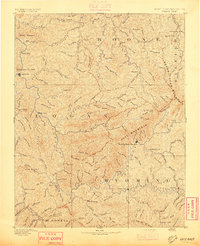 1893 Oceana1893 Print · USGSSouthern West Virginia’s rugged coal country is captured here in the late nineteenth century, showing a landscape of deep hollows and high ridges. Researchers can trace ancestral homes and early industry at Logan C.H., Whites Mills, and Jarrold's Valley.
 - 1898 Map of Oceana
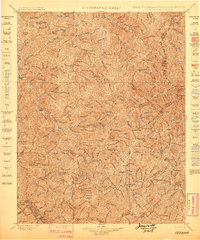 1898 Oceana1898 Print · USGSSouthern West Virginia in the late nineteenth century remains a landscape of isolated mountain settlements and complex river drainages. Genealogists can trace early homesteads and family-named landmarks near Oceana, Pineville, and Baileysville before the rise of the modern coal industry.4 unique versions available
 - 1910 Map of Bald Knob
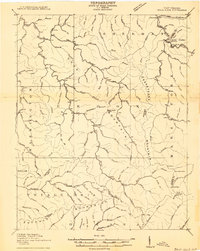 1910 Bald Knob1910 Print · USGSSouthern West Virginia in the early twentieth century was a landscape of remote mountain gaps and emerging rail corridors. Genealogists and historians can trace early settlements like Jarrolds Valley and Van, or locate historic crossing points like Walnut Gap and Indian Gap.2 unique versions available
 - 1912 Map of Bald Knob
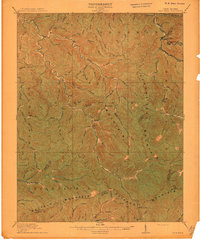 1912 Bald Knob1912 Print · USGSBoone County and the surrounding coalfields are captured in the early twentieth century as rail lines began to penetrate the deep Appalachian hollows. Genealogists and historians can trace early settlements at Whitesville, Jarrolds Valley, and Gordon alongside the growing C. and O. R. R. line.3 unique versions available
 - 1928 Map of Bald Knob, 1956 Print
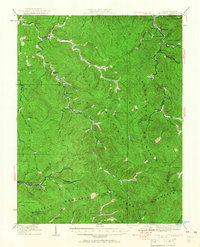 1928 Bald Knob1956 Print · USGSBoone, Logan, and Raleigh counties are mapped here in the late twenties at the height of the coal-rail boom. You can trace early industrial rail lines like the Chesapeake and Ohio and locate vanished local landmarks like Bothwell Sch and Jackson (Bim PO).
 - 1931 Map of Bald Knob
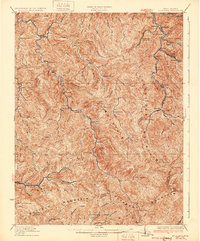 1931 Bald Knob1931 Print · USGSBoone and Logan counties are shown in the late twenties, an era when the coal and timber industries were driving the expansion of the Chesapeake and Ohio RR. Genealogists can trace family footprints at Bothwell Sch, Jackson (Blair PO), and Jerrolds Valley.2 unique versions available
 - 1955 Map of Bluefield
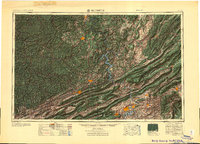 1955 Bluefield1955 Print · USGSThe Central Appalachian borderlands come alive in the mid-fifties, showing the coal and rail networks connecting Bluefield to Beckley. Researchers can trace the industrial landscape of the New River Ordnance Plant and the terrain of Burkes Garden.
 - 1957 Map of Bluefield, 1967 Print
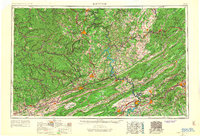 1957 Bluefield1967 Print · USGSThe heart of Central Appalachia in the mid-fifties is defined by the winding rail lines and river valleys of the coalfields. Researchers can trace the industrial footprints of towns like Welch and Princeton or locate landmarks such as the Bluestone Reservoir and Claytor Lake.2 unique versions available
 - 1961 Map of Bluefield
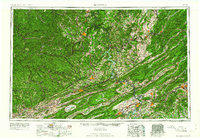 1961 Bluefield1961 Print · USGSThe coalfields and mountain ridges of southern West Virginia and southwest Virginia are captured in the early sixties. Genealogists can trace family ties through rail-linked towns like Princeton and Richlands or along the shores of Bluestone Reservoir.
 - 1968 Map of Wharton, 1971 Print
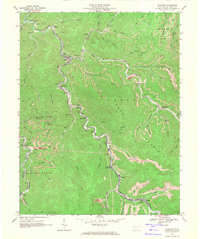 1968 Wharton1971 Print · USGSBoone County's coal-and-rail corridor is mapped in detail here during the late sixties, tracing the narrow valleys of Crook Mountain. Genealogists and historians can locate family landmarks like Mid Ferrell Cem and vanished-era settlements including Bob White, Kohlsaat, and Marthatown.3 unique versions available
 - 1982 Map of Beckley, 1984 Print
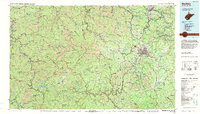 1982 Beckley1984 Print · USGSSouthern West Virginia coal country is captured here in the early eighties as industrial heritage met new wilderness protections. Genealogists and historians can trace the rail-linked communities of Beckley, Oak Hill, and the coal camps near Macdonald.
 - 1996 Map of Wharton, 2002 Print
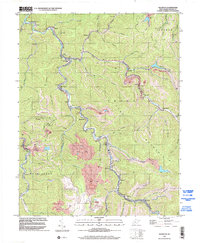 1996 Wharton2002 Print · USGSBoone County's coal-heavy river valleys are captured here in the 1990s, showing the dense network of mining and hollow settlements. Genealogists can trace family names at Mid Ferrell Cem or locate community hubs like Elizabeth Ch and the town of Bob White.
 - 2011 Map of Wharton, 2011 Print
 2011 Wharton2011 Print · USGSSouthern West Virginia coal settlements follow the winding Pond Fork in the early twenty-first century. Family history researchers can trace local roots at the Middle Ferrell Cemetery and find established outposts like the Bob White Post Office.
 - 2014 Map of Wharton, 2014 Print
 2014 Wharton2014 Print · USGSBoone County's coal-country valleys are documented here in the early twenty-first century, showing the enduring settlements along Pond Fork. Family researchers can find Mid Ferrell Cem and Stark Cem alongside industrial sites like the Wharton Number Two Mine Slurry Pond.
 - 2016 Map of Wharton, 2016 Print
 2016 Wharton2016 Print · USGSBoone County's coal-mining corridor is captured here in the mid-2010s as a series of tight-knit valley settlements along the CSX line. Genealogists and local historians can trace family locations near Stark Cem, the Thom Cline Memorial Bridge, and the town of Marthatown.
 - 2019 Map of Wharton, 2019 Print
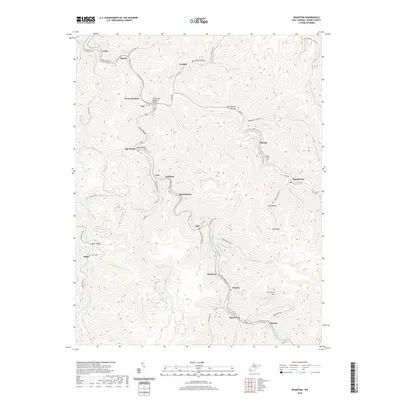 2019 Wharton2019 Print · USGSBoone County's deep hollows and river towns are recorded here in the late twenty-tens, tracing the narrow valley settlements along the Pond Fork. Family researchers can locate historic burial sites like Middle Ferrell Cem and Stark Cem among towns such as Marthatown and Wharton.
 - 2023 Map of Wharton, 2023 Print
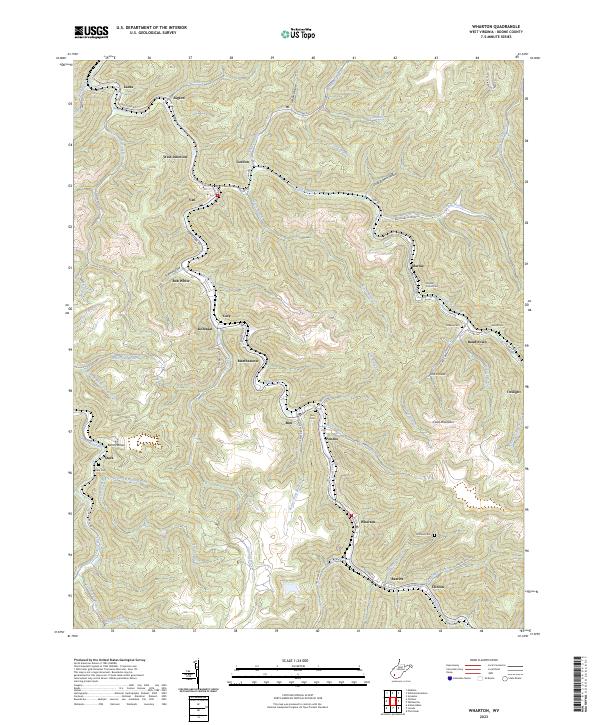 2023 Wharton2023 Print · USGSBoone County's southern coalfield valleys are shown here in modern detail, where small communities follow the winding path of Pond Fork. Researchers can trace family sites at Stark Cem and Greene Cem or locate old settlements like Kohlsaat and Bim.
End of results
Showing maps 1-18 of 18
Top cities near Jackson
- Madison historical maps
- Mallory historical maps
- Man historical maps
- Danville historical maps
- Accoville historical maps
- Kopperston historical maps
See more
Frequently asked questions
- What are the different types of historical maps available for Jackson?
- What is the oldest map of Jackson?
- Where can I purchase historical maps of Jackson for my home or office?
- Where can I download high-res historical maps of Jackson?
- Are there historical topographic maps available for Jackson?
- Is there historical aerial imagery available for Jackson?
- Where are historical maps of Jackson sourced from?