Old Maps of Parkview, Follansbee for Genealogy
Trace your family roots with 16 historic maps of Parkview. These high-res maps reveal old neighborhoods, homesites, landmarks, and streets — helping you uncover where your ancestors lived and how the area evolved over time.
- Explore historic neighborhoods: Identify where your relatives may have lived in the 1800s or 1900s.
- Compare maps over time: Trace the changes in streets, buildings, and landmarks for multi-generational research.
- Perfect for genealogy & ancestry research: Used by family historians and researchers to map out lineage and migration.
These maps are an incredible resource for exploring your personal connection to Parkview's past.
Parkview, Follansbee maps
(16)- 1904 Map of Steubenville
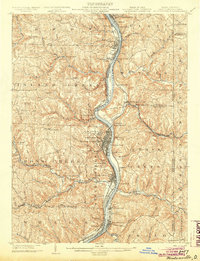 1904 Steubenville1904 Print · USGSThe industrial heart of the Ohio River Valley comes to life in this early 1900s survey of the tri-state border region. Genealogists and historians can trace the early footprints of Steubenville, the rail junctions at Mingo Junction, and river crossings like Middle Ferry.5 unique versions available
 - 1935 Map of Steubenville, 1958 Print
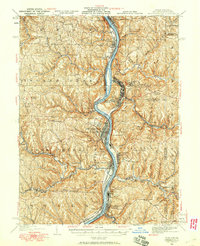 1935 Steubenville1958 Print · USGSThe industrial heart of the Ohio River valley comes to life in this mid-century survey of the Ohio, West Virginia, and Pennsylvania borders. Genealogists and historians can trace the early footprints of Weirton, Steubenville, and smaller stops like Zalia and Reeds Mills.
 - 1942 Map of Steubenville
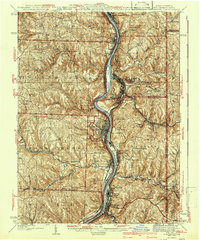 1942 Steubenville1942 Print · USGSThe industrial corridor of the upper Ohio River comes to life here during the early 1940s. Genealogists can trace family roots through the streets of Steubenville and Weirton, or locate rural landmarks like Jefferson Sch and New Alexandria Sta.2 unique versions available
 - 1951 Map of Canton
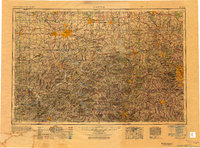 1951 Canton1951 Print · USGSThe industrial heartland of Ohio and Pennsylvania reached its mid-century peak during this era of heavy rail and river transit. Genealogists and historians can trace the development of steel towns like Aliquippa and Weirton alongside the Ohio River and major lines of the Pennsylvania RR.
 - 1953 Map of Canton
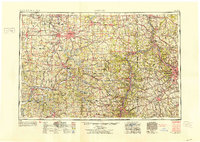 1953 Canton1953 Print · USGSThe industrial heartland of Ohio and Pennsylvania is captured at its mid-century peak in this detailed regional survey. Genealogists and historians can trace the vast rail networks of the Pennsylvania RR and find local landmarks like Nimisila Reservoir and Tappan Reservoir.
 - 1957 Map of Canton, 1971 Print
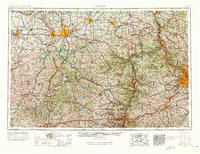 1957 Canton1971 Print · USGSThe industrial heartland of eastern Ohio and western Pennsylvania comes alive in this mid-century survey of the Ohio River Valley. Trace the heritage of rail and river commerce through Pittsburgh, the massive steel towns along the Ohio River, and major junctions on the Pennsylvania RR.3 unique versions available
 - 1958 Map of Steubenville East, 1959 Print
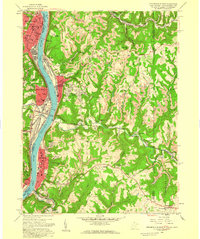 1958 Steubenville East1959 Print · USGSSteubenville and the Ohio River valley are shown in detail during the late fifties as industrial growth climbed the surrounding bluffs. Researchers can trace local landmarks like the College of Steubenville, Mingo Cem, and the rail lines through Colliers.2 unique versions available
 - 1962 Map of Canton
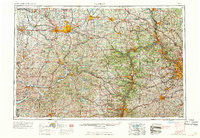 1962 Canton1962 Print · USGSThe industrial heartland of Eastern Ohio and Western Pennsylvania thrives in the early sixties as steel mills and rail lines dominate the river valleys. Genealogists and historians can trace local landmarks like McKinley National Memorial, Malone College, and industrial sites such as Republic Steel Corp.2 unique versions available
 - 1968 Map of Steubenville East, 1970 Print
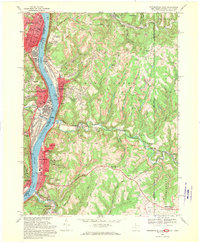 1968 Steubenville East1970 Print · USGSThe Ohio River valley was a bustling hub of industry and transit in the late sixties, where West Virginia and Ohio river towns met. Genealogists can trace family footprints through sites like St Johns Cem, the Lower Buffalo Ch, and Mingo Junction.3 unique versions available
 - 1986 Map of Pittsburgh West
 1986 Pittsburgh West1986 Print · USGSThe Tri-State region's coal and rail corridors are captured in the mid-eighties as industry and aviation expanded. Trace the legacy of extraction at Nelms Mine No 1, locate Short Creek PO, or follow the Chessie System tracks along the Ohio River.3 unique versions available
 - 1997 Map of Steubenville East, 1999 Print
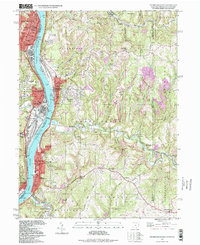 1997 Steubenville East1999 Print · USGSThe industrial Ohio River valley is captured here in the late twentieth century, showing the dense riverside settlements of Steubenville and Follansbee. Researchers can trace local genealogy and land use through numerous hillside burial grounds like Oak Grove Cem and Cross Creek Cem.
 - 2010 Map of Steubenville East, 2010 Print
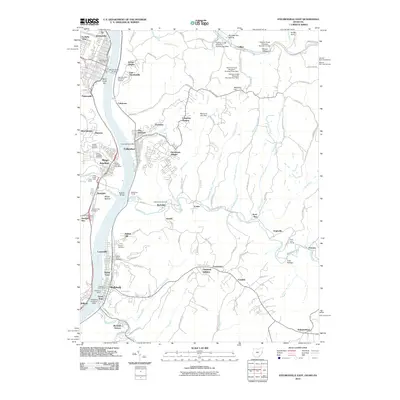 2010 Steubenville East2010 Print · USGSThe industrial heart of the Ohio River valley is captured here in the early twenty-first century as it spans the border between Ohio and West Virginia. Genealogists and local historians can trace family plots at Brooke Cemetery or explore the riverfront heritage of Wellsburg and Mingo Junction.
 - 2013 Map of Steubenville East, 2013 Print
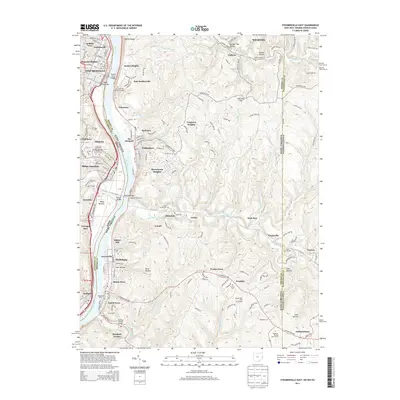 2013 Steubenville East2013 Print · USGSThe industrial heart of the Ohio River valley is captured here in the early twenty-first century, showing the established riverfronts of Steubenville and Wellsburg. Researchers can locate several family and local burial grounds like Cross Creek Cem and Brooke Cem, or trace the legacy of river commerce at Wellsburg Wharf.
 - 2016 Map of Steubenville East, 2016 Print
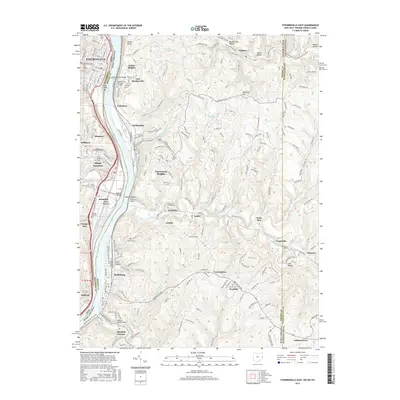 2016 Steubenville East2016 Print · USGSThe industrial heart of the Upper Ohio Valley comes into focus in this recent survey of the West Virginia, Ohio, and Pennsylvania borders. Researchers can trace historic riverfront life and upland cemeteries like Franklin Cem, Mingo Cem, and the path of the Panhandle Rail-Trail.
 - 2019 Map of Steubenville East, 2019 Print
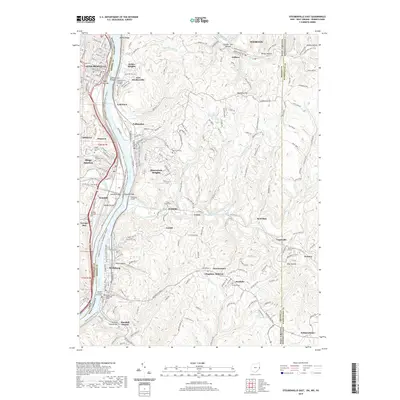 2019 Steubenville East2019 Print · USGSThe industrial heart of the Upper Ohio Valley comes into focus in the late 2010s, showing the dense riverside settlements and hill-country hollows. Researchers can trace ancestral sites at Mingo Junction Cem, locate the Jefferson County Courthouse, or follow the path of the Panhandle Rail-Trail.
 - 2023 Map of Steubenville East, 2023 Print
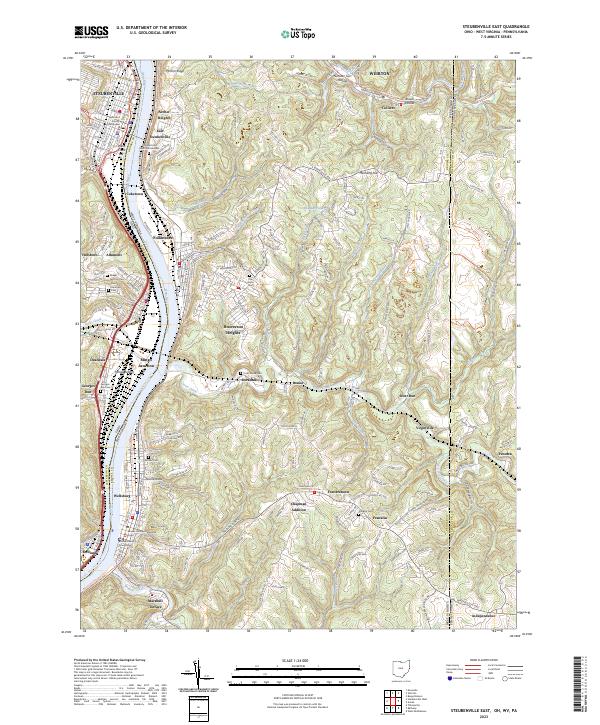 2023 Steubenville East2023 Print · USGSThe Ohio River valley at the West Virginia and Ohio border shows a dense corridor of steel-town history and rail infrastructure. Trace family roots at Mingo Junction Cem or Brooke Cem, and locate the historic Jefferson County Courthouse near the riverfront.
End of results
Showing maps 1-16 of 16
Top cities near Parkview
- Wheeling historical maps
- Weirton historical maps
- Steubenville historical maps
- Martins Ferry historical maps
- Toronto historical maps
- Colerain historical maps
See more
Frequently asked questions
- What are the different types of historical maps available for Parkview?
- What is the oldest map of Parkview?
- Where can I purchase historical maps of Parkview for my home or office?
- Where can I download high-res historical maps of Parkview?
- Are there historical topographic maps available for Parkview?
- Is there historical aerial imagery available for Parkview?
- Where are historical maps of Parkview sourced from?