Old Maps of Nutter Fort, West Virginia for Academic Research
Study the evolution of Nutter Fort with 24 high-resolution historic maps. Whether you're teaching, researching, or modeling changes in land use, these maps provide essential visual documentation of urban, environmental, and geographic change.
- Analyze long-term change: Track patterns in development, transportation, and natural features.
- Ideal for environmental or urban studies: Support academic projects with primary historical map data.
- Use in the classroom or lab: Educators and researchers rely on these maps to bring historical context to life.
These maps are a powerful tool for teaching, research, and visualizing how Nutter Fort has changed over the decades.
Nutter Fort, WV maps
(24)- 1902 Map of Clarksburg
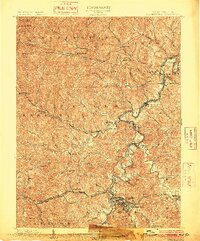 1902 Clarksburg1902 Print · USGSNorth-central West Virginia at the opening of the twentieth century was a bustling network of river-towns and turnpikes. Genealogists can trace family roots through coal-and-rail hubs like Shinnston and Lumberport or rural landmarks such as Sturms Mill and Pinnickinnick Mt.3 unique versions available
 - 1904 Map of Weston
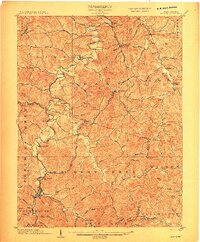 1904 Weston1904 Print · USGSWest Virginia's Lewis and Harrison counties at the start of the century show a region shaped by coal and steam. Genealogists and historians can trace family roots through early settlements like Jane Lew, identify operations at Lynch Mines, and locate the Dovener P.O. Dean.2 unique versions available
 - 1910 Map of Clarksburg, 1920 Print
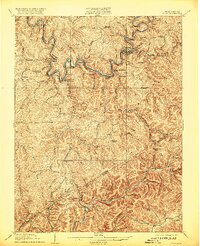 1910 Clarksburg1920 Print · USGSClay County at the dawn of the twentieth century was a landscape of river-bend railroads and high mountain hollows. Genealogists can trace family footprints through rural post offices like Angeline PO, valley schools such as Triplett School, and rail stops at Dundon and Clay Courthouse Station.
 - 1923 Map of Clarksburg, 1959 Print
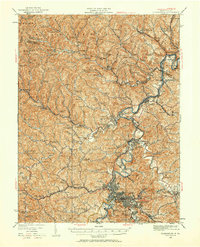 1923 Clarksburg1959 Print · USGSHarrison and Marion counties appear in the 1920s as a landscape of coal mines and mountain schoolhouses. Trace family roots at Bethel Church or Annabelle, and locate old industrial sites like Cook Mine and Straus Mill along the rivers.
 - 1925 Map of Clarksburg
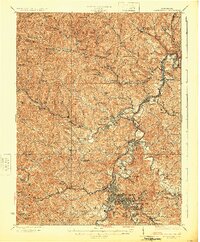 1925 Clarksburg1925 Print · USGSHarrison County in the mid-twenties is a bustling corridor of coal mining and rail activity centered on the West Fork River. Genealogists can trace family roots through dozens of named rural schools like Lower Davisson Run School or locate vanished industrial sites like Ocean Mine and Sturms Mill.3 unique versions available
 - 1926 Map of Weston
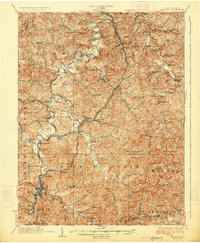 1926 Weston1926 Print · USGSWeston and the West Fork River valley are captured in the mid-twenties as the rail-and-river economy flourished. Genealogists and researchers can trace family-named sites like Jackson Mill, Romines Mills, and the Broad Run Church.4 unique versions available
 - 1949 Map of Clarksburg
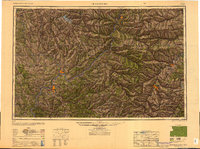 1949 Clarksburg1949 Print · USGSThe upper Ohio River valley and the industrial heart of West Virginia come into focus during this post-war period. Genealogists and researchers can trace the rail corridors of the Baltimore and Ohio and locate centers like Fairmont, Grafton, and Waynesburg.
 - 1956 Map of Clarksburg, 1966 Print
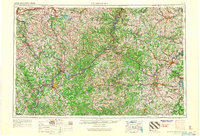 1956 Clarksburg1966 Print · USGSThe Ohio River valley and the industrial heart of West Virginia are seen here in the mid-1950s as rail and river commerce thrived. Researchers can trace historic transport lines like the Baltimore and Ohio RR and locate ancestral homes in Clarksburg, Moundsville, or Parkersburg.2 unique versions available
 - 1958 Map of Clarksburg, 1960 Print
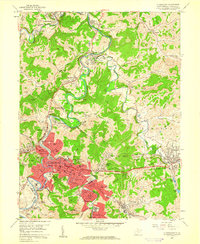 1958 Clarksburg1960 Print · USGSHarrison County in the late fifties shows a bustling industrial landscape centered on the West Fork River. Researchers can trace old neighborhoods and local institutions like Victory High Sch, the Laura Lee Mine, and Stewart Chapel.3 unique versions available
 - 1961 Map of Clarksburg
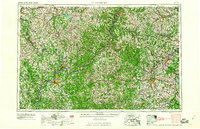 1961 Clarksburg1961 Print · USGSThe mid-century industrial and river landscapes of West Virginia and Ohio are detailed here, centered on the Ohio River. Researchers can trace the Baltimore and Ohio rail lines connecting towns like Parkersburg, Clarksburg, and Monongah.
 - 1961 Map of Mount Clare, 1962 Print
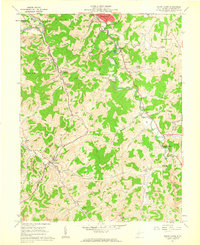 1961 Mount Clare1962 Print · USGSHarrison County in the early sixties showcases a landscape of coal tipples and country churches during the peak of the West Fork River valley's industrial era. Researchers can trace family history at Floral Hills Memorial Gardens or explore rail hubs like Mount Clare.3 unique versions available
 - 1982 Map of Clarksburg, 1983 Print
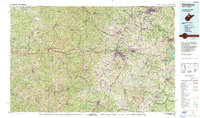 1982 Clarksburg1983 Print · USGSNorth Central West Virginia in the early eighties reveals a landscape deeply connected to its coal and gas resources. Genealogists and researchers can trace family landmarks and historical settlements from Clarksburg to Buckhannon, or locate sites like Quiet Dell and Watters Smith Memorial State Park.
 - 1988 Map of Clarksburg, 1989 Print
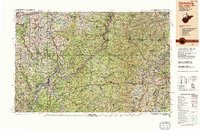 1988 Clarksburg1989 Print · USGSThe central Appalachians are documented in detail during the late eighties, showing the industrial and river-based economies of West Virginia, Ohio, and Pennsylvania. Researchers can trace historic rail routes like the B & O RR and locate river towns from St Marys to Parkersburg.
 - 1996 Map of Clarksburg, 2001 Print
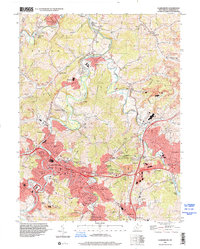 1996 Clarksburg2001 Print · USGSHarrison County at the close of the twentieth century shows a region where industrial roots meet modern growth. Genealogists and researchers can trace local landmarks from Pinnickinnick Mtn and Victory High Sch to the rural Lambert Run Ch.
 - 2011 Map of Mount Clare, 2011 Print
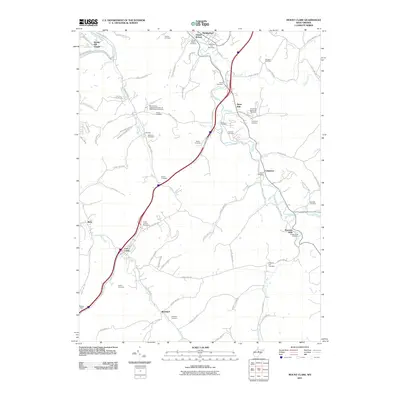 2011 Mount Clare2011 Print · USGSHarrison County hill country south of Clarksburg is shown here in the early twenty-first century as a network of creek-side hamlets and hilltop burial grounds. Genealogists can trace family names at the Mount Clare IOOF Cemetery, Brick Church Cemetery, or Pleasant Hill Cemetery.
 - 2011 Map of Clarksburg, 2011 Print
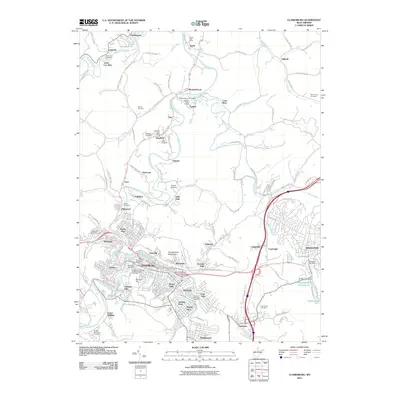 2011 Clarksburg2011 Print · USGSClarksburg and Bridgeport are shown at a peak of modern development during the early twenty-first century, still deeply connected to their industrial roots. Genealogists can trace family locations through sites like Robinson Cemetery, the Hepzibah Post Office, and the Lee Mine.
 - 2014 Map of Mount Clare, 2014 Print
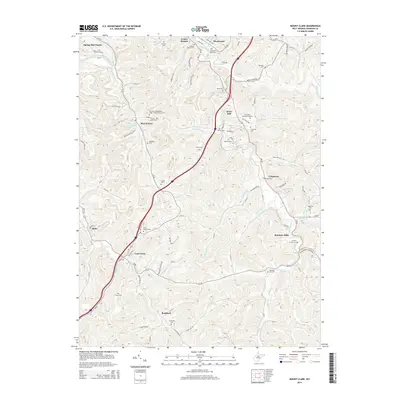 2014 Mount Clare2014 Print · USGSHarrison County at the beginning of the twenty-first century reveals a landscape deeply connected to its small hamlets and family cemeteries. Researchers can trace the communities of Lost Creek and Romines Mills alongside landmarks like the Brick Church Cem and William Cunningham Spring.
 - 2014 Map of Clarksburg, 2014 Print
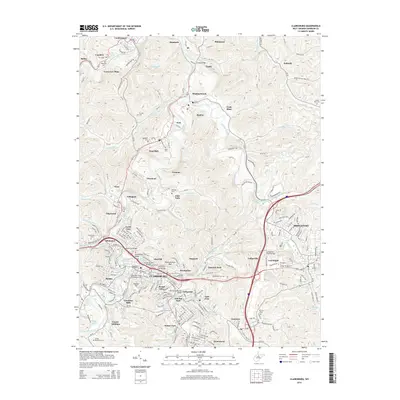 2014 Clarksburg2014 Print · USGSClarksburg and Bridgeport are shown in detail during the early 21st century as they follow the winding paths of Elk Creek and the West Fork River. Researchers can locate family landmarks like the Old Robey Rd Cem, the Laura Lee Mine, and the PFC Hotty Herrick Bridge.
 - 2016 Map of Clarksburg, 2016 Print
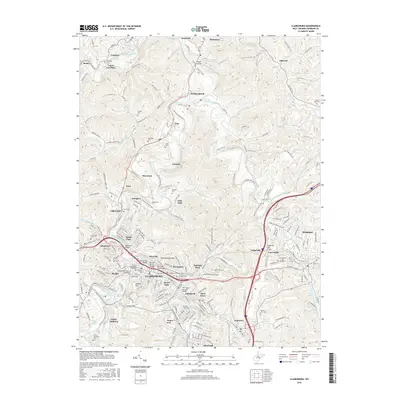 2016 Clarksburg2016 Print · USGSClarksburg and its surrounding industrial hollows are captured in 2016, showing the modern footprint of these historic coal and rail communities. Genealogists can locate family landmarks like the Laura Lee Mine, Hepzibah Cem, and Robinson Cem.
 - 2016 Map of Mount Clare, 2016 Print
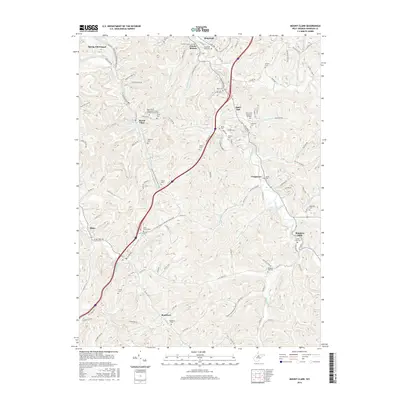 2016 Mount Clare2016 Print · USGSHarrison County's southern ridges and valleys are shown in detail here during the mid-2010s, centered on the historic Mount Clare area. Genealogists can trace family landmarks like Brick Church Cem, Adkinson Cem, and William Cunningham Spring.
 - 2019 Map of Mount Clare, 2019 Print
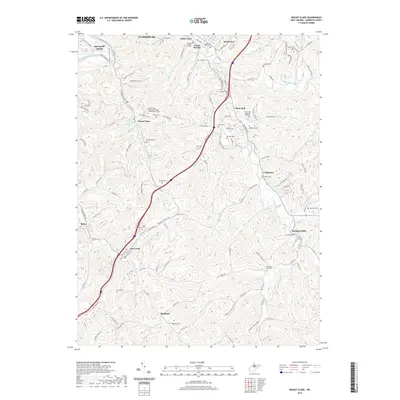 2019 Mount Clare2019 Print · USGSThe West Fork River valley south of Clarksburg is captured here in 2019, showing a landscape of traditional settlements and modern corridors. Genealogists and historians can trace numerous family burial sites, including the Wolfe Cem, Stouts Cem, and the historic Romines Mill area.
 - 2019 Map of Clarksburg, 2019 Print
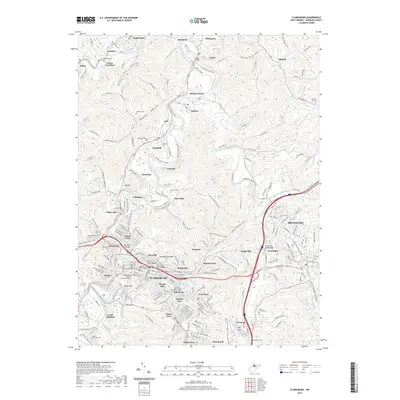 2019 Clarksburg2019 Print · USGSThe industrial heart of Harrison County is shown here in the late twenty-tens, where the West Fork River winds through Clarksburg and Shinnston. Researchers can trace old family burial grounds like Garrett Cem and the legacy of coal at the Laura Lee Mine.
 - 2023 Map of Mount Clare, 2023 Print
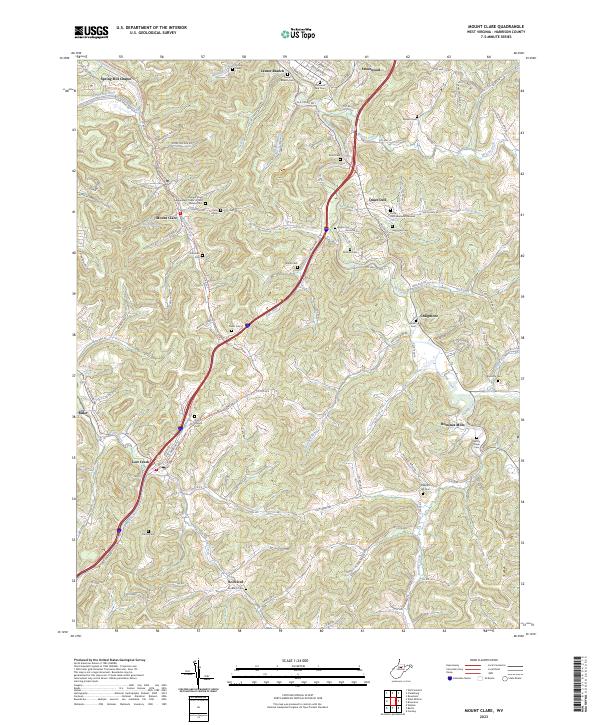 2023 Mount Clare2023 Print · USGSHarrison County's rural communities and river valleys are captured in this recent survey. Genealogists and local historians can trace family locations through numerous sites like the Independent Order of Odd Fellows Cem, Romines Mills, and the Harrison South Rail-Trl.
 - 2023 Map of Clarksburg, 2023 Print
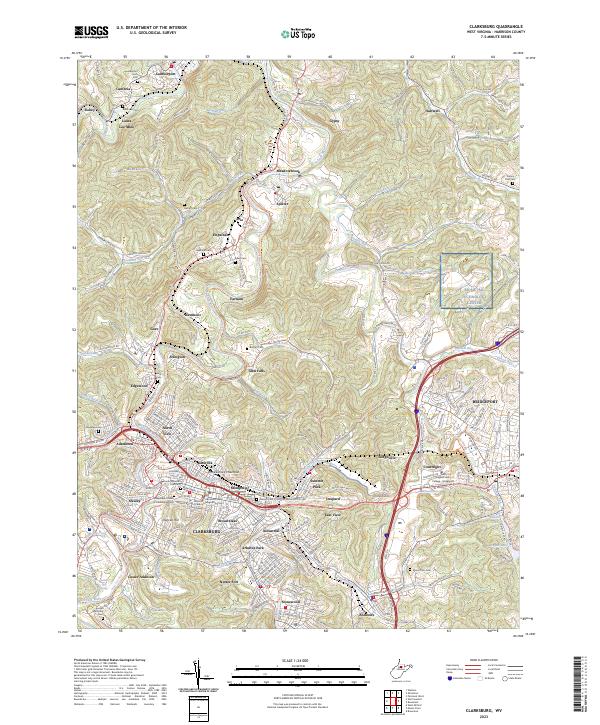 2023 Clarksburg2023 Print · USGSHarrison County at the start of the 2020s shows a complex network of industrial heritage and modern growth along the West Fork River. Researchers can trace historic family plots at Hepzibah Cem or locate old industrial sites near Spelter and the Lee Mine.
End of results
Showing maps 1-24 of 24
Top cities near Nutter Fort
- Fairmont historical maps
- Clarksburg historical maps
- Bridgeport historical maps
- Weston historical maps
- Pleasant Valley historical maps
- Shinnston historical maps
See more
Frequently asked questions
- What are the different types of historical maps available for Nutter Fort?
- What is the oldest map of Nutter Fort?
- Where can I purchase historical maps of Nutter Fort for my home or office?
- Where can I download high-res historical maps of Nutter Fort?
- Are there historical topographic maps available for Nutter Fort?
- Is there historical aerial imagery available for Nutter Fort?
- Where are historical maps of Nutter Fort sourced from?