Old Maps of Barrackville, West Virginia
Explore 26 old maps of Barrackville, spanning from 1902 to today. These high-resolution historic maps reveal how streets, neighborhoods, landmarks, and natural features evolved over time — perfect for genealogy, metal detecting, research, and local history exploration.
What you can do with these maps:
- See how Barrackville changed over time: Compare historical maps to modern-day views to trace roads, homesites, rail lines & more.
- View detailed metadata: Each map includes creators, publishers, year, scale, and archive source.
- Overlay maps with satellite & LiDAR: Visualize the past alongside modern tools to explore terrain & human change.
- Trusted historical sources: Maps sourced from the USGS, Library of Congress, and other archives.
- Access maps your way: View online, download high-res files, or order prints for personal or research use.
Start exploring old maps of Barrackville to uncover forgotten places, hidden landmarks, and the deep history beneath your feet.
Barrackville, WV maps
(26)- 1902 Map of Fairmont
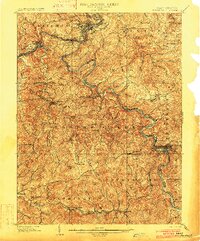 1902 Fairmont1902 Print · USGSMarion and Taylor Counties were hubs of coal and transit at the opening of the twentieth century, as the rail lines followed the winding rivers. Genealogists can trace early family settlements and work sites from the Tyrconnell Mines to rural Nebo Church and Boothsville.4 unique versions available
 - 1904 Map of Blacksville
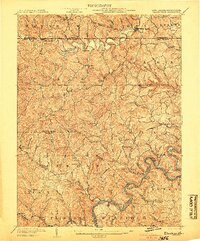 1904 Blacksville1904 Print · USGSThe West Virginia and Pennsylvania border comes alive in this survey from the early twentieth century. Researchers can trace the river economy along the Monongahela at Lock No. 13 or locate rural homesteads near Fairview Amos P.O. and Blacksville.3 unique versions available
 - 1923 Map of Blacksville, 1956 Print
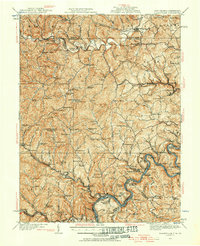 1923 Blacksville1956 Print · USGSMonongalia and Marion counties appear here during the early twentieth century as the coal and rail economy began to reshape the rural landscape. Researchers can find numerous family landmarks, from Town School and Olive Church to the industrial works at Montana Mines.
 - 1923 Map of Fairmont, 1956 Print
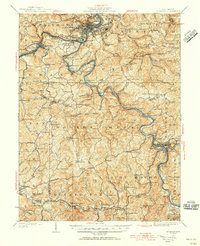 1923 Fairmont1956 Print · USGSMarion and Taylor counties are shown during the height of their rail and coal era in the early twentieth century. Researchers can trace family origins through dozens of named landmarks like Jane Memorial Church, T McConnell Mines, and the river crossing at Benton Ferry.2 unique versions available
 - 1925 Map of Blacksville
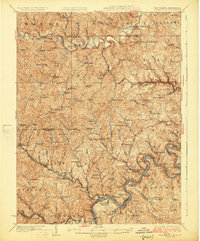 1925 Blacksville1925 Print · USGSMonongalia and Marion Counties are shown in the mid-1920s, a period when rural life centered on a vast network of neighborhood schools and churches. Genealogists can trace family roots through specific landmarks like Stumptown School, Montana Mines, and Monumental Church.4 unique versions available
 - 1926 Map of Fairmont
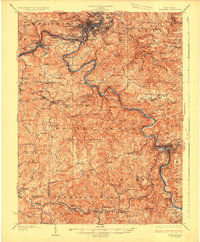 1926 Fairmont1926 Print · USGSMarion and Taylor counties are shown during the mid-twenties when coal mining and the rail industry shaped the river valleys. Researchers can locate vanished landmarks like the Tyrconnell Mines and community centers such as Pruntytown and Mt Zion Church.3 unique versions available
 - 1949 Map of Clarksburg
 1949 Clarksburg1949 Print · USGSThe upper Ohio River valley and the industrial heart of West Virginia come into focus during this post-war period. Genealogists and researchers can trace the rail corridors of the Baltimore and Ohio and locate centers like Fairmont, Grafton, and Waynesburg.
 - 1956 Map of Clarksburg, 1966 Print
 1956 Clarksburg1966 Print · USGSThe Ohio River valley and the industrial heart of West Virginia are seen here in the mid-1950s as rail and river commerce thrived. Researchers can trace historic transport lines like the Baltimore and Ohio RR and locate ancestral homes in Clarksburg, Moundsville, or Parkersburg.2 unique versions available
 - 1958 Map of Fairmont West, 1960 Print
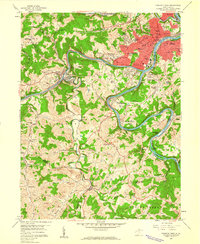 1958 Fairmont West1960 Print · USGSMarion County at the end of the 1950s shows the bustling city of Fairmont as a regional hub of education and transport. Researchers can locate family roots at Mount Calvary Cem, trace the rail lines of the Baltimore and Ohio Railroad, or find old schools like Coons Run Sch.4 unique versions available
 - 1960 Map of Grant Town, 1961 Print
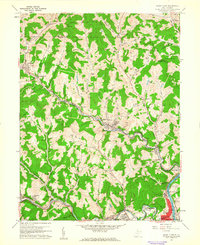 1960 Grant Town1961 Print · USGSMarion and Monongalia counties are shown here at the peak of the mid-century industrial era, where coal mining and gas extraction shaped the local economy. Genealogists and historians can trace family-named sites like Hood Cem, Mc Curdyville, and the Gilbor Ch along the winding Paw Paw Creek.2 unique versions available
 - 1961 Map of Clarksburg
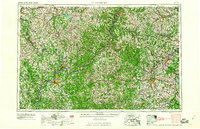 1961 Clarksburg1961 Print · USGSThe mid-century industrial and river landscapes of West Virginia and Ohio are detailed here, centered on the Ohio River. Researchers can trace the Baltimore and Ohio rail lines connecting towns like Parkersburg, Clarksburg, and Monongah.
 - 1976 Map of Grant Town, 1979 Print
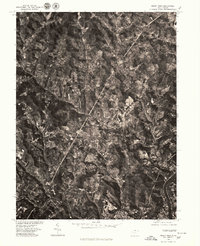 1976 Grant Town1979 Print · USGSMarion County in the mid-seventies is revealed through high-resolution aerial photography, documenting the rugged coal-country terrain before modern expansion. Researchers can trace the clear footprints of towns like Grant Town, Barrackville, and Fairview alongside the Monongahela River.
 - 1982 Map of Clarksburg, 1983 Print
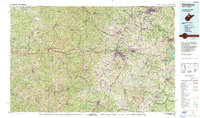 1982 Clarksburg1983 Print · USGSNorth Central West Virginia in the early eighties reveals a landscape deeply connected to its coal and gas resources. Genealogists and researchers can trace family landmarks and historical settlements from Clarksburg to Buckhannon, or locate sites like Quiet Dell and Watters Smith Memorial State Park.
 - 1984 Map of Moundsville
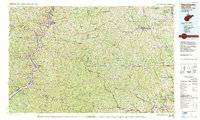 1984 Moundsville1984 Print · USGSThe Ohio River valley and the Appalachian interior meet in the mid-eighties as a hub of rail and river commerce. Genealogists and historians can trace the development of river towns like New Martinsville, inland hubs like Waynesburg, and the path of the B & O RR.
 - 1988 Map of Clarksburg, 1989 Print
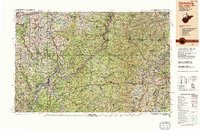 1988 Clarksburg1989 Print · USGSThe central Appalachians are documented in detail during the late eighties, showing the industrial and river-based economies of West Virginia, Ohio, and Pennsylvania. Researchers can trace historic rail routes like the B & O RR and locate river towns from St Marys to Parkersburg.
 - 1997 Map of Fairmont West, 2002 Print
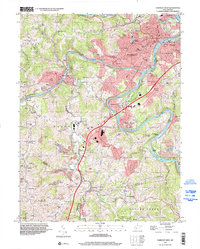 1997 Fairmont West2002 Print · USGSFairmont and the Monongahela River valley are captured here in the late twentieth century as the region transitioned from its industrial roots. Researchers can trace family sites at Evergreen Cemetery, visit the State Teachers College, or locate numerous coal-era sites such as former mines near Monongah.
 - 2011 Map of Grant Town, 2011 Print
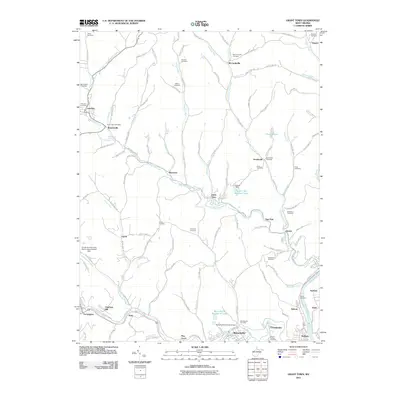 2011 Grant Town2011 Print · USGSMarion County's coal and creek valleys are shown in detail during the 2010s. Genealogists can locate family burial sites at Hoodsville Cemetery or Freeland Cemetery, and trace local landmarks like the Barrackville Covered Bridge and Eastern Gas and Fuel Lake.
 - 2011 Map of Fairmont West, 2011 Print
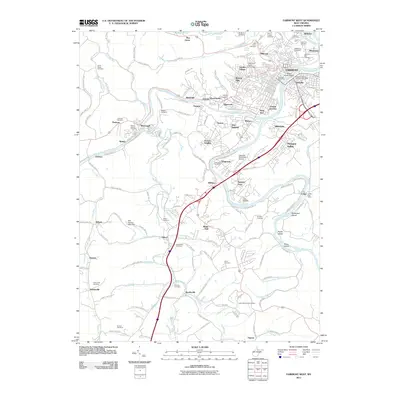 2011 Fairmont West2011 Print · USGSFairmont and the upper Monongahela River valley are captured here in the early twenty-first century as the region's industrial and academic centers continue to evolve. Researchers can locate ancestral sites at Nuzum Cemetery or Bentons Ferry and trace the urban footprints of Monongah and Palatine.
 - 2014 Map of Grant Town, 2014 Print
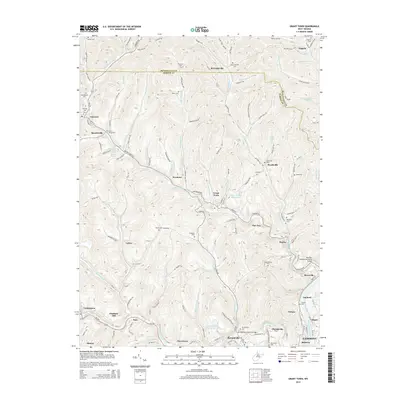 2014 Grant Town2014 Print · USGSMarion and Monongalia counties are captured in this recent survey, showcasing a landscape defined by the winding Monongahela and the coalfield economy. Genealogists can trace family names through many small burial grounds like Gilboa Cem and Pitcher Cem, or locate landmarks such as the Barrackville Covered Bridge.
 - 2014 Map of Fairmont West, 2014 Print
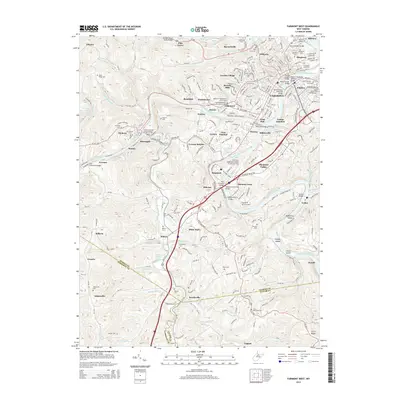 2014 Fairmont West2014 Print · USGSFairmont and its surrounding coal-country townships are captured here during a period of modern growth and riverfront development. Researchers can trace family history across dozens of burial grounds like Woodlawn Cem or locate river crossings such as the Million Dollar Bridge and Bentons Ferry Bridge.
 - 2016 Map of Fairmont West, 2016 Print
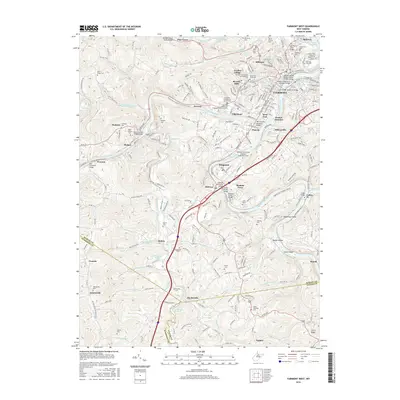 2016 Fairmont West2016 Print · USGSThe confluence of the Monongahela forks defines this portion of West Virginia during the mid-2010s. Local researchers can locate family burial plots at Woodlawn Cem, trace industrial history along 63 Mine Rd, or explore the academic grounds of Fairmont State Univ.
 - 2016 Map of Grant Town, 2016 Print
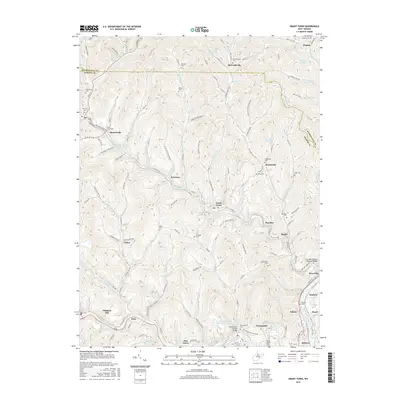 2016 Grant Town2016 Print · USGSMarion County's coal and creek-side communities are captured here in the mid-2010s, showing the enduring layout of the region's historic settlements. Genealogists can locate family landmarks like Gilboa Cem or Hawkinberry Cem and trace the road to the Barrackville Covered Bridge.
 - 2019 Map of Grant Town, 2019 Print
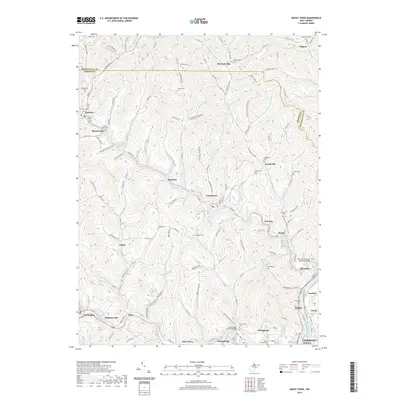 2019 Grant Town2019 Print · USGSThe Grant Town area of northern West Virginia is shown here in the contemporary era, as it follows the branching hollows of Paw Paw Creek. Local historians can trace family roots through numerous landmarks like the Barrackville Covered Bridge, Saint Johns Cem, and Hagans.
 - 2019 Map of Fairmont West, 2019 Print
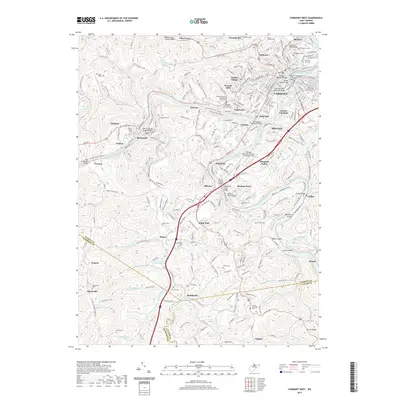 2019 Fairmont West2019 Print · USGSFairmont and the surrounding river valleys are shown in detail during the late twenty-teens, spanning the borders of Marion, Harrison, and Taylor counties. Researchers can trace numerous family burial grounds and local landmarks like Woodlawn Cem, Bentons Ferry, and the Million Dollar Bridge.
 - 2023 Map of Grant Town, 2023 Print
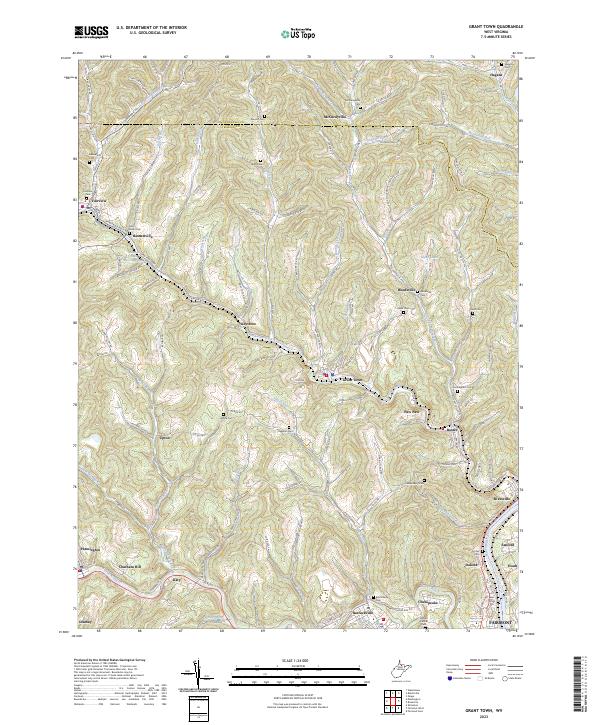 2023 Grant Town2023 Print · USGSMarion and Monongalia counties are shown here in the early twenty-first century, centered on the coal-country settlements and narrow hollows west of the Monongahela. Researchers can trace family history through over a dozen burial sites including Wilson Cem, Barb Cem, and the Saint Johns Cem near Basnettville.
Showing maps 1-25 of 26
Top cities near Barrackville
- Morgantown historical maps
- Fairmont historical maps
- Clarksburg historical maps
- Bridgeport historical maps
- Grafton historical maps
- Westover historical maps
See more
Frequently asked questions
- What are the different types of historical maps available for Barrackville?
- What is the oldest map of Barrackville?
- Where can I purchase historical maps of Barrackville for my home or office?
- Where can I download high-res historical maps of Barrackville?
- Are there historical topographic maps available for Barrackville?
- Is there historical aerial imagery available for Barrackville?
- Where are historical maps of Barrackville sourced from?