Old Maps of Galmish, West Virginia
Explore 16 old maps of Galmish, spanning from 1903 to today. These high-resolution historic maps reveal how streets, neighborhoods, landmarks, and natural features evolved over time — perfect for genealogy, metal detecting, research, and local history exploration.
What you can do with these maps:
- See how Galmish changed over time: Compare historical maps to modern-day views to trace roads, homesites, rail lines & more.
- View detailed metadata: Each map includes creators, publishers, year, scale, and archive source.
- Overlay maps with satellite & LiDAR: Visualize the past alongside modern tools to explore terrain & human change.
- Trusted historical sources: Maps sourced from the USGS, Library of Congress, and other archives.
- Access maps your way: View online, download high-res files, or order prints for personal or research use.
Start exploring old maps of Galmish to uncover forgotten places, hidden landmarks, and the deep history beneath your feet.
Galmish, WV maps
(16)- 1903 Map of Littleton
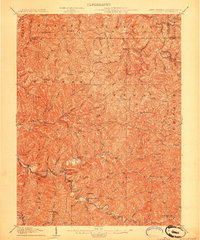 1903 Littleton1903 Print · USGSThe West Virginia and Pennsylvania borderlands appear here at the turn of the century, marked by deep ridges and creek-side settlements. Trace the path of the B. and O. R. R. as it connects Littleton to outlying hamlets like Wileyville and Burchfield.
 - 1905 Map of Littleton
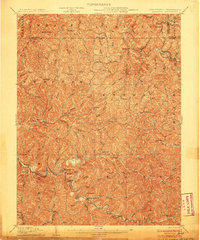 1905 Littleton1905 Print · USGSWetzel County and the surrounding borderlands appear here in the early twentieth century, showing a landscape defined by steep ridges and rail corridors. Researchers can trace the B and O RR through Littleton or find small settlements like Saint Joseph and Silver Hill.2 unique versions available
 - 1924 Map of Littleton, 1957 Print
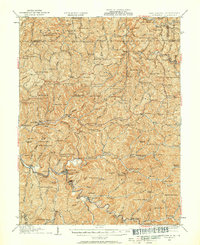 1924 Littleton1957 Print · USGSWetzel County at the height of the rail era shows a landscape densely packed with small-town life and rural industry. Genealogists can trace family names and locations at Scheidler Run Church, Otter Den School, and along the Baltimore and Ohio line.
 - 1926 Map of Littleton
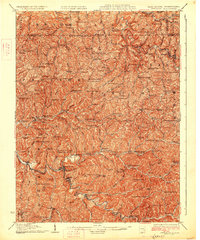 1926 Littleton1926 Print · USGSWetzel County in the mid-twenties is a landscape of high ridges and deep hollows where community life centered on countless rural schools and churches. Trace family roots and vanished landmarks from Saint Joseph down to Smithfield, including Higgins Chapel and Antioch School.2 unique versions available
 - 1949 Map of Clarksburg
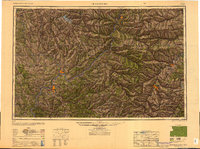 1949 Clarksburg1949 Print · USGSThe upper Ohio River valley and the industrial heart of West Virginia come into focus during this post-war period. Genealogists and researchers can trace the rail corridors of the Baltimore and Ohio and locate centers like Fairmont, Grafton, and Waynesburg.
 - 1956 Map of Clarksburg, 1966 Print
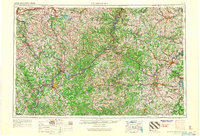 1956 Clarksburg1966 Print · USGSThe Ohio River valley and the industrial heart of West Virginia are seen here in the mid-1950s as rail and river commerce thrived. Researchers can trace historic transport lines like the Baltimore and Ohio RR and locate ancestral homes in Clarksburg, Moundsville, or Parkersburg.2 unique versions available
 - 1960 Map of Pine Grove, 1962 Print
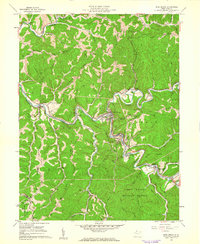 1960 Pine Grove1962 Print · USGSWetzel County's rugged ridge country is captured here in the early sixties, showing the tight relationship between the Baltimore and Ohio RR and the winding Fishing Creek. Local historians can trace family locations through sites like Mt Morris Ch, Kiger Cem, and the old settlement of Reader.2 unique versions available
 - 1961 Map of Clarksburg
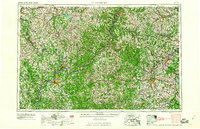 1961 Clarksburg1961 Print · USGSThe mid-century industrial and river landscapes of West Virginia and Ohio are detailed here, centered on the Ohio River. Researchers can trace the Baltimore and Ohio rail lines connecting towns like Parkersburg, Clarksburg, and Monongah.
 - 1976 Map of Pine Grove, 1979 Print
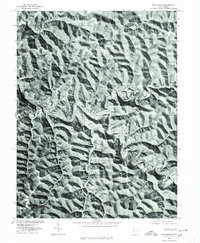 1976 Pine Grove1979 Print · USGSWetzel County's narrow valleys and ridge-top forests are captured mid-century through high-resolution aerial photography. Researchers can trace the exact building footprints and rural roads connecting Reader, Pine Grove, and Jacksonburg along the winding Fishing Creek.
 - 1984 Map of Moundsville
 1984 Moundsville1984 Print · USGSThe Ohio River valley and the Appalachian interior meet in the mid-eighties as a hub of rail and river commerce. Genealogists and historians can trace the development of river towns like New Martinsville, inland hubs like Waynesburg, and the path of the B & O RR.
 - 1988 Map of Clarksburg, 1989 Print
 1988 Clarksburg1989 Print · USGSThe central Appalachians are documented in detail during the late eighties, showing the industrial and river-based economies of West Virginia, Ohio, and Pennsylvania. Researchers can trace historic rail routes like the B & O RR and locate river towns from St Marys to Parkersburg.
 - 2011 Map of Pine Grove, 2011 Print
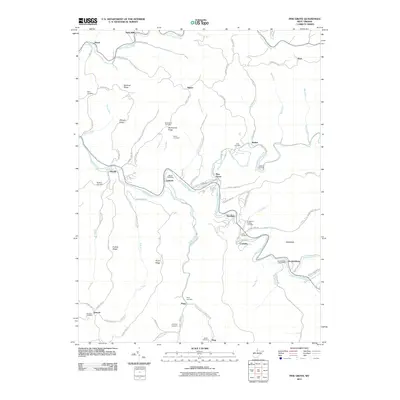 2011 Pine Grove2011 Print · USGSWetzel County's creek-valley communities are captured here in the early twenty-first century as they wind through the high ridges. Genealogists can locate several hilltop burials and family landmarks, including the Knights of Pythias Cemetery, Jacksonburg Post Office, and Mylburn Cemetery.
 - 2014 Map of Pine Grove, 2014 Print
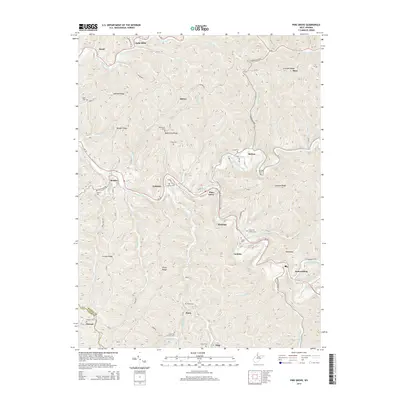 2014 Pine Grove2014 Print · USGSWetzel County's narrow creek valleys and high ridges are shown here in the mid-2010s, centering on the community of Pine Grove. Genealogists and local historians can trace small settlements and family burial grounds like Jacksonburg, Maud, and the Jolliffee Cem.
 - 2016 Map of Pine Grove, 2016 Print
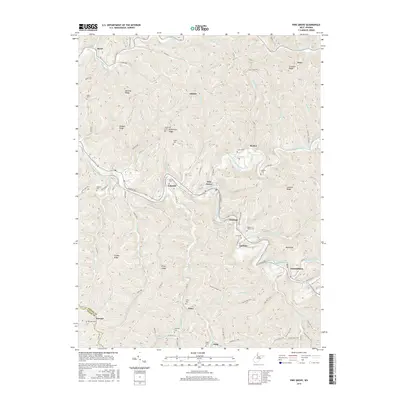 2016 Pine Grove2016 Print · USGSWetzel County's deep-cut valleys and ridges are shown in detail during the mid-2010s, centering on the junction of the fishing creek forks. Researchers can locate numerous family cemeteries such as Kiger Cem and Booth Cem near settlements like Jacksonburg and Pine Grove.
 - 2019 Map of Pine Grove, 2019 Print
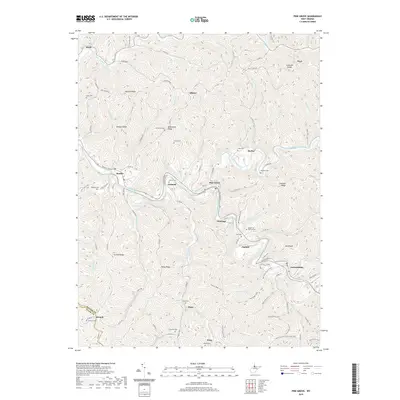 2019 Pine Grove2019 Print · USGSWetzel County’s winding river valleys and ridge-top settlements are captured here in the late 2010s. Genealogists can trace deep local roots at Knights of Pythias Cem, Martin Cem, and the small community of Jacksonburg.
 - 2023 Map of Pine Grove, 2023 Print
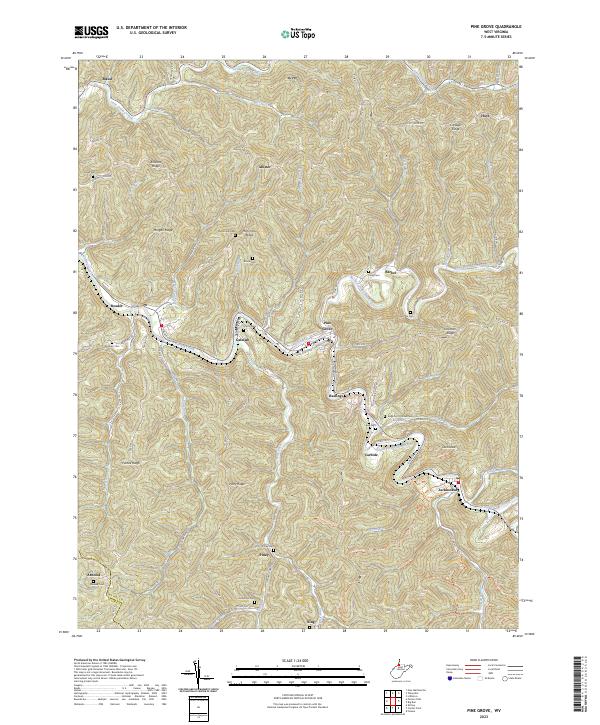 2023 Pine Grove2023 Print · USGSThe valleys of the North and South Forks of Fishing Creek were the lifeblood of these West Virginia hills in the early twenty-first century. Genealogists can trace ancestral sites at the Knights of Pythias Cem and family-named landmarks like McKimmie Ridge or Mylburn Cem.
End of results
Showing maps 1-16 of 16
Top cities near Galmish
- New Martinsville historical maps
- Middlebourne historical maps
- Aleppo Township historical maps
- Pine Grove historical maps
- Clarington historical maps
- Littleton historical maps
See more
Frequently asked questions
- What are the different types of historical maps available for Galmish?
- What is the oldest map of Galmish?
- Where can I purchase historical maps of Galmish for my home or office?
- Where can I download high-res historical maps of Galmish?
- Are there historical topographic maps available for Galmish?
- Is there historical aerial imagery available for Galmish?
- Where are historical maps of Galmish sourced from?