Old Maps of Morse, Wisconsin
Explore 70 old maps of Morse, spanning from 1942 to today. These high-resolution historic maps reveal how streets, neighborhoods, landmarks, and natural features evolved over time — perfect for genealogy, metal detecting, research, and local history exploration.
What you can do with these maps:
- See how Morse changed over time: Compare historical maps to modern-day views to trace roads, homesites, rail lines & more.
- View detailed metadata: Each map includes creators, publishers, year, scale, and archive source.
- Overlay maps with satellite & LiDAR: Visualize the past alongside modern tools to explore terrain & human change.
- Trusted historical sources: Maps sourced from the USGS, Library of Congress, and other archives.
- Access maps your way: View online, download high-res files, or order prints for personal or research use.
Start exploring old maps of Morse to uncover forgotten places, hidden landmarks, and the deep history beneath your feet.
Morse, WI maps
(70)- 1942 Map of Glidden, 1956 Print
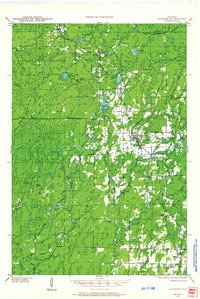 1942 Glidden1956 Print · USGSAshland and Iron counties come alive in the early 1940s, showing a landscape shaped by the Minneapolis St Paul and Sault Ste Marie RR and the Chequamegon National Forest. Genealogists can locate family landmarks like the Morse Cem or several rural schools, including the Peeksville Sch and Washington Sch.
 - 1942 Map of Clam Lake, 1959 Print
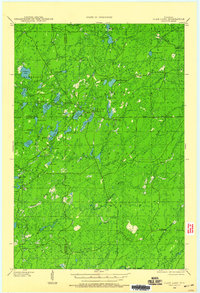 1942 Clam Lake1959 Print · USGSNorthern Wisconsin's deep woods are captured here during the early 1940s, showing the early infrastructure of the Chequamegon National Forest. Researchers can locate the Clam Lake CCC Camp, the NYA Camp, and the Clam Lake Fire Tower among dozens of named lakes and streams.2 unique versions available
 - 1942 Map of Mellen, 1959 Print
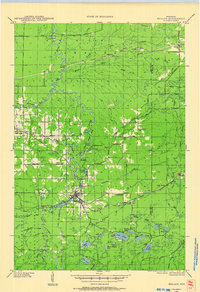 1942 Mellen1959 Print · USGSAshland County and the Iron County border come alive in the early 1940s as a landscape of timber, iron rails, and deep Northwoods lakes. Researchers can trace the path of the Minneapolis St Paul and Sault Ste Marie railroad or locate family sites like Sedgwick and the St Johns Cem.
 - 1942 Map of Marengo, 1964 Print
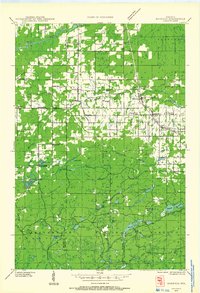 1942 Marengo1964 Print · USGSNorthern Wisconsin's timber and rail landscape is captured here in the early 1940s, showing the intersection of federal forest land and tribal territory. Genealogists can locate specific rural schools like Maple Ridge Sch and communities like Sanborn or North York.
 - 1945 Map of Marengo
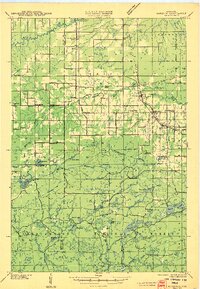 1945 Marengo1945 Print · USGSAshland County and the Chequamegon National Forest are captured here in the mid-1940s, showing a landscape shaped by timber and rail. Researchers can locate rural landmarks like Ebenezer Ch and vanished local schools including Agnew Sch and Section Five Sch.2 unique versions available
 - 1945 Map of Clam Lake
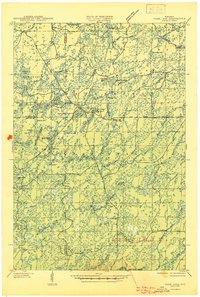 1945 Clam Lake1945 Print · USGSThe Northwoods of Ashland and Bayfield Counties are captured here in the mid-1940s, centered on the Clam Lake community. Genealogists and historians can locate federal project sites like the Clam Lake CCC Camp and NYA Camp alongside the Clam Lake Fire Tower.2 unique versions available
 - 1945 Map of Glidden
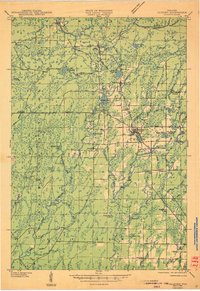 1945 Glidden1945 Print · USGSThe Northwoods of Ashland County during the mid-forties show a landscape defined by timber history and early highway travel. Researchers can trace the Soo Line rail corridor through Glidden or locate rural landmarks like Shanagolden and the Morse Cem.
 - 1945 Map of Mellen, 1950 Print
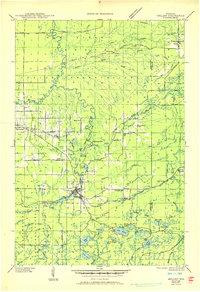 1945 Mellen1950 Print · USGSAshland and Iron Counties come alive in the mid-1940s, showing a rugged landscape of iron-range railways and remote forest schools. Genealogists can trace family landmarks like Coria Sch, St Johns Sch, and the rail junction at Mellen.
 - 1953 Map of Ashland, 1964 Print
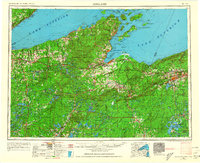 1953 Ashland1964 Print · USGSNorthern Wisconsin's lakefront and timberlands are seen here in the mid-1950s, showing the intersection of industrial rail lines and vast wilderness. Genealogists and historians can trace the Soo Line through rail towns like Mellen or locate family roots in the Apostle Islands and Bad River Indian Reservation.3 unique versions available
 - 1956 Map of Mt. Whittlesey, 1958 Print
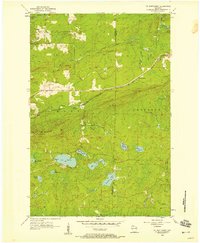 1956 Mt. Whittlesey1958 Print · USGSThe Wisconsin Northwoods of the mid-1950s reveal a landscape of iron mining history and glacial lakes between Ashland and Iron counties. Genealogists and researchers can trace the old rail lines of the Soo Line, the settlement at Ballou, and the Berkshire Mine Ruins.
 - 1956 Map of Mellen, 1958 Print
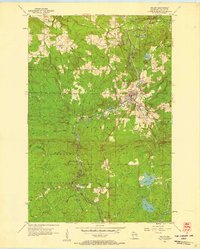 1956 Mellen1958 Print · USGSThe Northwoods of Wisconsin are captured here in the mid-1950s, centered on the river junction at Mellen. Researchers can trace the legacy of the Soo Line railroad and locate rural landmarks like the Cayuga Cemetery and Foster Junction.
 - 1958 Map of Ashland
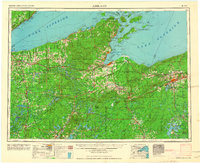 1958 Ashland1958 Print · USGSCoastal Wisconsin and the Michigan borderlands meet here in the late fifties, dominated by the timbered expanses and iron-rich ranges. Genealogists can trace family footprints in settlements like Odanah and Montreal, or locate landmarks such as the Coast Guard Station and Agricultural Experiment Station.
 - 1967 Map of Marengo SE
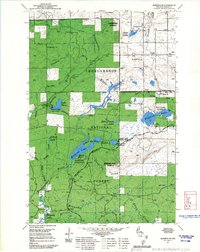 1967 Marengo SE1967 Print · USGSAshland County's timberlands are seen here in the late sixties as the Forest Service managed this active recreational and industrial landscape. Trace the footpaths along the North Country Trail and locate former fire towers at Marengo Lookout and Mineral Lake Lookout.
 - 1967 Map of Mt. Whittlesey, 1969 Print
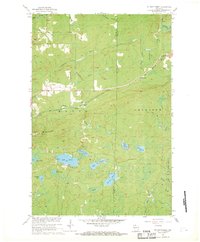 1967 Mt. Whittlesey1969 Print · USGSNorthern Wisconsin's forest and lake country is captured here during the late sixties, showing the transition from industrial extraction to managed wilderness. Researchers can locate the Berkshire Mine (Ruins) near Mt. Whittlesey or trace the Soo Line rail route as it follows Tyler Forks.
 - 1967 Map of Marengo, 1969 Print
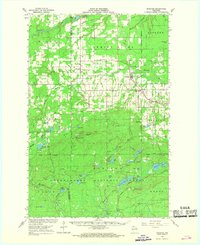 1967 Marengo1969 Print · USGSAshland and Bayfield counties are shown in the late sixties, a landscape of northwoods settlements and the Chequamegon National Forest. Genealogists and hikers can locate Sanborn Cemetery, the Finnish Church, and the scenic Morgan Falls.2 unique versions available
 - 1967 Map of Mellen, 1969 Print
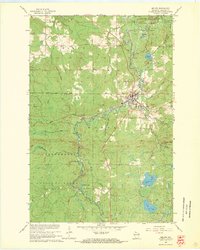 1967 Mellen1969 Print · USGSThe Northwoods around the city of Mellen are captured here in the late sixties as the region balanced timber and rail industry with conservation. Researchers can trace the Soo Line tracks through Foster Junction and locate remote landmarks like Eagles Peak and Meder Lake.2 unique versions available
 - 1967 Map of Mellen, 1969 Print
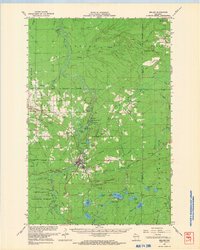 1967 Mellen1969 Print · USGSThe Mellen area in the late sixties reveals a landscape of deep-woods industry and northern rail towns. Genealogists and historians can trace the Soo Line through High Bridge or locate the Berkshire Mine Ruins and St Johns Cem.
 - 1968 Map of Glidden, 1971 Print
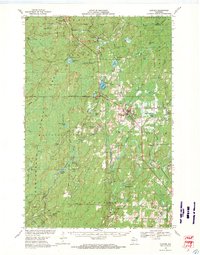 1968 Glidden1971 Print · USGSAshland and Iron County woods come to life in the late 1960s as the SOO LINE connects timber towns across a glacial landscape. Researchers can trace family roots at St Cecilia Cem or Morse Cem and locate vanished siding spots like Shanagolden and Popcorn Corners.
 - 1971 Map of Clam Lake NE, 1973 Print
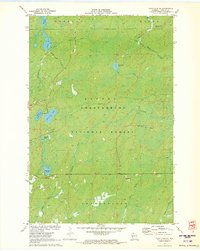 1971 Clam Lake NE1973 Print · USGSAshland County's timberlands and glacial lakes are captured here in the early 1970s, showing a landscape shaped by conservation and former industry. Researchers can trace the Old RR Grade or locate historic water features like Dead Horse Slough and Moquah Lake.
 - 1980 Map of Ironwood
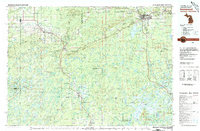 1980 Ironwood1980 Print · USGSThe Michigan-Wisconsin borderlands appear in the late twentieth century as a landscape defined by iron mining and deep forests. Researchers can trace the rail-and-river economy through the Soo Line and Chicago and North Western tracks connecting Mellen, Glidden, and Hurley.
 - 1984 Map of Morse
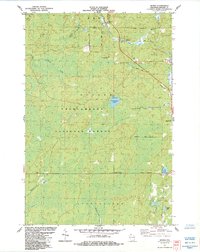 1984 Morse1984 Print · USGSAshland County's timberlands and river headwaters are captured here in the mid-1980s. Local researchers can trace the roads around Morse and Cayuga, find the Morse Cem, or locate the crossroads at Popcorn Corners.
 - 1984 Map of Mineral Lake
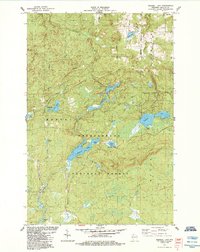 1984 Mineral Lake1984 Print · USGSIn the mid-eighties, this portion of Ashland County was a dense mosaic of lakes and timber within the Chequamegon National Forest. Outdoor enthusiasts and researchers can trace forest roads to Mineral Lake, the Gogebic Range, and remote spots like Toskis.
 - 1984 Map of Gurney
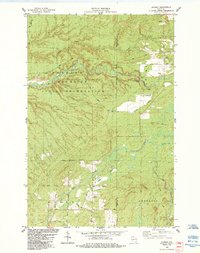 1984 Gurney1984 Print · USGSNorthern Wisconsin's timber and rail landscape is captured here in the 1980s as the Soo Line Railroad winds through the Bad River Indian Reservation. Researchers can trace family history through Edgewood Cem or locate old homesteads near Sedgwick and the Potato River Falls.
 - 1984 Map of Glidden
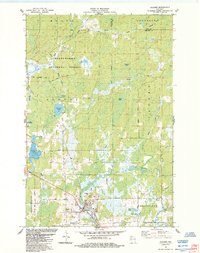 1984 Glidden1984 Print · USGSNorthern Wisconsin timber and river country are captured here in the mid-1980s. Local researchers can trace the roads around Glidden, locate the Mt Hope Cem, and explore the hydrology of Zielke Lake and the Bad River.
 - 1984 Map of High Bridge
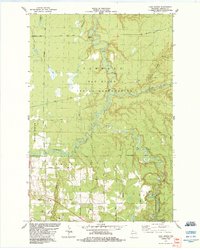 1984 High Bridge1984 Print · USGSAshland County in the mid-1980s reveals a landscape where the river and rail economy shaped the rural township of Morse. Local researchers can find the Soo Line junction at High Bridge, trace family-named roads like Kleinsteiber Road, and locate the old Cem.
Showing maps 1-25 of 70
Top cities near Morse
- Ashland historical maps
- White River historical maps
- Mellen historical maps
- Morse historical maps
- Marengo historical maps
- Saxon historical maps
See more
Top neighborhoods of Morse
Frequently asked questions
- What are the different types of historical maps available for Morse?
- What is the oldest map of Morse?
- Where can I purchase historical maps of Morse for my home or office?
- Where can I download high-res historical maps of Morse?
- Are there historical topographic maps available for Morse?
- Is there historical aerial imagery available for Morse?
- Where are historical maps of Morse sourced from?