1960s Maps of Morse, Wisconsin
Explore 6 historic maps of Morse from the 1960s. These maps offer a rare glimpse into what life looked like during the 1960s — showing old roads, neighborhoods, homes, and landmarks that have changed or disappeared over time.
Whether you're researching your family's past, planning a metal detecting trip, or studying how Morse's landscape evolved across the 1960s, these high-resolution maps are a powerful tool for exploring the history of this region.
- Focus on a specific era: All maps on this page are from the 1960s, giving you a focused view of this time period.
- See what’s changed: Compare century-old streets, trails, and buildings to today's modern landscape using overlays and satellite layers.
- Research with precision: Use these maps for genealogy, historical research, land use analysis, or educational projects.
- View, download, or print: Maps are fully viewable online in high resolution, and can be downloaded or printed for your own records.
Start exploring Morse's history through authentic maps from the 1960s. This is your window into the past.
Morse, WI maps
(6)- 1967 Map of Marengo SE
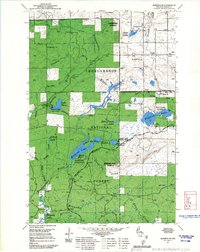 1967 Marengo SE1967 Print · USGSAshland County's timberlands are seen here in the late sixties as the Forest Service managed this active recreational and industrial landscape. Trace the footpaths along the North Country Trail and locate former fire towers at Marengo Lookout and Mineral Lake Lookout.
 - 1967 Map of Mt. Whittlesey, 1969 Print
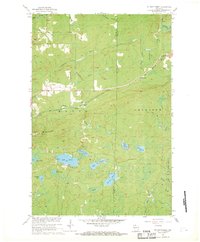 1967 Mt. Whittlesey1969 Print · USGSNorthern Wisconsin's forest and lake country is captured here during the late sixties, showing the transition from industrial extraction to managed wilderness. Researchers can locate the Berkshire Mine (Ruins) near Mt. Whittlesey or trace the Soo Line rail route as it follows Tyler Forks.
 - 1967 Map of Marengo, 1969 Print
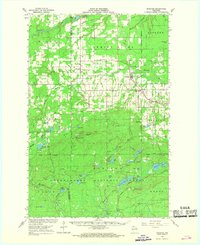 1967 Marengo1969 Print · USGSAshland and Bayfield counties are shown in the late sixties, a landscape of northwoods settlements and the Chequamegon National Forest. Genealogists and hikers can locate Sanborn Cemetery, the Finnish Church, and the scenic Morgan Falls.2 unique versions available
 - 1967 Map of Mellen, 1969 Print
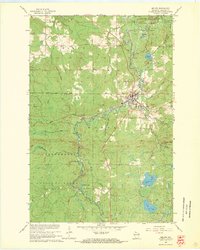 1967 Mellen1969 Print · USGSThe Northwoods around the city of Mellen are captured here in the late sixties as the region balanced timber and rail industry with conservation. Researchers can trace the Soo Line tracks through Foster Junction and locate remote landmarks like Eagles Peak and Meder Lake.2 unique versions available
 - 1967 Map of Mellen, 1969 Print
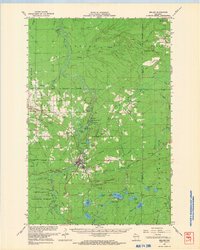 1967 Mellen1969 Print · USGSThe Mellen area in the late sixties reveals a landscape of deep-woods industry and northern rail towns. Genealogists and historians can trace the Soo Line through High Bridge or locate the Berkshire Mine Ruins and St Johns Cem.
 - 1968 Map of Glidden, 1971 Print
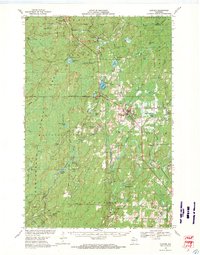 1968 Glidden1971 Print · USGSAshland and Iron County woods come to life in the late 1960s as the SOO LINE connects timber towns across a glacial landscape. Researchers can trace family roots at St Cecilia Cem or Morse Cem and locate vanished siding spots like Shanagolden and Popcorn Corners.
End of results
Showing maps 1-6 of 6
Top cities near Morse
- Ashland historical maps
- White River historical maps
- Mellen historical maps
- Morse historical maps
- Marengo historical maps
- Saxon historical maps
See more
Top neighborhoods of Morse
Frequently asked questions
- What are the different types of historical maps available for Morse?
- What is the oldest map of Morse?
- Where can I purchase historical maps of Morse for my home or office?
- Where can I download high-res historical maps of Morse?
- Are there historical topographic maps available for Morse?
- Is there historical aerial imagery available for Morse?
- Where are historical maps of Morse sourced from?