Old Maps of Cleveland, Wisconsin for Genealogy
Trace your family roots with 42 historic maps of Cleveland. These high-res maps reveal old neighborhoods, homesites, landmarks, and streets — helping you uncover where your ancestors lived and how the area evolved over time.
- Explore historic neighborhoods: Identify where your relatives may have lived in the 1800s or 1900s.
- Compare maps over time: Trace the changes in streets, buildings, and landmarks for multi-generational research.
- Perfect for genealogy & ancestry research: Used by family historians and researchers to map out lineage and migration.
These maps are an incredible resource for exploring your personal connection to Cleveland's past.
Cleveland, WI maps
(42)- 1949 Map of Bloomer, 1966 Print
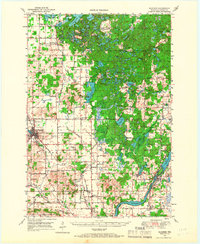 1949 Bloomer1966 Print · USGSThe dairy farms and lake country of northwestern Wisconsin are captured here in the late 1940s. Genealogists can trace rural family roots through numerous local schools and cemeteries, from Mile Corner Sch and Modern Sch to Tillinghast Cem and Rutledge Cem.2 unique versions available
 - 1951 Map of Bloomer
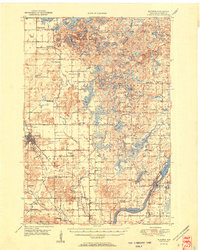 1951 Bloomer1951 Print · USGSPost-war Chippewa County is seen here during a period of rural consolidation across its glaciated lake country. Local researchers can trace family roots through numerous country schools and cemeteries, including Tillinghast Cem, Emanuel Ch, and Larson Sch.2 unique versions available
 - 1951 Map of Cornell, 1953 Print
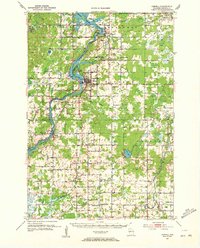 1951 Cornell1953 Print · USGSCentral Chippewa County in the early fifties shows a landscape of river-driven industry and rural community life. Genealogists can trace family roots at Bohemia Cem or St Joseph Cem, and locate numerous schools like Firth Sch (Aband).
 - 1953 Map of Rice Lake, 1967 Print
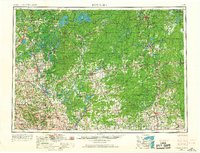 1953 Rice Lake1967 Print · USGSNorthwest Wisconsin during the mid-fifties reveals a landscape defined by timber, rail, and water. Genealogists and historians can trace the development of river towns like Ladysmith and Rice Lake along the Soo Line and Chicago and North Western railroads.2 unique versions available
 - 1959 Map of Rice Lake
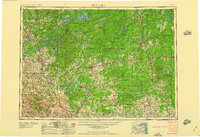 1959 Rice Lake1959 Print · USGSNorthwest Wisconsin in the late fifties was a land of expanding road networks and deep-seated timber history. Genealogists and historians can trace rail lines like the Soo Line RR and Chicago St Paul Minneapolis and Omaha Ry as they link settlements from Spooner to Medford.
 - 1973 Map of Cornell, 1977 Print
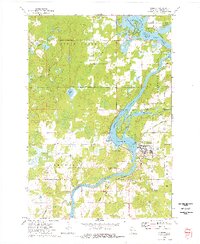 1973 Cornell1977 Print · USGSIn the early seventies, the Chippewa River valley centered around Cornell as a hub of industry and recreation. Local researchers can trace the Chicago and North Western rail line and explore the islands of Brunet Island State Park or the shores of Lake Holcombe.
 - 1973 Map of Crescent, 1977 Print
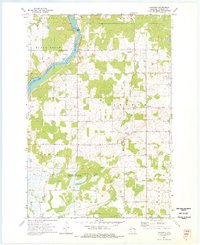 1973 Crescent1977 Print · USGSChippewa County in the early seventies remains defined by its winding river valleys and rural crossroads settlements. Researchers can trace the heritage of small communities through landmarks like the Bohemian Cem, Cobban, and the Big Drywood Ch.
 - 1975 Map of Bob Lake, 1978 Print
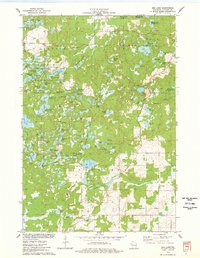 1975 Bob Lake1978 Print · USGSChippewa County is seen here in the mid-seventies, featuring the glacial landforms of the Chippewa Moraine. Researchers can locate community anchors like the Cleveland Cem and Trinity Ch, or trace the winding course of the Rustic Road.
 - 1975 Map of Jim Falls, 1978 Print
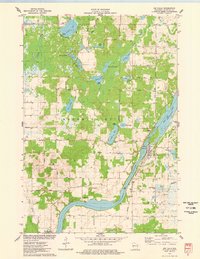 1975 Jim Falls1978 Print · USGSThe Chippewa River valley in the mid-1970s is shown here at its industrial and recreational peak. Local historians can trace the Chicago and North Western rail line and locate landmarks like the Copp Cem and the Substa Powerplant at Jim Falls.
 - 1975 Map of Bloomer, 1978 Print
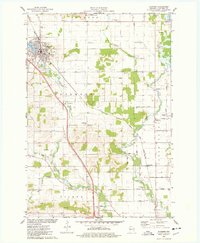 1975 Bloomer1978 Print · USGSBloomer and the surrounding townships of Tilden and Woodmohr are captured here in the mid-seventies, showing a landscape defined by the C & NW rail line. Genealogists can trace family names through sites like Tilden Cem, Eagleton Cem, and Scandinavian Ch.
 - 1975 Map of Marsh-Miller Lake, 1978 Print
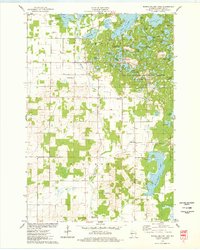 1975 Marsh-Miller Lake1978 Print · USGSChippewa County is captured in the mid-seventies, revealing a glacial landscape defined by the Chippewa Moraine. Search for family roots at Tillinghast Cem or trace the shoreline developments of Marsh-Miller Lake and Long Lake.
 - 1980 Map of Bloomer
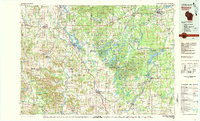 1980 Bloomer1980 Print · USGSNorthwestern Wisconsin at the start of the eighties shows a landscape deeply connected to its rivers and rail lines. Genealogists and historians can trace the growth of Bloomer, Ladysmith, and Chetek or locate local landmarks like Brunet Island State Park and the Soo Line rail corridors.
 - 2010 Map of Cornell, 2010 Print
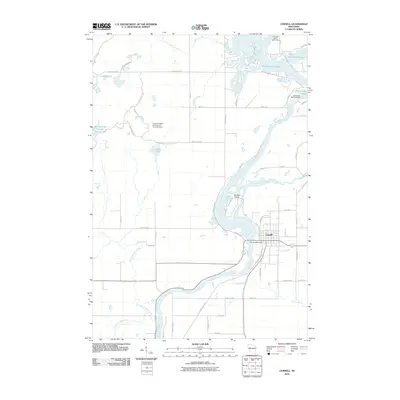 2010 Cornell2010 Print · USGSWisconsin's river-driven landscape is on display in this Chippewa County survey at the start of the 2010s. Researchers can trace the development of Cornell and identify local landmarks like the Cornell 2WP7 Dam and the shoreline of Brunet Island.
 - 2010 Map of Crescent, 2010 Print
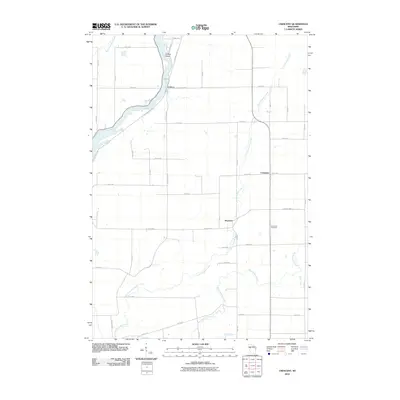 2010 Crescent2010 Print · USGSChippewa County is shown here in the early twenty-first century, centered on the river valleys and rural crossroads of Eagle Point. Genealogists and local historians can trace family land near the Bohemian Cemetery or follow the river from Cobban to Willow Island.
 - 2010 Map of Marsh-Miller Lake, 2010 Print
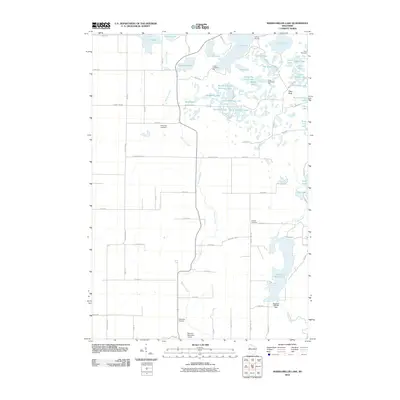 2010 Marsh-Miller Lake2010 Print · USGSWisconsin's lake country is captured here during the first decade of the millennium, featuring a dense network of glacial waters and recreational retreats. Researchers can trace local heritage at Tillinghast Cemetery and Rufledt Cemetery or explore the shores of Marsh-Miller Lake.
 - 2010 Map of Jim Falls, 2010 Print
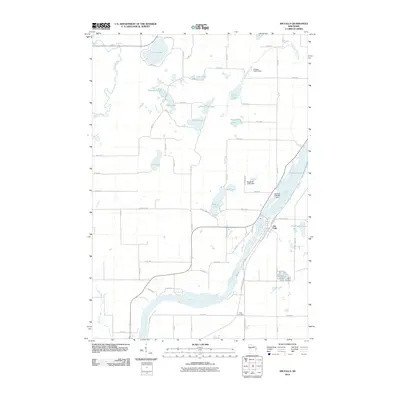 2010 Jim Falls2010 Print · USGSThe Chippewa River dominates the landscape near Jim Falls in the early twenty-first century, showing a complex system of river management. Genealogists and hikers can trace the Old Abe State Trl or locate family roots at Copp Cemetery and around Cornell Lake.
 - 2010 Map of Bloomer, 2010 Print
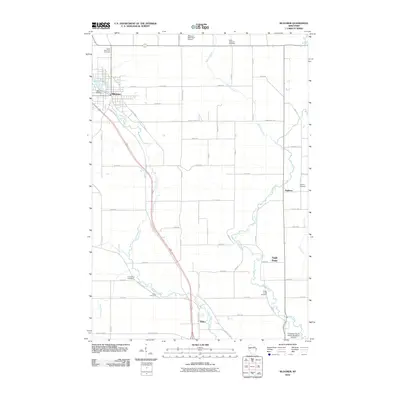 2010 Bloomer2010 Print · USGSChippewa County at the turn of the decade reflects a well-ordered landscape of dairy-land roads and quiet creek valleys. Genealogists and historians can locate numerous rural burial sites like Tilden Cemetery or trace the early industrial footprint of the Bloomer Mill Dam.
 - 2010 Map of Bob Lake, 2010 Print
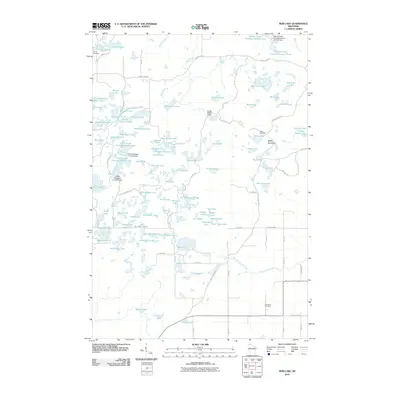 2010 Bob Lake2010 Print · USGSChippewa County is shown here as a dense network of glacial lakes and flowages in the early twenty-first century. Outdoor historians and researchers can trace the Ice Age Trl, locate the Cleveland Cemetery, or find established retreats like Camp Nawakwa.
 - 2013 Map of Cornell, 2013 Print
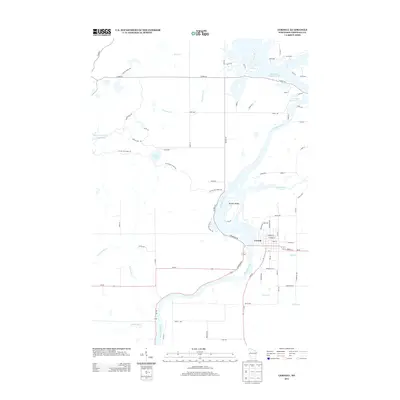 2013 Cornell2013 Print · USGSThe riverfront town of Cornell is depicted in the early twenty-first century as it sits nestled between the Chippewa River and the massive Holcombe Flowage 4700. Researchers can trace the path of the Ice Age Natl Scenic Trl past Firth Lake and explore the unique geography of Brunet Island.
 - 2013 Map of Bloomer, 2013 Print
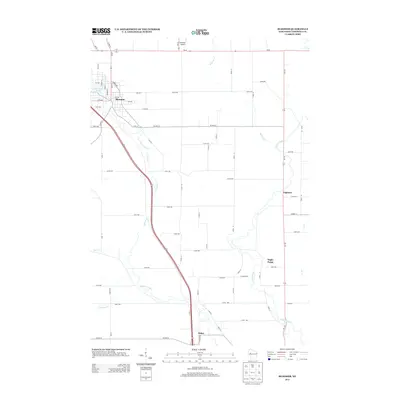 2013 Bloomer2013 Print · USGSChippewa County settlements and rural watersheds are mapped here in the early twenty-first century. Genealogists and local historians can trace family properties near Bloomer, the small communities of Eagleton and Tilden, and the winding banks of O'Neil Creek.
 - 2013 Map of Jim Falls, 2013 Print
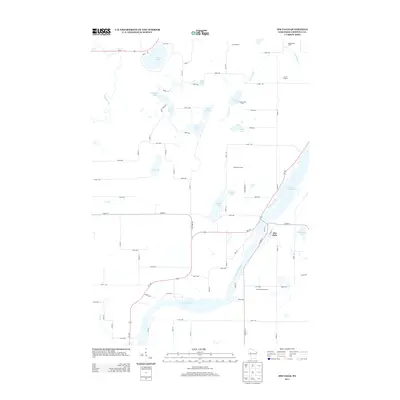 2013 Jim Falls2013 Print · USGSChippewa County agricultural life and riverfront geography are preserved here in the early twenty-first century. Researchers can trace family-named properties like Hard Scrabble Farms and Finley Lake Farm or locate landmarks along the Chippewa River.
 - 2013 Map of Bob Lake, 2013 Print
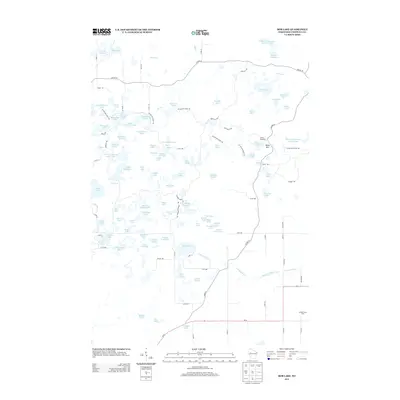 2013 Bob Lake2013 Print · USGSChippewa County’s glacial landscape is captured here in the early twenty-first century, showing a complex network of kettle lakes and forest trails. Researchers can trace the Ice Age Natl Scenic Trl as it winds past Camp Nawakwa and the local agricultural hub at Spring Creek Dairy.
 - 2013 Map of Crescent, 2013 Print
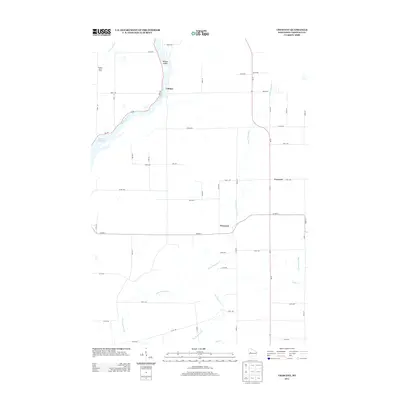 2013 Crescent2013 Print · USGSChippewa County is documented here in the early twenty-first century as the landscape shifts from the Chippewa River banks to inland farming communities. Researchers can trace rural property patterns and local landmarks from Cobban to the namesake settlement of Crescent.
 - 2013 Map of Marsh-Miller Lake, 2013 Print
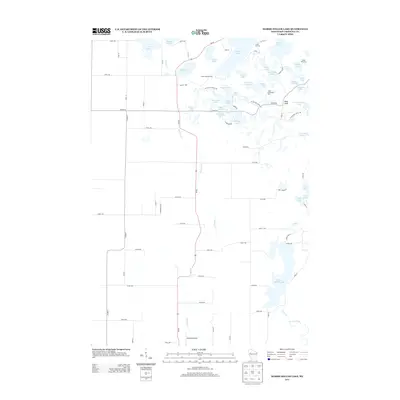 2013 Marsh-Miller Lake2013 Print · USGSChippewa County’s glaciated lake country is captured here during the early twenty-first century, showing a landscape defined by water and recreation. Researchers can locate long-standing summer retreats like Camp Manitou and trace the winding path of the Ice Age Natl Scenic Trl past Salisbury Lake.
 - 2015 Map of Crescent, 2015 Print
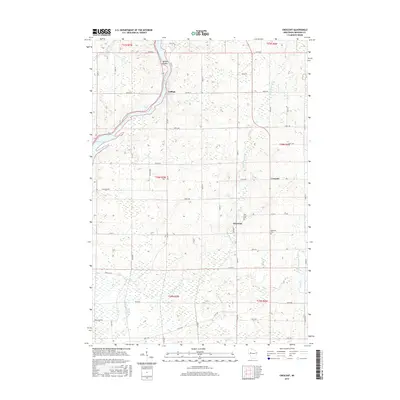 2015 Crescent2015 Print · USGSChippewa County in the mid-2010s remains a landscape of river-fed valleys and quiet rural crossroads. Researchers can trace family ties at the Bohemian Cem or locate old homestead sites near Cobban, Drywood, and the Chippewa River.
Showing maps 1-25 of 42
Top cities near Cleveland
- Chippewa Falls historical maps
- Bloomer historical maps
- Eagle Point historical maps
- Anson historical maps
- Cornell historical maps
- Cadott historical maps
See more
Frequently asked questions
- What are the different types of historical maps available for Cleveland?
- What is the oldest map of Cleveland?
- Where can I purchase historical maps of Cleveland for my home or office?
- Where can I download high-res historical maps of Cleveland?
- Are there historical topographic maps available for Cleveland?
- Is there historical aerial imagery available for Cleveland?
- Where are historical maps of Cleveland sourced from?