Old Maps of Wheaton, Wisconsin for Academic Research
Study the evolution of Wheaton with 44 high-resolution historic maps. Whether you're teaching, researching, or modeling changes in land use, these maps provide essential visual documentation of urban, environmental, and geographic change.
- Analyze long-term change: Track patterns in development, transportation, and natural features.
- Ideal for environmental or urban studies: Support academic projects with primary historical map data.
- Use in the classroom or lab: Educators and researchers rely on these maps to bring historical context to life.
These maps are a powerful tool for teaching, research, and visualizing how Wheaton has changed over the decades.
Wheaton, WI maps
(44)- 1934 Map of Elk Mound, 1960 Print
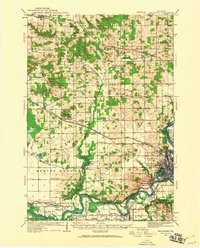 1934 Elk Mound1960 Print · USGSDunn and Eau Claire counties come alive in this mid-thirties survey, showing the intricate network of rural schools and the bustling rail corridor through Elk Mound. Genealogists can trace family roots at Porters Mills, Big Elk Creek Ch, or numerous local school sites like Waneka Sch.2 unique versions available
 - 1934 Map of Chippewa Falls, 1967 Print
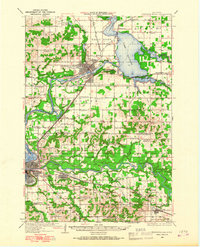 1934 Chippewa Falls1967 Print · USGSThe Chippewa and Eau Claire River valleys are captured here in the 1930s as vital rail and water hubs. Genealogists can locate family-named landmarks like Old Badger Mills, Anson Sta, and dozens of rural schoolhouses such as Tilden Mill Sch.2 unique versions available
 - 1936 Map of Chippewa Falls
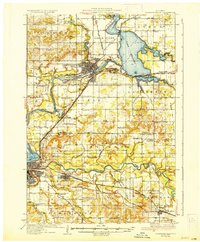 1936 Chippewa Falls1936 Print · USGSChippewa Falls and Eau Claire are captured here in the mid-1930s, showing a landscape defined by the convergence of major rivers and the massive Lake Wissota. Trace the rail lines of the C and NW Line or locate ancestral sites like Old Badger Mills, Hallie Ch, and numerous rural schools.3 unique versions available
 - 1936 Map of Elk Mound
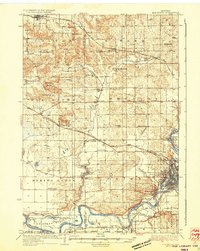 1936 Elk Mound1936 Print · USGSDunn and Eau Claire Counties in the mid-thirties show a landscape of thriving rural school districts and river-bound commerce. Genealogists can trace family landmarks like The Yankee Woods or locate vanished sites like Porters Mills and the Old Meridean Ferry.2 unique versions available
 - 1953 Map of Eau Claire, 1965 Print
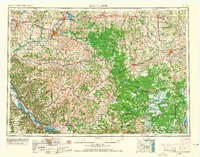 1953 Eau Claire1965 Print · USGSWest-central Wisconsin in the mid-fifties shows a landscape of river-valley industry and vast wildlife refuges during the transition from rails to modern highways. Genealogists and historians can trace the rail corridors of the Chicago and North Western or locate family-named landmarks like Decorah Mound and Chippewa Island.4 unique versions available
 - 1958 Map of Eau Claire
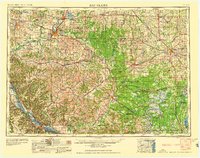 1958 Eau Claire1958 Print · USGSWestern Wisconsin in the late fifties shows a landscape of growing regional hubs and massive wildlife refuges. Trace the rail lines of the Chicago and North Western between Eau Claire and Marshfield, or explore the terrain around Iron Mound and Lake Wissota.
 - 1964 Map of Eau Claire
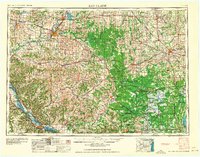 1964 Eau Claire1964 Print · USGSWest-central Wisconsin in the mid-1960s was a hub of river-driven industry and expanding rail networks. Researchers can trace historic homesteads near Menomonie, follow the Soo Line RR through Marshfield, or explore the grounds of the Camp McCoy Military Reservation.
 - 1972 Map of Eau Claire West, 1975 Print
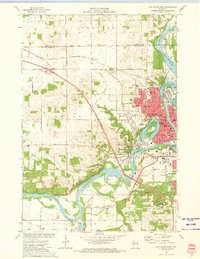 1972 Eau Claire West1975 Print · USGSEau Claire was a bustling river and rail hub in the early seventies, centered around the Chippewa River and its industrial corridors. Researchers can trace historic local sites from the Univ of Wisconsin campus to the Lakeview Cemetery and the old Dells Dam.2 unique versions available
 - 1972 Map of Colfax South, 1975 Print
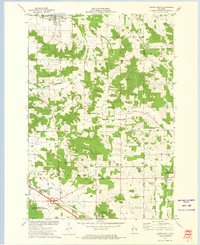 1972 Colfax South1975 Print · USGSDunn County at the start of the 1970s shows a landscape defined by its river valleys and established rail lines. Genealogists and local historians can trace the foundations of Colfax and Elk Mound, and locate rural landmarks such as Big Elk Creek Ch and Evergreen Cem.
 - 1972 Map of Albertville, 1975 Print
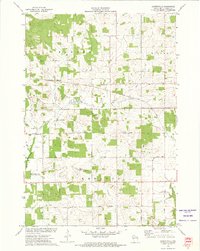 1972 Albertville1975 Print · USGSChippewa County agriculture and industry meet in the early seventies, showing a landscape defined by the Soo Line and rural townships. Genealogists and local historians can trace family-named routes like Nelson Road and locate the original village site at Old Albertville.
 - 1972 Map of Chippewa Falls, 1975 Print
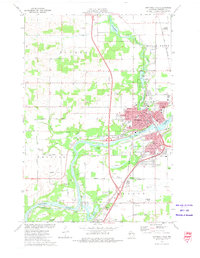 1972 Chippewa Falls1975 Print · USGSChippewa Falls is captured here in the early seventies as a thriving rail and industrial center along the Chippewa River. Genealogists and local historians can trace old family plots in Forest Hill Cemetery or locate landmarks like Old Badger Mills and the McDonell Central High School.2 unique versions available
 - 1972 Map of Eau Claire East, 1975 Print
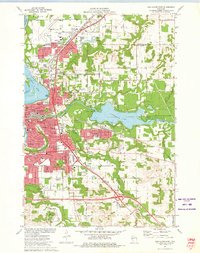 1972 Eau Claire East1975 Print · USGSThe Eau Claire area in the early seventies shows a vibrant university city expanding around the Chippewa River. Genealogists and local historians can trace neighborhood growth through numerous school sites like Davey Sch and cemeteries including Calvary Cem.2 unique versions available
 - 1972 Map of Elk Creek Lake, 1975 Print
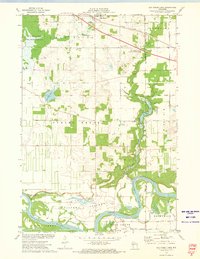 1972 Elk Creek Lake1975 Print · USGSDunn and Eau Claire counties are captured here in the early seventies, where the Chippewa River winds through fertile bottomlands. Genealogists can locate several rural burial sites, including St Joseph and Peterson Cem, and trace the path of the Chicago and North Western railroad near Elk Mound.
 - 1985 Map of Eau Claire
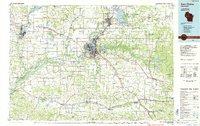 1985 Eau Claire1985 Print · USGSWestern Wisconsin's river valleys and growing mid-century cities are captured here in the mid-eighties. Genealogists and historians can trace the paths of the Chicago and North Western railroad and locate rural landmarks like Dells Millpond and Nine Mile Island.2 unique versions available
 - 2010 Map of Eau Claire East, 2010 Print
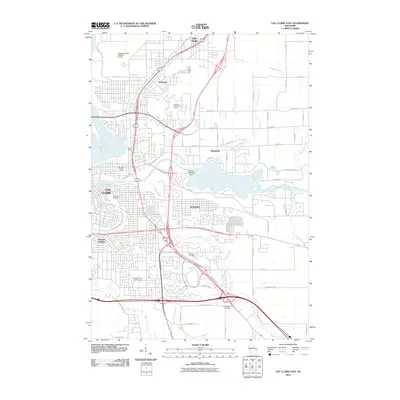 2010 Eau Claire East2010 Print · USGSThe eastern reaches of Eau Claire and Altoona are documented here in the early twenty-first century as they grew along the Chippewa and Eau Claire rivers. Genealogists and local researchers can locate established community landmarks like Forest Hill Cemetery, Dells Siding, and the Altoona 2WP340 Dam.
 - 2010 Map of Albertville, 2010 Print
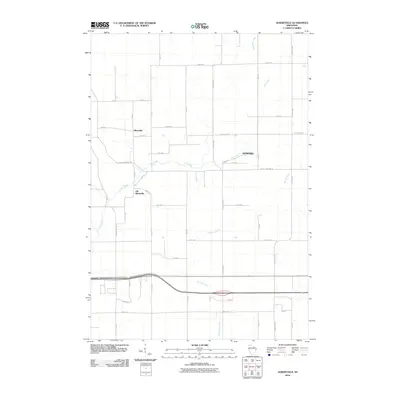 2010 Albertville2010 Print · USGSThe Town of Wheaton area comes into focus in this 2010 study, capturing the transition between traditional rural centers and modern infrastructure. Genealogists and local historians can trace the shift from Old Albertville to Albertville while following the riparian paths of Elk Creek and Sherman Creek.
 - 2010 Map of Eau Claire West, 2010 Print
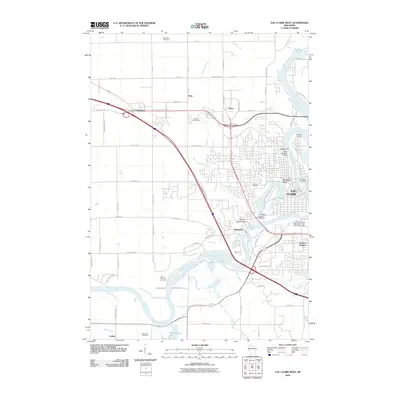 2010 Eau Claire West2010 Print · USGSEau Claire and the banks of the Chippewa River are captured here in the early twenty-first century as the city expanded westward. Researchers can trace local landmarks like McCombs Cemetery, the Silver Mine Hill Ski Jump, and the University of Wisconsin - Eau Claire Campus.
 - 2010 Map of Elk Creek Lake, 2010 Print
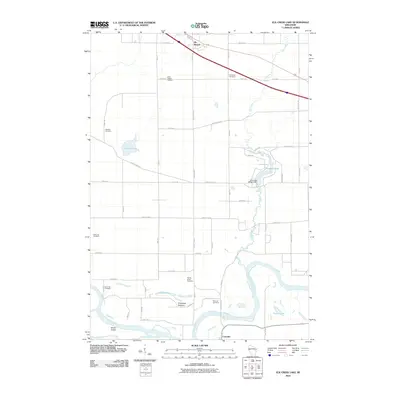 2010 Elk Creek Lake2010 Print · USGSWisconsin's western river valleys are seen here in the early 2000s as the landscape transitions from the heights of Elk Mound down to the Chippewa River. Researchers can locate numerous family and community landmarks, including the Spring Brook Cemetery and the Elk Creek WP247 Dam.
 - 2010 Map of Chippewa Falls, 2010 Print
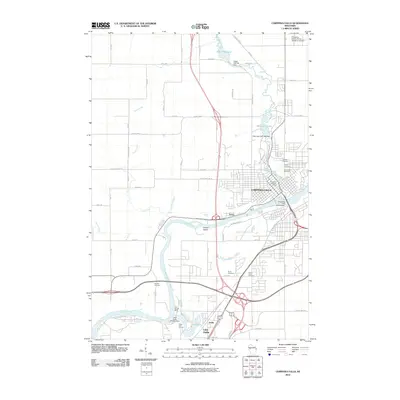 2010 Chippewa Falls2010 Print · USGSChippewa Falls and the surrounding Wisconsin river valley are captured here just after the first decade of the new millennium. Genealogists and historians can trace family plots across five local cemeteries or locate the historic sites of Old Badger Mills and Irvine.
 - 2010 Map of Colfax South, 2010 Print
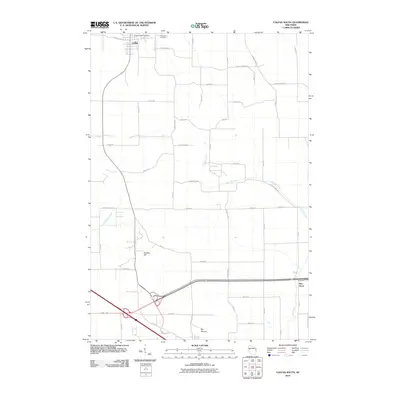 2010 Colfax South2010 Print · USGSDunn County farmland and small-town life are captured here at the start of the decade, showing the transition between Colfax and Elk Mound. Researchers can trace old family sites near Evergreen Cemetery or follow the waters of Big Elk Creek past Panther Hill.
 - 2013 Map of Albertville, 2013 Print
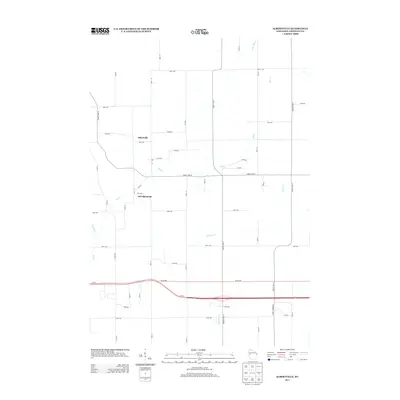 2013 Albertville2013 Print · USGSChippewa County in the early twenty-first century remains a landscape of traditional farm grids and winding creeks. Genealogists and local historians can trace the relationship between Albertville and Old Albertville while following the paths of Elk Cr and Sherman Cr.
 - 2013 Map of Elk Creek Lake, 2013 Print
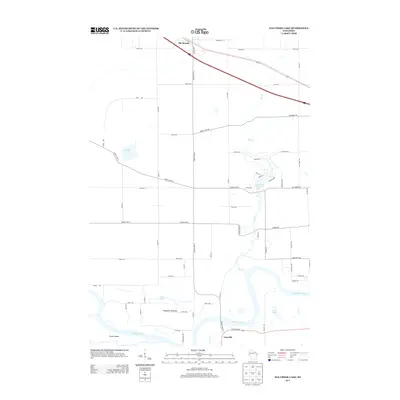 2013 Elk Creek Lake2013 Print · USGSDunn and Eau Claire counties are shown here as the early 21st-century landscape meets the winding Chippewa River. Local historians can trace the rural layout surrounding Elk Mound and Caryville, or locate riparian landmarks like Old Elk Lake.
 - 2013 Map of Eau Claire East, 2013 Print
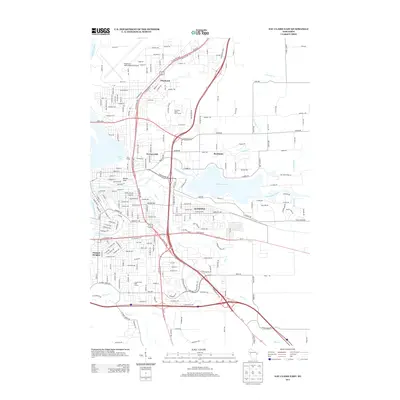 2013 Eau Claire East2013 Print · USGSThe eastern reaches of the city and neighboring Altoona are captured in the early 2010s as suburban expansion meets the river valleys. Researchers can trace local landmarks like Mount Tom, the Dells Siding, and the evolving neighborhoods of Pinehurst and Putnam Heights.
 - 2013 Map of Colfax South, 2013 Print
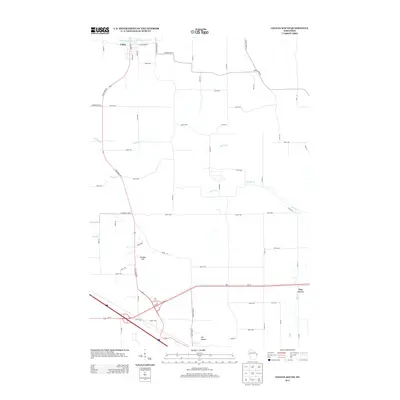 2013 Colfax South2013 Print · USGSDunn County at the start of the 2010s shows a landscape of river valleys and agricultural grids between Colfax and Elk Mound. Genealogists and local historians can trace the paths of Big Elk Cr, identify property near Panther Hill, and locate the small settlement of Pine Grove.
 - 2013 Map of Eau Claire West, 2013 Print
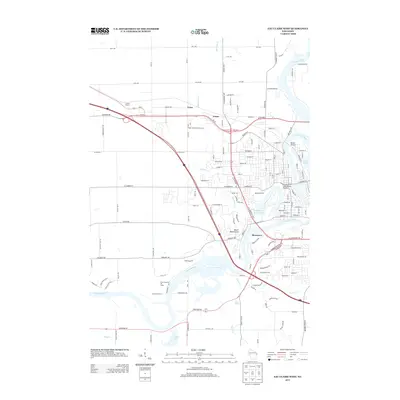 2013 Eau Claire West2013 Print · USGSWestern Eau Claire in the early 2010s shows a landscape where river recreation and suburban growth meet. Trace local history at the Silver Mine Hill Ski Jump, the Gemini Drive-In, and the old settlement area of Shawtown along the Chippewa River.
Showing maps 1-25 of 44
Top cities near Wheaton
- Eau Claire historical maps
- Chippewa Falls historical maps
- Altoona historical maps
- Lake Hallie historical maps
- Town of Washington historical maps
- Bloomer historical maps
See more
Top neighborhoods of Wheaton
Frequently asked questions
- What are the different types of historical maps available for Wheaton?
- What is the oldest map of Wheaton?
- Where can I purchase historical maps of Wheaton for my home or office?
- Where can I download high-res historical maps of Wheaton?
- Are there historical topographic maps available for Wheaton?
- Is there historical aerial imagery available for Wheaton?
- Where are historical maps of Wheaton sourced from?