1900s (20th Century) Maps of Reseburg, Wisconsin
Explore 12 historic maps of Reseburg from the 1900s (20th Century). These maps offer a rare glimpse into what life looked like during the 1900s — showing old roads, neighborhoods, homes, and landmarks that have changed or disappeared over time.
Whether you're researching your family's past, planning a metal detecting trip, or studying how Reseburg's landscape evolved across the 1900s, these high-resolution maps are a powerful tool for exploring the history of this region.
- Focus on a specific era: All maps on this page are from the 1900s, giving you a focused view of this time period.
- See what’s changed: Compare century-old streets, trails, and buildings to today's modern landscape using overlays and satellite layers.
- Research with precision: Use these maps for genealogy, historical research, land use analysis, or educational projects.
- View, download, or print: Maps are fully viewable online in high resolution, and can be downloaded or printed for your own records.
Start exploring Reseburg's history through authentic maps from the 1900s. This is your window into the past.
Reseburg, WI maps
(12)- 1952 Map of Stanley, 1954 Print
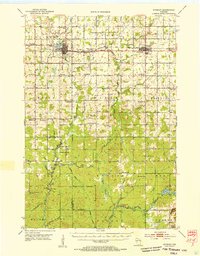 1952 Stanley1954 Print · USGSStanley and Thorp anchor this central Wisconsin landscape in the early fifties as the rural schoolhouse system reaches its peak. Genealogists can locate family names at the Evergreen Cem or trace rural education at Busy Bee Sch and Sol Mohr Sch.
 - 1953 Map of Owen, 1955 Print
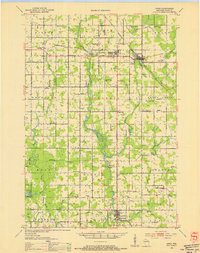 1953 Owen1955 Print · USGSCentral Wisconsin farmland and river valleys are captured here in the early fifties, showing the peak of the rural school and church network. Researchers can trace family roots through numerous sites like Riverside Cemetery, Hoard Center Sch, and the West Beaver Church.
 - 1953 Map of Eau Claire, 1965 Print
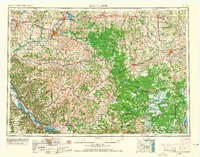 1953 Eau Claire1965 Print · USGSWest-central Wisconsin in the mid-fifties shows a landscape of river-valley industry and vast wildlife refuges during the transition from rails to modern highways. Genealogists and historians can trace the rail corridors of the Chicago and North Western or locate family-named landmarks like Decorah Mound and Chippewa Island.4 unique versions available
 - 1958 Map of Eau Claire
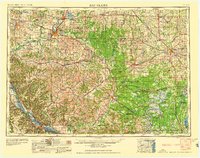 1958 Eau Claire1958 Print · USGSWestern Wisconsin in the late fifties shows a landscape of growing regional hubs and massive wildlife refuges. Trace the rail lines of the Chicago and North Western between Eau Claire and Marshfield, or explore the terrain around Iron Mound and Lake Wissota.
 - 1963 Map of Owen, 1964 Print
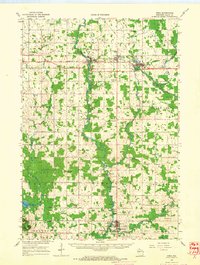 1963 Owen1964 Print · USGSCentral Clark County comes alive in the early sixties as a network of river-towns and rural school districts. Genealogists can locate family names at St Marys Cem or trace roots at the Braun Settlement Sch and Frenchtown Sch.
 - 1964 Map of Eau Claire
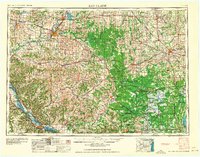 1964 Eau Claire1964 Print · USGSWest-central Wisconsin in the mid-1960s was a hub of river-driven industry and expanding rail networks. Researchers can trace historic homesteads near Menomonie, follow the Soo Line RR through Marshfield, or explore the grounds of the Camp McCoy Military Reservation.
 - 1976 Map of Stanley NE, 1979 Print
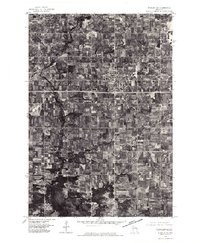 1976 Stanley NE1979 Print · USGSClark County dairy country is captured in high-detail aerial photography during the mid-seventies. Researchers can trace land use patterns around Thorp and locate rural sites near Eidsvold and the North Fork Eau Claire River.
 - 1979 Map of Thorp, 1980 Print
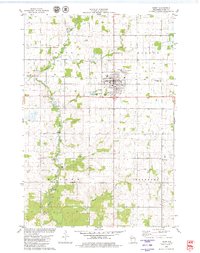 1979 Thorp1980 Print · USGSThorp and the surrounding dairy lands of Clark County are captured here in the late seventies as the rail-and-river economy persisted. Researchers can trace family heritage through numerous rural burial sites like St Hedwig Cem and the Norwegian Cem.
 - 1979 Map of Mead Lake West, 1980 Print
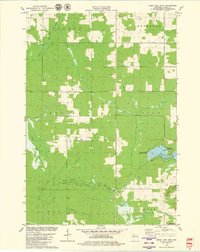 1979 Mead Lake West1980 Print · USGSClark County in the late seventies is captured here at the junction of the Eau Claire River forks and the recreation waters of Mead Lake. Genealogists and local historians can locate Butler Cem, the Townhall, and family-named water features like Dickison Creek.
 - 1982 Map of Lombard
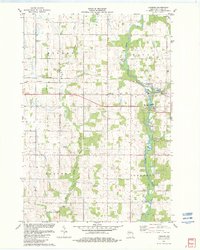 1982 Lombard1982 Print · USGSClark County dairy country and river valleys are captured here in the early eighties as rural townships continued to modernize. Trace local family history and land use through Riverside Cem, the Soo Line tracks at Lombard, and the numerous Gravel Pits along the Black River.
 - 1982 Map of Mead Lake East
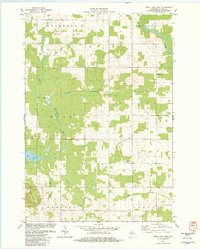 1982 Mead Lake East1982 Print · USGSClark County's rural townships are documented in the early eighties as agricultural and timber lands met the river forks. Genealogists can locate family landmarks like the Forest Hill Cem, Townhall, and the settlement of Kokaly near the Lookout Tower.
 - 1984 Map of Marshfield, 1985 Print
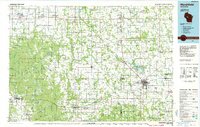 1984 Marshfield1985 Print · USGSCentral Wisconsin's dairy heartland comes into focus during the mid-eighties as a busy network of rail and farm towns. Researchers can trace the path of the Soo Line, identify the grounds of McMillan State Wildlife Area, and locate smaller settlements like Spokeville and Tioga.2 unique versions available
End of results
Showing maps 1-12 of 12
Top cities near Reseburg
- Stanley historical maps
- Thorp historical maps
- Edson historical maps
- Greenwood historical maps
- Owen historical maps
- Colburn historical maps
See more
Frequently asked questions
- What are the different types of historical maps available for Reseburg?
- What is the oldest map of Reseburg?
- Where can I purchase historical maps of Reseburg for my home or office?
- Where can I download high-res historical maps of Reseburg?
- Are there historical topographic maps available for Reseburg?
- Is there historical aerial imagery available for Reseburg?
- Where are historical maps of Reseburg sourced from?