Old Maps of Dane, Wisconsin
Explore 42 old maps of Dane, spanning from 1890 to today. These high-resolution historic maps reveal how streets, neighborhoods, landmarks, and natural features evolved over time — perfect for genealogy, metal detecting, research, and local history exploration.
What you can do with these maps:
- See how Dane changed over time: Compare historical maps to modern-day views to trace roads, homesites, rail lines & more.
- View detailed metadata: Each map includes creators, publishers, year, scale, and archive source.
- Overlay maps with satellite & LiDAR: Visualize the past alongside modern tools to explore terrain & human change.
- Trusted historical sources: Maps sourced from the USGS, Library of Congress, and other archives.
- Access maps your way: View online, download high-res files, or order prints for personal or research use.
Start exploring old maps of Dane to uncover forgotten places, hidden landmarks, and the deep history beneath your feet.
Dane, WI maps
(42)- 1890 Map of Madison
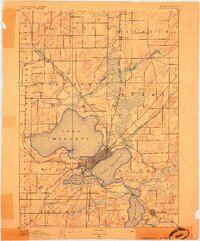 1890 Madison1890 Print · USGSMadison and its surrounding lake country are captured in the late 1880s as the capital city began to dominate the central isthmus. Researchers can trace early rail corridors like the Madison and Northern Railroad and locate settlements such as Mendota and Token Creek.
 - 1892 Map of Madison
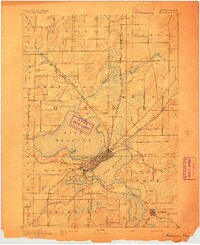 1892 Madison1892 Print · USGSDane County in the late nineteenth century centers on the emerging isthmus city of Madison and its surrounding glacial lakes. Genealogists and historians can trace rail-aligned settlements like Waunakee, De Forest, and Mac Farland alongside the banks of Lake Mendota.3 unique versions available
 - 1895 Map of Baraboo
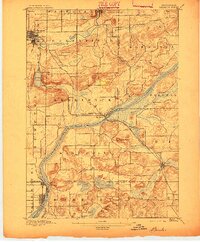 1895 Baraboo1895 Print · USGSSauk and Columbia counties meet along the winding river corridor during this late Victorian era of rail expansion and river commerce. Genealogists and local historians can trace old homesteads and rail stops through Merrimac, Okee, and Lodi while exploring the early footprints of Baraboo.9 unique versions available
 - 1901 Map of Poynette
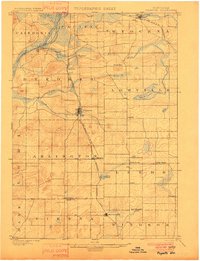 1901 Poynette1901 Print · USGSWisconsin's rural heartland comes into focus at the dawn of the twentieth century, anchored by the railway corridor and the winding river. Researchers can trace the early footprints of Poynette, Wyocena, and Dekorra alongside small junctions like Morrisonville and Arlington.3 unique versions available
 - 1904 Map of Madison, 1954 Print
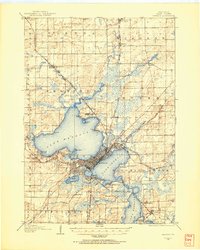 1904 Madison1954 Print · USGSDane County's capital and its surrounding chain of lakes are shown here at the turn of the century. Genealogists and local historians can trace the early footprints of the University of Wisconsin, the Fair Grounds, and settlements like Token and Norway Grove.
 - 1906 Map of Madison
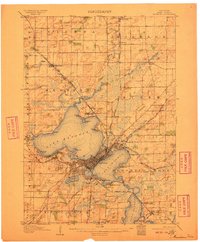 1906 Madison1906 Print · USGSThe state capital and its Four Lakes are captured here in the early twentieth century. Genealogists and historians can trace the early development of Madison and the University of Wisconsin, along with rural hubs like Waunakee and Mc Farland.6 unique versions available
 - 1907 Map of Cross Plains, 1960 Print
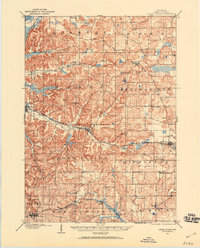 1907 Cross Plains1960 Print · USGSWestern Dane County comes to life in this early 1900s survey, showing the transition from the rolling prairie to the driftless hills. Genealogists can trace family roots through historic junctions and rural centers like Marxville, Pine Bluff, and Ashton Church.
 - 1908 Map of Baraboo
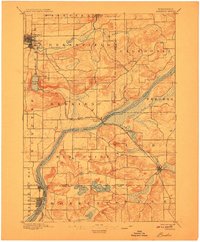 1908 Baraboo1908 Print · USGSSauk and Columbia counties at the close of the nineteenth century reveal a landscape shaped by the Wisconsin River and early rail expansion. Trace the rail lines through Baraboo and Lodi, or locate old river landings near Merrimac and Sauk.
 - 1909 Map of Cross Plains
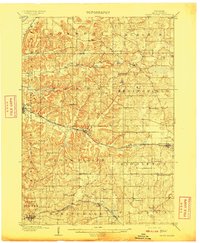 1909 Cross Plains1909 Print · USGSDane County at the turn of the century shows a bustling corridor of rail-side towns and rural townships. Trace the early development of Mt Horeb, Cross Plains, and Middleton Junction alongside landmarks like Ashton Church and Richardson Cave.4 unique versions available
 - 1957 Map of Madison, 1967 Print
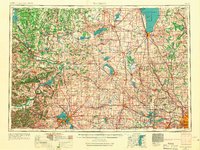 1957 Madison1967 Print · USGSSouth-central Wisconsin in the mid-fifties reveals a landscape of industrial hubs and glacial lakes linked by a dense rail and highway network. Genealogists and historians can trace the development of lakeside communities and find notable sites like Badger Ordnance Works and the Horicon National Wildlife Refuge.3 unique versions available
 - 1959 Map of Waunakee, 1960 Print
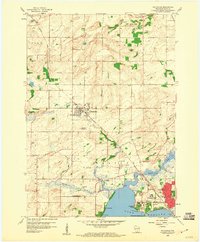 1959 Waunakee1960 Print · USGSDane County's agricultural heart and northern lakefront are captured here in the late fifties as the Madison suburbs began to expand. Genealogists can trace family names at Vienna Cem or locate former rural centers like Norway Grove and Catfish Sch.3 unique versions available
 - 1959 Map of Baraboo, 1961 Print
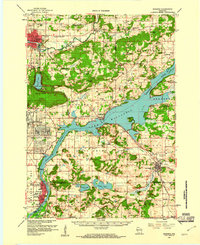 1959 Baraboo1961 Print · USGSThe Baraboo Range and the winding Wisconsin River meet in this late-fifties study of Sauk and Columbia counties. Researchers can locate rural landmarks like Man Mound, the massive Badger Ordnance Works, and the grounds of Devils Lake State Park.4 unique versions available
 - 1959 Map of Madison, 1961 Print
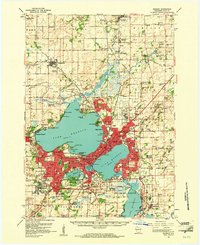 1959 Madison1961 Print · USGSMadison and the surrounding Dane County countryside appear here in the late fifties, showing the city's growth between its iconic lakes. Genealogists and local historians can trace family roots through numerous country schools like Wangness Sch and historic cemeteries such as Norway Grove Cem.3 unique versions available
 - 1960 Map of Madison
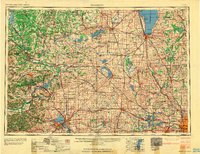 1960 Madison1960 Print · USGSCentral and Southern Wisconsin are captured in the late fifties, showing the region as its rail-and-river network matured. Trace the paths of the Soo Line RR or locate family roots near Lake Mendota and Horicon National Wildlife Refuge.2 unique versions available
 - 1962 Map of Cross Plains, 1964 Print
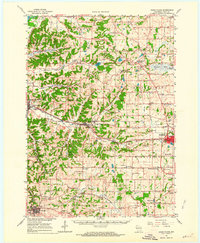 1962 Cross Plains1964 Print · USGSWestern Dane County in the early sixties shows a landscape of deep valleys and rising ridges between Cross Plains and Mt Horeb. Genealogists and historians can trace family locations through numerous rural sites like St Marys Cem, Richardson Cave, and the Pine Bluff Observatory.2 unique versions available
 - 1962 Map of Poynette, 1964 Print
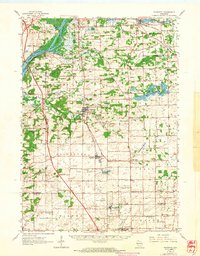 1962 Poynette1964 Print · USGSIn the early sixties, the farming communities of Columbia and Dane Counties were evolving alongside the new interstate highway. Genealogists can locate family sites and rural landmarks like Hillside Cem, Leeds Center, and the Arlington Prairie Ch.2 unique versions available
 - 1962 Map of Springfield Corners, 1964 Print
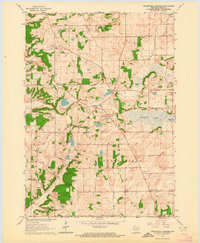 1962 Springfield Corners1964 Print · USGSThe rural landscapes of Dane County in the early sixties reveal a network of small farming hamlets and glacial marshlands. Genealogists can trace family names at St Johns Cem and Kohlman Cem or locate the rural Springfield Sch.2 unique versions available
 - 1974 Map of Baraboo SE, 1976 Print
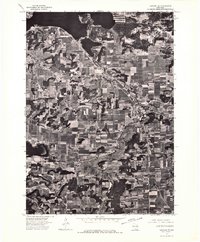 1974 Baraboo SE1976 Print · USGSThe river valley and surrounding farmsteads are captured in this mid-1970s aerial survey as the region balanced its rural roots with growing town centers. Researchers can trace the layout of Lodi and the shoreline of Lake Wisconsin during this era.
 - 1975 Map of Lodi, 1978 Print
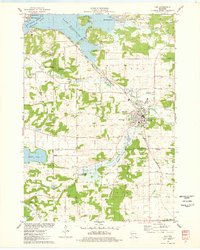 1975 Lodi1978 Print · USGSLodi and the surrounding glacial valley are captured in the mid-seventies, showing a landscape defined by the railroad and the widening Wisconsin River. Researchers can trace family-named homesteads along Reynolds Road or locate historic burial sites like St Patricks Cem and Garden Bluff Cem.
 - 1983 Map of Waunakee, 1984 Print
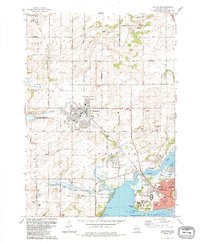 1983 Waunakee1984 Print · USGSThe north shore of Lake Mendota and the expanding village of Waunakee are captured here in the early eighties. Researchers can trace local lineage through the Vienna Cem and Kingsley Cem, or locate landmarks like the Mendota State Hospital and St. Mary of the Lake Sch.
 - 1984 Map of Arlington
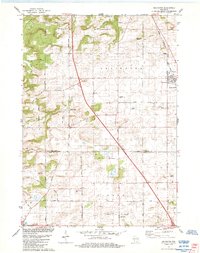 1984 Arlington1984 Print · USGSThe Wisconsin prairie at the border of Columbia and Dane Counties was a thriving rail and agricultural hub in the 1980s. Local researchers can trace family roots at Arlington Prairie Cem and 100 Mile Grove Cem or follow the historic Chicago and North Western rail line.
 - 1991 Map of Madison
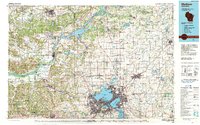 1991 Madison1991 Print · USGSMadison and its iconic glacial lakes are captured here during a time of steady urban expansion and regional growth. Researchers can trace the mid-century development of the University of Wisconsin, locate family sites near Forest Hill Cem, or explore the footprint of the Badger Army Ammunition Plant.
 - 2010 Map of Lodi, 2010 Print
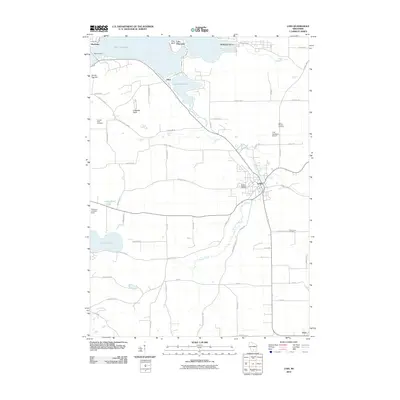 2010 Lodi2010 Print · USGSColumbia County at the start of the 2010s shows a landscape shaped by the waters of Lake Wisconsin and the valley of Spring Creek. Genealogists and local historians can trace family plots at Garden Bluff Cemetery or follow the historic route of the Merrimac Ferry.
 - 2010 Map of Waunakee, 2010 Print
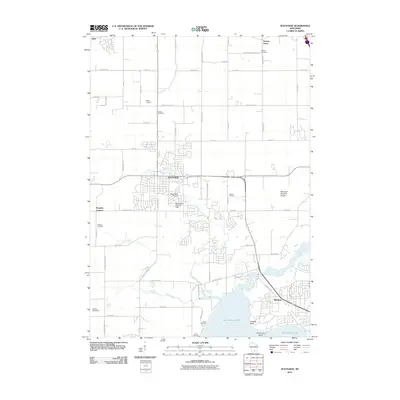 2010 Waunakee2010 Print · USGSThe northern reaches of Madison and the village of Waunakee are captured here during a period of steady growth and lakeshore development. Researchers can locate family heritage sites like Vienna Cemetery or trace the early aviation footprints of Waunakee Airport and Dane Airport.
 - 2010 Map of Arlington, 2010 Print
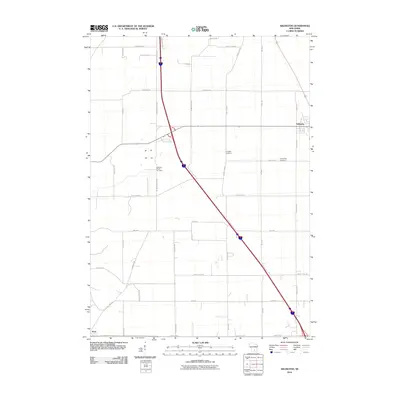 2010 Arlington2010 Print · USGSThe agricultural plains of south-central Wisconsin are captured here in the early twenty-first century as modern transit corridors intersect traditional farmsteads. Genealogists can trace family heritage through sites like Arlington Cemetery and Evangelical Cemetery or follow historic routes such as 100 Mile Grove Rd.
Showing maps 1-25 of 42
Top cities near Dane
- Madison historical maps
- Fitchburg historical maps
- Middleton historical maps
- Waunakee historical maps
- Baraboo historical maps
- DeForest historical maps
See more
Frequently asked questions
- What are the different types of historical maps available for Dane?
- What is the oldest map of Dane?
- Where can I purchase historical maps of Dane for my home or office?
- Where can I download high-res historical maps of Dane?
- Are there historical topographic maps available for Dane?
- Is there historical aerial imagery available for Dane?
- Where are historical maps of Dane sourced from?