Old Maps of Mound View Addition, Mount Horeb for Metal Detecting
Plan your next treasure hunt with 21 historic maps of Mound View Addition. Find old homesites, ghost towns, trails, and gathering spots that may be lost to time — perfect for identifying promising metal detecting locations.
- Locate forgotten sites: Uncover places like long-lost settlements, abandoned rail lines, or gathering spots.
- Plan better hunts: Use map overlays combined with LiDAR or satellite views to narrow in on historically rich areas.
- Made for detectorists: Thousands of hobbyists use these maps to discover relics, coins, and hidden history.
Use these historic maps to boost your research and find new opportunities beneath the surface of Mound View Addition.
Mound View Addition, Mount Horeb maps
(21)- 1907 Map of Cross Plains, 1960 Print
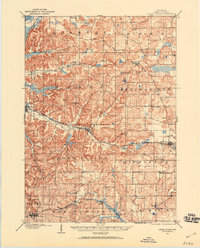 1907 Cross Plains1960 Print · USGSWestern Dane County comes to life in this early 1900s survey, showing the transition from the rolling prairie to the driftless hills. Genealogists can trace family roots through historic junctions and rural centers like Marxville, Pine Bluff, and Ashton Church.
 - 1909 Map of Cross Plains
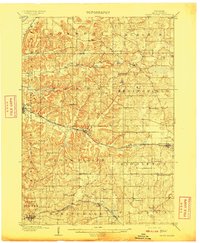 1909 Cross Plains1909 Print · USGSDane County at the turn of the century shows a bustling corridor of rail-side towns and rural townships. Trace the early development of Mt Horeb, Cross Plains, and Middleton Junction alongside landmarks like Ashton Church and Richardson Cave.4 unique versions available
 - 1920 Map of Blue Mounds, 1959 Print
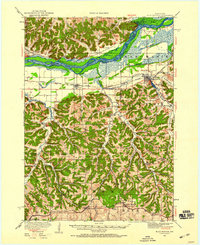 1920 Blue Mounds1959 Print · USGSThe Driftless Area of Dane and Iowa counties comes to life in the years following the Great War, showing a landscape of ridge-top towns and river-valley rails. Genealogists can locate dozens of rural landmarks, from the Hyde Church to schools like Seitz School and Larsonville School.
 - 1922 Map of Blue Mounds
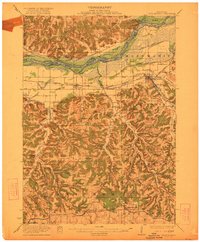 1922 Blue Mounds1922 Print · USGSThe Wisconsin River valley and the Driftless Area uplands meet here in the early nineteen-twenties, showing a landscape defined by rail corridors and rural school districts. Researchers can pinpoint historic family landmarks like Hyde Church, the Coon Rock Mill, and Fairview School.3 unique versions available
 - 1957 Map of Madison, 1967 Print
 1957 Madison1967 Print · USGSSouth-central Wisconsin in the mid-fifties reveals a landscape of industrial hubs and glacial lakes linked by a dense rail and highway network. Genealogists and historians can trace the development of lakeside communities and find notable sites like Badger Ordnance Works and the Horicon National Wildlife Refuge.3 unique versions available
 - 1960 Map of Madison
 1960 Madison1960 Print · USGSCentral and Southern Wisconsin are captured in the late fifties, showing the region as its rail-and-river network matured. Trace the paths of the Soo Line RR or locate family roots near Lake Mendota and Horicon National Wildlife Refuge.2 unique versions available
 - 1962 Map of Cross Plains, 1964 Print
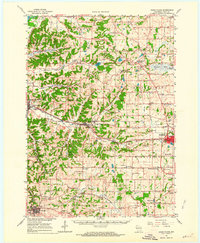 1962 Cross Plains1964 Print · USGSWestern Dane County in the early sixties shows a landscape of deep valleys and rising ridges between Cross Plains and Mt Horeb. Genealogists and historians can trace family locations through numerous rural sites like St Marys Cem, Richardson Cave, and the Pine Bluff Observatory.2 unique versions available
 - 1962 Map of Blue Mounds, 1964 Print
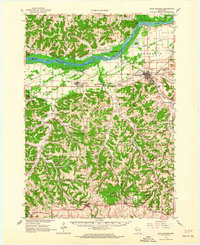 1962 Blue Mounds1964 Print · USGSThe Wisconsin River valley and the driftless hills of Dane County are captured here in the early sixties. Genealogists and hikers can trace old ridge roads to Little Norway, the White Church Cem, and the underground wonders of Cave of the Mounds.3 unique versions available
 - 1962 Map of Blue Mounds, 1964 Print
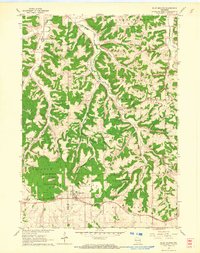 1962 Blue Mounds1964 Print · USGSThe high driftless peaks of western Dane County stood at a crossroads of heritage and tourism in the early sixties. Researchers can trace the legacy of early settlements and family landmarks from Little Norway and Deneen Sch to the depths of Cave of the Mounds.3 unique versions available
 - 1962 Map of Cross Plains, 1964 Print
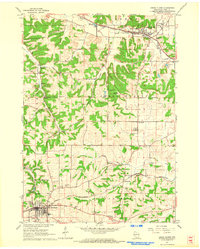 1962 Cross Plains1964 Print · USGSThe Driftless Area of Dane County comes alive in the early sixties, showing the rail-connected growth of the villages and the surrounding dairy country. Genealogists can trace family names through landmarks like St Martins Ch, Union Cem, and the small settlement of Pine Bluff.3 unique versions available
 - 1991 Map of Madison
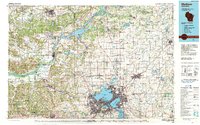 1991 Madison1991 Print · USGSMadison and its iconic glacial lakes are captured here during a time of steady urban expansion and regional growth. Researchers can trace the mid-century development of the University of Wisconsin, locate family sites near Forest Hill Cem, or explore the footprint of the Badger Army Ammunition Plant.
 - 2010 Map of Cross Plains, 2010 Print
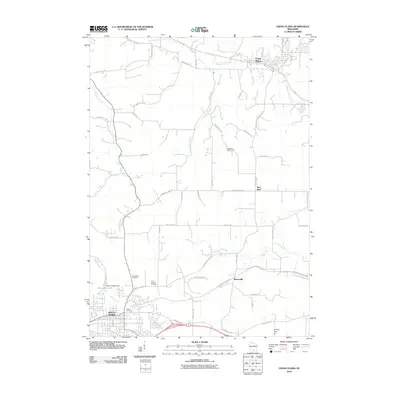 2010 Cross Plains2010 Print · USGSMount Horeb and Cross Plains appear in the first decade of the 2000s, showing a mix of established village grids and expansive scientific sites. Trace family history at Saint Ignatius Cemetery or follow the path of the Military Ridge State Trl and the Pine Bluff Observatory.
 - 2010 Map of Blue Mounds, 2010 Print
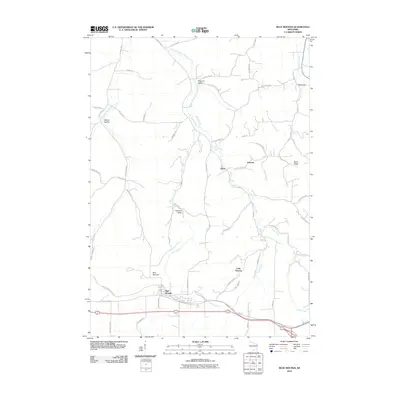 2010 Blue Mounds2010 Print · USGSDane County's distinctive driftless terrain and valley settlements are captured here in the early twenty-first century. Researchers can trace historic local clusters like Little Norway, the winding Military Ridge State Trl, and the branching waters of Elvers Creek.
 - 2013 Map of Cross Plains, 2013 Print
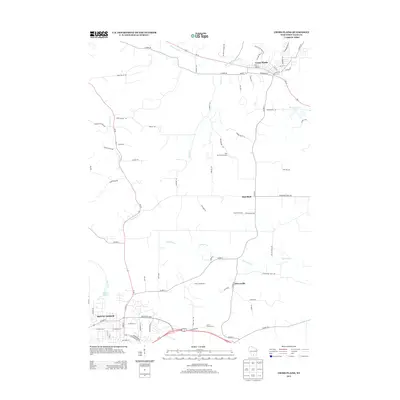 2013 Cross Plains2013 Print · USGSDane County's western hills are captured in the early 2010s, showing a landscape shaped by glacial history and early Wisconsin travel routes. Researchers can trace the paths of Military Rd, locate the Pine Bluff Observatory, and explore the rural outskirts of Cross Plains and Klevenville.
 - 2013 Map of Blue Mounds, 2013 Print
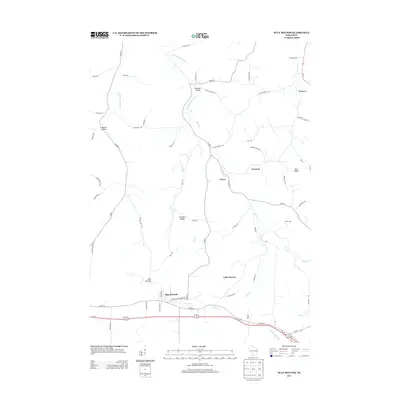 2013 Blue Mounds2013 Print · USGSWestern Dane County comes alive in this contemporary record of its valleys and Scandinavian heritage. Genealogists and hikers can trace the Old Indian Trl, locate the historic grounds of Little Norway, and explore settlements like Elvers and Bitsedalen.
 - 2016 Map of Cross Plains, 2016 Print
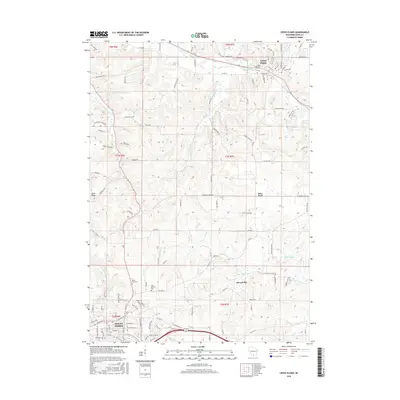 2016 Cross Plains2016 Print · USGSDane County's rolling landscape is shown here in the mid-2010s, spanning the communities between Mount Horeb and Cross Plains. Researchers can trace local burial sites like Saint Ignatius Cemetery or follow the route of the Ice Age National Scenic Trail.
 - 2016 Map of Blue Mounds, 2016 Print
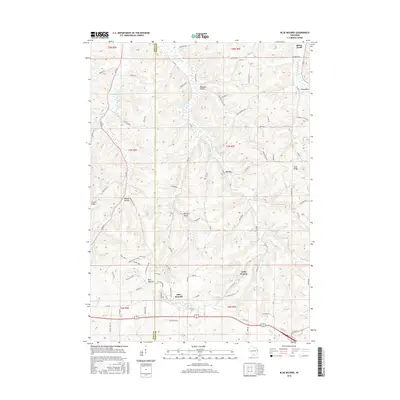 2016 Blue Mounds2016 Print · USGSThe high ridges of western Dane County are captured here in the mid-2010s, centered on the landmark heights of Blue Mounds. Researchers can trace old settlement patterns and family-named roads near Little Norway, Elvers, and the historic site of Pokerville.
 - 2018 Map of Blue Mounds, 2018 Print
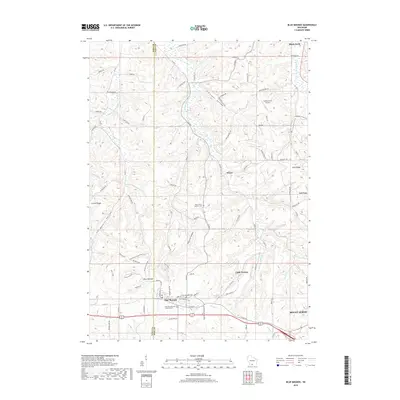 2018 Blue Mounds2018 Print · USGSThe Driftless Area of Dane and Iowa Counties comes into sharp focus during this era of modern mapping. Genealogists and historians can locate family sites at Saint James Catholic Cemetery, the settlement of Pokerville, and the historic Little Norway.
 - 2018 Map of Cross Plains, 2018 Print
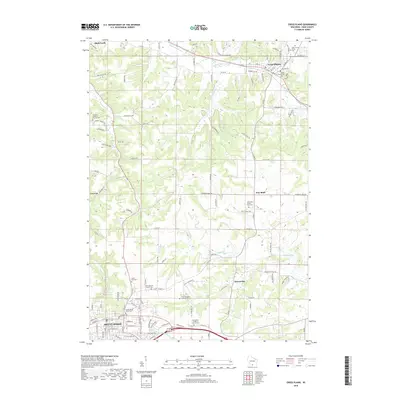 2018 Cross Plains2018 Print · USGSDane County's driftless-edge landscapes are captured here in the late twenty-teens, showing the enduring rural character between Mount Horeb and Cross Plains. Researchers can locate numerous historic sites including Springdale Lutheran Church and the Saint Mary of Pine Bluff Cem.
 - 2022 Map of Blue Mounds, 2022 Print
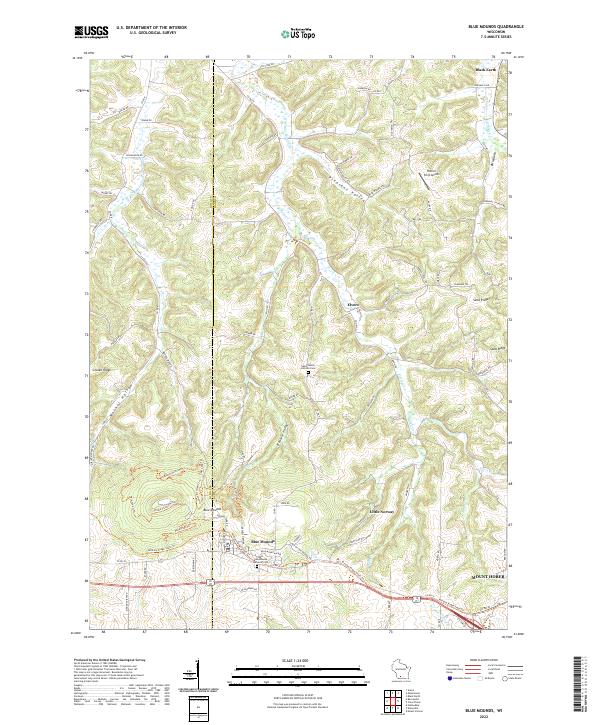 2022 Blue Mounds2022 Print · USGSSouthwestern Wisconsin's high-relief landscape comes alive in this contemporary survey of the Driftless Area. Local researchers can trace family landmarks and historical sites from Blue Mounds to Mount Horeb, including the Saint James Catholic Cem.
 - 2022 Map of Cross Plains, 2022 Print
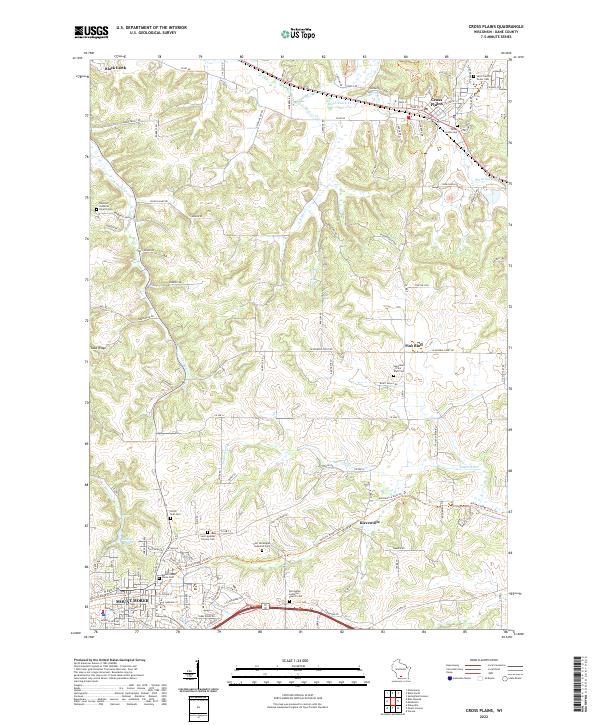 2022 Cross Plains2022 Print · USGSDane County's driftless-edge landscape is shown here in the 2020s, centered on the villages of Cross Plains and Mount Horeb. Genealogists and historians can trace numerous rural burial grounds and parishes, including Saint Francis Xavier Cem and Springdale Lutheran Church Cem.
End of results
Showing maps 1-21 of 21
Frequently asked questions
- What are the different types of historical maps available for Mound View Addition?
- What is the oldest map of Mound View Addition?
- Where can I purchase historical maps of Mound View Addition for my home or office?
- Where can I download high-res historical maps of Mound View Addition?
- Are there historical topographic maps available for Mound View Addition?
- Is there historical aerial imagery available for Mound View Addition?
- Where are historical maps of Mound View Addition sourced from?