Old Maps of Oakland, Wisconsin for Metal Detecting
Plan your next treasure hunt with 42 historic maps of Oakland. Find old homesites, ghost towns, trails, and gathering spots that may be lost to time — perfect for identifying promising metal detecting locations.
- Locate forgotten sites: Uncover places like long-lost settlements, abandoned rail lines, or gathering spots.
- Plan better hunts: Use map overlays combined with LiDAR or satellite views to narrow in on historically rich areas.
- Made for detectorists: Thousands of hobbyists use these maps to discover relics, coins, and hidden history.
Use these historic maps to boost your research and find new opportunities beneath the surface of Oakland.
Oakland, WI maps
(42)- 1915 Map of Superior
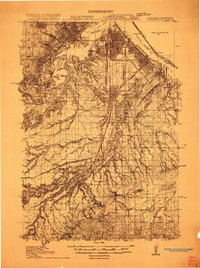 1915 Superior1915 Print · USGSThe Twin Ports region at the peak of the industrial era shows a landscape defined by massive rail yards and shoreline development. Genealogists and historians can locate early neighborhoods like Morgan Park, find rural landmarks like Saunders Cem, and trace the numerous lines of the Northern Pacific railroad.2 unique versions available
 - 1917 Map of Superior
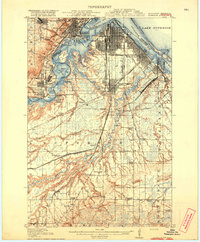 1917 Superior1917 Print · USGSThe Twin Ports region at the height of its industrial boom reveals a landscape of massive rail yards and shipping docks. Trace the development of South Superior and Steelton, or locate early rural landmarks like Selden School and Manitou Falls.3 unique versions available
 - 1945 Map of Solon Springs, 1957 Print
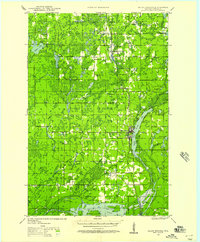 1945 Solon Springs1957 Print · USGSWisconsin's headwaters region comes to life in the 1940s, showing the early infrastructure and wilderness of Douglas County. Researchers can trace the Old Portage Tr, locate the Sieur du Lhut Monument, and find vanished schoolhouses like Ibsen Sch.
 - 1949 Map of Solon Springs
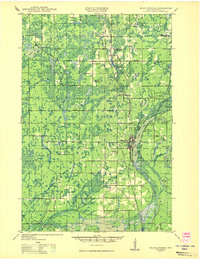 1949 Solon Springs1949 Print · USGSNorthwestern Wisconsin at the end of the 1940s reveals a landscape of timber, rail, and water centered on the St. Croix headwaters. Genealogists and historians can locate rural landmarks like New Hawthorne Cem, Roosevelt Sch, and the Sieur du Lhut Monument near the rail lines at Sauntry.
 - 1949 Map of Patzau
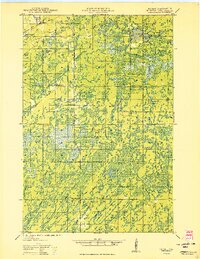 1949 Patzau1949 Print · USGSNorthwestern Wisconsin’s Douglas County is captured here in the late 1940s, a landscape defined by the expansive Empire Swamp and active rail corridors. Genealogists and researchers can trace rural life through the locations of the Amnicon Lake School, the settlement of Patzau, and the Summit Firetower.
 - 1949 Map of Poplar
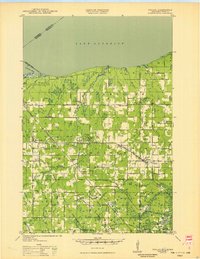 1949 Poplar1949 Print · USGSCoastal Douglas County in the late 1940s reveals a landscape of lakeside industry and rural townships organized along the major rail lines. Genealogists and local researchers can trace family roots through landmarks like the Middle River Sanitarium, Lakeside Cem, and the Hawthorne Tabernacle.
 - 1953 Map of Ashland, 1964 Print
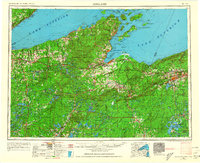 1953 Ashland1964 Print · USGSNorthern Wisconsin's lakefront and timberlands are seen here in the mid-1950s, showing the intersection of industrial rail lines and vast wilderness. Genealogists and historians can trace the Soo Line through rail towns like Mellen or locate family roots in the Apostle Islands and Bad River Indian Reservation.3 unique versions available
 - 1953 Map of Duluth, 1964 Print
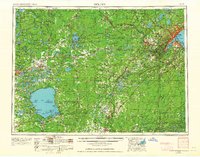 1953 Duluth1964 Print · USGSNortheastern Minnesota and northwestern Wisconsin are shown here during a period of industrial maturity and expanding conservation. Genealogists and historians can trace rail-connected towns like McGrath and Wahkon, or locate heritage sites within the Fond du Lac Indian Reservation.2 unique versions available
 - 1954 Map of Sunnyside, 1955 Print
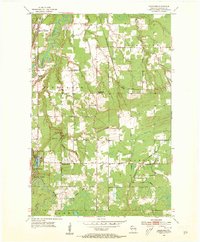 1954 Sunnyside1955 Print · USGSDouglas County landscape in the mid-1950s shows a region of heavy timber, active rail junctions, and the early development of Pattison State Park. Genealogists and hikers can trace old landmarks like the Manitou Falls Ch, Nemadji Sch, and the winding Old Railroad Grade.2 unique versions available
 - 1954 Map of Amnicon Lake, 1955 Print
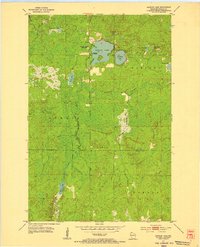 1954 Amnicon Lake1955 Print · USGSDouglas County’s wilderness in the early fifties reveals a landscape of glacial lakes and remnants of early industry. Genealogists and historians can trace the Old Railroad Grade or locate the site of the Amnicon Lake Sch near the shores of Amnicon Lake.2 unique versions available
 - 1954 Map of South Range, 1955 Print
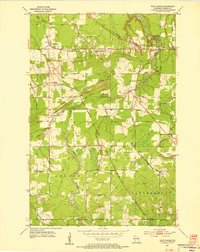 1954 South Range1955 Print · USGSDouglas County in the mid-fifties is captured here during a period of steady rail transport and local industrial activity. Researchers can locate the Middle River Sanatorium, the Oakland Ch, and trace old railroad grades near Rockmont and Hines.2 unique versions available
 - 1954 Map of Lyman Lake, 1955 Print
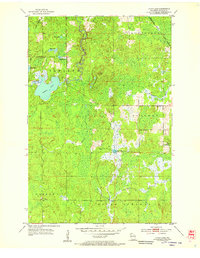 1954 Lyman Lake1955 Print · USGSDouglas County’s dense timber and lake country is captured here during the mid-fifties, before major shoreline development. Trace the route of the Minneapolis St Paul and Sault Ste Marie railroad or locate early landmarks like Pikes Peak and Lyman Lake.
 - 1954 Map of Superior, 1959 Print
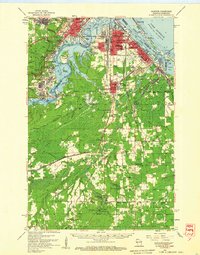 1954 Superior1959 Print · USGSThe Twin Ports and Douglas County are captured in the mid-fifties, showing the industrial waterfronts and rail yards at their peak. Researchers can locate vanished landmarks like the Concrete Sch or trace family roots at St Joseph Orphanage and Morgan Park.
 - 1955 Map of Patzau, 1957 Print
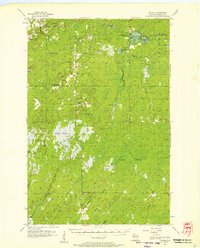 1955 Patzau1957 Print · USGSDouglas County in the mid-fifties is characterized by its expansive wetlands and the meeting of major rail lines like the Great Northern Railroad. Genealogists can trace several old school sites, including McCreary Sch and Chaffey Sch, located near Moose Junction.3 unique versions available
 - 1958 Map of Ashland
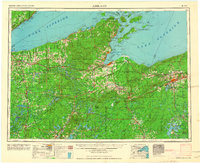 1958 Ashland1958 Print · USGSCoastal Wisconsin and the Michigan borderlands meet here in the late fifties, dominated by the timbered expanses and iron-rich ranges. Genealogists can trace family footprints in settlements like Odanah and Montreal, or locate landmarks such as the Coast Guard Station and Agricultural Experiment Station.
 - 1958 Map of Duluth
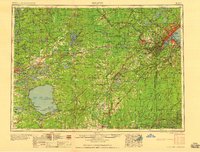 1958 Duluth1958 Print · USGSNortheastern Minnesota and the Wisconsin borderlands are shown in detail during the late 1950s, centered on the bustling rail yards and ports of Duluth. You can trace the historic routes of the Soo Line and Duluth Missabe & Iron Range through small towns like McGrath, Bruno, and Wrenshall.
 - 1961 Map of Lyman Lake, 1962 Print
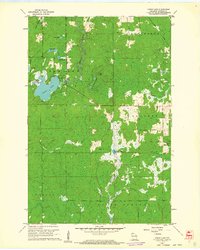 1961 Lyman Lake1962 Print · USGSDouglas County’s wilderness in the early sixties is a landscape of glacial lakes and river forks waiting to be explored. Trace the drainage of the Amnicon River or locate remote landmarks like the Bennett Lookout Tower and Three Bucks Lakes.2 unique versions available
 - 1961 Map of Solon Springs, 1963 Print
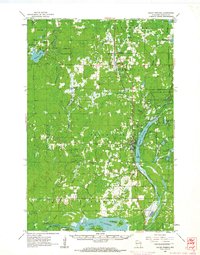 1961 Solon Springs1963 Print · USGSNorthern Wisconsin lake country is captured in the early sixties, centered on the community of Solon Springs and the headwaters of the St. Croix. Genealogists can locate Evergreen Cem and Bennett Cem while tracing the Chicago and North Western rail line.2 unique versions available
 - 1980 Map of Port Wing
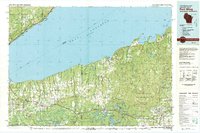 1980 Port Wing1980 Print · USGSThe Lake Superior shoreline and the deep forests of Bayfield and Douglas counties are captured here in the early eighties. Genealogists and historians can trace the rail lines through Iron River or locate the lakeside landings at Cornucopia and Port Wing.
 - 1980 Map of Sandstone
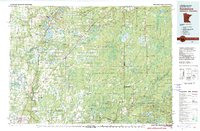 1980 Sandstone1980 Print · USGSPine County and the Minnesota-Wisconsin borderlands are shown here in the early eighties as a region of dense state forests and river corridors. Genealogists and historians can trace rail-town development along the Burlington Northern including Sandstone, Askov, and Hinckley.
 - 1980 Map of Duluth
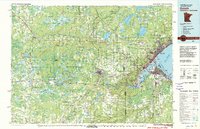 1980 Duluth1980 Print · USGSThe Twin Ports of the early 1980s showcase a landscape defined by heavy rail lines and Lake Superior shipping. Trace the iron-ore routes through Proctor or locate family sites near Sunrise Memorial Cem and Floodwood.
 - 1980 Map of Solon Springs
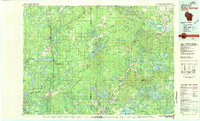 1980 Solon Springs1980 Print · USGSNorthern Wisconsin in the early eighties was a landscape of dense timber and sprawling glacial waters. Trace the legacy of the Chicago and North Western rail line through Solon Springs, Hayward, and Minong at this pivotal moment.
 - 2010 Map of Amnicon Lake, 2010 Print
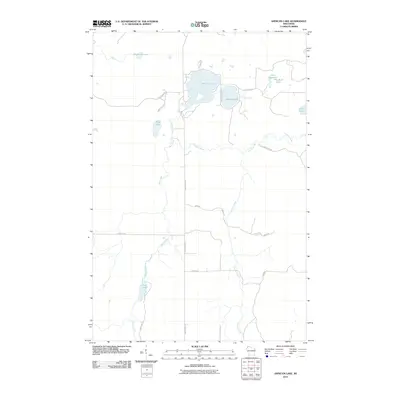 2010 Amnicon Lake2010 Print · USGSDouglas County’s watery landscape is meticulously detailed in this early 21st-century survey of the Northwoods. Genealogists and outdoorsmen can trace property access and remote water features along S County Hwy A near Amnicon Lake and Bear Lake.
 - 2010 Map of Sunnyside, 2010 Print
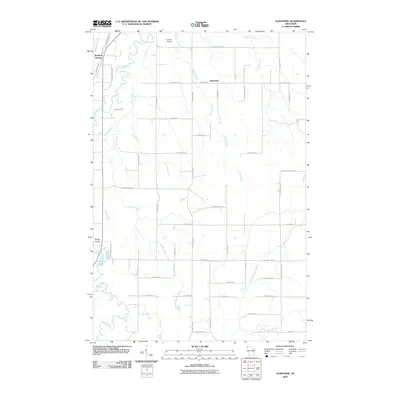 2010 Sunnyside2010 Print · USGSDouglas County near the southern reaches of Lake Superior is shown here at the start of the 2010s. Researchers can trace the watercourses of the Nemadji River and locate local landmarks such as Big Manitou Falls and Boylston Junction.
 - 2010 Map of Lyman Lake, 2010 Print
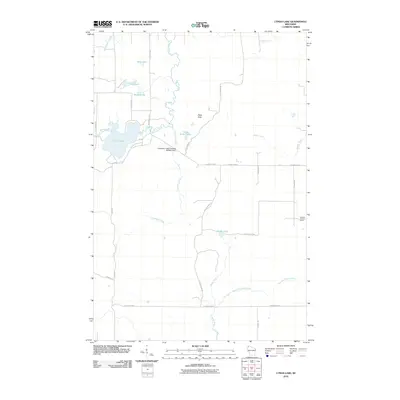 2010 Lyman Lake2010 Print · USGSDouglas County’s watery landscape is meticulously detailed in this early 21st-century record of the Hawthorne area. Local historians can trace the hydrology of the Amnicon River and locate landmarks like the Bennett Lookout Tower and Cranberry Creek Flowage 3WR402 Dam.
Showing maps 1-25 of 42
Top cities near Oakland
- Duluth historical maps
- Superior historical maps
- Parkland historical maps
- Hawthorne historical maps
- Gordon historical maps
- Bennett historical maps
See more
Frequently asked questions
- What are the different types of historical maps available for Oakland?
- What is the oldest map of Oakland?
- Where can I purchase historical maps of Oakland for my home or office?
- Where can I download high-res historical maps of Oakland?
- Are there historical topographic maps available for Oakland?
- Is there historical aerial imagery available for Oakland?
- Where are historical maps of Oakland sourced from?