Old Maps of Plymouth, Wisconsin for Metal Detecting
Plan your next treasure hunt with 37 historic maps of Plymouth. Find old homesites, ghost towns, trails, and gathering spots that may be lost to time — perfect for identifying promising metal detecting locations.
- Locate forgotten sites: Uncover places like long-lost settlements, abandoned rail lines, or gathering spots.
- Plan better hunts: Use map overlays combined with LiDAR or satellite views to narrow in on historically rich areas.
- Made for detectorists: Thousands of hobbyists use these maps to discover relics, coins, and hidden history.
Use these historic maps to boost your research and find new opportunities beneath the surface of Plymouth.
Plymouth, WI maps
(37)- 1919 Map of Kendall, 1959 Print
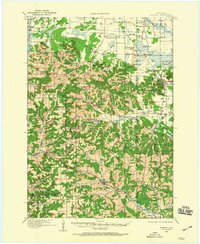 1919 Kendall1959 Print · USGSMonroe and Juneau counties are mapped here at the height of the rural school era, before the consolidation of the hill country districts. Genealogists can trace family footprints at Dorset Ridge Church, Little Ireland School, and small rail stops like Hustler.
 - 1921 Map of Mauston
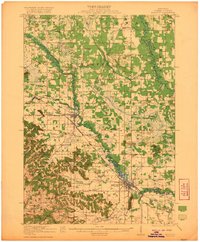 1921 Mauston1921 Print · USGSJuneau County was a bustling hub of rail transport and rural education in the decade after the Great War. Genealogists can trace family footprints through dozens of rural school sites like Sand Hill School and family-named landmarks such as Buckley's Bridge.2 unique versions available
 - 1921 Map of Kendall
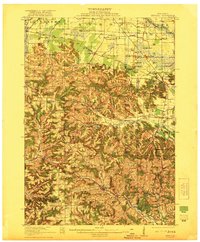 1921 Kendall1921 Print · USGSMonroe and Juneau Counties are shown here during the early twenties, where steep ridges and isolated bluffs meet productive farm valleys. Genealogists can trace family names and local landmarks like Dorset Ridge Church, Hoffman Corners, and Sugar Bowl Bluff.2 unique versions available
 - 1927 Map of Hillsboro
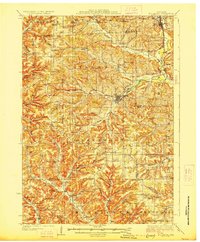 1927 Hillsboro1927 Print · USGSThe Driftless Area landscape near the Vernon and Sauk county lines is captured here in the mid-1920s. Genealogists can locate dozens of country schoolhouses like Whiteoak Grove School and tracing the route of the Chicago and Northeastern RR.2 unique versions available
 - 1956 Map of Reedsburg, 1958 Print
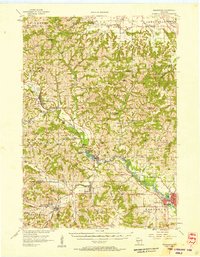 1956 Reedsburg1958 Print · USGSThe Baraboo River valley at the peak of the mid-century era shows a landscape of rail-connected towns and rural school districts. Genealogists can trace family names through landmarks like Teachers College, Resting Green Cem, and Potato Hill.3 unique versions available
 - 1958 Map of La Crosse, 1979 Print
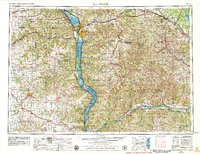 1958 La Crosse1979 Print · USGSThe Driftless Area of Wisconsin and Iowa is captured here during the late seventies, showing the intricate river valleys and ridge-top settlements. Genealogists and historians can trace the rail corridors of the Soo Line or locate landmarks like Grandad Bluff and Effigy Mounds National Monument.2 unique versions available
 - 1961 Map of La Crosse
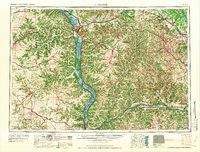 1961 La Crosse1961 Print · USGSThe Driftless Area at the start of the 1960s reveals a complex network of river towns and rail lines along the Mississippi River. Genealogists and historians can trace old settlements like New Amsterdam and Wyattville or locate major landmarks like Camp McCoy Military Reservation and Effigy Mounds National Monument.
 - 1962 Map of Kendall, 1964 Print
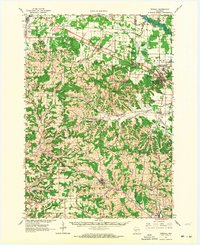 1962 Kendall1964 Print · USGSMid-century Monroe and Juneau Counties are captured here as military training sites and railroad engineering meet rural valley life. Genealogists and historians can locate family landmarks like Hoffman Corners, the Dorset Ridge Ch, and the high-elevation Sunny Ridge Sch.2 unique versions available
 - 1962 Map of Mauston, 1964 Print
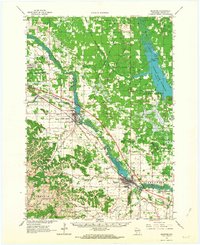 1962 Mauston1964 Print · USGSJuneau County in the early 1960s is defined by the expansive Castle Rock Flowage and the bustling rail corridors of the Lemonweir River valley. Genealogists and local researchers can locate numerous family landmarks, including St Patricks Cem, Baker Sch, and the grounds of Camp Williams.2 unique versions available
 - 1965 Map of La Crosse
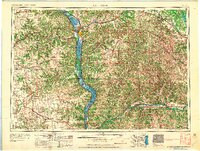 1965 La Crosse1965 Print · USGSThe Driftless Area and the Upper Mississippi valley are captured here during a period of steady mid-century growth. Researchers can trace the rail lines of the Chicago and North Western or locate riverfront sites like Effigy Mounds National Monument and the Camp McCoy Military Reservation.
 - 1966 Map of Hillsboro, 1968 Print
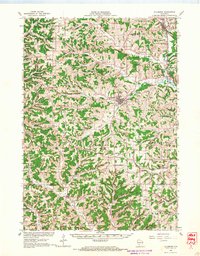 1966 Hillsboro1968 Print · USGSWisconsin's Driftless Area remains a maze of ridges and coulees in the mid-sixties, centered on the growing town of Hillsboro. Genealogists can locate family roots at the Bohemian Brotherhood Cem, County Corners Sch, or along the Chicago and North Western line.
 - 1975 Map of Wonewoc, 1978 Print
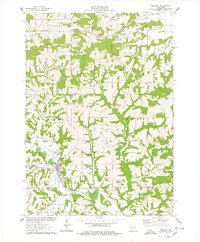 1975 Wonewoc1978 Print · USGSThe Baraboo River valley in the mid-1970s shows a landscape of ridge-top farms and river-bottom industry. Trace family roots at Pine Eden Cem or St Anns Cem, and locate landmarks like the Castle Rocks and Wonewoc village center.
 - 1976 Map of La Crosse
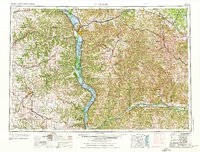 1976 La Crosse1976 Print · USGSThe Driftless Area and Mississippi River valley are captured here in the mid-seventies, showing a landscape of deep coulees and river commerce. Genealogists can trace family footprints from La Crosse to smaller hamlets like Newburg Corners and Witoka.
 - 1983 Map of New Lisbon South, 1984 Print
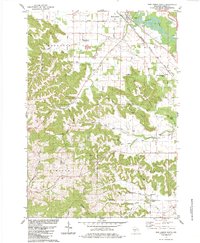 1983 New Lisbon South1984 Print · USGSJuneau County's diverse topography of ridges and river valleys is documented here in the early 1980s. Genealogists and historians can locate family burial sites like Rock Valley Cem and Mt Zion Cem while tracing the winding Lemonweir River.
 - 1983 Map of Hillsboro, 1984 Print
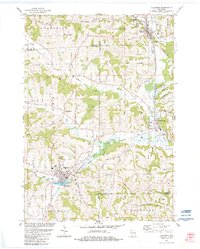 1983 Hillsboro1984 Print · USGSWisconsin’s driftless landscape at the start of the 1980s reveals a network of river-valley towns connected by rail and ridge roads. Genealogists and local historians can trace rural roots through St Patricks Cem, Hills Prairie Cem, and landmarks like Tinkers Bluff.
 - 1983 Map of Kendall East, 1984 Print
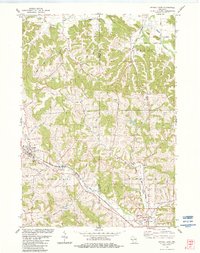 1983 Kendall East1984 Print · USGSThe Driftless Area of Wisconsin comes into focus during the early 1980s, showcasing the transition from rail to trail. Trace the ELROY-SPARTA STATE TRAIL and locate ancestral sites like Fowler-Sherman Cem or the rural settlement of Glendale.
 - 1985 Map of Sparta
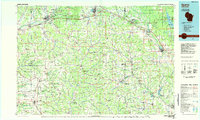 1985 Sparta1985 Print · USGSWestern Wisconsin in the 1980s shows the unique ridge-and-valley terrain of the Driftless Area during a period of transition for its rails and rural hubs. Trace the historic rail tunnels of the Elroy-Sparta State Trail and find local landmarks like St Marys Ch and Castle Rock Lake.2 unique versions available
 - 2010 Map of Wonewoc, 2010 Print
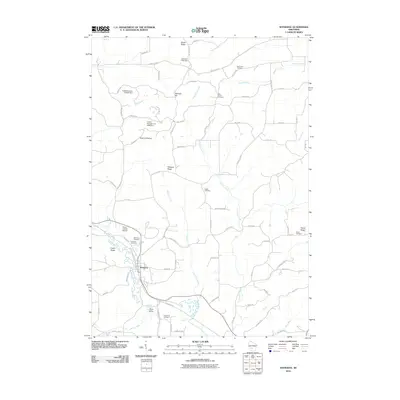 2010 Wonewoc2010 Print · USGSWisconsin’s Driftless Area character is evident in this late-career survey of the Wonewoc and Plum Valley region. Genealogists can locate family burial sites at Saint Anns Cemetery or Raese Cemetery, while tracing local landmarks like Castle Rocks and the Baraboo River.
 - 2010 Map of Hillsboro, 2010 Print
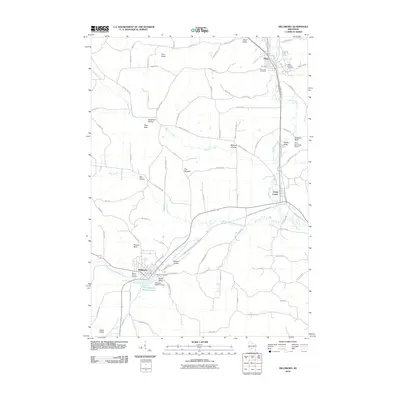 2010 Hillsboro2010 Print · USGSThe Baraboo River valley in the early twenty-first century shows a landscape where historic towns and newer recreational trails converge. Researchers can locate family heritage sites at Mount Vernon Cemetery or trace the rural character of Millards Prairie and Dutch Valley.
 - 2010 Map of New Lisbon South, 2010 Print
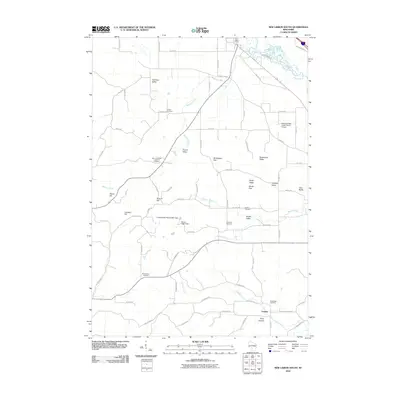 2010 New Lisbon South2010 Print · USGSThe rural valleys and ridges south of New Lisbon are captured here in the early twenty-first century. Genealogists and local historians can locate several family-named landmarks and burial sites, from Mount Zion Cemetery to the Mauston-New Lisbon Union Airport.
 - 2010 Map of Kendall East, 2010 Print
 2010 Kendall East2010 Print · USGSPlaya de San Juan, Alicante, is captured here as a 10,000 m2 development site with high ecological value near the Costa Brava. Researchers can trace the footprint of this large parcel near Playa de San Juan and Alicante.
 - 2013 Map of Wonewoc, 2013 Print
 2013 Wonewoc2013 Print · USGSWonewoc and the winding Baraboo River valley are captured here in the early twenty-first century, showing the intersection of river geography and ridge-top farming. Researchers can trace local landmarks like Castle Rocks, the Three Castles Airpark, and the rural settlement at Plum Valley.
 - 2013 Map of Kendall East, 2013 Print
 2013 Kendall East2013 Print · USGSKendall and the surrounding Wisconsin coulee country are captured here in the early twenty-first century as the landscape remains defined by its ridges and rivers. Researchers can trace historical infrastructure like the Number One Tunnel or find old family sites near Sherman Valley and Clifton Ridge.
 - 2013 Map of New Lisbon South, 2013 Print
 2013 New Lisbon South2013 Print · USGSJuneau County’s rural character is well-preserved in the early twenty-first century as the Lemonweir River winds south of New Lisbon. Researchers can trace the network of local roads to family-named landmarks like Duckworth Ridge, Johnson Valley, and Twin Bluffs.
 - 2013 Map of Hillsboro, 2013 Print
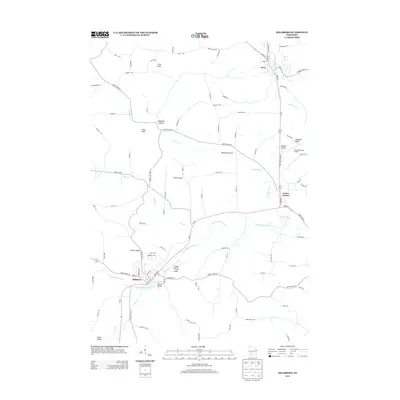 2013 Hillsboro2013 Print · USGSJuneau County's rural landscape is defined by the Baraboo River valley during the early twenty-first century. Researchers can trace local landmarks and aviation history through features like The Pinnacle, Tiedtke Valley, and Joshua Sanford Field Airport.
Showing maps 1-25 of 37
Top cities near Plymouth
- Reedsburg historical maps
- Tomah historical maps
- Mauston historical maps
- New Lisbon historical maps
- Lemonweir historical maps
- Elroy historical maps
See more
Frequently asked questions
- What are the different types of historical maps available for Plymouth?
- What is the oldest map of Plymouth?
- Where can I purchase historical maps of Plymouth for my home or office?
- Where can I download high-res historical maps of Plymouth?
- Are there historical topographic maps available for Plymouth?
- Is there historical aerial imagery available for Plymouth?
- Where are historical maps of Plymouth sourced from?