Old Maps of West La Crosse, Wisconsin
Explore 15 old maps of West La Crosse, spanning from 1930 to today. These high-resolution historic maps reveal how streets, neighborhoods, landmarks, and natural features evolved over time — perfect for genealogy, metal detecting, research, and local history exploration.
What you can do with these maps:
- See how West La Crosse changed over time: Compare historical maps to modern-day views to trace roads, homesites, rail lines & more.
- View detailed metadata: Each map includes creators, publishers, year, scale, and archive source.
- Overlay maps with satellite & LiDAR: Visualize the past alongside modern tools to explore terrain & human change.
- Trusted historical sources: Maps sourced from the USGS, Library of Congress, and other archives.
- Access maps your way: View online, download high-res files, or order prints for personal or research use.
Start exploring old maps of West La Crosse to uncover forgotten places, hidden landmarks, and the deep history beneath your feet.
West La Crosse, WI maps
(15)- 1930 Map of La Crescent
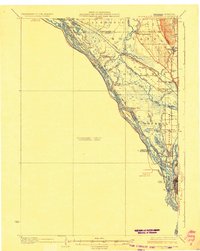 1930 La Crescent1930 Print · USGSAs the Mississippi and Black Rivers met in the late twenties, this survey captured a world of river-bottom sloughs and busy rail junctions. Genealogists can trace early homesteads and schools like Oak Grove Sch, while exploring the vanished river paths of Bullet Chute and New Amsterdam.3 unique versions available
 - 1956 Map of La Crescent, 1958 Print
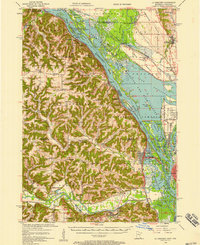 1956 La Crescent1958 Print · USGSThe Mississippi River borderlands thrive in the mid-fifties, showing the transition from the high ridges of Houston and Winona counties to the Wisconsin prairie. Genealogists can trace family names across South Ridge Ch, Loretta Sch, and cemeteries like Crucifixion Cem.2 unique versions available
 - 1958 Map of La Crosse, 1979 Print
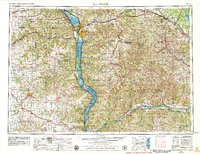 1958 La Crosse1979 Print · USGSThe Driftless Area of Wisconsin and Iowa is captured here during the late seventies, showing the intricate river valleys and ridge-top settlements. Genealogists and historians can trace the rail corridors of the Soo Line or locate landmarks like Grandad Bluff and Effigy Mounds National Monument.2 unique versions available
 - 1961 Map of La Crosse
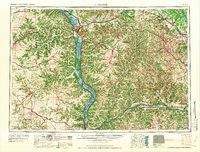 1961 La Crosse1961 Print · USGSThe Driftless Area at the start of the 1960s reveals a complex network of river towns and rail lines along the Mississippi River. Genealogists and historians can trace old settlements like New Amsterdam and Wyattville or locate major landmarks like Camp McCoy Military Reservation and Effigy Mounds National Monument.
 - 1965 Map of La Crosse
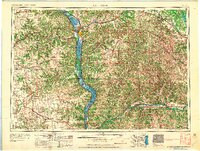 1965 La Crosse1965 Print · USGSThe Driftless Area and the Upper Mississippi valley are captured here during a period of steady mid-century growth. Researchers can trace the rail lines of the Chicago and North Western or locate riverfront sites like Effigy Mounds National Monument and the Camp McCoy Military Reservation.
 - 1973 Map of La Crescent, 1976 Print
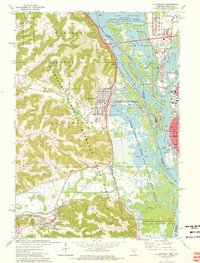 1973 La Crescent1976 Print · USGSThe Mississippi River valley in the early seventies shows a complex landscape of island refuges and bluff-side settlements. Genealogists and historians can trace the tracks of the Chicago Milwaukee St Paul and Pacific and locate historic sites like Crucifixion Cem or Hokah.
 - 1976 Map of La Crosse
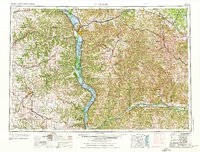 1976 La Crosse1976 Print · USGSThe Driftless Area and Mississippi River valley are captured here in the mid-seventies, showing a landscape of deep coulees and river commerce. Genealogists can trace family footprints from La Crosse to smaller hamlets like Newburg Corners and Witoka.
 - 1984 Map of La Crosse, 1985 Print
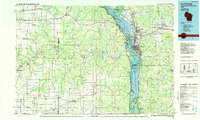 1984 La Crosse1985 Print · USGSThe Driftless Area of the upper Mississippi valley appears here in the mid-eighties, showing the tri-state intersections of Wisconsin, Minnesota, and Iowa. Genealogists and local historians can trace family-named landmarks such as Peacock Ridge or Prosch Coulee and locate rural landmarks like St Marys Ch.
 - 1990 Map of La Crosse, 1991 Print
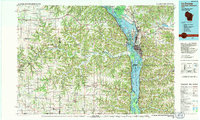 1990 La Crosse1991 Print · USGSThe tri-state river valley at the end of the twentieth century shows a landscape defined by the Mississippi River and heavy rail. Trace the paths of the Soo Line and Burlington Northern through river towns like Brownsville and La Crescent.
 - 1991 Map of La Crescent, 1995 Print
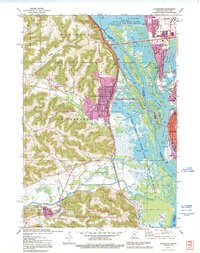 1991 La Crescent1995 Print · USGSThe Mississippi River valley in the early 1990s reveals a intricate landscape of island settlements and wildlife refuges between Minnesota and Wisconsin. You can trace old railroad lines like the Soo Line and locate historic sites such as Crucifixion Cem and Summit Sch.
 - 2010 Map of La Crescent, 2010 Print
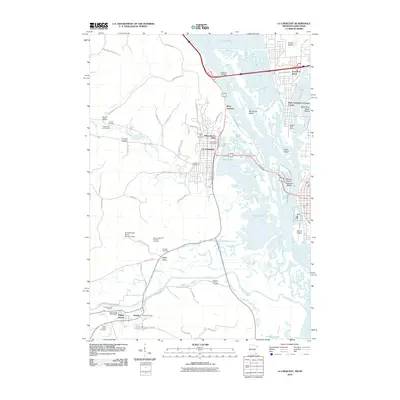 2010 La Crescent2010 Print · USGSThe Mississippi River borderlands are captured here in the early twenty-first century, showing the complex web of islands and channels between Minnesota and Wisconsin. Genealogists can trace family burial sites like Toledo Cemetery and Crucifixion Cemetery or locate the Hokah Post Office.
 - 2013 Map of La Crescent, 2013 Print
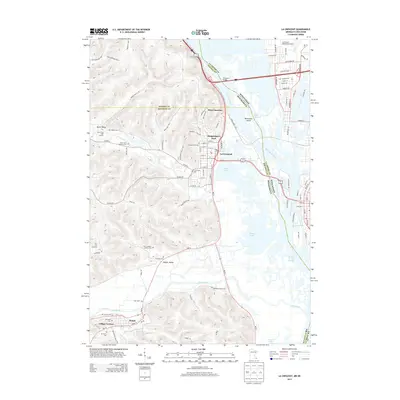 2013 La Crescent2013 Print · USGSThe Mississippi River borderlands between Minnesota and Wisconsin are captured here in the early twenty-first century. Family historians can locate numerous burial grounds like Hoffman Family Cem and Prospect Hill Cem, or trace the rail and road connections at River Junction.
 - 2016 Map of La Crescent, 2016 Print
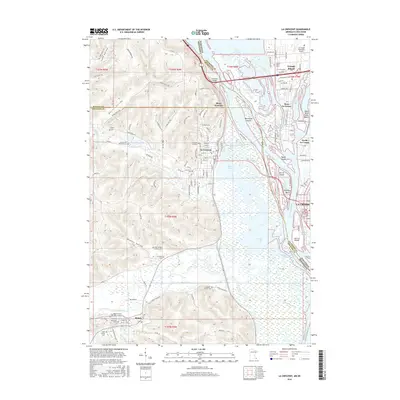 2016 La Crescent2016 Print · USGSThe Upper Mississippi River valley at the Minnesota-Wisconsin border reveals a complex world of islands and sloughs in the mid-2010s. Genealogists can trace family sites like Hoffman Family Cem or Mount Calvary Cem, while researchers can locate river landmarks from Isle La Plume to the Dresbach Bridge.
 - 2019 Map of La Crescent, 2019 Print
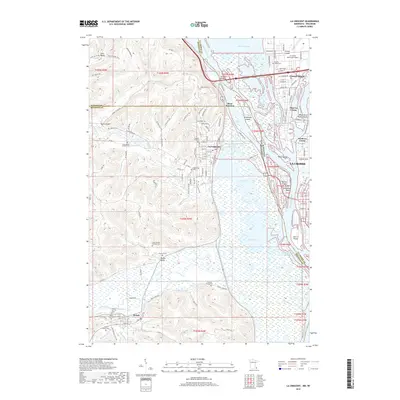 2019 La Crescent2019 Print · USGSThe river bluffs and Mississippi islands are in high detail here during the late 2010s. Genealogists can locate several historic burial sites like Crucifixion Cem and Mount Calvary Cem, or trace the winding course of the Root River past Hokah.
 - 2022 Map of La Crescent, 2022 Print
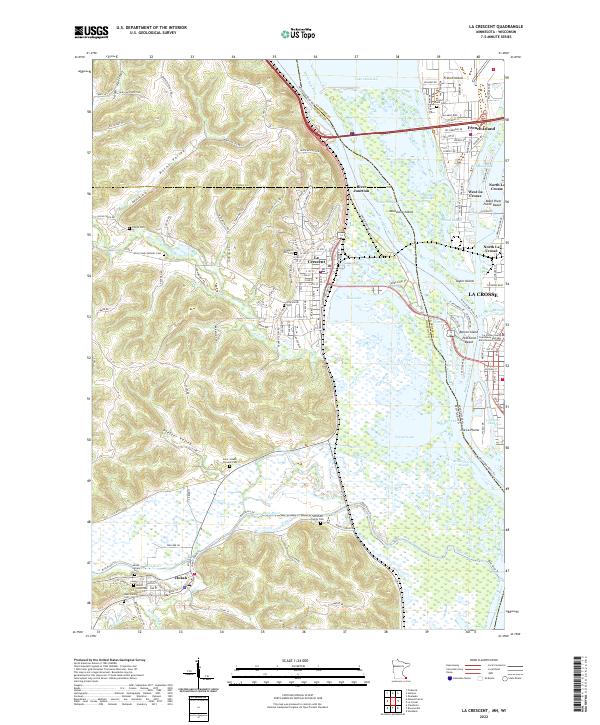 2022 La Crescent2022 Print · USGSThe riverfronts of Minnesota and Wisconsin meet here at the start of the 2020s, showing a landscape defined by braided waterways and bluff-side settlements. Researchers can locate numerous family and parish burial grounds, including the Hoffman Family Cem and Saint Joseph Convent Cem, alongside the industrial rail corridor of the CP Rail.
End of results
Showing maps 1-15 of 15
Top cities near West La Crosse
- La Crosse historical maps
- Onalaska historical maps
- Holmen historical maps
- West Salem historical maps
- La Crescent historical maps
- Shelby historical maps
See more
Frequently asked questions
- What are the different types of historical maps available for West La Crosse?
- What is the oldest map of West La Crosse?
- Where can I purchase historical maps of West La Crosse for my home or office?
- Where can I download high-res historical maps of West La Crosse?
- Are there historical topographic maps available for West La Crosse?
- Is there historical aerial imagery available for West La Crosse?
- Where are historical maps of West La Crosse sourced from?