Old Maps of Easton, Wisconsin for Genealogy
Trace your family roots with 34 historic maps of Easton. These high-res maps reveal old neighborhoods, homesites, landmarks, and streets — helping you uncover where your ancestors lived and how the area evolved over time.
- Explore historic neighborhoods: Identify where your relatives may have lived in the 1800s or 1900s.
- Compare maps over time: Trace the changes in streets, buildings, and landmarks for multi-generational research.
- Perfect for genealogy & ancestry research: Used by family historians and researchers to map out lineage and migration.
These maps are an incredible resource for exploring your personal connection to Easton's past.
Easton, WI maps
(34)- 1899 Map of Wausau, 1956 Print
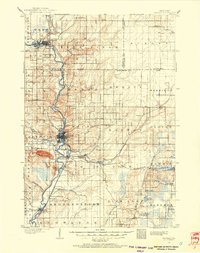 1899 Wausau1956 Print · USGSMarathon County was a bustling timber and rail corridor at the turn of the century, anchored by the river power of Wausau and Merrill. Researchers can trace early logging lines like the Bull Dessert Logging R R and find vanished stops such as Dessert Junction and Nutterville.
 - 1902 Map of Wausau
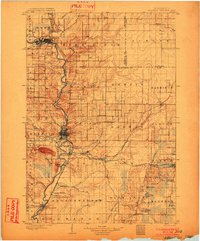 1902 Wausau1902 Print · USGSWisconsin’s timber and rail heartland is meticulously documented at the turn of the century as Wausau and Merrill expand along the river. Genealogists can trace early homesteads and rail stops like Schofield, Granite Heights, and the grounds of the State Insane Asylum.2 unique versions available
 - 1951 Map of Doering, 1954 Print
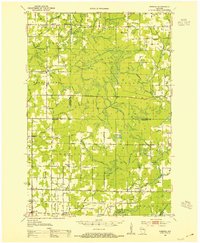 1951 Doering1954 Print · USGSNorthwoods rural life is captured here in the early fifties across the intersection of Lincoln, Langlade, and Marathon counties. Genealogists can trace family footprints near Nutterville, Kalinke, and several country schools like Farrell Sch.2 unique versions available
 - 1953 Map of Hatley, 1955 Print
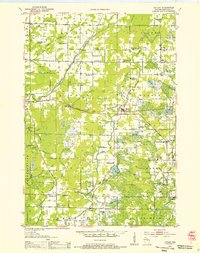 1953 Hatley1955 Print · USGSMarathon County's eastern farming and timber lands are captured here in the early fifties as the rural school system began to consolidate. Genealogists can trace family footprints at St Francis Cem or follow the old Chicago and North Western rail line through Hatley.
 - 1954 Map of Iron Mountain, 1964 Print
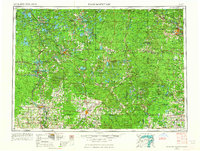 1954 Iron Mountain1964 Print · USGSUpper Michigan and Northeastern Wisconsin are shown in detail during the mid-fifties, when the logging and mining economies still moved by rail. Trace the rail lines of the Soo Line to remote stops like Koepenick Station or explore the Iron Range near Iron Mountain.2 unique versions available
 - 1955 Map of Green Bay, 1968 Print
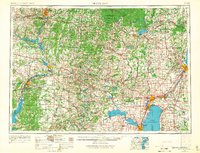 1955 Green Bay1968 Print · USGSCentral and Eastern Wisconsin are captured here in the mid-fifties, showing the industrial growth of the Fox Valley and Wisconsin River corridors. Genealogists and historians can trace rail lines like the Green Bay and Western through settlements like Weyauwega, Clintonville, and Pulaski.2 unique versions available
 - 1959 Map of Iron Mountain
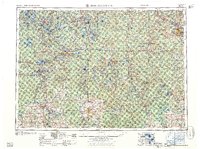 1959 Iron Mountain1959 Print · USGSThe northwoods of Wisconsin and the Michigan border are captured here in the mid-fifties, showing a landscape defined by timber, water, and rail. Researchers can trace historic junctions like Hiles Junction, the expansive Nicolet National Forest, and lakefront settlements from Rhinelander to Tomahawk.2 unique versions available
 - 1964 Map of Hatley, 1966 Print
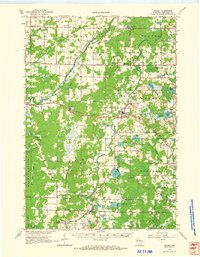 1964 Hatley1966 Print · USGSMarathon County in the mid-1960s reveals a rural landscape defined by the Chicago and North Western Railroad and glacial lake clusters. Researchers can locate family landmarks like Forestville Cem, Easton Sch, and the Elderon Lookout Tower.
 - 1973 Map of Kalinke, 1976 Print
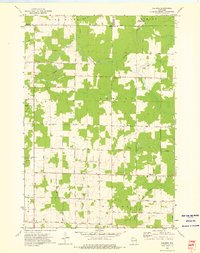 1973 Kalinke1976 Print · USGSIn the early 1970s, the rural crossroads of Marathon County supported a quiet network of family farms and river-fed wetlands. Genealogists and local historians can locate early institutions like Zion Ch, Trinity Cem, and the Hewitt Texas Sch.
 - 1973 Map of Hogarty, 1976 Print
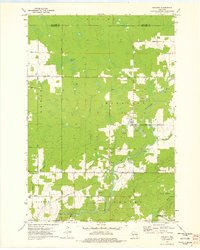 1973 Hogarty1976 Print · USGSMarathon and Langlade counties come into focus in the early seventies, showing a landscape of timber, stone, and river water. Researchers can trace rural life through the Bethany Ch, an Old RR Grade, and the Aniwa Lookout Tower.
 - 1982 Map of Hatley
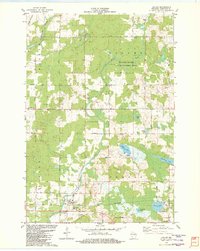 1982 Hatley1982 Print · USGSThe village of Hatley and the community of Norrie are shown here in the early eighties as the railroad still influenced the local layout. Researchers can trace family history at St Florian Sch Cem or explore the shores of Go-To-It Lake and the Plover River.
 - 1982 Map of Ringle
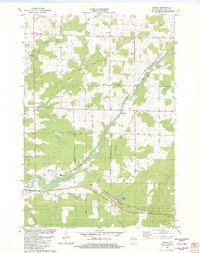 1982 Ringle1982 Print · USGSMarathon County in the early eighties shows a landscape of river-valley industry and quiet crossroads communities. You can trace the Chicago and North Western line through Ringle or locate local landmarks like Easton Sch and the Forestville Cem.
 - 1984 Map of Wausau, 1990 Print
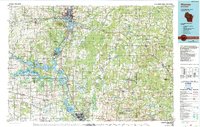 1984 Wausau1990 Print · USGSMarathon and Portage counties come into focus during the mid-eighties as industrial river towns and sprawling conservation areas define the Central Wisconsin landscape. Researchers can trace the rail corridors of the Soo Line or locate rural landmarks like Rib Mountain State Park and St Marys Cem.
 - 1990 Map of Merrill, 1991 Print
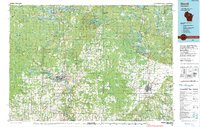 1990 Merrill1991 Print · USGSWisconsin's Northwoods transition from timber industry to recreation in the 1990s, centered on the river corridors of Lincoln and Langlade counties. Genealogists and historians can trace rail history along the Soo Line and Old RR Grade between Merrill and Antigo.
 - 2010 Map of Ringle, 2010 Print
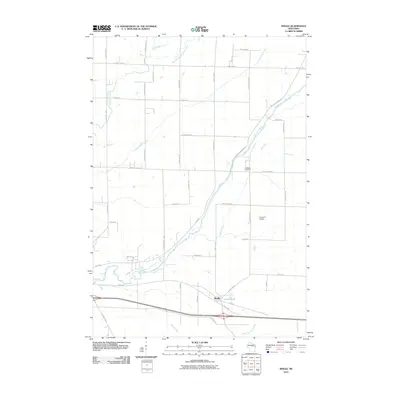 2010 Ringle2010 Print · USGSMarathon County is shown in detail during the early 21st century, centered on the village of Ringle. Genealogists and local historians can trace family landmarks like the Forestville Cemetery or follow the paths of the Eau Claire River and Big Sandy Creek.
 - 2010 Map of Hatley, 2010 Print
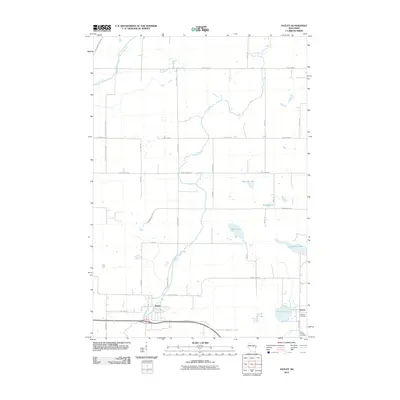 2010 Hatley2010 Print · USGSMarathon County’s rural eastern reaches are captured here in the early twenty-first century as the landscape transitions from the Plover River wetlands to small settlements. Genealogists can trace family footprints near Hatley and Norrie, or locate historic burials at Hillcrest Cemetery.
 - 2010 Map of Hogarty, 2010 Print
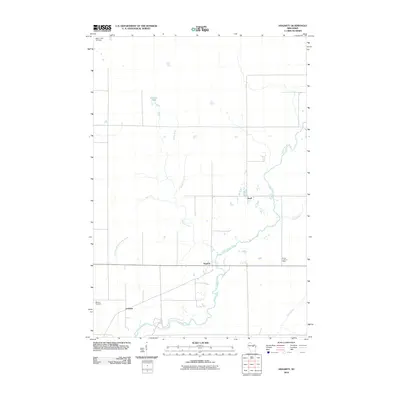 2010 Hogarty2010 Print · USGSMarathon County's rural river valleys are captured here in the early twenty-first century, documenting a landscape shaped by small agricultural hubs. Genealogists and local researchers can locate Bethany Cemetery, the Aniwa Lookout Tower, and the settlement of Hogarty.
 - 2010 Map of Kalinke, 2010 Print
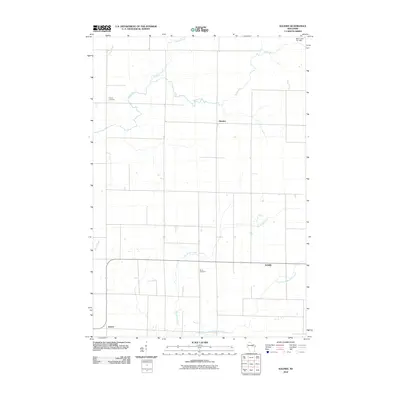 2010 Kalinke2010 Print · USGSPine River and the surrounding Wisconsin countryside are captured here in the early twenty-first century, showing a landscape of quiet crossroads and winding waterways. Researchers can locate family landmarks like Trinity Cemetery and trace the paths of Big Sandy Creek and the Trappe River.
 - 2013 Map of Hatley, 2013 Print
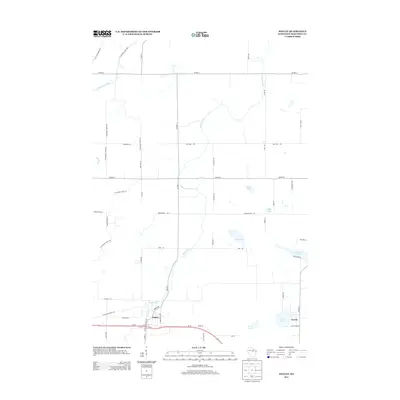 2013 Hatley2013 Print · USGSMarathon County’s glaciated landscape comes into focus in this early twenty-first-century survey of the Hatley and Norrie area. Trace the winding Plover River and the local road network connecting Hatley to historic sites like Norrie Lake and the Ice Age Natl Scenic Trl.
 - 2013 Map of Ringle, 2013 Print
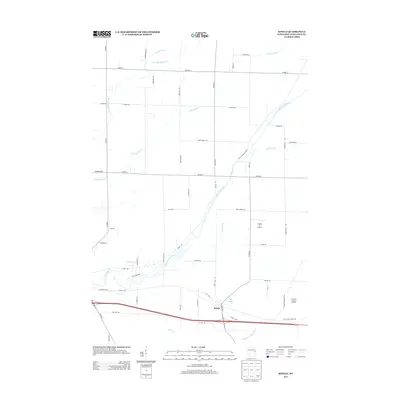 2013 Ringle2013 Print · USGSMarathon County's river valleys and rural crossroads are captured here during the early twenty-first century. Genealogists and local historians can trace family-named roads and landmarks like Ringle, the Flying 'O' Airport, and the winding Eau Claire River.
 - 2013 Map of Hogarty, 2013 Print
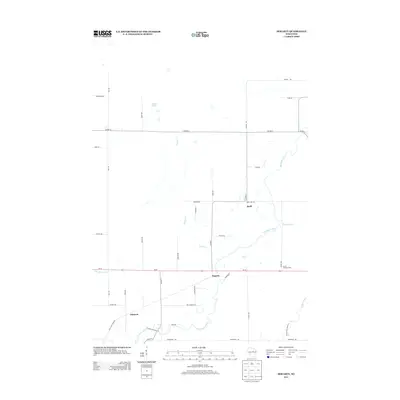 2013 Hogarty2013 Print · USGSMarathon County in the early twenty-first century reveals a quiet landscape of river valleys and rural junctions. Genealogists and hikers can trace the Ice Age Natl Scenic Trl near Hogarty and locate local landmarks like the Aniwa Lookout Tower.
 - 2013 Map of Kalinke, 2013 Print
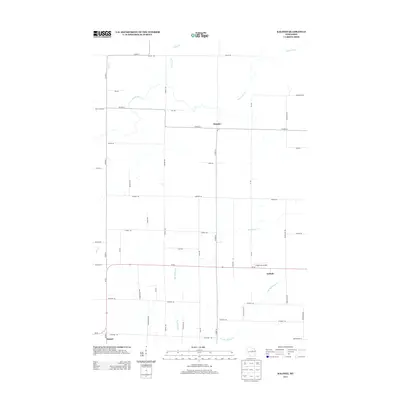 2013 Kalinke2013 Print · USGSMarathon and Lincoln counties meet in this 2013 survey, capturing the rural character of the Wisconsin heartland. Genealogists and local historians can trace family-named routes and small settlements like Kalinke, Glandon, and the Knight Sky Airport.
 - 2015 Map of Hogarty, 2015 Print
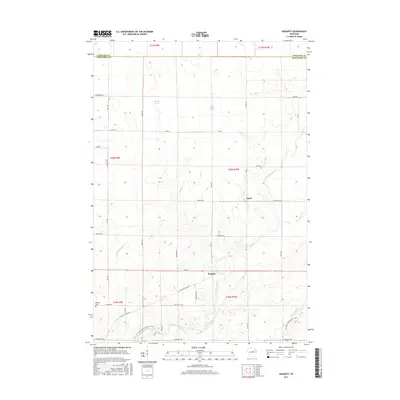 2015 Hogarty2015 Print · USGSMarathon and Langlade counties appear here in the mid-2010s, showing a landscape defined by the winding Eau Claire River. Researchers can locate the Bethany Cem near Hogarty or trace the southern path of the Ice Age National Scenic Trail.
 - 2015 Map of Kalinke, 2015 Print
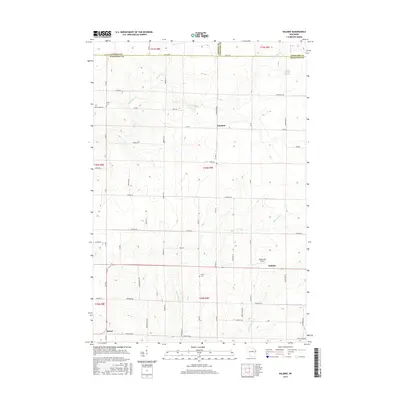 2015 Kalinke2015 Print · USGSPortions of Lincoln and Marathon Counties are shown here during the mid-2010s, capturing a landscape of rural crossroads and river valleys. Researchers can locate family sites near Trinity Cem, the small settlement of Glandon, or the Knight Sky Airport landing strip.
 - 2015 Map of Hatley, 2015 Print
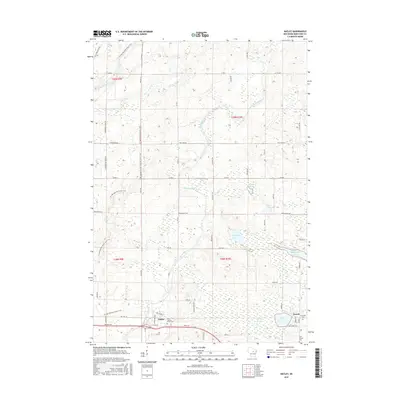 2015 Hatley2015 Print · USGSMarathon County’s rural eastern landscape is captured here in the mid-2010s, showcasing the small-town centers of Hatley and Norrie. Genealogists can locate several local burial sites, including Saint Florian Parish Cem and Hillcrest Cem, while hikers can trace the winding Ice Age National Scenic Trail.
Showing maps 1-25 of 34
Top cities near Easton
- Wausau historical maps
- Weston historical maps
- Kronenwetter historical maps
- Rib Mountain historical maps
- Rothschild historical maps
- Mosinee historical maps
See more
Top neighborhoods of Easton
Frequently asked questions
- What are the different types of historical maps available for Easton?
- What is the oldest map of Easton?
- Where can I purchase historical maps of Easton for my home or office?
- Where can I download high-res historical maps of Easton?
- Are there historical topographic maps available for Easton?
- Is there historical aerial imagery available for Easton?
- Where are historical maps of Easton sourced from?