Old Maps of Richland, Wisconsin for Academic Research
Study the evolution of Richland with 31 high-resolution historic maps. Whether you're teaching, researching, or modeling changes in land use, these maps provide essential visual documentation of urban, environmental, and geographic change.
- Analyze long-term change: Track patterns in development, transportation, and natural features.
- Ideal for environmental or urban studies: Support academic projects with primary historical map data.
- Use in the classroom or lab: Educators and researchers rely on these maps to bring historical context to life.
These maps are a powerful tool for teaching, research, and visualizing how Richland has changed over the decades.
Richland, WI maps
(31)- 1905 Map of Richland Center
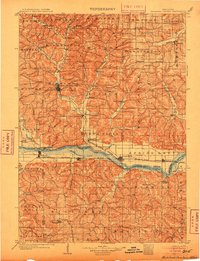 1905 Richland Center1905 Print · USGSRichland and Sauk Counties at the turn of the century show a landscape defined by the winding Wisconsin River and early rail expansion. Genealogists and historians can trace the foundations of local commerce through early post offices like Beach P.O. and rail hubs at Lone Rock and Richland Center.2 unique versions available
 - 1958 Map of La Crosse, 1979 Print
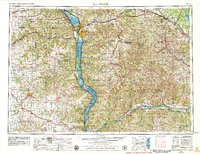 1958 La Crosse1979 Print · USGSThe Driftless Area of Wisconsin and Iowa is captured here during the late seventies, showing the intricate river valleys and ridge-top settlements. Genealogists and historians can trace the rail corridors of the Soo Line or locate landmarks like Grandad Bluff and Effigy Mounds National Monument.2 unique versions available
 - 1960 Map of Richland Center, 1961 Print
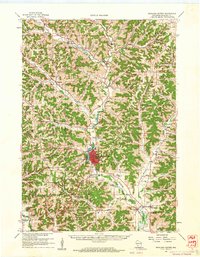 1960 Richland Center1961 Print · USGSRichland County at the start of the sixties reveals a landscape of winding river valleys and ridge-top farms. Genealogists can locate rural landmarks like Fiddlers Green Sch and the Ithaca Cem, or trace the old Milwaukee Road rail line.3 unique versions available
 - 1961 Map of La Crosse
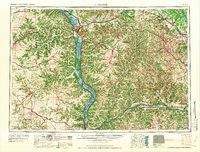 1961 La Crosse1961 Print · USGSThe Driftless Area at the start of the 1960s reveals a complex network of river towns and rail lines along the Mississippi River. Genealogists and historians can trace old settlements like New Amsterdam and Wyattville or locate major landmarks like Camp McCoy Military Reservation and Effigy Mounds National Monument.
 - 1965 Map of La Crosse
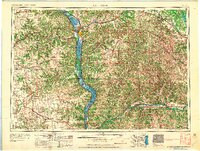 1965 La Crosse1965 Print · USGSThe Driftless Area and the Upper Mississippi valley are captured here during a period of steady mid-century growth. Researchers can trace the rail lines of the Chicago and North Western or locate riverfront sites like Effigy Mounds National Monument and the Camp McCoy Military Reservation.
 - 1976 Map of La Crosse
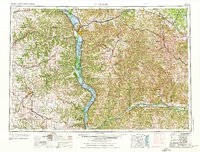 1976 La Crosse1976 Print · USGSThe Driftless Area and Mississippi River valley are captured here in the mid-seventies, showing a landscape of deep coulees and river commerce. Genealogists can trace family footprints from La Crosse to smaller hamlets like Newburg Corners and Witoka.
 - 1983 Map of Richland Center
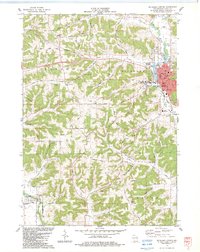 1983 Richland Center1983 Print · USGSRichland County in the early eighties centers on the river-and-rail hub of Richland Center and its surrounding ridge lands. Genealogists and local historians can trace rural family roots through sites like Dayton Corners, Oak Ridge Cem, and the Mayfield Cem.
 - 1983 Map of Sextonville
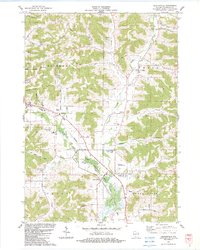 1983 Sextonville1983 Print · USGSThe Richland County countryside in the early eighties shows a transition from traditional valley farming to modern local infrastructure. Genealogists can trace family roots through the Willow Valley Cem, Neptune, and the Ash Creek Ch.
 - 1983 Map of Rockbridge
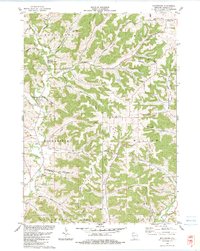 1983 Rockbridge1983 Print · USGSRichland County at the start of the eighties reveals a network of tight valleys and ridge-top farms. Genealogists can locate family landmarks like Soules Creek Cem or Pleasant Ridge Ch alongside rural crossings in Hub City.
 - 1983 Map of Gillingham
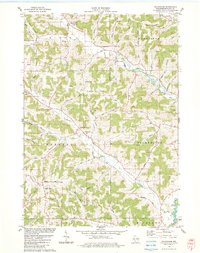 1983 Gillingham1983 Print · USGSRichland County's ridge-and-valley country is shown here in the early eighties, centered on the rural junctions and family farmsteads of the driftless area. Researchers can locate numerous local burial sites including Bloom City Cem, English Ridge Cem, and Fancy Creek Cem.
 - 1985 Map of Richland Center, 1991 Print
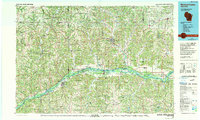 1985 Richland Center1991 Print · USGSSouthwest Wisconsin’s driftless landscape in the mid-1980s is defined by its deep river valleys and tight agricultural settlements. Researchers can trace family-named landmarks like Mickelson Ridge or find remote churches and schools near Richland Center and Dodgeville.
 - 2010 Map of Richland Center, 2010 Print
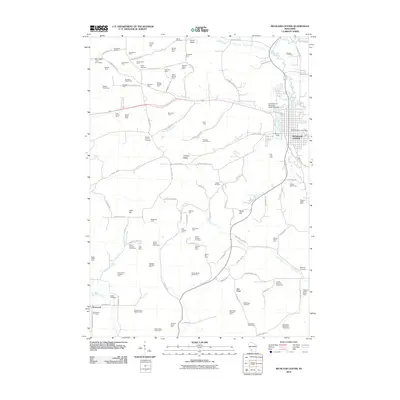 2010 Richland Center2010 Print · USGSRichland County's dairy heartland is documented here in the early twenty-first century, showing the established grid of Richland Center and the surrounding coulees. Genealogists can locate family landmarks like Bowen Cemetery or trace agricultural roots at Pleasant Valley Farm and Landencroft Farm.
 - 2010 Map of Gillingham, 2010 Print
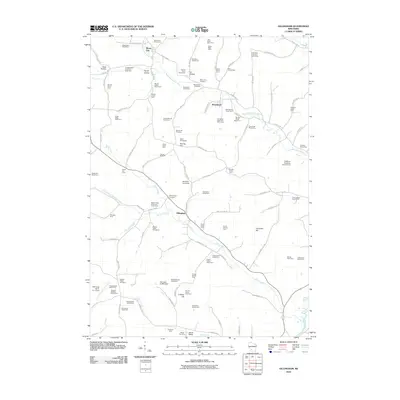 2010 Gillingham2010 Print · USGSRichland County's agricultural heartland is documented here in the early twenty-first century, showing a landscape defined by named family dairy and stock farms. Researchers can locate specific ancestral sites like Bloom City, Gillingham, and the English Ridge Cemetery.
 - 2010 Map of Sextonville, 2010 Print
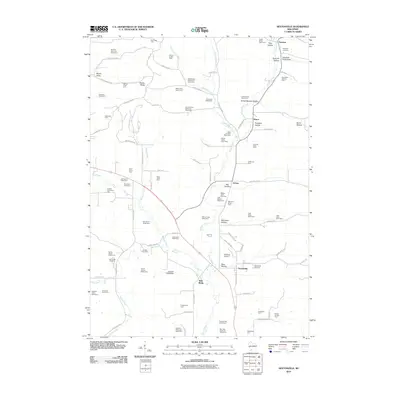 2010 Sextonville2010 Print · USGSRichland County's dairy country is captured here during the early twenty-first century, showing a landscape defined by valley farms and winding creeks. Genealogists can trace family holdings and local landmarks like Ithaca, Sextonville Cemetery, and Twin Bluffs.
 - 2010 Map of Rockbridge, 2010 Print
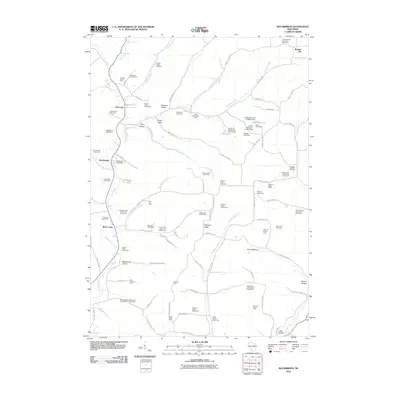 2010 Rockbridge2010 Print · USGSRichland County's agricultural heartland is captured here at the start of the 2010s, showing a landscape defined by generational dairy and stock farms. Family history researchers can locate ancestral lands like Evergreen Hollow Farm and trace local burials at Soules Creek Cemetery or Rockbridge Cemetery.
 - 2013 Map of Rockbridge, 2013 Print
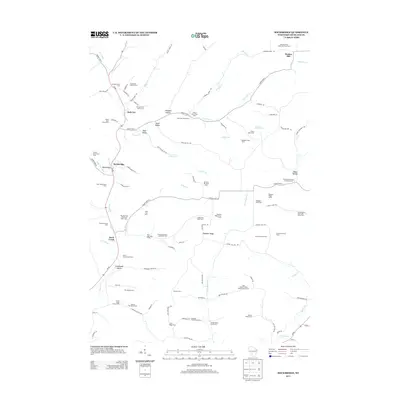 2013 Rockbridge2013 Print · USGSRichland County's dairy and stock-farming heritage is captured here in the early twenty-first century, showing a landscape defined by ridge-and-valley topography. Researchers can trace family-named lands and rural hubs like Hub City, Rockbridge, and the Pleasant Ridge Apiary.
 - 2013 Map of Gillingham, 2013 Print
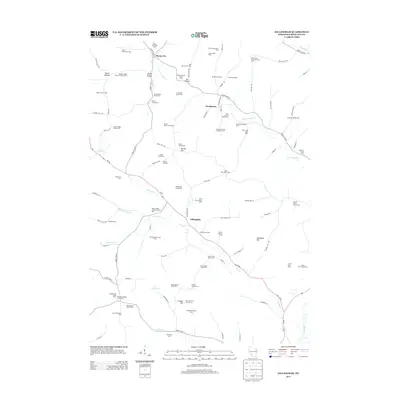 2013 Gillingham2013 Print · USGSRichland County's agricultural heartland is documented here in the early twenty-first century, showcasing a unique landscape of specialized family farms. Researchers can trace the heritage of specific holdings like the Holstein Stock Farm, the Shropshire Sheep Farm, and the Bloom City Stock Farm.
 - 2013 Map of Richland Center, 2013 Print
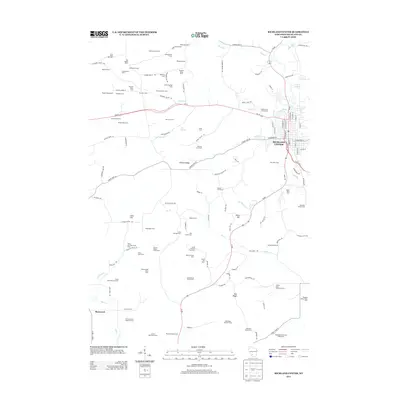 2013 Richland Center2013 Print · USGSRichland County at the turn of the century shows a landscape defined by the Pine River and a dense network of family dairy operations. Genealogists can trace family footprints across namesake locations like Collins Dairy and Stock Farm, Castle Rock Farm, and the community of Basswood.
 - 2013 Map of Sextonville, 2013 Print
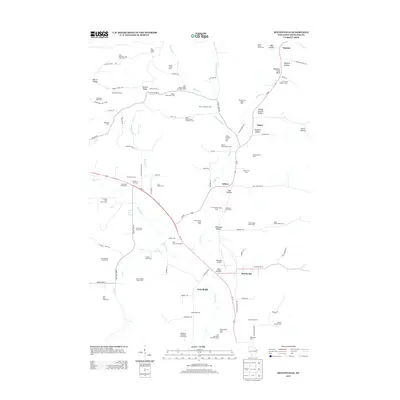 2013 Sextonville2013 Print · USGSRichland County's dairy and stock farming landscape is documented here in the early twenty-first century. Genealogists and local historians can locate dozens of named family homesteads and local landmarks like the Starlite 14 Drive-In, Richland Airport, and Elephant Trunk Rock.
 - 2016 Map of Gillingham, 2016 Print
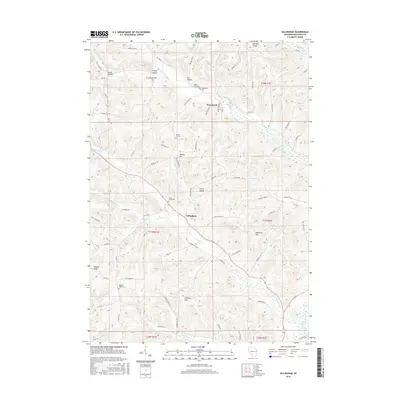 2016 Gillingham2016 Print · USGSRichland County, Wisconsin, is shown in the mid-2010s as a landscape of interconnected valleys and ridge-top settlements. Researchers can locate several burial sites and historic hubs like Woodstock, Gillingham, and English Ridge Cem along the W Br Pine River.
 - 2016 Map of Rockbridge, 2016 Print
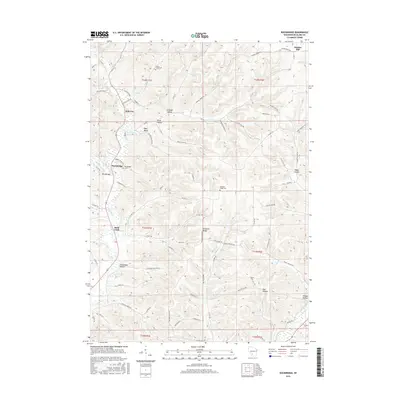 2016 Rockbridge2016 Print · USGSRichland County's steep ridges and narrow valleys are documented here in the mid-2010s, showing a landscape shaped by the Pine River. Genealogists and local historians can locate several rural burying grounds, including Pleasant Ridge Cem and Soules Creek Cem, near the settlements of Hub City and Buck Creek.
 - 2016 Map of Sextonville, 2016 Print
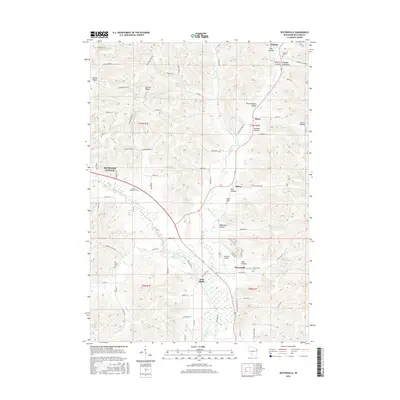 2016 Sextonville2016 Print · USGSRichland County's valley-and-ridge landscape is captured here in the mid-2010s, showing the enduring rural layout of the Pine River basin. Researchers can locate family burial sites at Neptune Cem or Ash Creek Cem and trace landmarks like Elephant Trunk Rock.
 - 2016 Map of Richland Center, 2016 Print
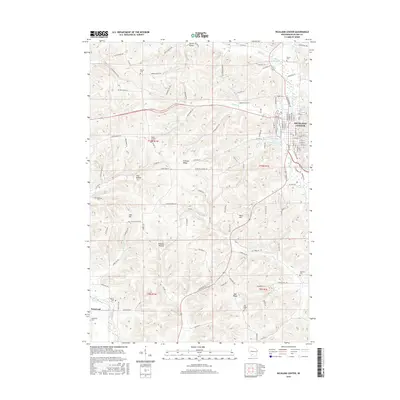 2016 Richland Center2016 Print · USGSRichland County at the turn of the twenty-first century reveals a landscape of deep valleys and hilltop settlements centered on the Pine River. Local historians can trace family roots at Brown Cem or Mayfield Cem and locate landmarks like the Bethel Ch.
 - 2018 Map of Gillingham, 2018 Print
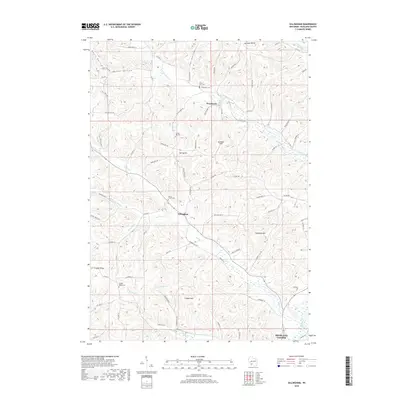 2018 Gillingham2018 Print · USGSRichland County's ridgeland and valley communities are captured here in the late twenty-teens. Genealogists and local historians can trace family locations near Gillingham, Spring Hill, and several country cemeteries including Fancy Creek Cem.
 - 2018 Map of Richland Center, 2018 Print
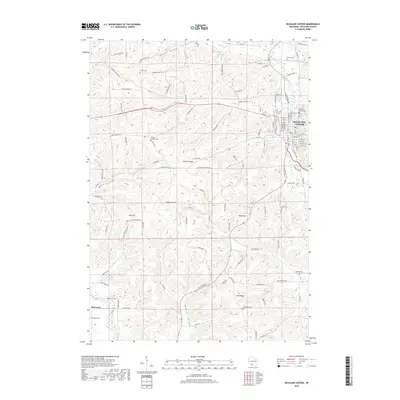 2018 Richland Center2018 Print · USGSRichland County at the end of the 2010s shows a landscape of deep valleys and family-named ridges anchored by the Pine River. Genealogists and local historians can trace rural burial grounds like Dayton Corners Cem and Oak Ridge Cem or locate the community of Basswood.
Showing maps 1-25 of 31
Top cities near Richland
- Richland Center historical maps
- Muscoda historical maps
- Lone Rock historical maps
- Greenwood historical maps
- Rockbridge historical maps
- Ithaca historical maps
See more
Frequently asked questions
- What are the different types of historical maps available for Richland?
- What is the oldest map of Richland?
- Where can I purchase historical maps of Richland for my home or office?
- Where can I download high-res historical maps of Richland?
- Are there historical topographic maps available for Richland?
- Is there historical aerial imagery available for Richland?
- Where are historical maps of Richland sourced from?