Old Maps of Fairbanks, Wisconsin
Explore 33 old maps of Fairbanks, spanning from 1954 to today. These high-resolution historic maps reveal how streets, neighborhoods, landmarks, and natural features evolved over time — perfect for genealogy, metal detecting, research, and local history exploration.
What you can do with these maps:
- See how Fairbanks changed over time: Compare historical maps to modern-day views to trace roads, homesites, rail lines & more.
- View detailed metadata: Each map includes creators, publishers, year, scale, and archive source.
- Overlay maps with satellite & LiDAR: Visualize the past alongside modern tools to explore terrain & human change.
- Trusted historical sources: Maps sourced from the USGS, Library of Congress, and other archives.
- Access maps your way: View online, download high-res files, or order prints for personal or research use.
Start exploring old maps of Fairbanks to uncover forgotten places, hidden landmarks, and the deep history beneath your feet.
Fairbanks, WI maps
(33)- 1954 Map of Wittenberg, 1956 Print
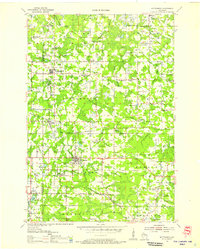 1954 Wittenberg1956 Print · USGSWisconsin’s timber and rail country is captured here during the mid-fifties as many small rural schoolhouses were being phased out. Genealogists and local historians can trace family locations near Forest Home Cem, the settlement of Regina, or the St Johannes Ch.
 - 1954 Map of Gresham, 1956 Print
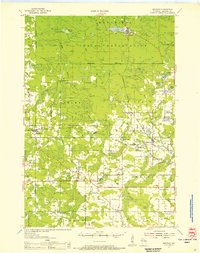 1954 Gresham1956 Print · USGSMid-century Shawano County is captured here at a time when the northern timberlands and southern farmsteads met. Genealogists and historians can trace local landmarks like Mohican Sch, the milling center at Neopit, and several rural churches including Immanuel Ch.
 - 1955 Map of Clintonville, 1957 Print
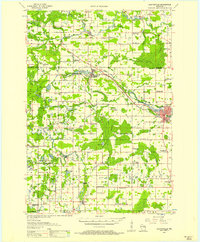 1955 Clintonville1957 Print · USGSClintonville and Marion are shown at a peak of rail-era development in the mid-1950s. Genealogists can trace family roots through numerous rural landmarks like Graceland Cem, the Danish Cem, and one-room schoolhouses such as Sunrise Sch.2 unique versions available
 - 1955 Map of Tigerton, 1957 Print
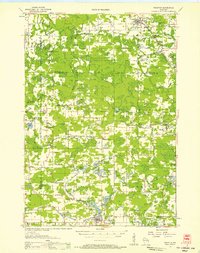 1955 Tigerton1957 Print · USGSThe rural borderlands of Shawano and Waupaca Counties come alive in the mid-1950s, showing a landscape of small schools and river-fed mill towns. Genealogists can trace family landmarks like Alban Chapel, the Hitterdahl Ch, and old rural schoolhouses including Selmer Sch.2 unique versions available
 - 1955 Map of Green Bay, 1968 Print
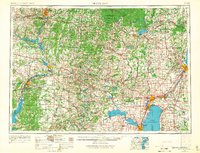 1955 Green Bay1968 Print · USGSCentral and Eastern Wisconsin are captured here in the mid-fifties, showing the industrial growth of the Fox Valley and Wisconsin River corridors. Genealogists and historians can trace rail lines like the Green Bay and Western through settlements like Weyauwega, Clintonville, and Pulaski.2 unique versions available
 - 1964 Map of Wittenberg, 1965 Print
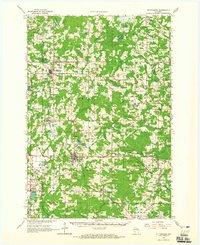 1964 Wittenberg1965 Print · USGSSettled along the border of Marathon and Shawano counties in the 1960s, this area shows a landscape shaped by timber and rail. Researchers can trace local lineage through several sites like Homme Home for Boys, St Philomena Ch, and Holy Family Cem.2 unique versions available
 - 1964 Map of Gresham, 1975 Print
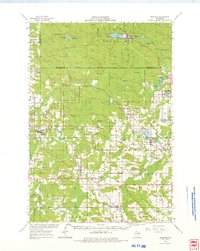 1964 Gresham1975 Print · USGSMid-century Shawano County is mapped here during a period of transition for its northern timberlands and southern farms. Genealogists and researchers can trace family names through rural landmarks like Hermanfort Sch, St Marys Cem, and Tilleda.
 - 1970 Map of Marion, 1973 Print
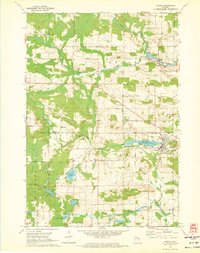 1970 Marion1973 Print · USGSThe river valleys of Waupaca and Shawano counties are captured here in the early seventies, centered on the rail hub of Marion. Researchers can trace local genealogy through several rural burial grounds including Zion Cem, Roseland Cem, and Greenleaf Cem.2 unique versions available
 - 1970 Map of Tigerton, 1973 Print
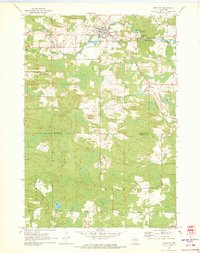 1970 Tigerton1973 Print · USGSWisconsin timber and rail country come into focus in the early seventies, centered on the village of Tigerton and its river-bend economy. Researchers can trace family homesteads along Laars Road, locate the Tigerton Lookout Tower, and follow the historic Chicago and North Western line.2 unique versions available
 - 1982 Map of Bowler
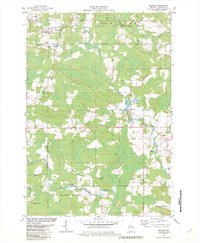 1982 Bowler1982 Print · USGSShawano County is shown in the early 1980s as a landscape of river branches and rural settlements. Genealogists and local historians can trace family-named routes like Logemann Lane and locate community anchors such as Peace Cem and Bethany Ch.
 - 1982 Map of Shepley
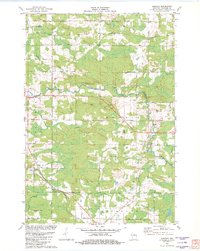 1982 Shepley1982 Print · USGSShawano County's rural townships are documented here in the early 1980s, showcasing the winding Middle Branch Embarrass River and local rail stops. Genealogists can trace family footprints near Shepley, Whitcomb, and Immanuel Ch.
 - 1984 Map of Shawano, 1985 Print
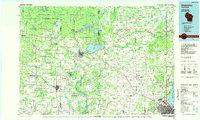 1984 Shawano1985 Print · USGSNortheast Wisconsin in the mid-1980s was a landscape defined by its indigenous heritage and the bustling trade centers of the Fox and Wolf River valleys. Genealogists and historians can trace rail corridors like the Chicago and North Western or locate family sites near Keshena, Cecil, and the Fort Howard Cem.2 unique versions available
 - 1984 Map of Wausau, 1990 Print
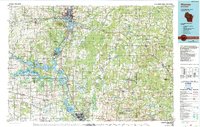 1984 Wausau1990 Print · USGSMarathon and Portage counties come into focus during the mid-eighties as industrial river towns and sprawling conservation areas define the Central Wisconsin landscape. Researchers can trace the rail corridors of the Soo Line or locate rural landmarks like Rib Mountain State Park and St Marys Cem.
 - 2010 Map of Shepley, 2010 Print
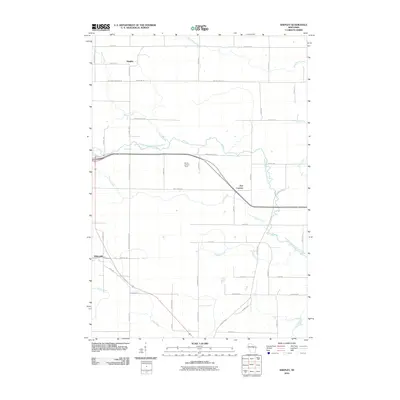 2010 Shepley2010 Print · USGSShawano County's rural landscape is captured here in the early 2000s, showing a network of small settlements and river valleys. Researchers can trace family history through landmarks like the Morris Lookout Tower or the small communities of Shepley and Whitcomb.
 - 2010 Map of Tigerton, 2010 Print
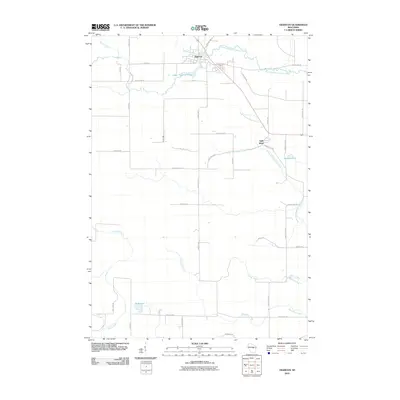 2010 Tigerton2010 Print · USGSShawano County at the start of the 2010s shows a landscape of timbered river valleys and established family farmsteads. Researchers can trace land ties along Tauferner Rd or follow the waters of the South Branch Embarrass River through Tigerton.
 - 2010 Map of Marion, 2010 Print
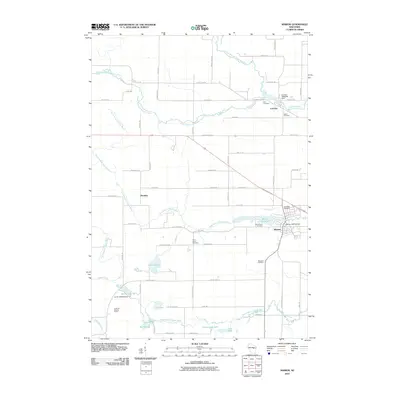 2010 Marion2010 Print · USGSWisconsin's Waupaca County landscape is defined by the winding branches of the Embarrass and Pigeon Rivers at the start of the twenty-first century. Genealogists and local historians can trace the positions of Zion Cemetery, the Leuthold Granite Quarry, and the Marion 2WP732 Dam across the terrain.
 - 2010 Map of Bowler, 2010 Print
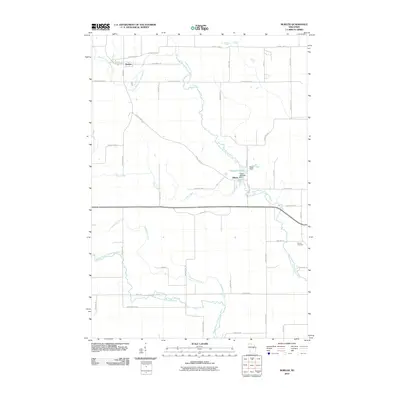 2010 Bowler2010 Print · USGSShawano County at the turn of the millennium shows a landscape defined by the winding North Branch Embarrass River. Genealogists and local historians can trace the rural layout around Bowler, Tilleda, and the eastern Seneca Cemetery.
 - 2013 Map of Marion, 2013 Print
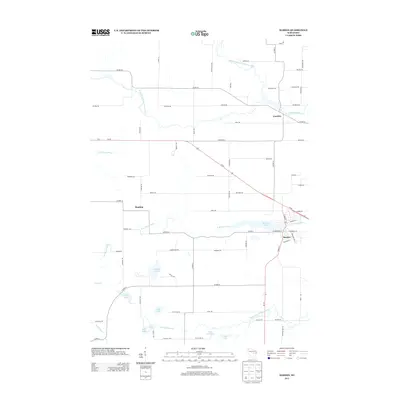 2013 Marion2013 Print · USGSMarion and its neighboring settlements are documented here during the early twenty-first century as the landscape remains defined by its complex river systems. Researchers can trace local landmarks and water bodies like Marion Pond, Kinney Lake, and the winding Embarrass River.
 - 2013 Map of Bowler, 2013 Print
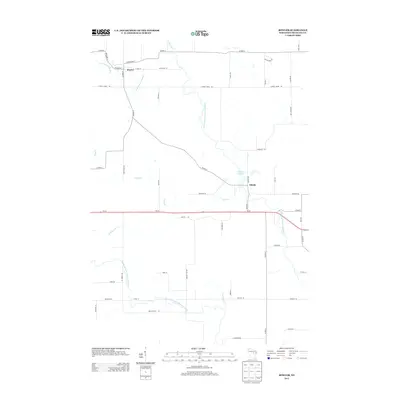 2013 Bowler2013 Print · USGSIn the early twenty-first century, this Shawano County landscape remains centered on the river-fed villages of Bowler and Tilleda. Genealogists and local historians can trace family-named roads like Zimdars Rd and the remnants of rural infrastructure along E Railroad St.
 - 2013 Map of Tigerton, 2013 Print
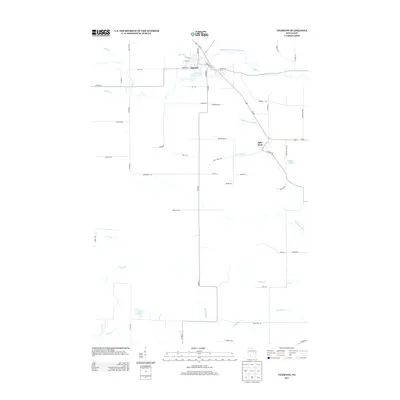 2013 Tigerton2013 Print · USGSShawano County's river-cut terrain is captured here in the early twenty-first century, centered on the historic crossroads of the north woods. Researchers can trace the water-powered legacy of Tigerton and Split Rock along the South Branch Embarrass River and the scenic Tigerton Dells.
 - 2013 Map of Shepley, 2013 Print
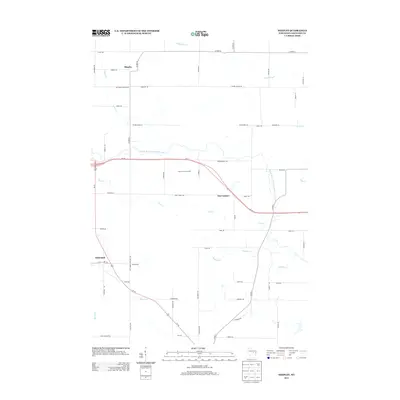 2013 Shepley2013 Print · USGSCentral Wisconsin farmland and winding creek beds define this area in 2013. Local history researchers can trace old road networks and family-named routes near Shepley, Five Corners, and the Morris Lookout Tower.
 - 2015 Map of Shepley, 2015 Print
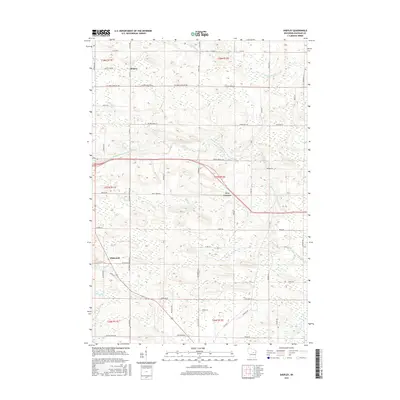 2015 Shepley2015 Print · USGSMid-century Shawano County remains a landscape of quiet agricultural hamlets and winding river branches. Researchers can trace the heritage of local homesteads along named routes like Marquardt Ln or locate the historic centers of Shepley and Whitcomb.
 - 2015 Map of Tigerton, 2015 Print
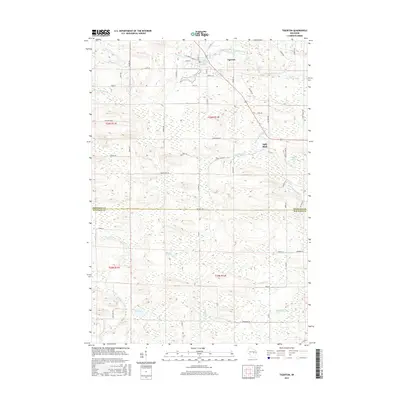 2015 Tigerton2015 Print · USGSTigerton and the surrounding woods and wetlands of Shawano County are captured here in the mid-2010s. Local researchers can trace property access via rural routes like Oxyoke Rd or locate natural landmarks such as Tigerton Dells and Kersten Lake.
 - 2016 Map of Bowler, 2016 Print
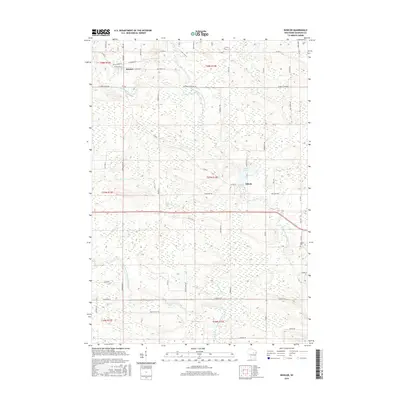 2016 Bowler2016 Print · USGSShawano County's rural landscape is centered on the villages of Bowler and Tilleda during the mid-2010s. Genealogists and historians can trace family land near the Seneca Cem or follow the river systems of the North Branch Embarrass River.
 - 2016 Map of Marion, 2016 Print
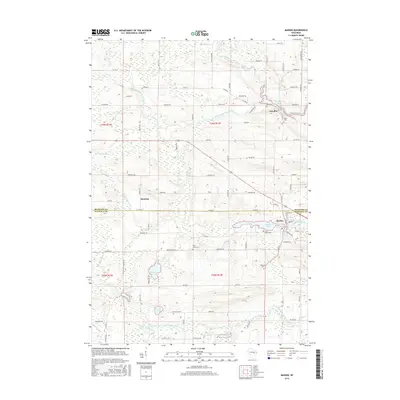 2016 Marion2016 Print · USGSMarion and its surrounding townships are shown here in the mid-2010s, centered on the diverse river systems of Waupaca County. Researchers can trace local lineage through numerous sites like Saint Marys Cemetery or explore the settlements of Caroline and Hunting.
Showing maps 1-25 of 33
Top cities near Fairbanks
- Marion historical maps
- Iola historical maps
- Wittenberg historical maps
- Wittenberg historical maps
- Norrie historical maps
- Pella historical maps
See more
Top neighborhoods of Fairbanks
Frequently asked questions
- What are the different types of historical maps available for Fairbanks?
- What is the oldest map of Fairbanks?
- Where can I purchase historical maps of Fairbanks for my home or office?
- Where can I download high-res historical maps of Fairbanks?
- Are there historical topographic maps available for Fairbanks?
- Is there historical aerial imagery available for Fairbanks?
- Where are historical maps of Fairbanks sourced from?