Old Maps of Washington County, Wisconsin for Metal Detecting
Plan your next treasure hunt with 115 historic maps of Washington County. Find old homesites, ghost towns, trails, and gathering spots that may be lost to time — perfect for identifying promising metal detecting locations.
- Locate forgotten sites: Uncover places like long-lost settlements, abandoned rail lines, or gathering spots.
- Plan better hunts: Use map overlays combined with LiDAR or satellite views to narrow in on historically rich areas.
- Made for detectorists: Thousands of hobbyists use these maps to discover relics, coins, and hidden history.
Use these historic maps to boost your research and find new opportunities beneath the surface of Washington County.
Washington County, WI maps
(115)- 1892 Map of Waukesha
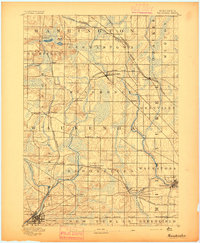 1892 Waukesha1892 Print · USGSSoutheast Wisconsin in the 1890s was a critical junction of rail lines and river valleys connecting small industrial settlements. Trace the early development of Waukesha and Wauwatosa before suburban expansion, or locate vanished stops like Templeton and Brookfield Junction.
 - 1892 Map of Oconomowoc
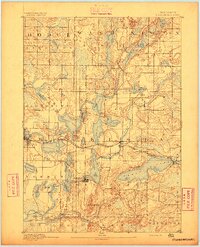 1892 Oconomowoc1892 Print · USGSWaukesha County's lake country is captured in the early 1890s, revealing a landscape defined by glacial waters and nascent rail lines. Researchers can trace the early development of Delafield and Hartland or locate old stops like Lakeside Station and Giffords.4 unique versions available
 - 1901 Map of Waukesha
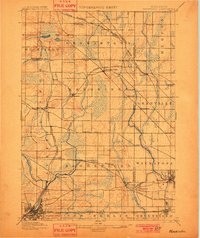 1901 Waukesha1901 Print · USGSSoutheastern Wisconsin at the turn of the century shows a landscape transitioning from rural townships to a complex rail-linked corridor. Genealogists and historians can trace the exact locations of early communities like Freistadt, Fussville, and Brookfield P.O. along the Menomonee River.
 - 1904 Map of West Bend
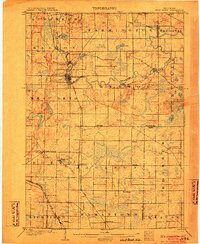 1904 West Bend1904 Print · USGSWashington County at the turn of the century was a landscape of thriving river towns and vital rail corridors. Genealogists and local historians can trace the early footprints of West Bend and Barton, or locate smaller rural junctions like Kirchhayn and Rockfield.3 unique versions available
 - 1904 Map of Hartford
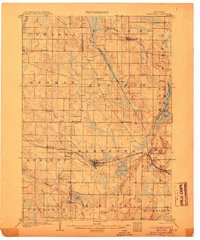 1904 Hartford1904 Print · USGSThe Kettle Moraine region of Washington and Dodge counties comes into focus in this early century survey of Wisconsin’s glacial landscape. Genealogists can trace family roots through small settlements like Schleisingerville, Hochheim, and St. Lawrence, or locate landmarks like Holy Hill and Pike Lake.3 unique versions available
 - 1906 Map of Waukesha
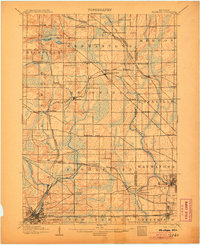 1906 Waukesha1906 Print · USGSWaukesha and the Milwaukee outskirts thrive at the turn of the century during a height of rail connectivity. Genealogists can trace family footprints in early settlements like Freistadt, Lannon, and the neighborhoods of Wauwatosa.4 unique versions available
 - 1909 Map of Oconomowoc
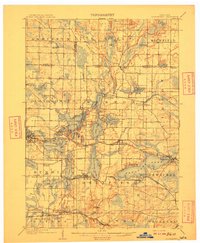 1909 Oconomowoc1909 Print · USGSThe Lake Country of Waukesha County is captured here at the height of its early resort era. You can trace family roots in Oconomowoc, locate the historic Nashotah Mission, and find long-lost stops like Waukesha Beach and Lakeside Sta.6 unique versions available
 - 1955 Map of Campbellsport, 1957 Print
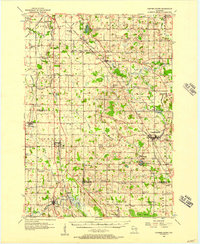 1955 Campbellsport1957 Print · USGSThe Fond du Lac countryside in the mid-fifties shows a landscape of limestone quarries and rail-fed village centers. Genealogists can locate family landmarks like Silver Leaf Sch, Marblehead Quarries, and the Empire Cem.2 unique versions available
 - 1955 Map of Kewaskum, 1957 Print
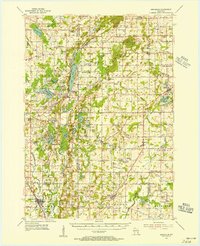 1955 Kewaskum1957 Print · USGSMid-century eastern Wisconsin comes alive in this survey of the glacial Kettle Moraine region. Genealogists and historians can locate rural landmarks like Conners Mill, the Parnell Lookout Tower, and old schools including Mitchell Sch and Hillside Sch.4 unique versions available
 - 1957 Map of Madison, 1967 Print
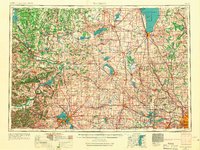 1957 Madison1967 Print · USGSSouth-central Wisconsin in the mid-fifties reveals a landscape of industrial hubs and glacial lakes linked by a dense rail and highway network. Genealogists and historians can trace the development of lakeside communities and find notable sites like Badger Ordnance Works and the Horicon National Wildlife Refuge.3 unique versions available
 - 1958 Map of Menomonee Falls, 1961 Print
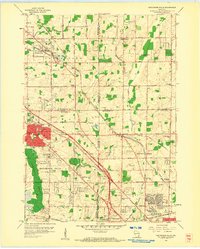 1958 Menomonee Falls1961 Print · USGSIn the late fifties, the rural townships north of Milwaukee were transitioning from gravel mining and farming to suburban life. Genealogists and local historians can trace legacy sites like Fussville, Holy Cross Ch, and St Marys Cem amidst the growing network of roads.4 unique versions available
 - 1959 Map of West Bend, 1960 Print
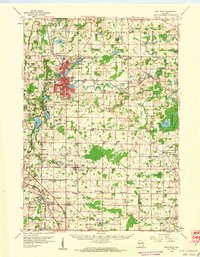 1959 West Bend1960 Print · USGSWashington and Ozaukee counties are shown here in the late fifties, as the Milwaukee River corridor supported both industry and recreation. Trace local history through family-named landmarks like Last Home Cem and rail hubs at Rugby Junction.
 - 1959 Map of Stonebank, 1961 Print
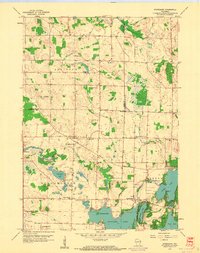 1959 Stonebank1961 Print · USGSWaukesha County's lake country is captured here during a transition from quiet rural townships to popular lakeside retreats in the late fifties. Genealogists and historians can trace community roots through numerous country schools and cemeteries, including Mapleton Sch, Mt Hope Cem, and St Paul Ch.4 unique versions available
 - 1959 Map of Hartford, 1961 Print
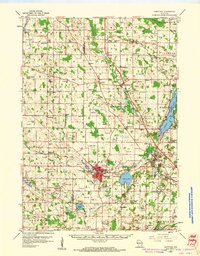 1959 Hartford1961 Print · USGSSoutheastern Wisconsin's kettle moraine landscape is shown here in the late fifties as rail lines and rural schools defined local life. Trace ancestral roots through sites like Christs Manger Sch Cem, the old Lincoln Sch, and the rail junction at Slinger.2 unique versions available
 - 1959 Map of Hartland, 1961 Print
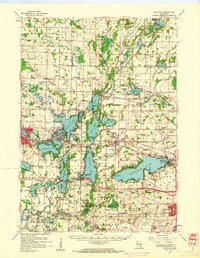 1959 Hartland1961 Print · USGSWaukesha County at the close of the 1950s shows a landscape defined by glacial lakes and a maturing rail network. Genealogists and historians can trace old community hubs like Stonebank and Merton, identifying local landmarks from St Olaf Ch to University Lake Sch.
 - 1959 Map of Merton, 1961 Print
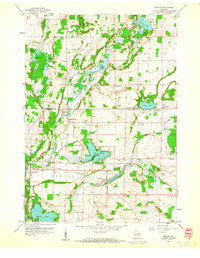 1959 Merton1961 Print · USGSThe glacial lakelands of Waukesha and Washington Counties are shown in the late 1950s as quiet rural communities began to evolve. Genealogists and historians can trace family locations near Holy Hill, the village of Merton, and numerous historic sites like St Johns Cemetery and Center Oak School.4 unique versions available
 - 1959 Map of Sussex, 1961 Print
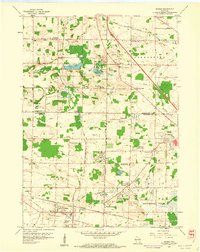 1959 Sussex1961 Print · USGSThe limestone and gravel industries of Waukesha and Washington Counties are in full swing at the end of the fifties. Genealogists can trace family names through Union Cem, Hillside Sch, and old settlements like Goldenthal and Hubertus.4 unique versions available
 - 1959 Map of Waukesha, 1961 Print
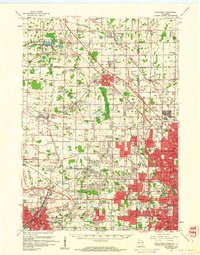 1959 Waukesha1961 Print · USGSSoutheast Wisconsin was undergoing a massive suburban transformation in the late fifties as Milwaukee expanded west. Trace the growth of post-war neighborhoods and infrastructure near Goerkes Corner, Timmerman Airport, and the Lannon limestone Quarries.3 unique versions available
 - 1959 Map of Nenno, 1964 Print
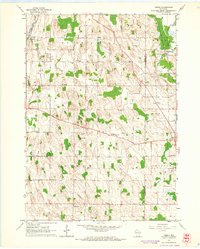 1959 Nenno1964 Print · USGSThe rural borderlands of Dodge and Washington counties are documented here in the late fifties, showcasing a landscape of drumlins and dairy farms. Genealogists can trace family footprints through the many district schools and cemeteries like Reform Cem, Liberty Sch, and Herman Center.3 unique versions available
 - 1959 Map of Allenton, 1964 Print
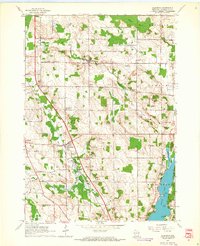 1959 Allenton1964 Print · USGSWashington County was a patchwork of family farms and glacial marshes in the late fifties. Genealogists can trace rural communities like Kohlsville and Nabob or locate family plots at Sacred Heart Cem and Kewaskum Union Cem.2 unique versions available
 - 1959 Map of Newburg, 1964 Print
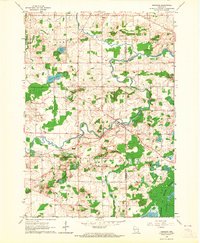 1959 Newburg1964 Print · USGSThe river valleys of Washington and Ozaukee counties are captured here in the late fifties, showing a rural landscape defined by parish life and the Milwaukee River. Genealogists can trace family roots through sites like St Finbars Ch, Myra, and the extensive Cedarburg Bog.4 unique versions available
 - 1959 Map of Jackson, 1964 Print
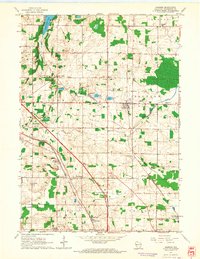 1959 Jackson1964 Print · USGSWashington County in the late fifties is a landscape of rail junctions and rural hamlets. Trace the rail paths through Rugby Junction or locate old community hubs like Dheinsville, Friedens Ch, and Highway View Sch.4 unique versions available
 - 1959 Map of Hartford East, 1964 Print
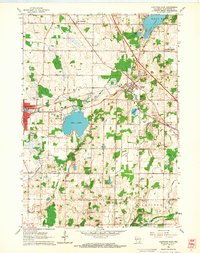 1959 Hartford East1964 Print · USGSMid-century Washington County is captured here at a time when rail lines and rural schools defined the community. Genealogists can trace family roots through landmarks like Union Cem, St Augustine Sch, and the junction at Slinger.3 unique versions available
 - 1959 Map of Five Corners, 1964 Print
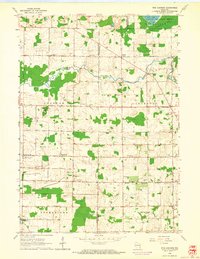 1959 Five Corners1964 Print · USGSOzaukee and Washington Counties are captured in the late fifties as a network of rural farming townships and crossroads communities. Genealogists can trace family footprints near Kirchhayn, Decker Corner, and country schools like South Center Sch or Trinity Sch.4 unique versions available
 - 1959 Map of Hartford West, 1964 Print
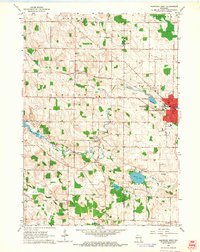 1959 Hartford West1964 Print · USGSDodge and Washington Counties are shown here in the late fifties as the area balanced industrial growth with its agricultural roots. Genealogists can trace family landmarks through numerous sites like Hallowell Cemetery, Saylesville, and the St Kilian School.3 unique versions available
Showing maps 1-25 of 115
Top cities of Washington County
- West Bend historical maps
- Germantown historical maps
- Hartford historical maps
- Richfield historical maps
- Jackson historical maps
- Slinger historical maps
See more
Frequently asked questions
- What are the different types of historical maps available for Washington County?
- What is the oldest map of Washington County?
- Where can I purchase historical maps of Washington County for my home or office?
- Where can I download high-res historical maps of Washington County?
- Are there historical topographic maps available for Washington County?
- Is there historical aerial imagery available for Washington County?
- Where are historical maps of Washington County sourced from?