Old Maps of Burntfork, Wyoming
Explore 9 old maps of Burntfork, spanning from 1954 to today. These high-resolution historic maps reveal how streets, neighborhoods, landmarks, and natural features evolved over time — perfect for genealogy, metal detecting, research, and local history exploration.
What you can do with these maps:
- See how Burntfork changed over time: Compare historical maps to modern-day views to trace roads, homesites, rail lines & more.
- View detailed metadata: Each map includes creators, publishers, year, scale, and archive source.
- Overlay maps with satellite & LiDAR: Visualize the past alongside modern tools to explore terrain & human change.
- Trusted historical sources: Maps sourced from the USGS, Library of Congress, and other archives.
- Access maps your way: View online, download high-res files, or order prints for personal or research use.
Start exploring old maps of Burntfork to uncover forgotten places, hidden landmarks, and the deep history beneath your feet.
Burntfork, WY maps
(9)- 1954 Map of Ogden, 1967 Print
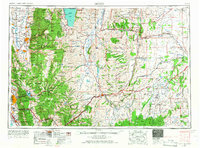 1954 Ogden1967 Print · USGSThe northern Utah corridor and Wyoming borderlands are captured here in the mid-1950s, showing the region's transition from mountain wilderness to settled valleys. Researchers can trace historic institutions like Utah State University or locate vanished points like Church Butte Station and the Trappist Monastery.3 unique versions available
 - 1958 Map of Ogden
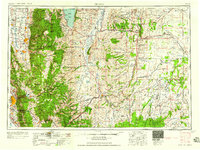 1958 Ogden1958 Print · USGSNorthern Utah and southwestern Wyoming are captured here during a period of steady growth and military expansion. You can trace the Union Pacific rail lines and early road networks connecting Ogden and Logan to Bear Lake and Evanston.
 - 1960 Map of Ogden
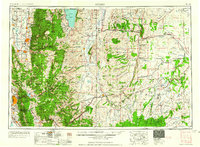 1960 Ogden1960 Print · USGSIn the mid-1950s, this region of the American West balanced military expansion with frontier history along the Union Pacific RR. Genealogists and historians can trace old settlements like Fort Bridger, the residential growth of Washington Terrace, and industrial sites from the Hill AFB complex to the coal mines of Kemmerer.
 - 1964 Map of Burntfork, 1968 Print
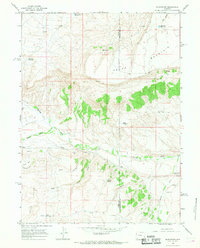 1964 Burntfork1968 Print · USGSThe ranching country of Uinta County is captured here in the mid-1960s, showing the intricate water systems that sustained this high-desert community. Researchers can trace family history through the Stewart Cem and locate local landmarks like Turtle Bluff and the Nielsen Ditch.2 unique versions available
 - 1980 Map of Evanston, 1992 Print
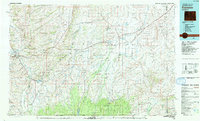 1980 Evanston1992 Print · USGSSouthwestern Wyoming at the start of the eighties shows a landscape of mountain forests and high-plateau ranching towns. Trace the Union Pacific line through Evanston or explore the historic vicinity of Fort Bridger and Piedmont.
 - 2012 Map of Burntfork, 2012 Print
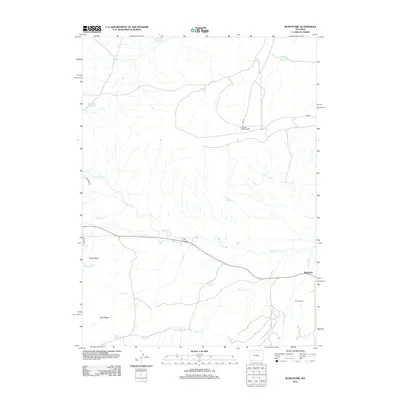 2012 Burntfork2012 Print · USGSCovers Burntfork, including Sweetwater County, Uinta County, and other nearby areas
 - 2015 Map of Burntfork, 2015 Print
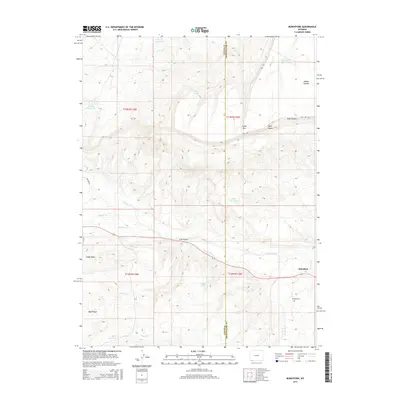 2015 Burntfork2015 Print · USGSCovers Burntfork, including Sweetwater County, Uinta County, and other nearby areas
 - 2017 Map of Burntfork, 2017 Print
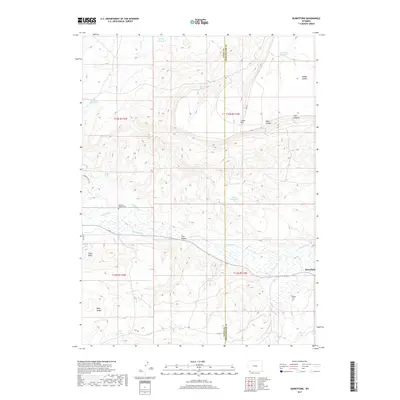 2017 Burntfork2017 Print · USGSCovers Burntfork, including Sweetwater County, Uinta County, and other nearby areas
 - 2021 Map of Burntfork, 2021 Print
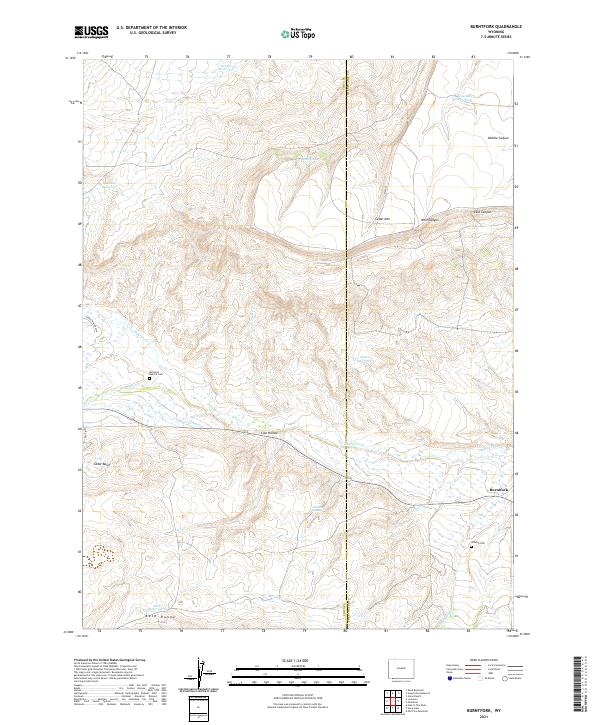 2021 Burntfork2021 Print · USGSThe ranching country of Uinta County is mapped here during a period of modern water management and cattle history. Researchers can locate family landmarks such as the McGinnis - Bullock Cem, Widdop Cem, and the settlement of Burntfork.
End of results
Showing maps 1-9 of 9
Frequently asked questions
- What are the different types of historical maps available for Burntfork?
- What is the oldest map of Burntfork?
- Where can I purchase historical maps of Burntfork for my home or office?
- Where can I download high-res historical maps of Burntfork?
- Are there historical topographic maps available for Burntfork?
- Is there historical aerial imagery available for Burntfork?
- Where are historical maps of Burntfork sourced from?