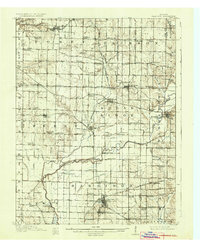
1910 Map of Clay City
USGS Topo · Published 1936About this map
Clay City serves as a major hub in this 1910 survey, illustrating the intersection of the Evansville and Indianapolis RR and the Chicago and Eastern Illinois RR. The landscape is defined by the winding course of the Eel River and its complex drainage network, which includes the Wabash and Erie Canal (Abandoned) and its significant Feederdam Bridge. The map captures a high density of rural institutions, such as Scrubby Oak School, Dutch Knob School, and Vinegar Hill School, reflecting the decentralized education system of early 20th-century Indiana.
Find a feature on this map
104 named features on this map. Tap any name to fly to it.
Don’t see what you’re looking for? This feature index may not catch every label — zoom into the map to look around manually.
Map Details
Editions of this 1910 Clay City Map
2 editions found
Other maps of this area
1908 · Clay City
USGS Topo · 1:48,000
1908 · Bloomfield
USGS Topo · 1:62,500
1910 · Clay City
USGS Topo · 1:62,500
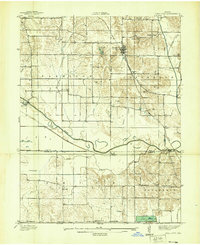
1938 · Coal City
USGS Topo · 1:24,000
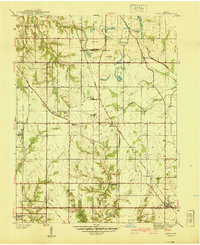
1940 · Lewis
USGS Topo · 1:24,000
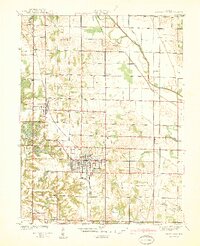
1940 · Jasonville
USGS Topo · 1:24,000
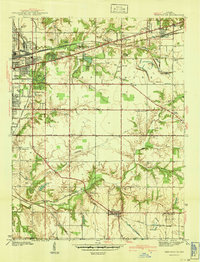
1941 · Seelyville
USGS Topo · 1:24,000
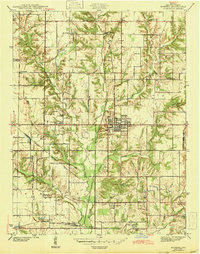
1943 · Hymera
USGS Topo · 1:24,000
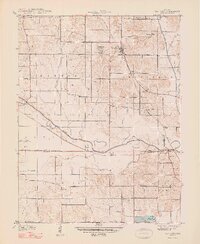
1948 · Coal City
USGS Topo · 1:24,000
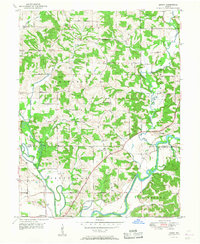
1950 · Arney
USGS Topo · 1:24,000