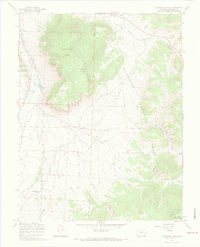
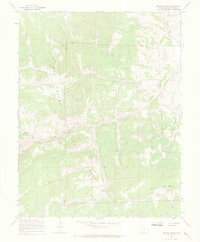
1967 Map of Cochetopa Park
USGS Topo · Published 1969About this map
Cochetopa Dome anchors this high-elevation landscape in the late 1960s, marking a rugged intersection of hydrology and administrative boundaries. The area serves as a significant drainage divide, with the Continental Divide winding through the Cochetopa Hills to the south. This transition is further reflected in the land management, as the territory is split between the Gunnison National Forest and the Rio Grande National Forest.
Find a feature on this map
49 named features on this map. Tap any name to fly to it.
Don’t see what you’re looking for? This feature index may not catch every label — zoom into the map to look around manually.
Map Details
Editions of this 1967 Cochetopa Park Map
3 editions found
Other maps of this area
1956 · Montrose
USGS Topo · 1:250,000
1959 · Montrose
USGS Topo · 1:250,000
1960 · Montrose
USGS Topo · 1:250,000
1962 · West Baldy
USGS Topo · 1:24,000
1962 · Razor Creek Dome
USGS Topo · 1:24,000
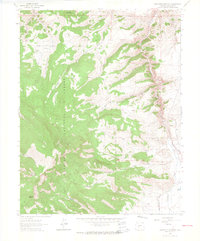
1962 · Sawtooth Mountain
USGS Topo · 1:24,000
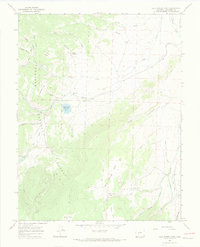
1965 · Cold Spring Park
USGS Topo · 1:24,000
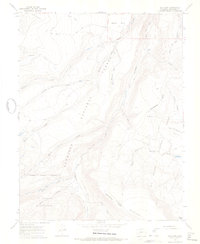
1965 · Elk Park
USGS Topo · 1:24,000
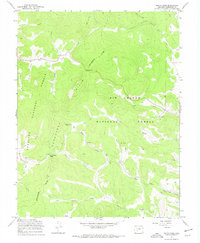
1967 · North Pass
USGS Topo · 1:24,000
1967 · Grouse Creek
USGS Topo · 1:24,000